
Portugal has statues honoring individuals who were colonizers. Like Kolkata’s Victorian Memorial, these statues and memorials always seem a bit out of place. A few words about Portugal’s colonizing history, some examples of Portugal’s visual remembrance of that past, and a few judgments about that past.
Some scholars claim that Portugal became the first European country to move away from ancient forms of slavery, slavery due to debt, slavery as a form of punishment, and slavery resulting from defeat in war. Due to the shortage of workers and the desire to weaken the Moorish empire, the Portuguese began to conduct African raids as early as 1420’s. During the next centuries, these raids changed into full-scale slave networks involving the Portuguese and African nobility and slavers. In1526, the Portuguese sent the first African slaves to Brazil. Of the approximately 12 million slaves brought to the Americas, the Portuguese probably imported 5.5 million to Brazil to work in the sugar-producing regions. These nature of slavery differed between the two regions in that fewer females were enslaved which resulted in a lower slave birth-rate which then led to greater number of slaves having to be imported. Besides Africa and the Americas, the Portuguese colonists moved into South Asia and East Asia. Rather than conquering large territories, the Portuguese conquered cities and established trading centers. Goa and Macao are among the most famous. As a result of Macao’s transference to the Chinese in 1999, Portugal has the unwelcome distinction of having one of the longest colonial empires in history, almost 600 years.
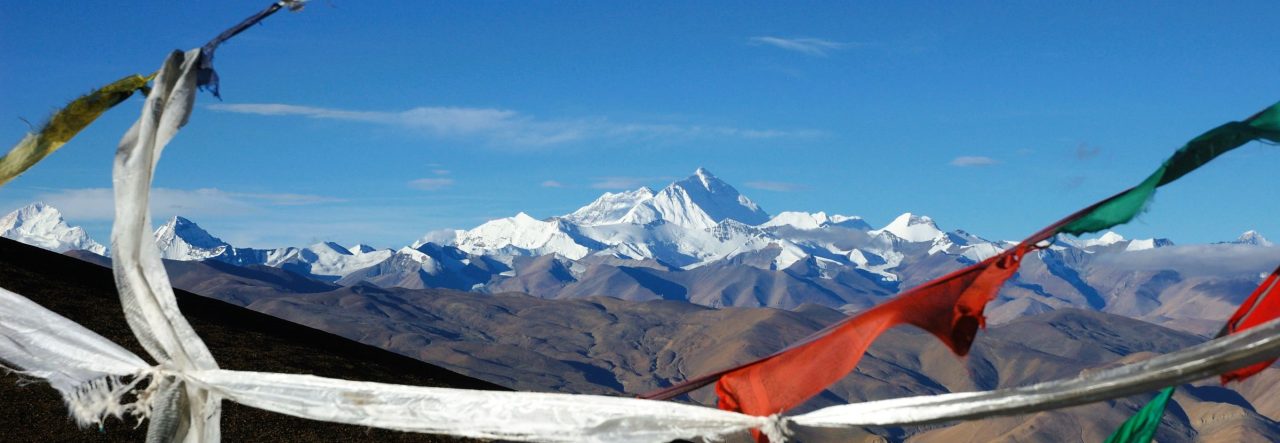
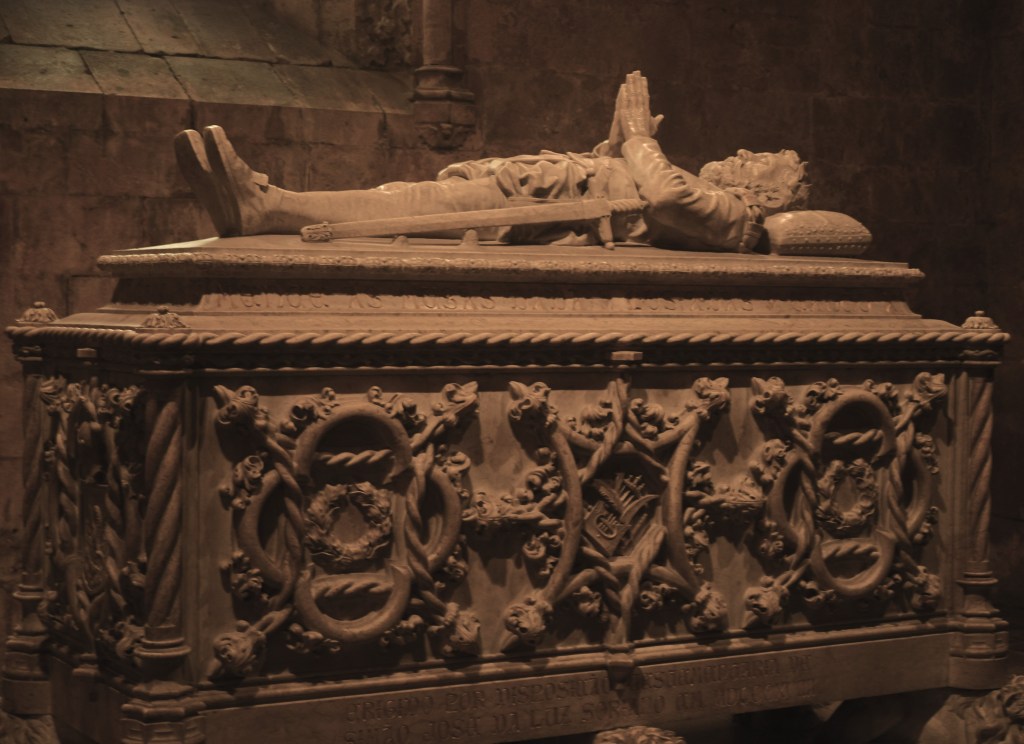
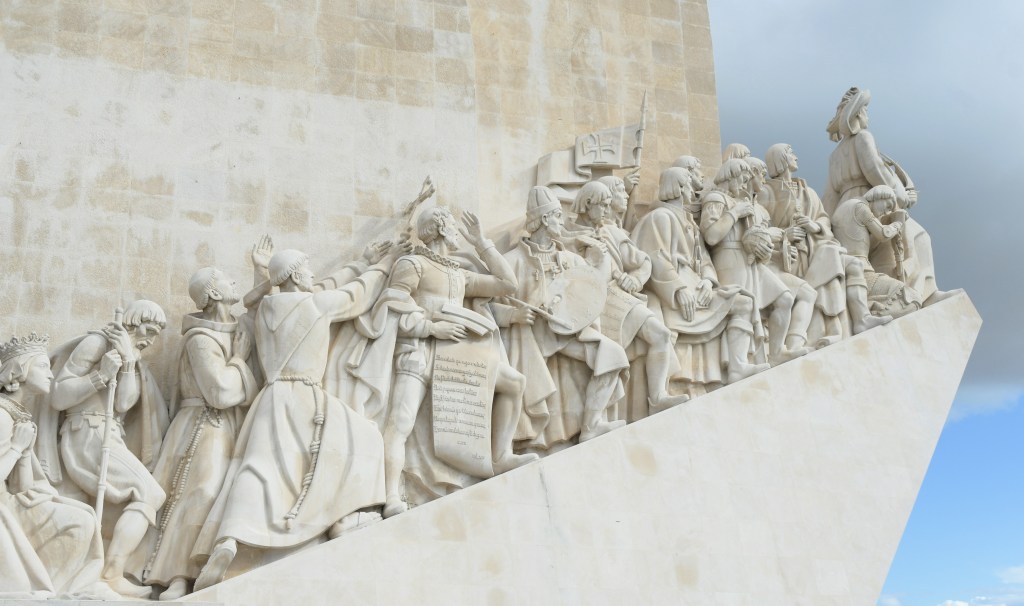
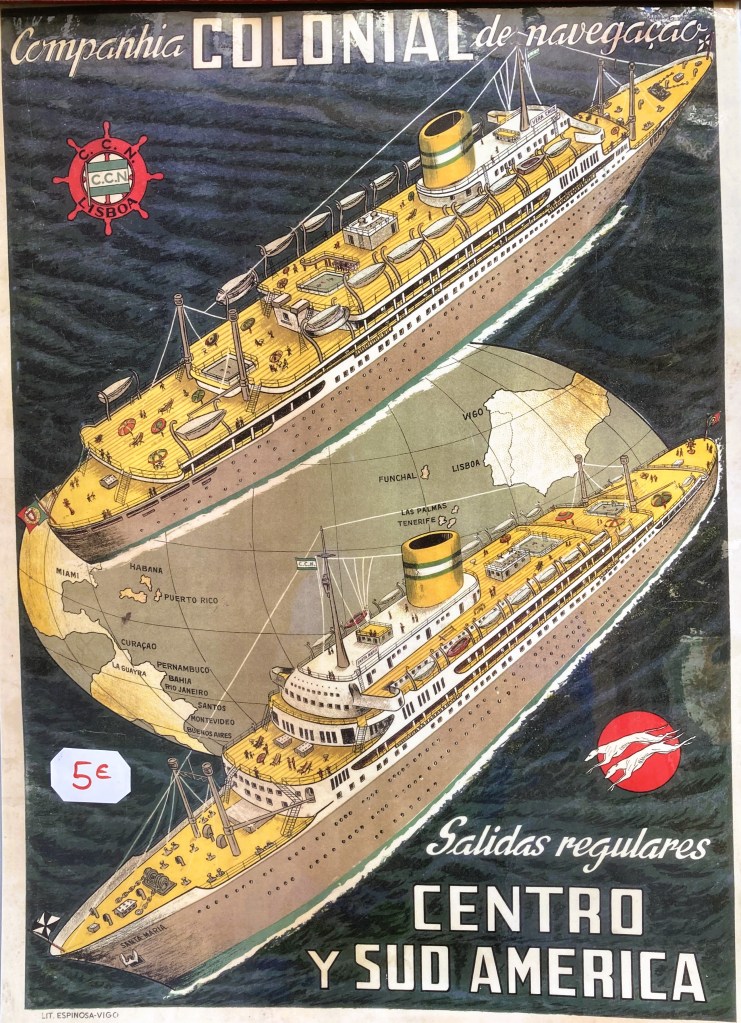
There are numerous ways in which Portugal’s colonial past is remembered. The statue at the top of the blog is of Pedro Alvares Cabral. The “Discoverer of Brazil”, he died and is buried in Santarem. The page displayed in the Coimbra library shows the line dividing the colonial territory of Spain and Portugal as a result of the 1494 Treaty of Tordesillas. The next photo is the tomb of Vasco de Gama. Although originally buried in India, his remains were transferred to the Jeronimos Monastery’s church. The Monument to Discovery located near the mouth of the Tagus River. In soft-tinted cement and stone, the Monument to Discovery is not as innocent as appearances suggest. It was conceived for the 1940 Portuguese World Exhibition during the dictator António Salazar’s regime. In midst of poverty and a neighboring Spanish Civil War, he saw to reinvigorate Portuguese pride by romanticizing Portugal’s Age of Discovery. The final photo is a poster advertising passage from Lisbon to Central or South America. The wide-spread Portuguese colonies has resulted in approximately 240 million people speaking Portuguese.

The legacy of Portugal’s colonial past is dark. In the process of searching for and acquiring fabrics, spices, and gold, the Portuguese inflicted suffering upon millions of people. Even after the years of acquiring slaves, the suffering continues. Portugal resisted granting self-government to its colonies longer than Great Britain or France. As a result of the Portuguese Colonial Wars between 1961-1974, regions of Portuguese Africa such as Angola and Mozambique and Timor in Southeast Asia, numerous people found political independence. However, those former colonies remained in internal conflict and faced political and social destabilization for years. Unfortunately, I did not find these more tragic aspects of Portugal’s colonial history displayed.
 Journeys: Explorations in Body, Mind, and Spirit