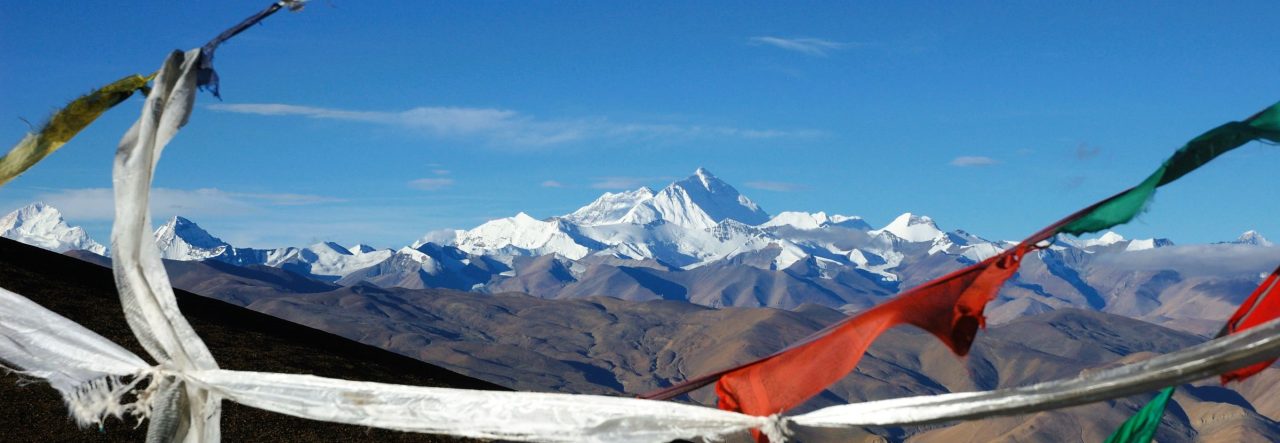

As a very young Swedish immigrant, my unknown-to-me grandpa Lindquist came to the USA in the 1880’s. Later, as he was in his mid 30’s and supporting a wife and five kids, he did not volunteer for “the war to end all wars.” He supported his family by being a book binder. Whether he was an admirer of the large, handsome bound Forward March published by the Chicago Disable Veteran’s Administration, whether he actually worked to help bind those volumes since he sometimes accepted work outside Springfield, or whether it simply reminded him of the wars and horrors of the Europe he had left, he passed along those two volumes. While Chuck, my brother, read about cars, I found those volumes with their hundreds of high-quality, black-and-white photos mesmerizing.
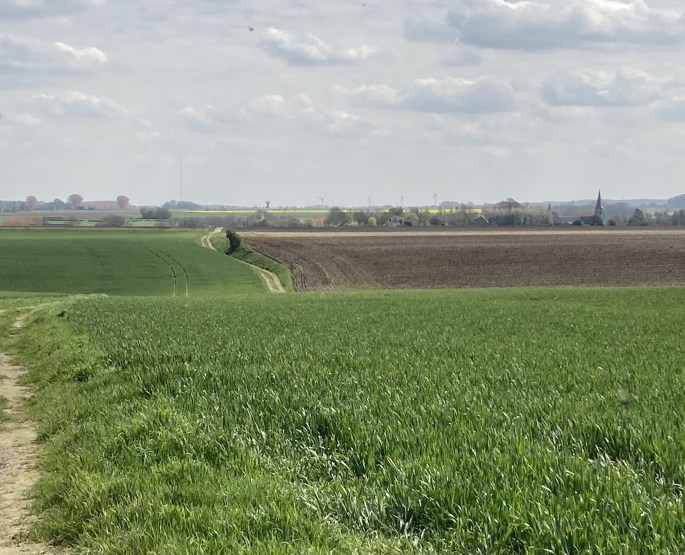

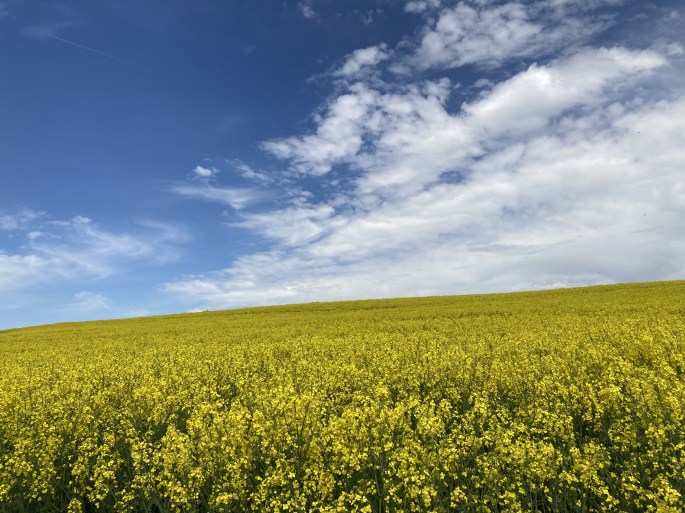
As I walk in and through the valley of the Somme, the landscape is green, yellow, brown, blue in all shades. Most of the times the trail invites walking; sometimes the trail simply says “walk through these water puddles.”
This flat land is part of the great European plains extending from northern France to Poland. There are some rolling hills, some ridges, some small pockets of forest, some small streams and narrow rivers. From Norte Dame de Loretta, I could see the port cranes of Calais and Dunquirk both probably 20 miles away.
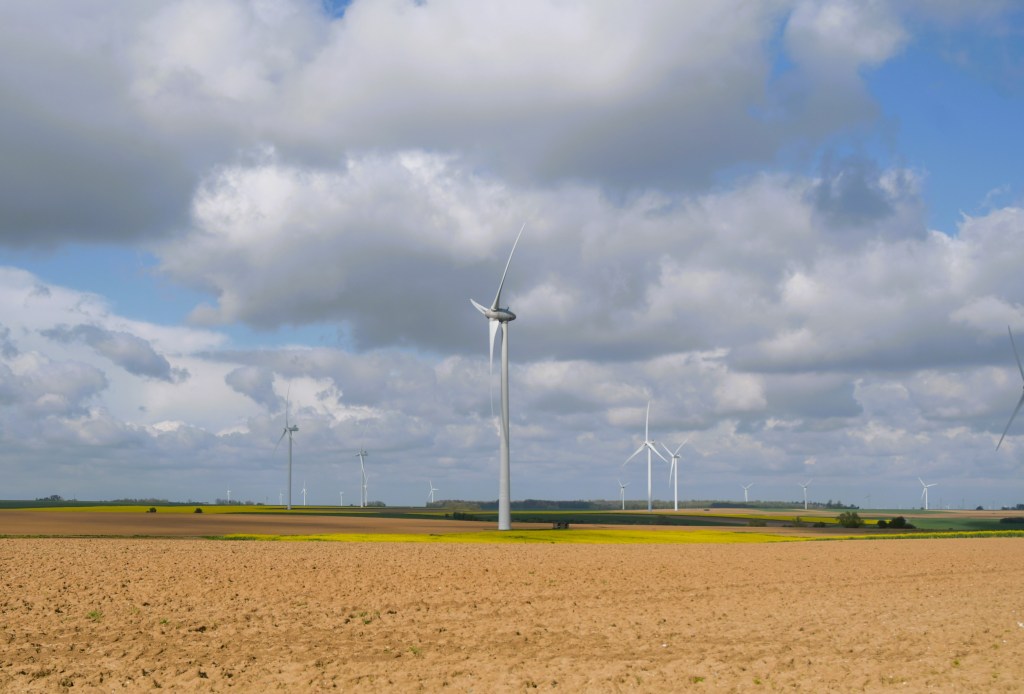
As I walk, I see farm after farm. Fields of cola (rapeseed) to make canola oil, fields of potatoes, fields of other grains. I see small villages with red brick houses, and the village tall-steepled Catholic Church every 3-4 miles. I can’t help but see the gigantic communication towers, the squatty concrete water towers, the slow-moving blades of wind turbines, and the arteries of modern life, the tall pylons and electric wires high above where I walk. There were flowers and shrubs everywhere!


But there was much, much more.
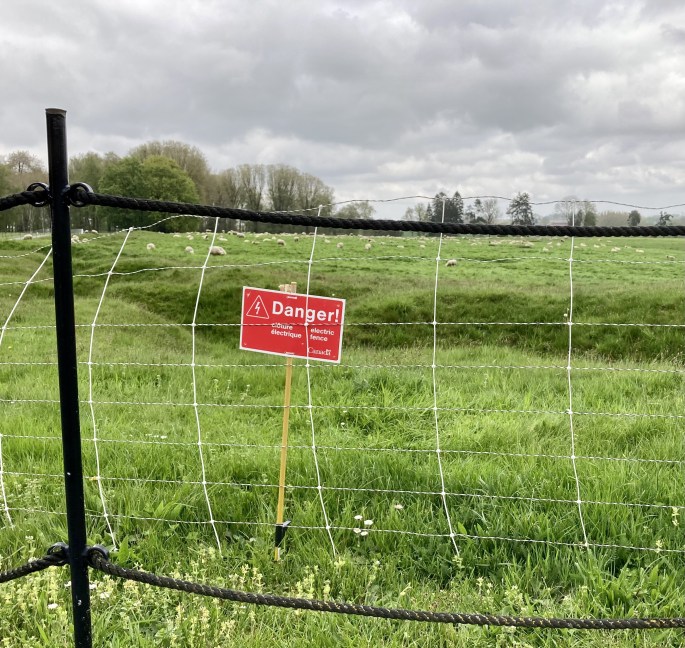
Very few people would correctly guess what happened in these 40 miles that I’m walking. The fenced areas could be simply to keep the cows and the sheep confined. The very narrow, zigzagging gashes in the land could be just a small ravine carved by rains. A field heavily dimpled with 5 foot depressions, the occasional 30-50 foot crater or “sink-hole”, are harder to explain. Besides those small pockets of trees, there are especially stands of pine trees, not typically grown in this region. Of course, I’m referring to the scars of World War I which still exist.

The land hides its secrets. There is the “Iron Harvest” every spring when farmers uncover the wars bombs, weapons, and helmets which are then collected weekly by military personnel. There are the 400 cemeteries, from very, very small to the ones that cover acres. There are the village memorials with their list of French fallen. There is even a large gutted structure left from those days as a reminder.
The land is resilient. It has allowed those who returned to this region to pick up life again. The land is to fertile; the land is to important for growing more food crops.
The land hides its secrets well.
 Journeys: Explorations in Body, Mind, and Spirit