
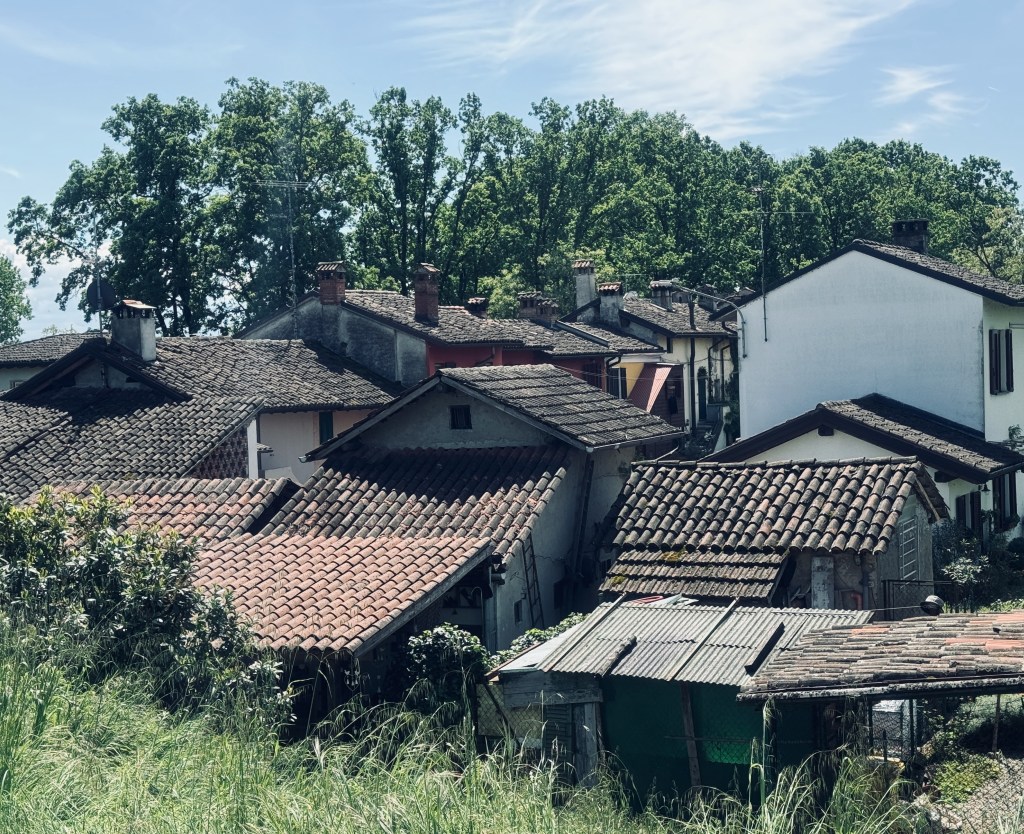
Not every building Is a religious structure. Here are a few more photos of other buildings that struck me.
In Pavia as in Sam Gimignano, there are extremely tall towers. In the Middle Ages and later, families used these to project wealth and status. These towers also provided protection, even protection from their neighbors. So much for security fences. A threatening family to surrounding neighbors might find their tower torn down. Apparently some of San Gimignano’s towers were rebuilt in the twentieth century. Why then?
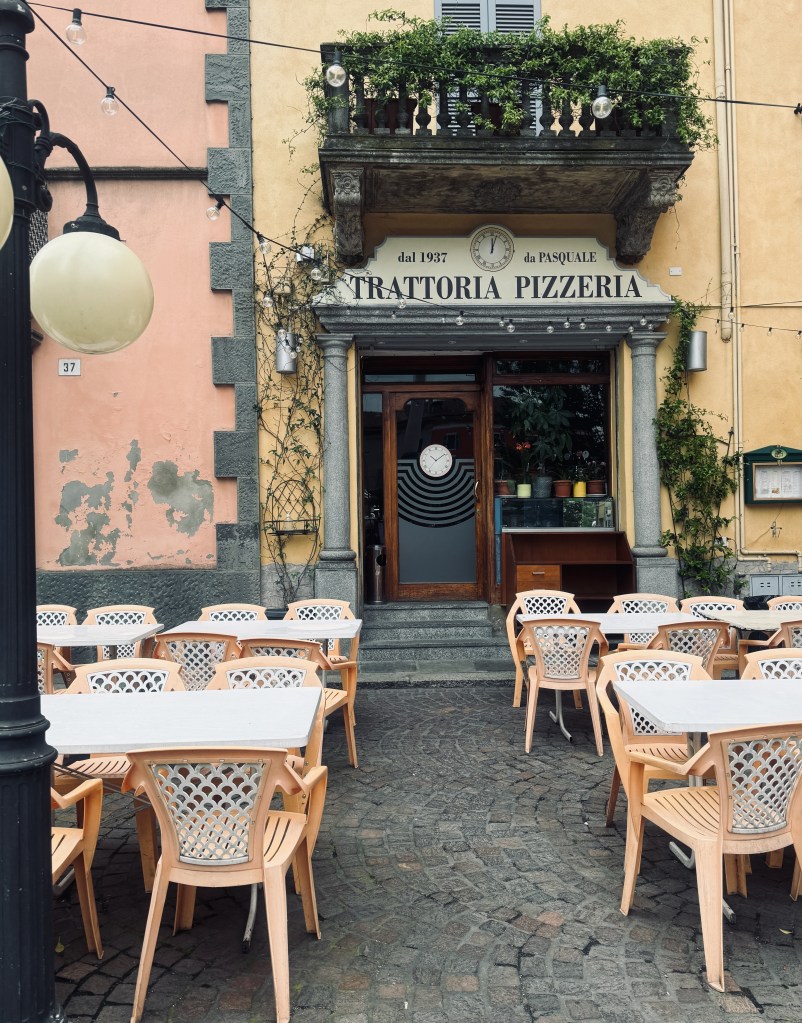
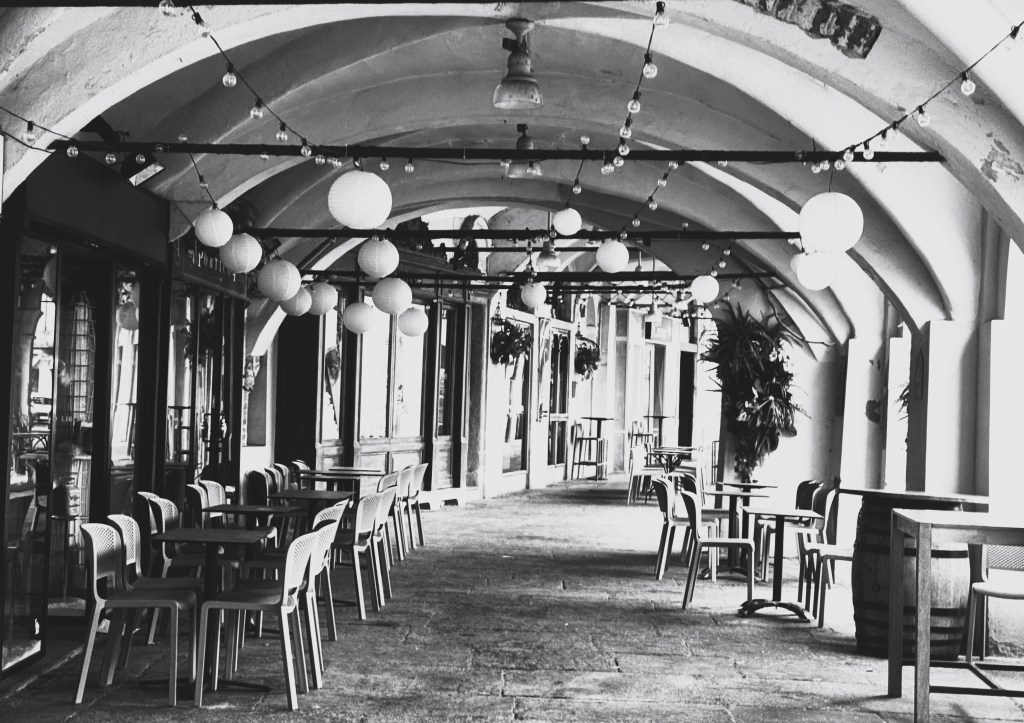
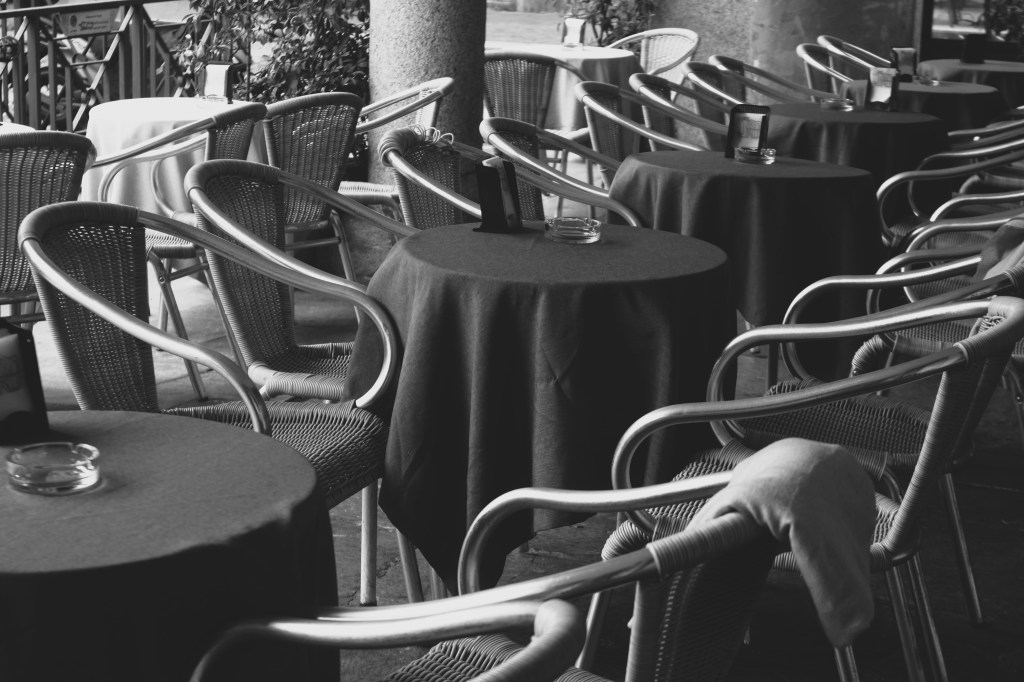


Every large Renaissance city had a major piazza. Palaces were built on the piazza which showed who was “top dog” in town. The architecture and ornamentation is wonderful. Of course, I’ve enjoyed a few coffees and afternoon spritzers.
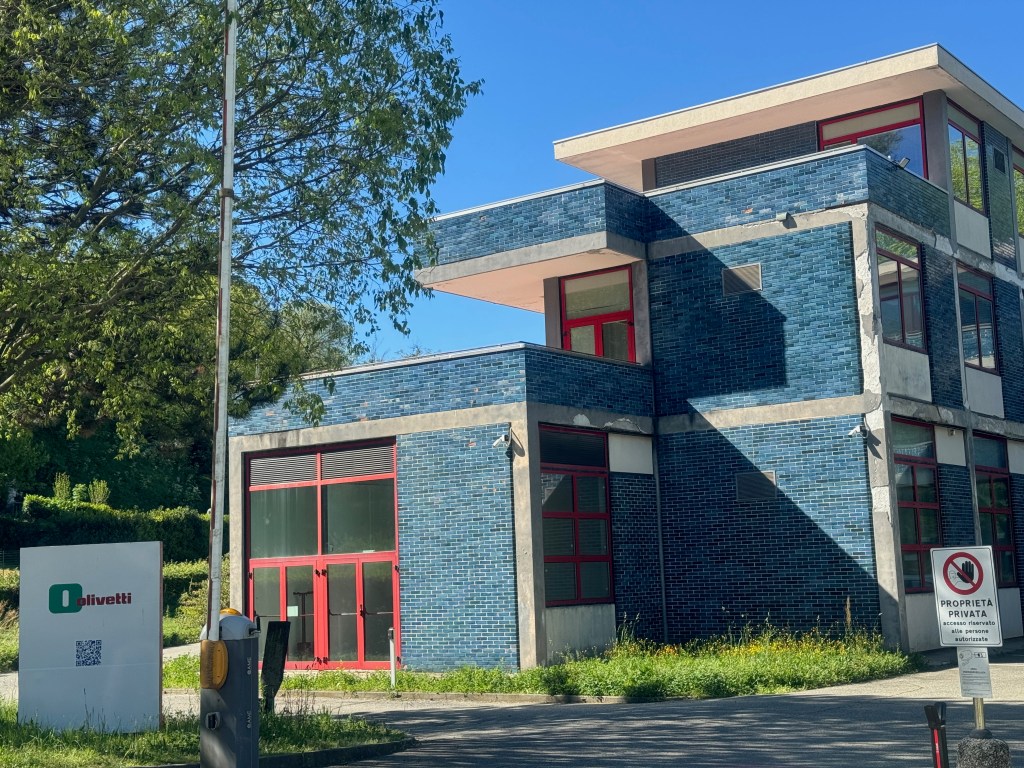
Jumping to the twentieth century, Ivrea became the home for Olivetti typewriters. While it couldn’t compete with American based Underwood, Olivetti not only became a large corporation, but a socially aware company. Before breaking with the Mussolini government, it built employee housing and a dozen other buildings using modernist architectural principals such as abstract design, utilization of “modern” materials such as concrete, open and transparent windows and facings, and an attempt to blend buildings with the environment. Having visited Chicago, Olivetti was familiar with Frank Lloyd Wright and admired his philosophy.


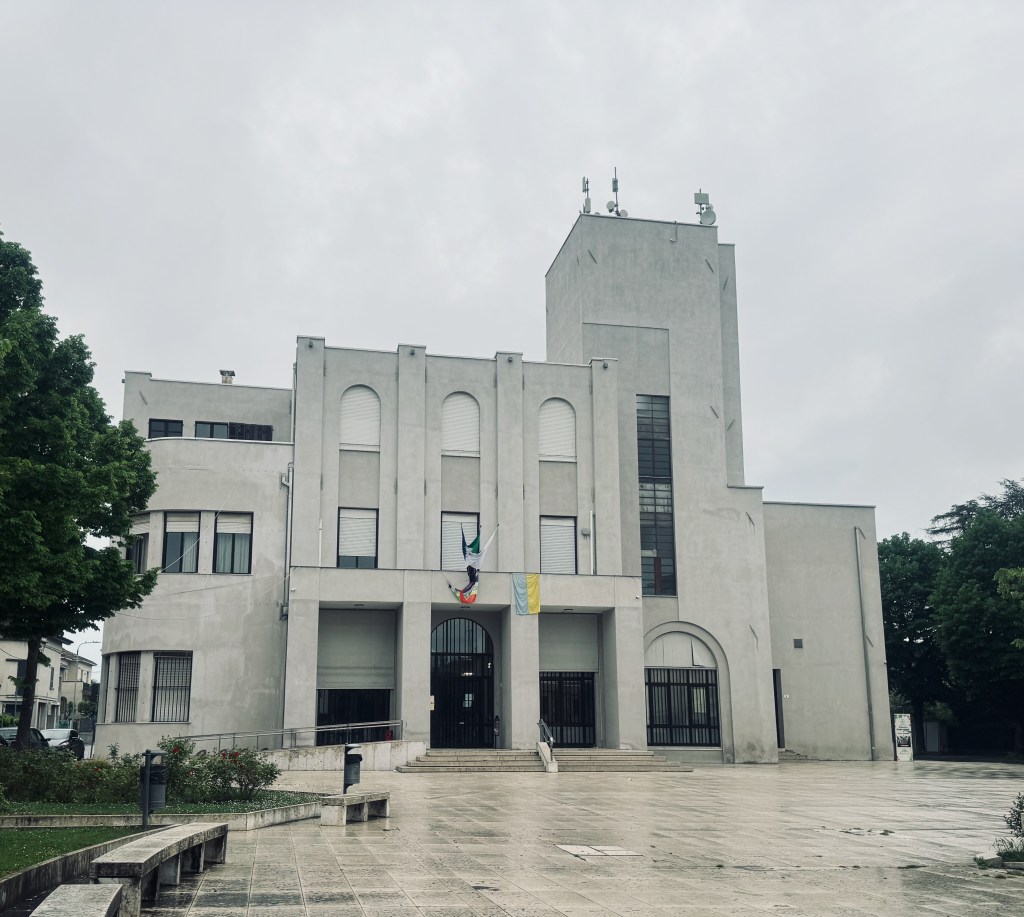
Regarding modernist architecture, while in Medesano I asked a priest (?) where I could find a stamp for my credential. His response: “Go to the fascist building on the square, the one with the tower, maybe they have one.”
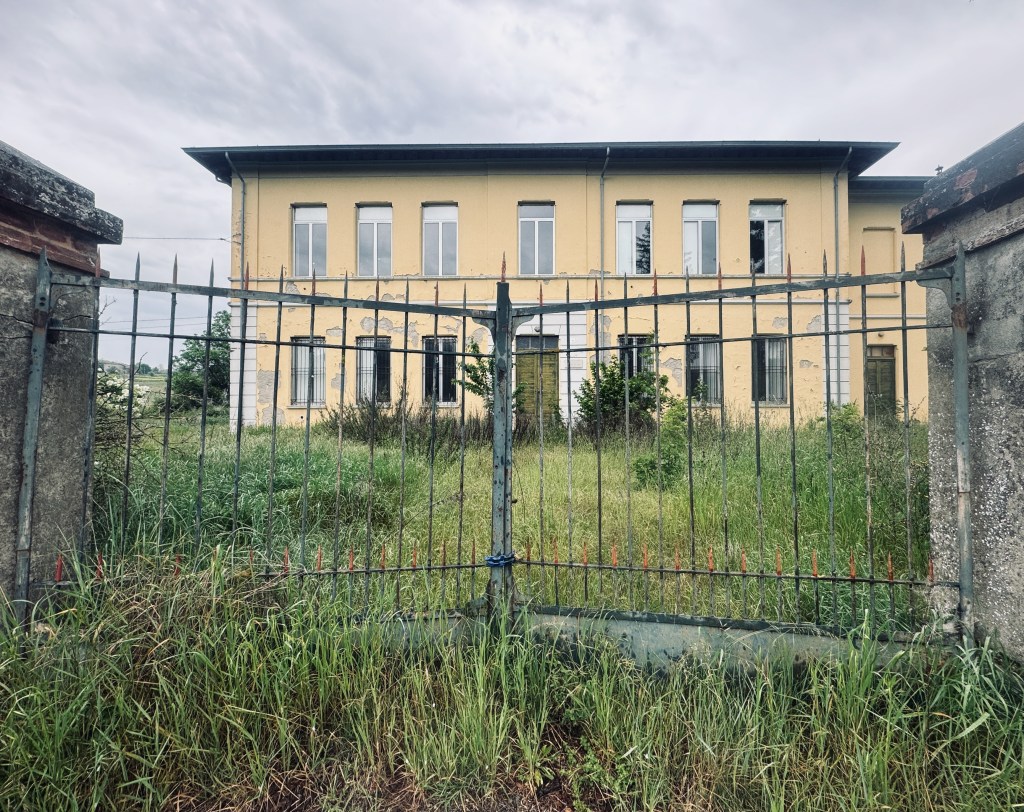
Finally, while walking, I see both dilapidated farms as well as large, rather ugly, modern farm complexes. Just like in the Midwest.


Nothing shows the passage of time as the evolving structures humans build.
 Journeys: Explorations in Body, Mind, and Spirit