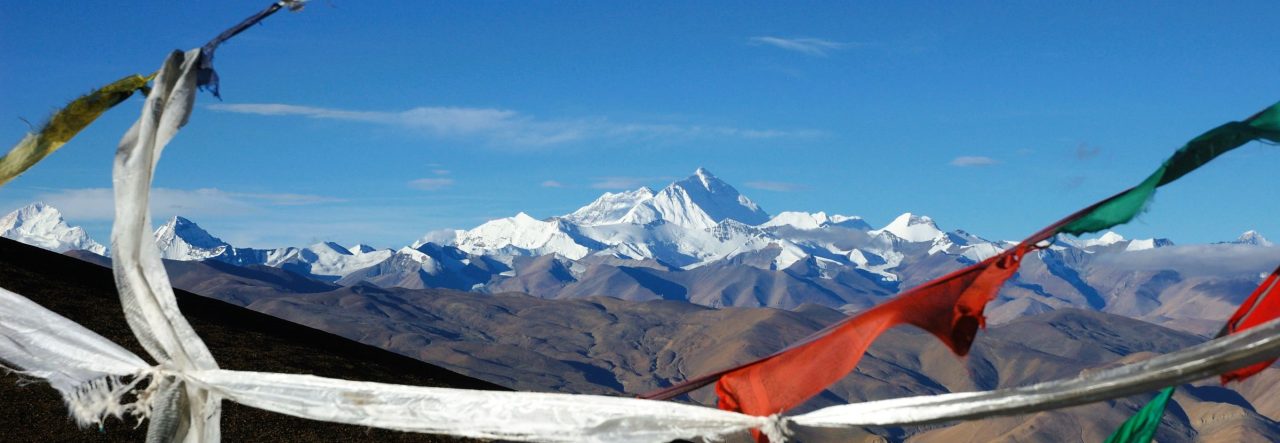
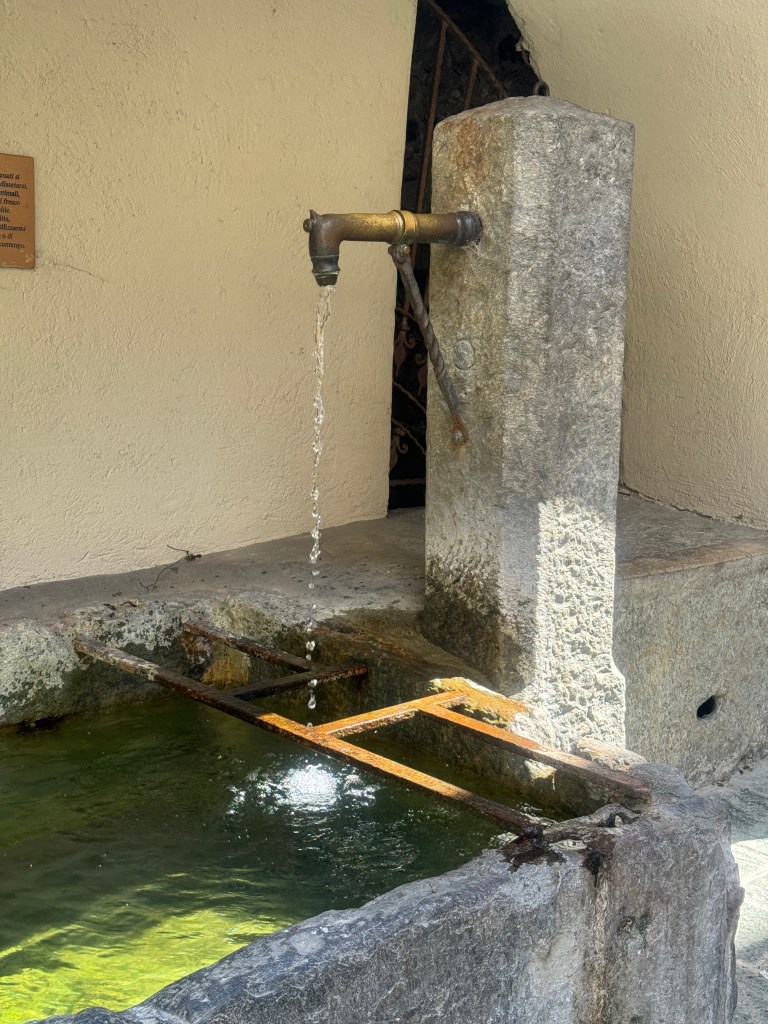
I need water as I walk. My skin, muscles, heart, and my plumbing system simply will not work without water. Isn’t our body composed of 60% water?
At home, I take water for granted. If thirsty, I pour myself some filtered water from the fridge. If the hydrangeas or native azaleas need water, I turn on the outdoor faucet and pull the hose from plant to plant. Conversely, if there is a morning thunderstorm, I postpone my walk, and have another cup of coffee. No big deal.
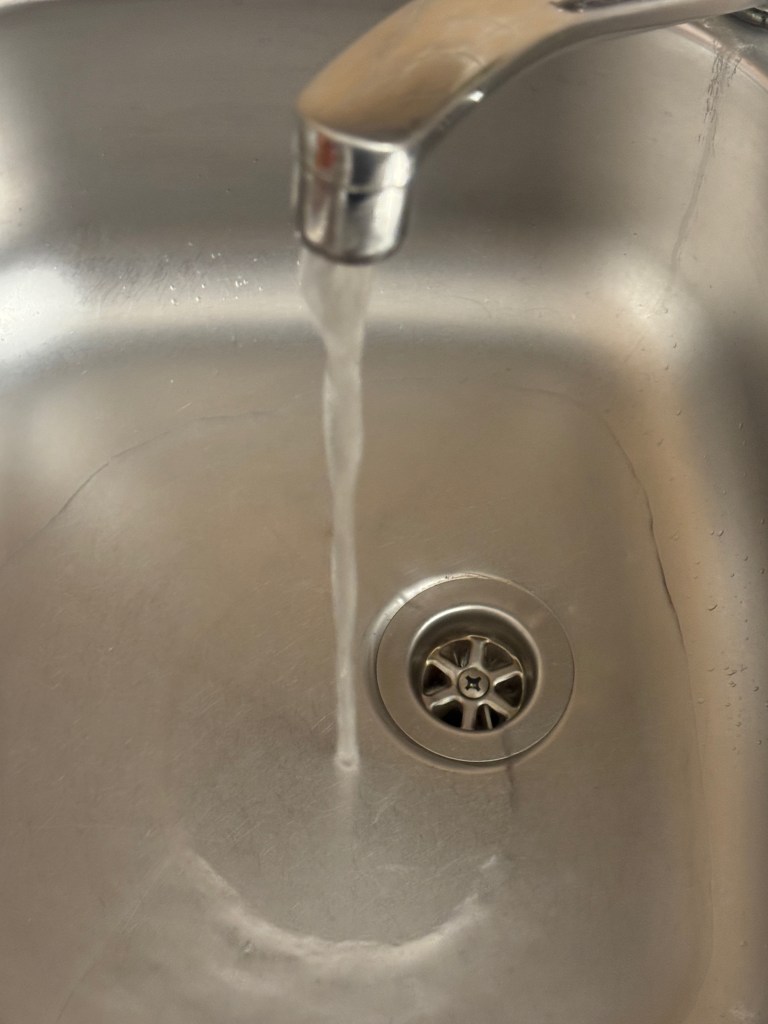
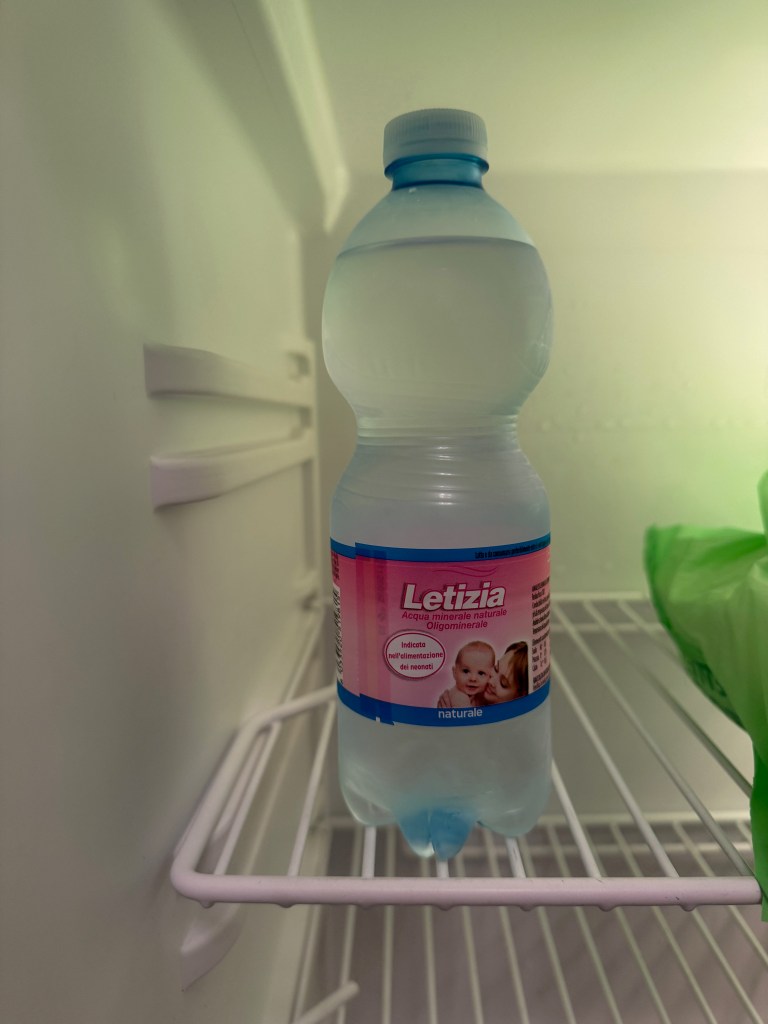
On this pilgrim’s walk, I pay attention to water. Is my pack’s water bladder full? Is my Nalgene bottle in my packs side sleeve? Do I need an extra plastic water bottle for the day? Regrettable because I’m adding to our plastic pollution.
Some of you may recall one of my posts from last year. My first questions as I walked into my room for the night weren’t the following: “is the bed comfortable?” “Do I have towels?” “Is there a desk or easy chair?” My first question was always, “where is the electrical outlet?” I needed to recharge my iPhone, my iPad, my iwatch, my Nikon battery, my emergency battery bank. I, you, have a hard time living without electricity. None of us are “off the grid.” Electricity is elemental to our modern life.
Water is even more elemental. While I need electricity for my external “necessities,” I need water for life. I need water to complete this pilgrimage. I and other walkers need to avoid dehydration.
Even if water is all around us, we might find that water undrinkable.
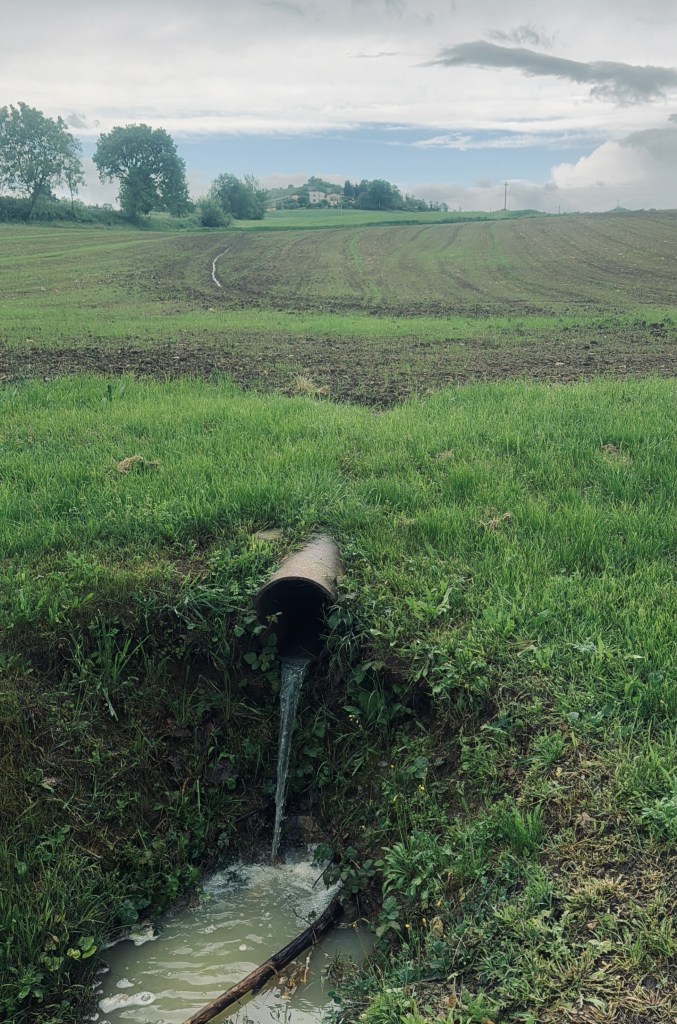
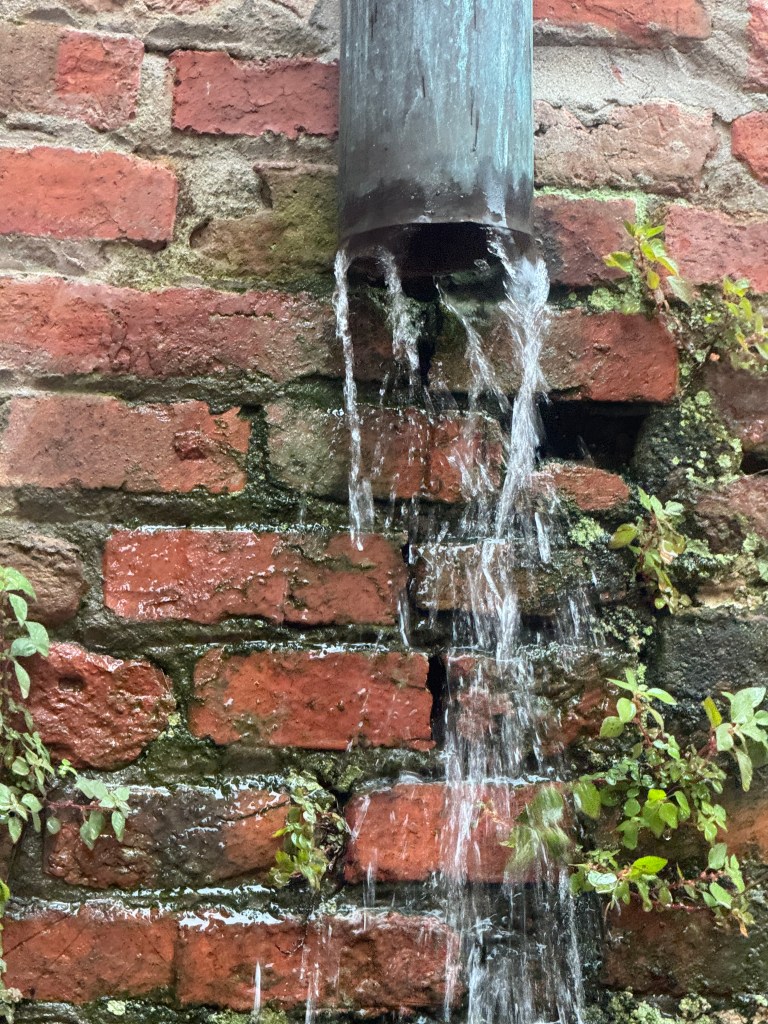
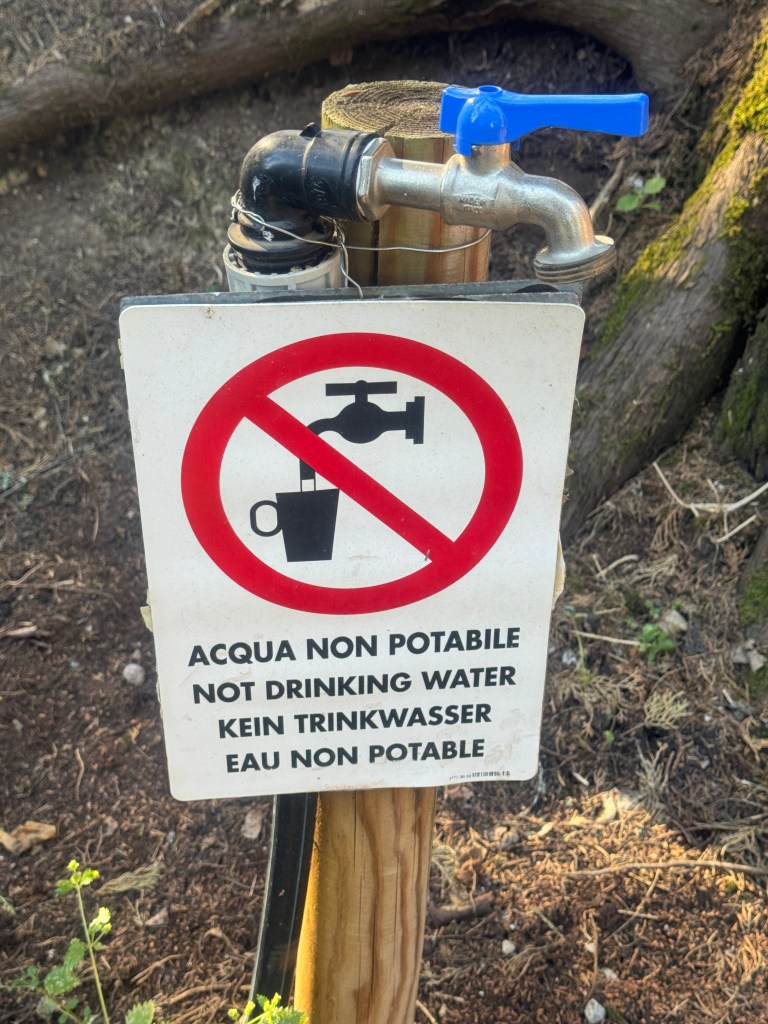
The village hand- pump, just like the outdoor pump from the door at grandma Jones’ Lowder home; however, its water is non-drinkable.
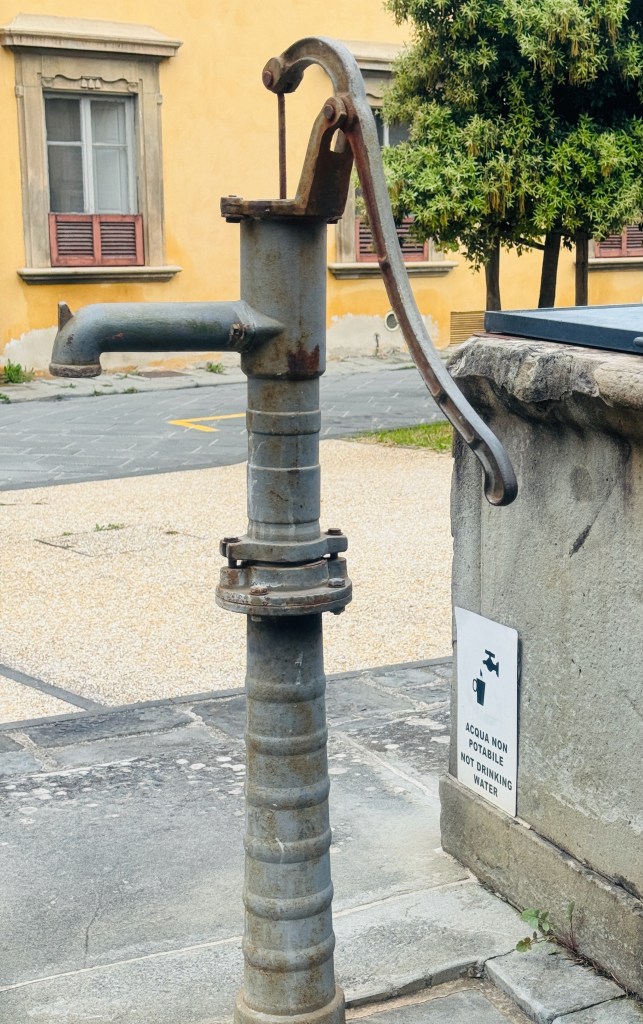
Although I try to hydrate the night before, drinking sparkling and natural water at dinner, and I try to be self-sufficient, there are times I run low on water or times when I want cold water to quench my thirst. At those times, I must rely on others. Sometimes I’m tempted to drink water from a village fountain, but I never do if there is no sign posted. If there is a sign posted, then I might drink the water.
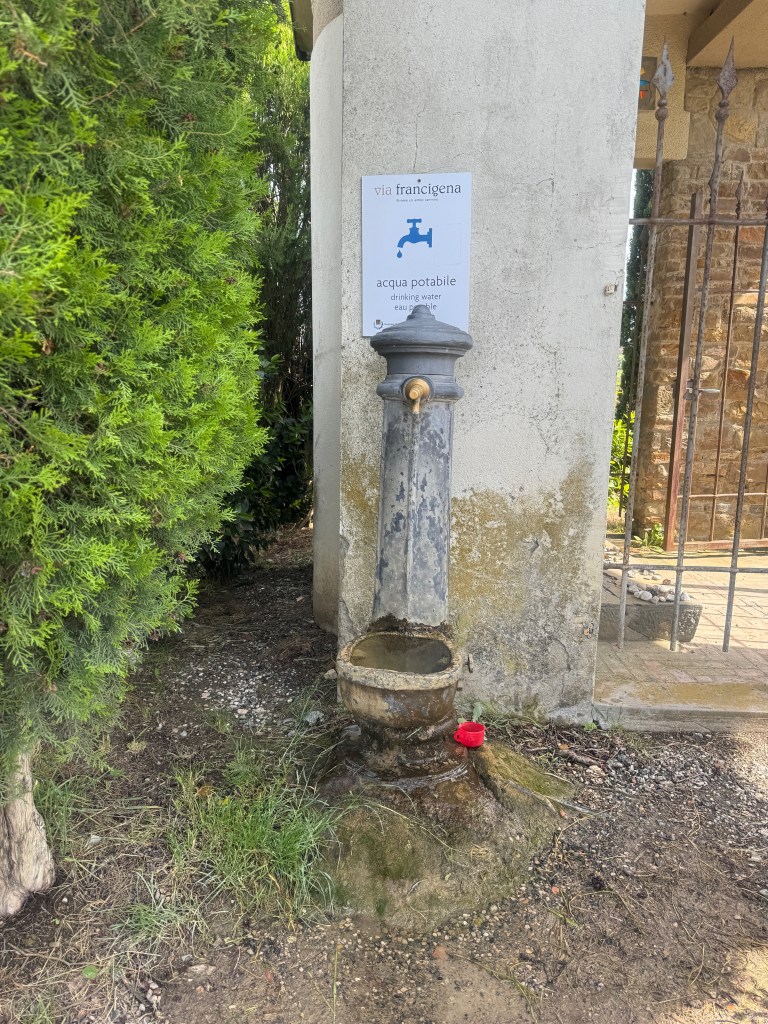
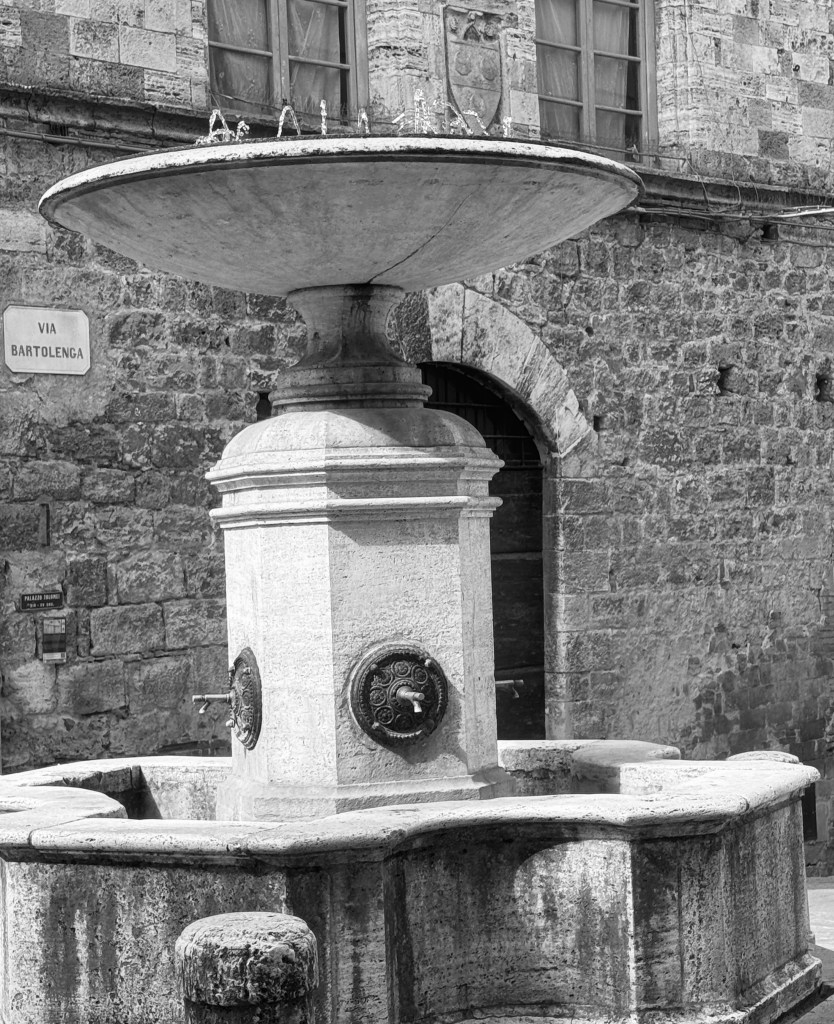
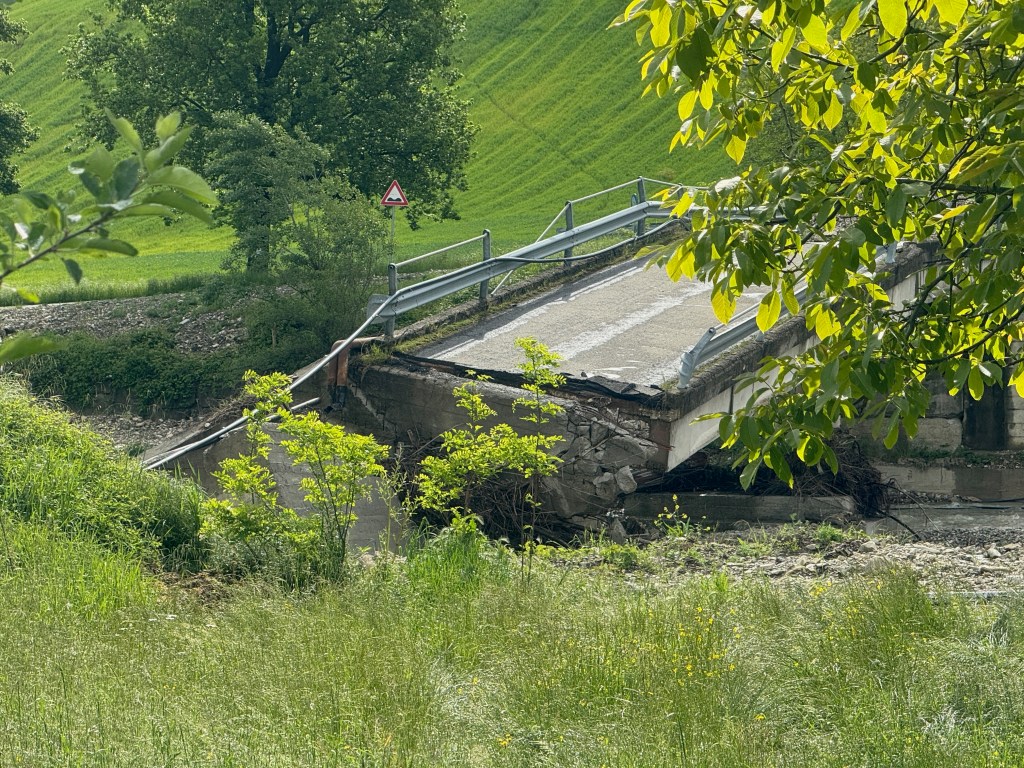
As elemental as water is, water also has other dangerous associations besides being non-drinkable. I’ve mentioned the occasional rain during my first two weeks, a sometimes hard and cold rain. I was fearful of making my chest cold worse. I’ve mentioned both slipping and sliding through miniature lakes on the trail, and crossing this stream on these rocks with water later sloshing in my shoes for hours. I’ve shown a photo of a modern bridge washed away because of a river’s force. Water as elemental can be destructive.
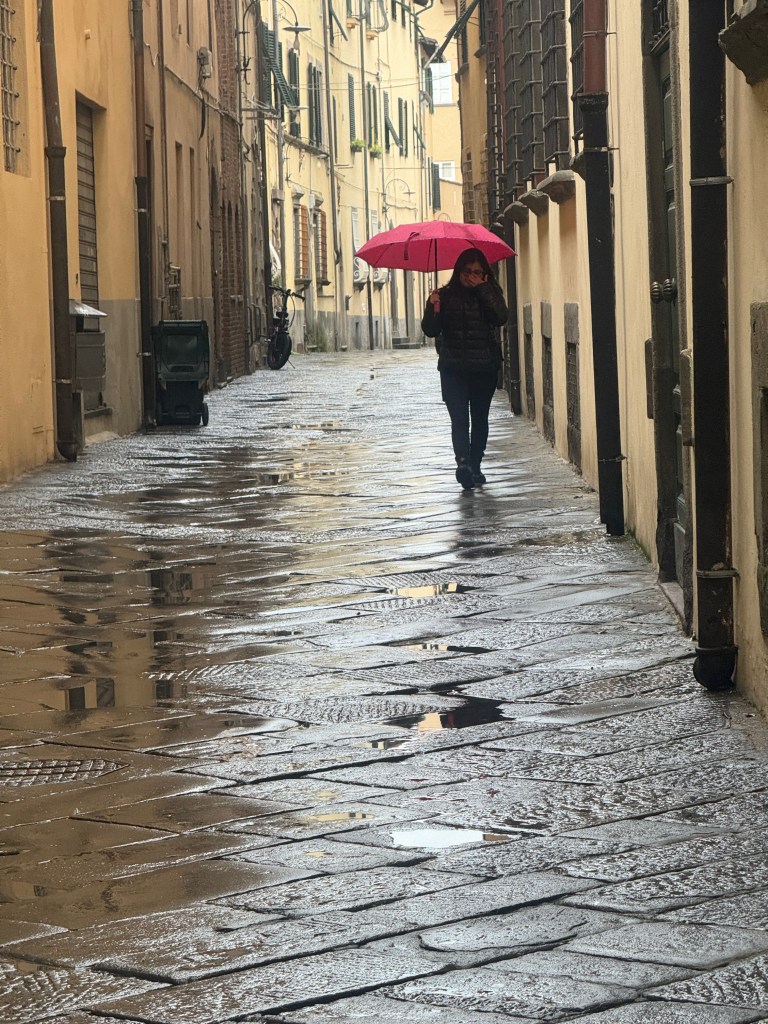
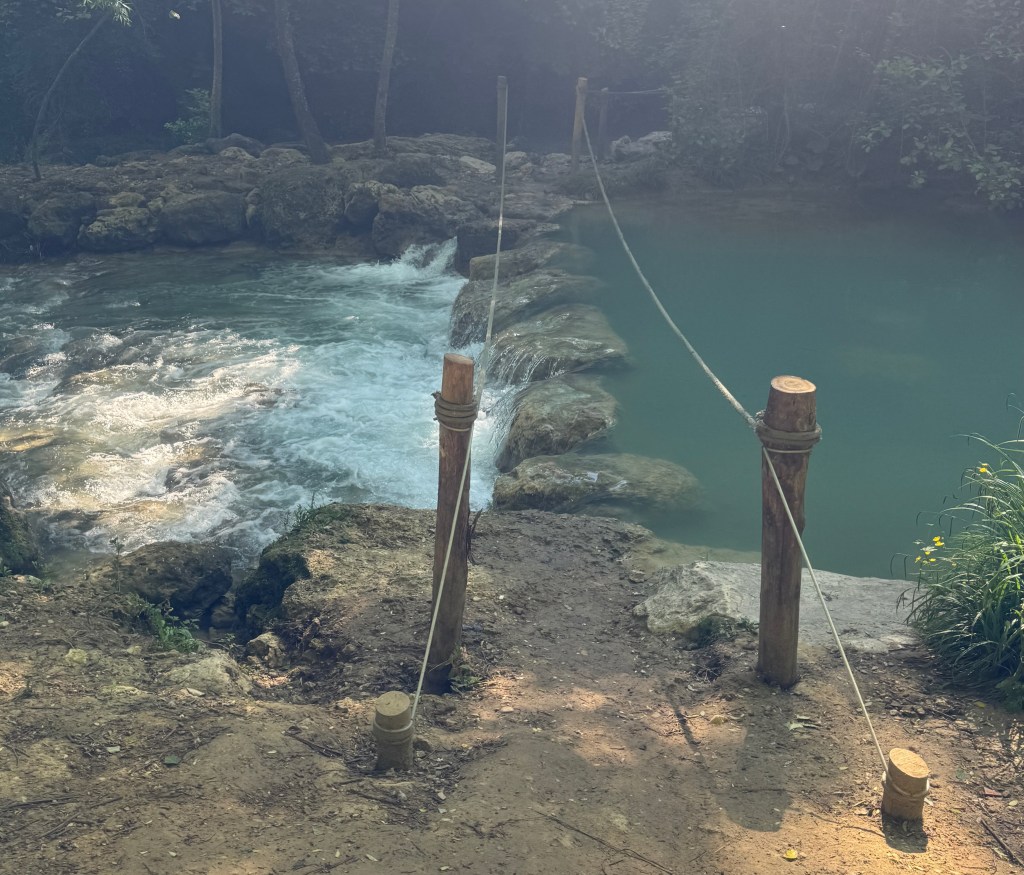
The ancient writers knew the elemental nature of water. Water as necessary for life; water as destructive of life. In the first Psalm words about a “Tree of life planted by streams of water” or later “save me from the waters that encompass me.” The ancient writers knew the power of symbolism. “My flesh longs for you in this dry and thirsty land.” These ancient writers in Psalm 104 and other psalms even pushed back to the story of life’s beginning by imaging creation as the overcoming of water as death and chaos.
So many other ancient writers turn to this symbolism. From the beginning until the end of the collection. Out of Eden, a river of life flows. Out of a new Jerusalem, a River of life flows. So many other ancient writers in between, such as two men standing in the Jordan River.
Sometimes I need to be reminded; sometimes I need to feel the reality of water as an elemental feature of life. Sure I want and need electricity, but I really, really need water. Water in its life-giving, life-preserving form.
 Journeys: Explorations in Body, Mind, and Spirit