

“Keep the water on your right.” A wise reminder! That is the wisdom for those of us hiking the South West Coast Path from the north to the south.
Growing up, I was not around water very often. My brother Chuck probably remembers better than me our boat ride on Lake Michigan or our family beach strolling at Biloxi strolling on the Gulf of Mexico. I remember Lake Springfield where friends like Paul had a motor boat and a canoe and Mike who had a small sailboat. I remember the three of us in Paul’s canoe paddling like hell to reach the safe eastern shore as a storm with lightning quickly threatened us from the west. Taking a canoe out on that summer afternoon was not one of our brightest ideas.
Not having “the sea in my blood”, I find walking along England’s southwest coast fascinating. I’ve walked almost a hundred miles along the Bay of Bristol, second only to the Bay of Fundy for the height and force of changing tidal waters. I’ve walked almost a hundred miles along the Atlantic Ocean, with only the ocean separating North America from me. So much to notice. The beauty of sea and land, of sharp cliffs and pounding waves. The human interaction with the sea through fishing, through artists such as the St. Ives colony of artists. More on the human interaction in another post.
For now, I’m struck by the indifference of the sea to human life. Maybe the photos, videos, and stories of Hurricane Helene afflicting devastating suffering and death from Florida to Tennessee has triggered my thoughts and feelings here. Whatever the cause, I’m struck by that primal power of water, beyond moral appraisal; water, while necessary for life in general, is completely inconsiderate for any life in particular.
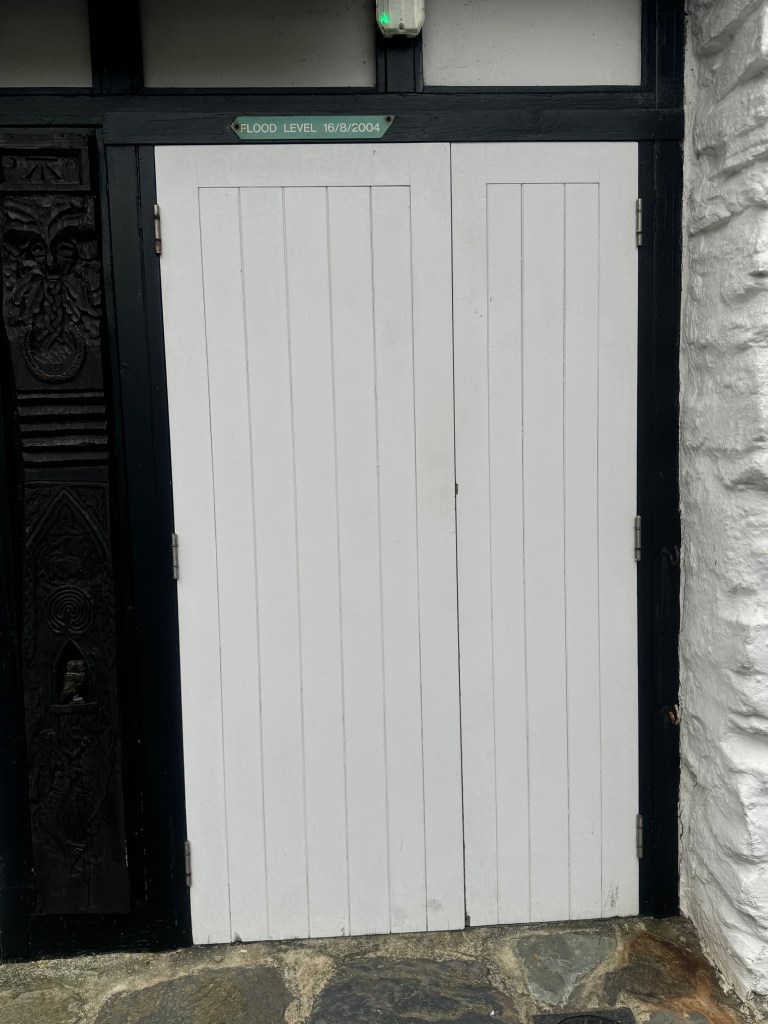
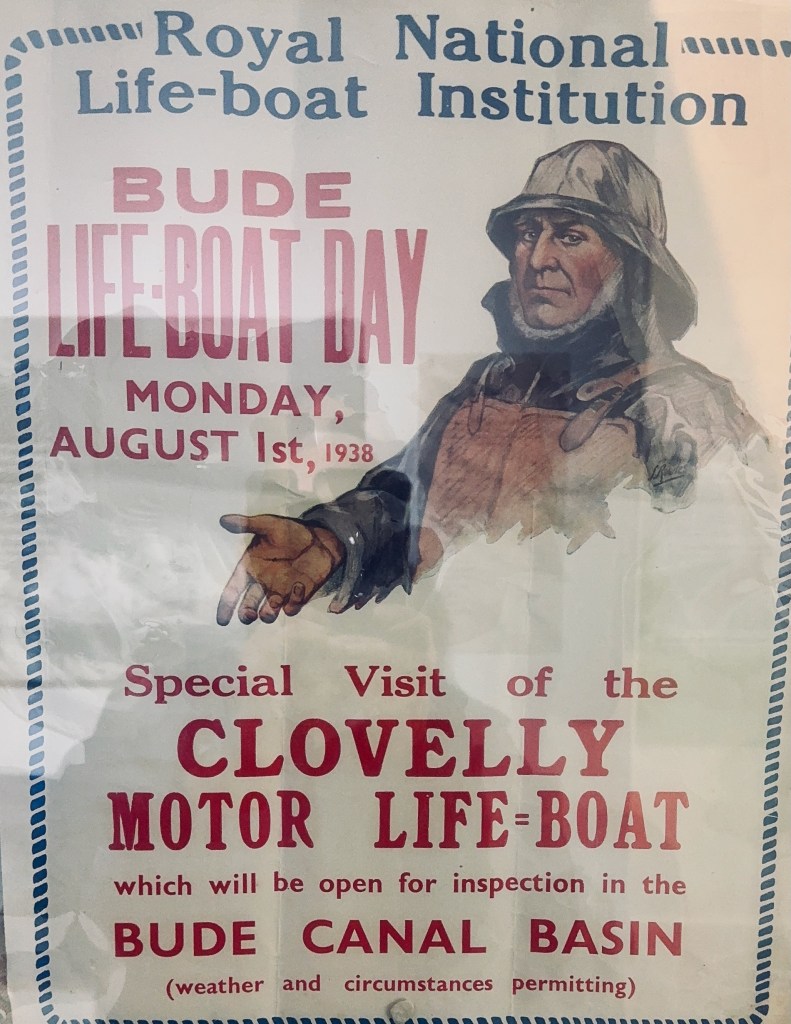

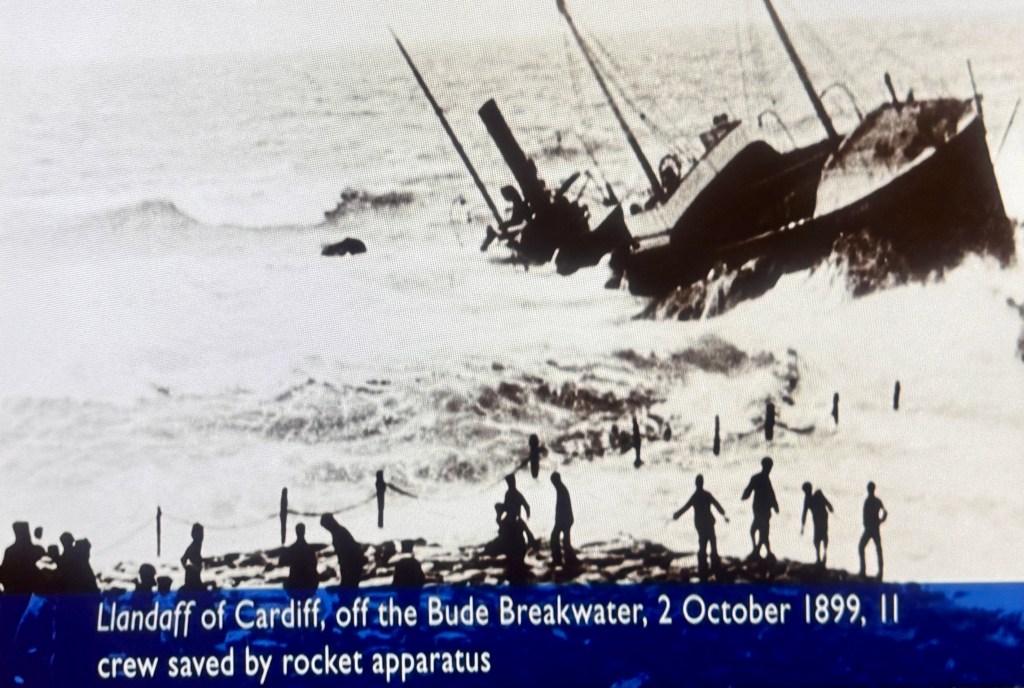
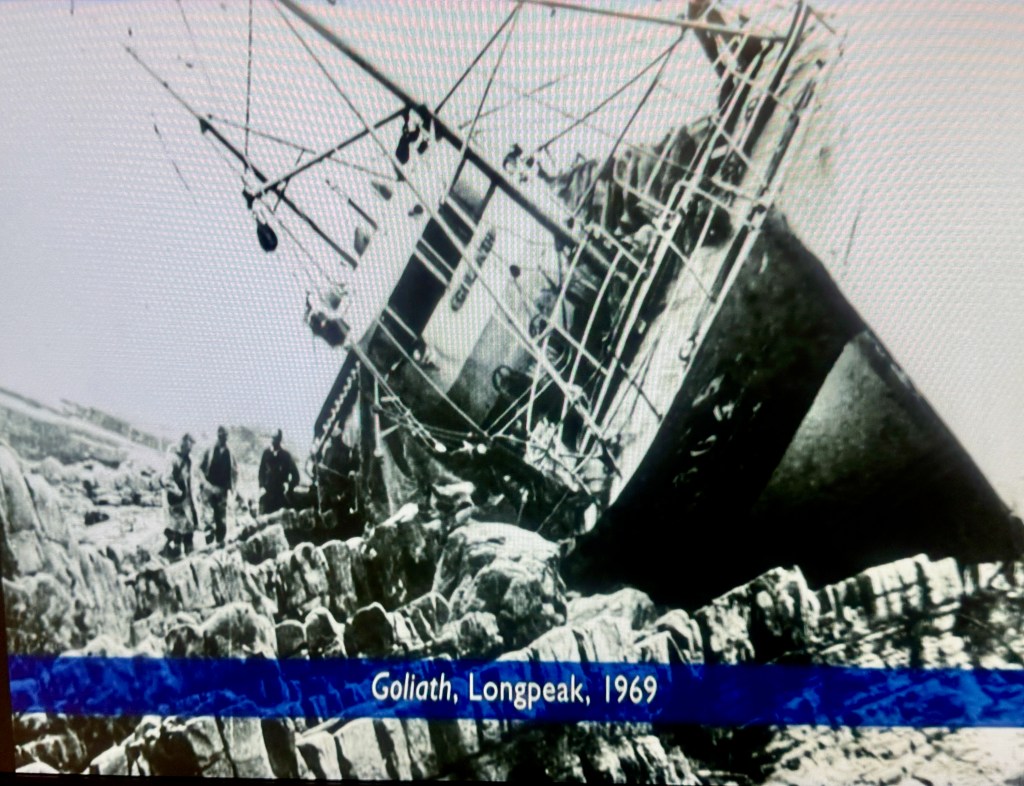
In village after town, I read stories of floods; I see memorials to victims; I photograph high tide markers. In every small museum I visit, I’ve learned to expect displays about the nearby shipwrecks. Sadly, I read about courageous lifeboat crew who set out to rescue folks, but who perished in the effort. The sea didn’t and doesn’t care.


Back home in Atlanta, a thunderstorm, a street flooding, is an intrusion of manageable proportions for me. These are interruptions of a sheltered and protected life. I notice “water” in my complaints about summer humidity, in the temporary drought killing our garden plants. I somehow overlook the terrifying, raw primeval nature of water.
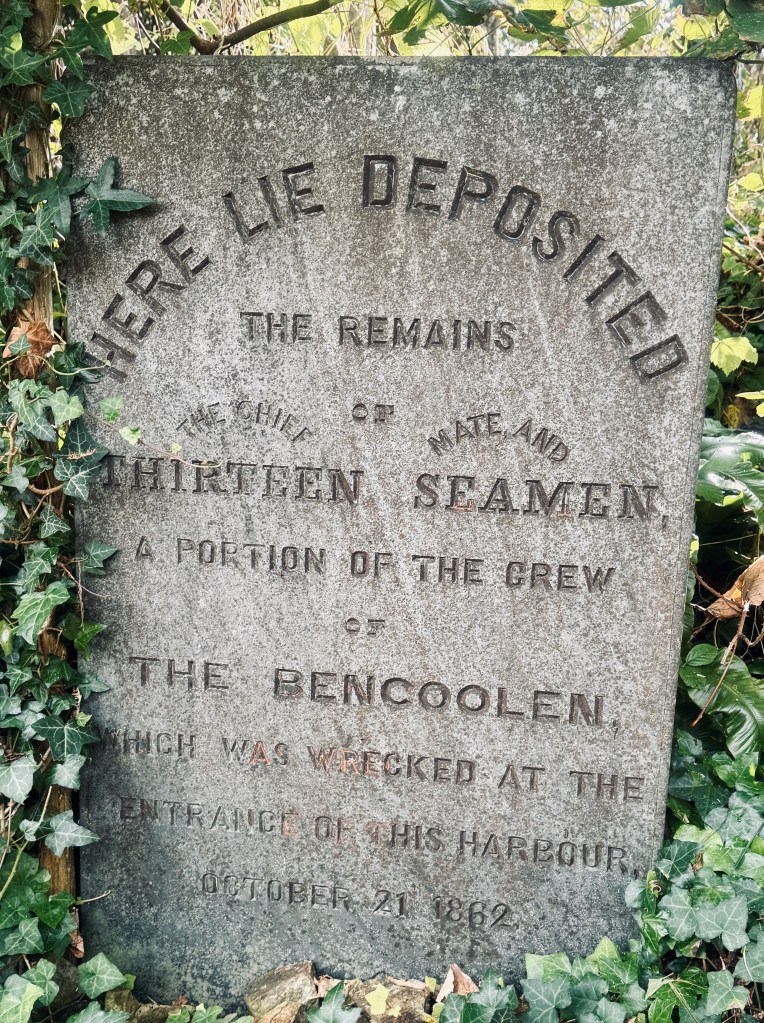
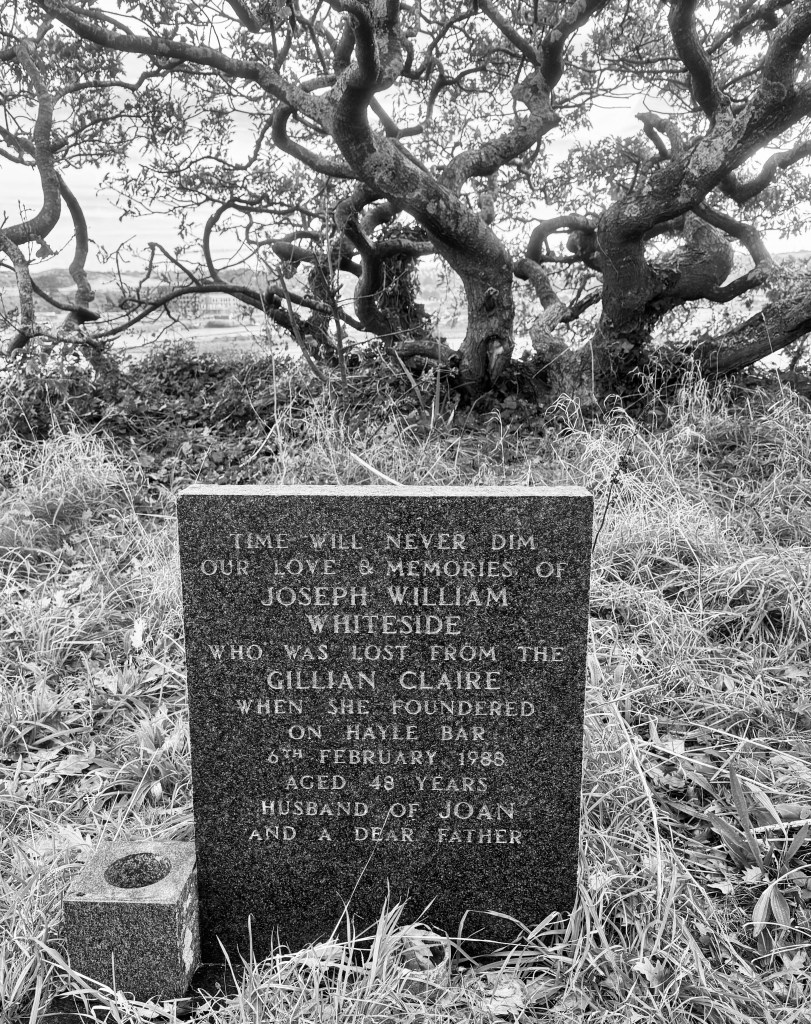
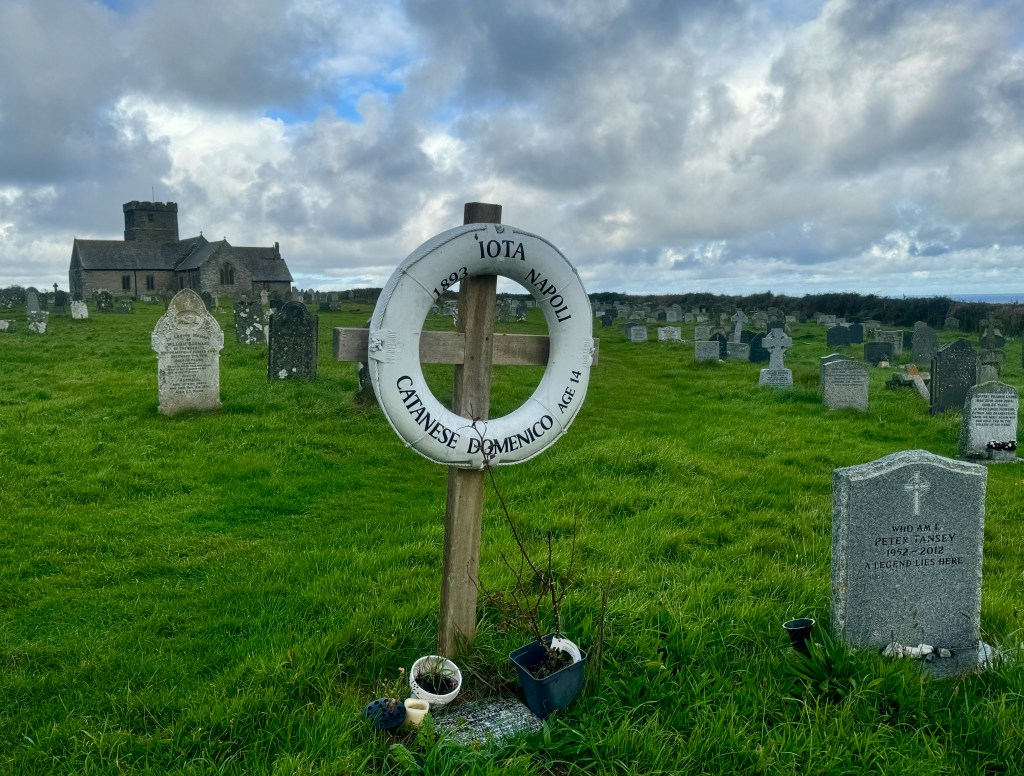

The Ancient writer was no seafarer. From a certain distance, he could write appealing words conveying the beauty of the sea, the inhabitants of the sea. “There is the sea, spread far and wide, and there move creatures beyond number, both small and great. There go the ships, and there is that Leviathan which you have made to play in the deep.”
He could write evocative words proclaiming the waters Originator. “The floods have lifted up; the floods have lifted up their voice; the floods lift up their pounding waves. Mightier than the thunder of many waters, mightier than the breakers of the sea…”
He could declare the direct vindictive purposes of the waters by that Originator. “And he saved them from the hand of him that hated them, and redeemed them from the hand of the enemy. And the waters covered their enemies: there was not one of them left.”
Originator yes; vindictive Manipulator, no. Be very, very careful here. We have, or should have, a greater degree of humility in knowing the everyday “goings-on” of that Originator. A necessary humility every day, but especially a pausing reluctance to speak, in the immediacy of pain and death, of the Originator’s manipulation of those “waters” from the sea.
If that Ancient writer had been a seafarer, then I think he might have written other words. Even stronger words about sensing the pain of others who innocently face the terror of the sea. More hopeful words for those disabled or killed by the force of the sea. Different words inspiring action to help those caught by that destructive sea. Or, perhaps, even if the Ancient writer had been a seafarer, then he still would have had to listen to others write those other words.
“Keep the water on your right.” Wise words, but not the only words. There’s more to the sea, to the Bay of Bristol, to the Atlantic Ocean, than as a navigation aid. So much more.
 Journeys: Explorations in Body, Mind, and Spirit