
Interesting Fact: every part of Cornwall is never more than 17 miles from the sea.
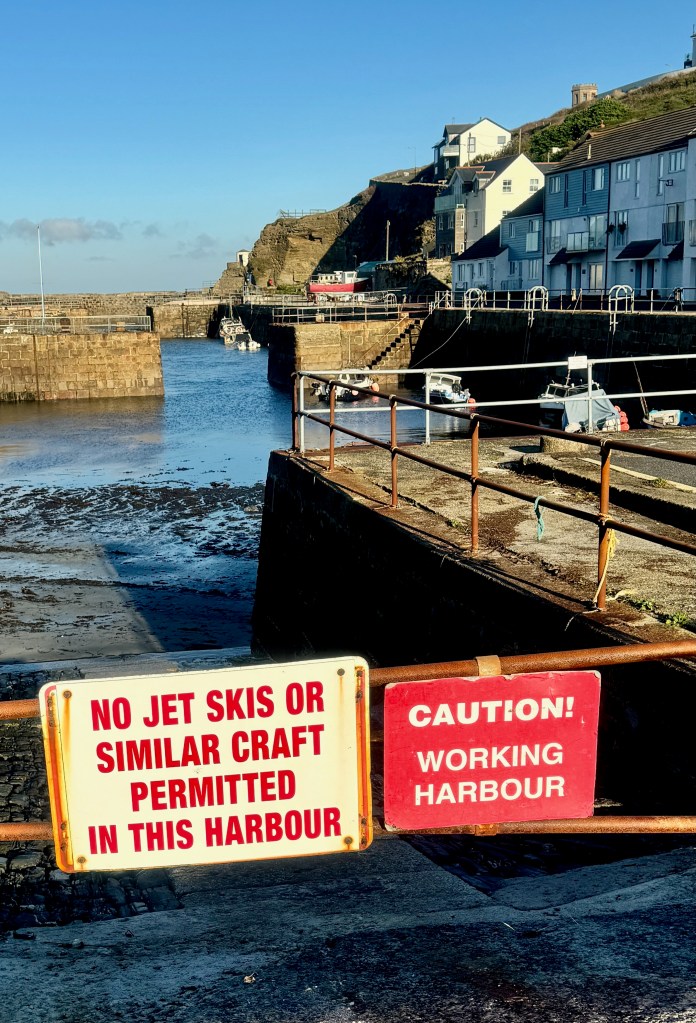


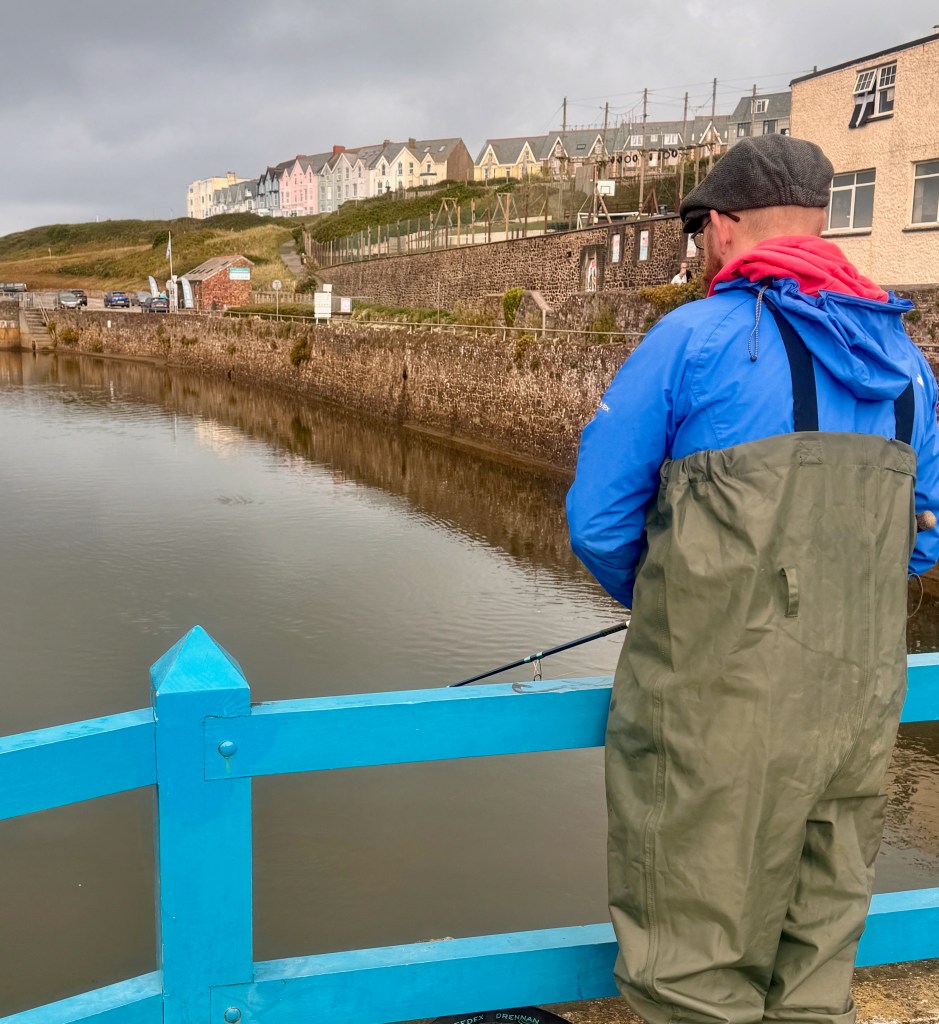
As humans, we have always interacted with the sea. Here along the Cornish coastline, there are dozens of Neolithic sites. It is no accident that these very distant ancestors lived by the coast. Besides the fields and woods providing food, the seas provided fish as food.




In general, I’m prepared for much of what I see. The fishing and the tourism I expect. Museums display old photos of harbors containing dozens and dozens of fishing vessels. Most I would consider small, but sufficiently large to go up and down the coast to pursue the fish. In particular, I learn about pilchard (sardine) fishing. This fish was so important to southwest England that towns had lookouts, “huer huts”, where a lookout kept watch for the arrival of vast schools. When he signaled their arrival, men, women, and older children dropped what they were doing in order to assure a successful town catch. Sadly, for these towns, the pilchard fishing disappeared after WWII.
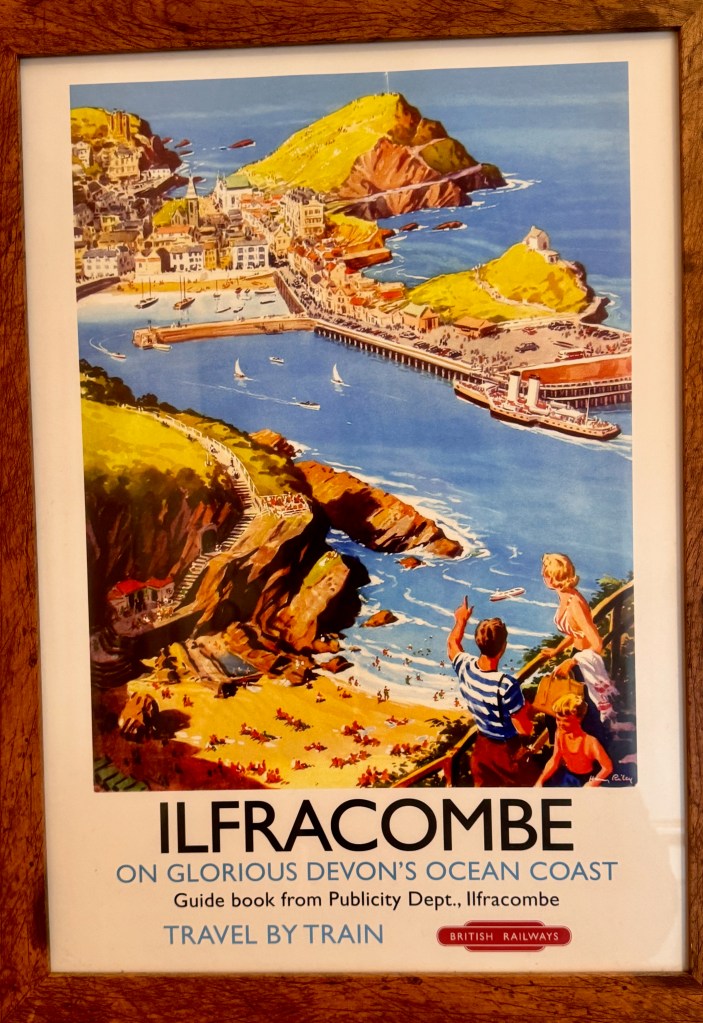
I’m prepared for the tourism. Who wouldn’t want to come to this region? When the English couldn’t go to the continent because of Napoleon and when the railroad tracks were laid in the mid-1800’s, the southwest became a tourist destination. Locals gained income; outsiders enjoyed the coastal region. In 2021, the first post-Covid G7 meeting was held outside St Ives. Even they knew a good destination.
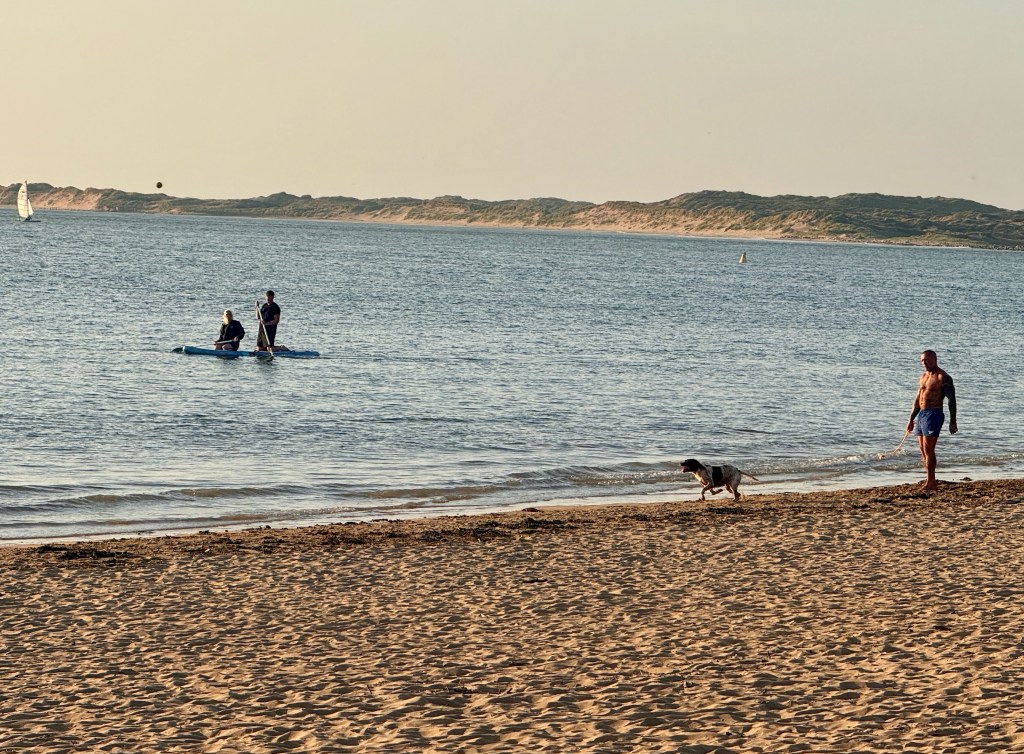
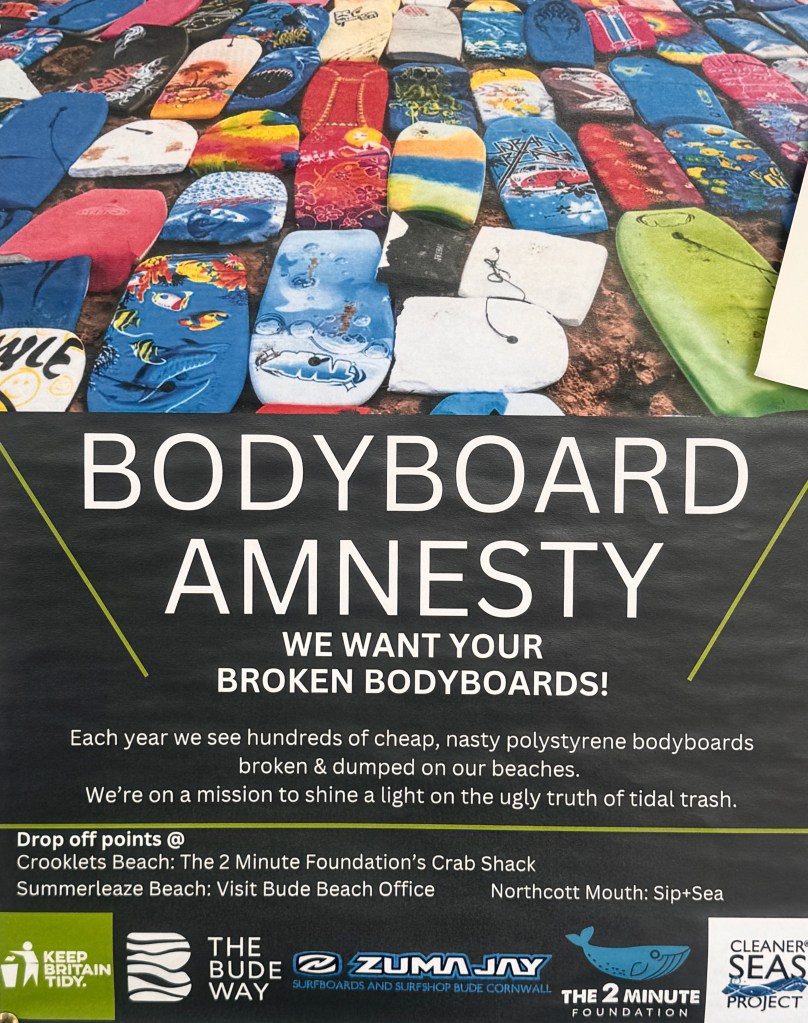
I am surprised by some of the beach goings-on. Every beach has numerous surfers. One day as I watched 20-30 young kids make their way to the beach carrying body boards, I even wondered if this was a school class! “OK kids, your third session of the day is Surfing 101.” I guess that I shouldn’t be surprised about the surfing. There are a number of good sandy beaches with sufficient ocean-size waves. I must admit that when I hear “Surfing, USA” playing over and over, I do shake my head.
We as humans adjust to our environment. We can also overwhelm our environment. In southwest England, people have learned how to make a life, a living, in this sea dominated region. In the meantime, we’ve learned how to enjoy this region; hopefully, without destroying the region.

 Journeys: Explorations in Body, Mind, and Spirit