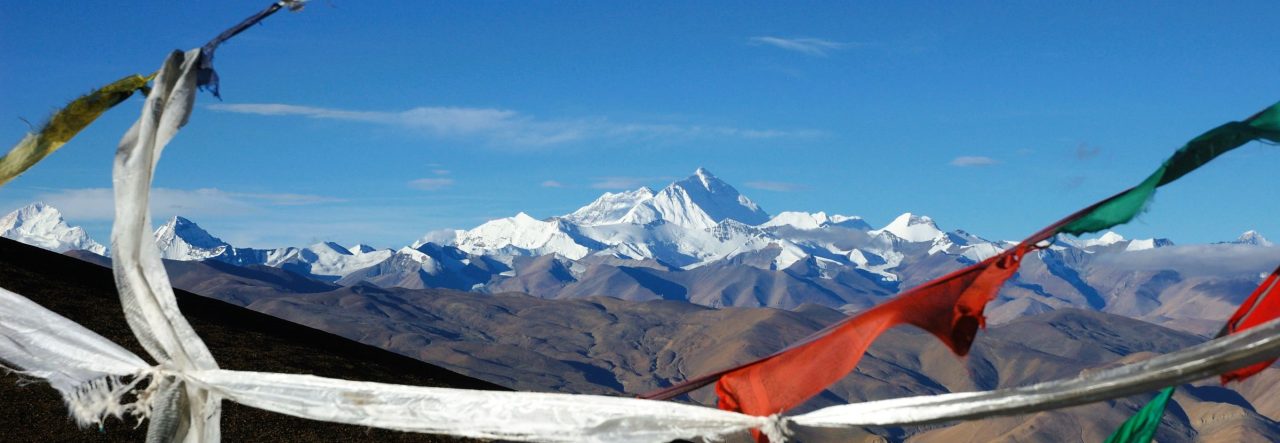
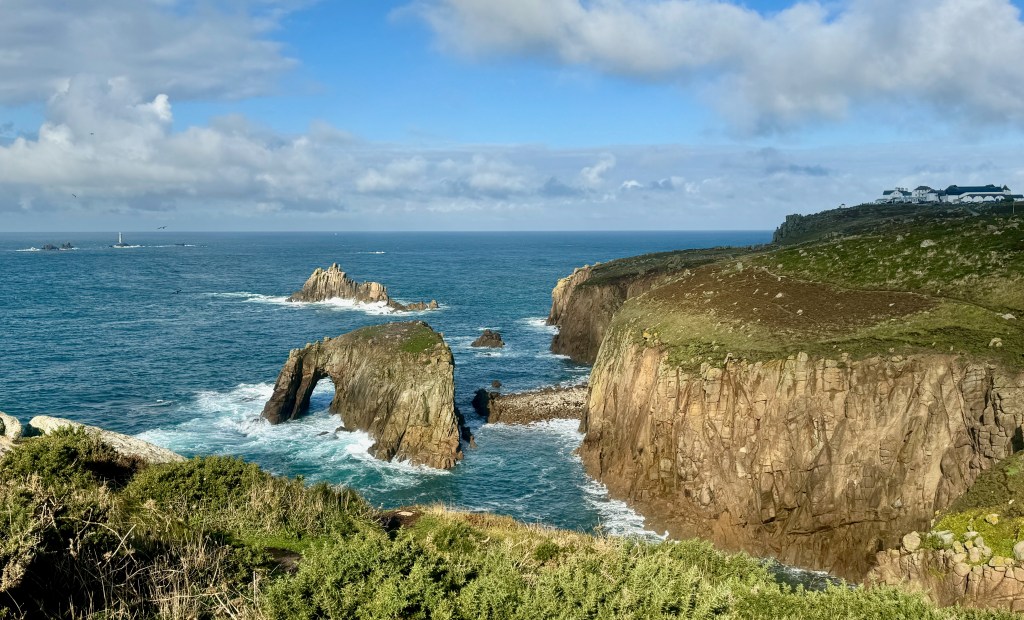
I feel them under my feet. I reach out to them next to me in order to steady my balance as I descend a slope. I see them above providing convenient handholds as I climb a steep incline.
Slow-travel allows me literally to come into contact with primeval features of earth. As I slowly walk the coastline, I come into contact with rocks that have emerged slowly, shaped slowly, ground down slowly.
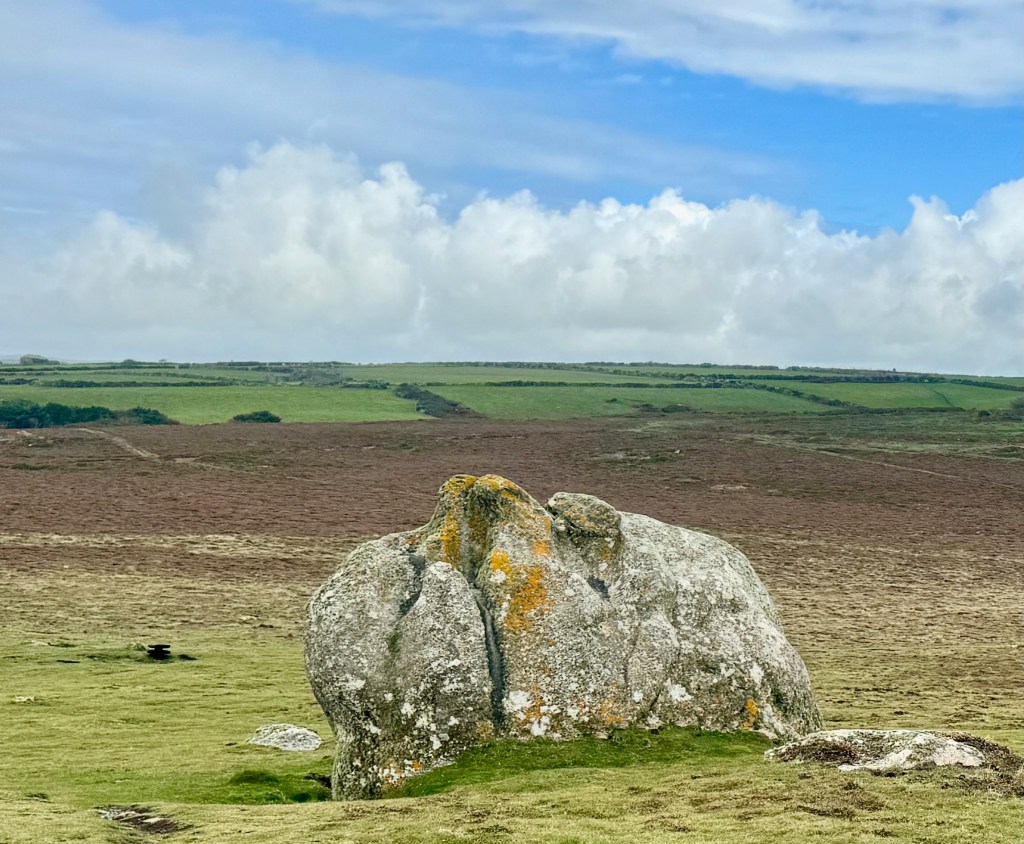
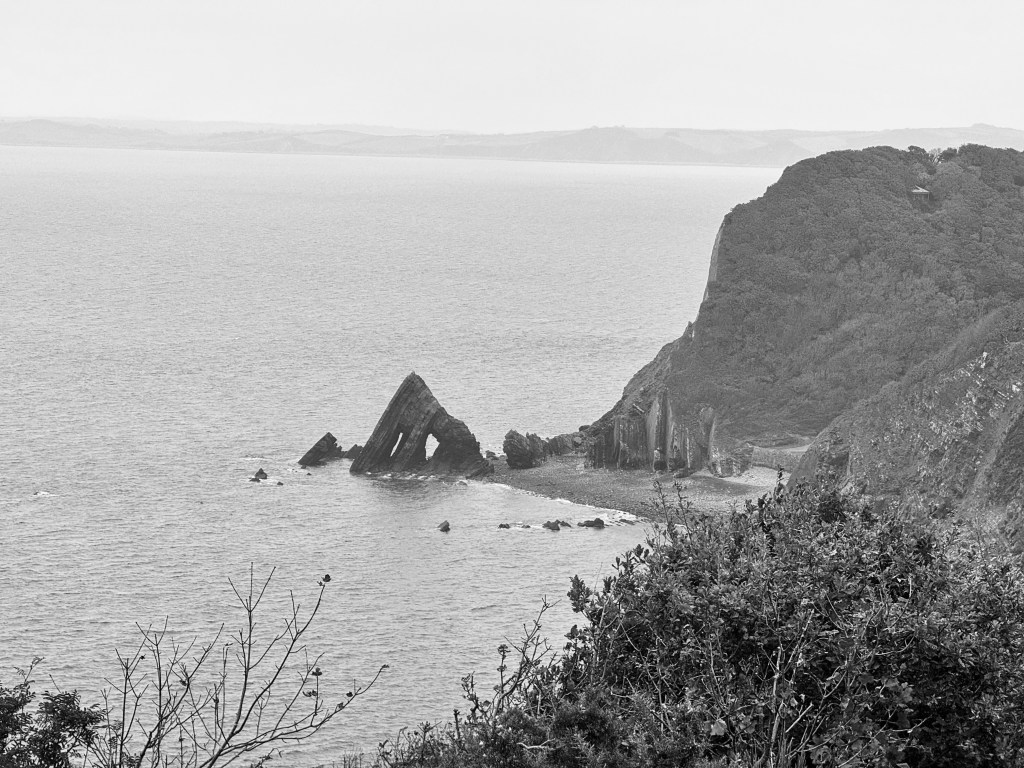
Although Cornwall’s rock structure emerged 350 million years ago when Cornwall was south of the equator, it still is being shaped by water and wind. Along the SWCP, I see sea arches along the coast. Inland, I see stones that bear a resemblance to a native-American looking reverently toward the heavens. Near Lizard Point, I see stones that appears to be a human face turned skyward.
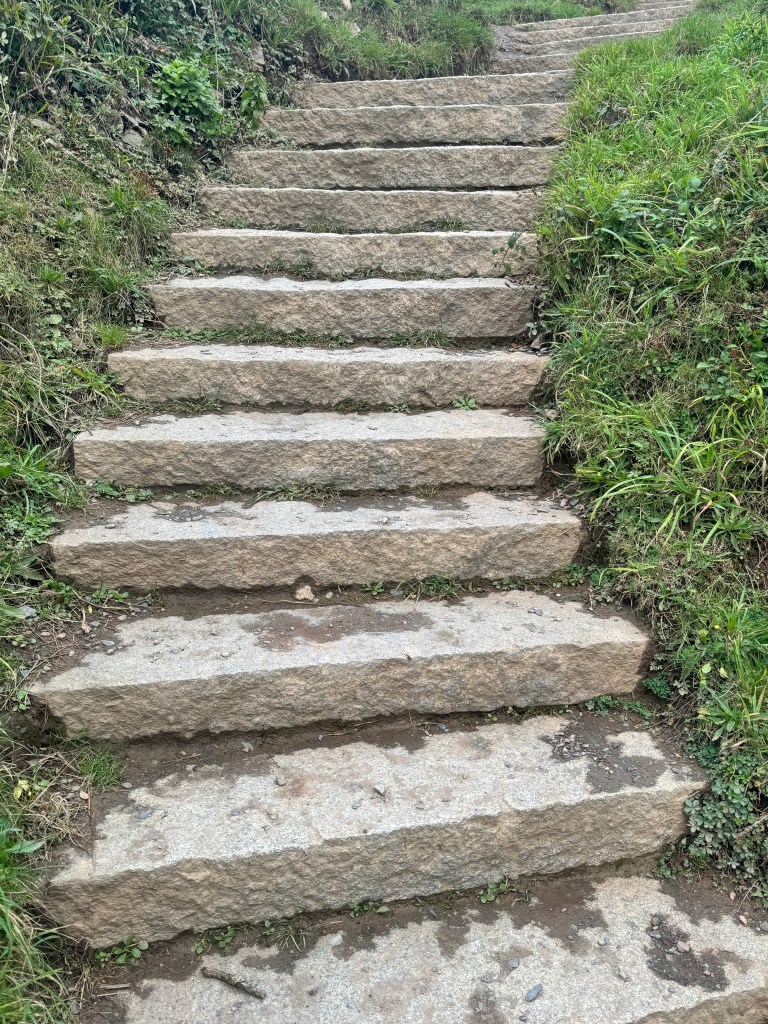
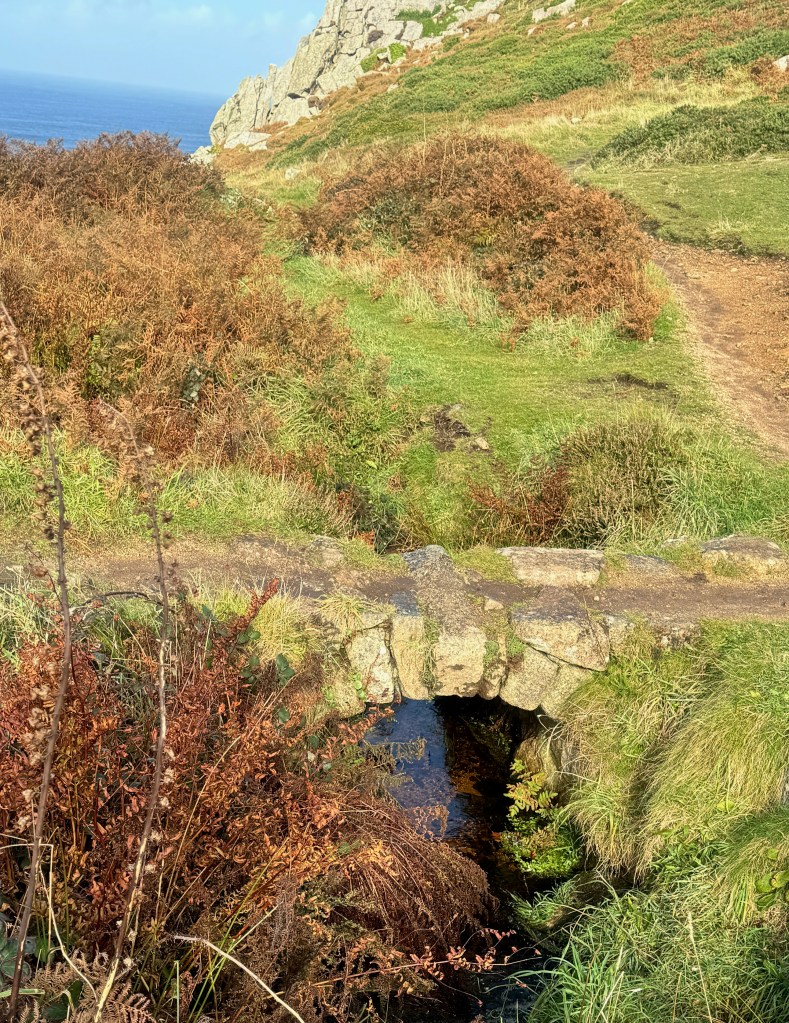
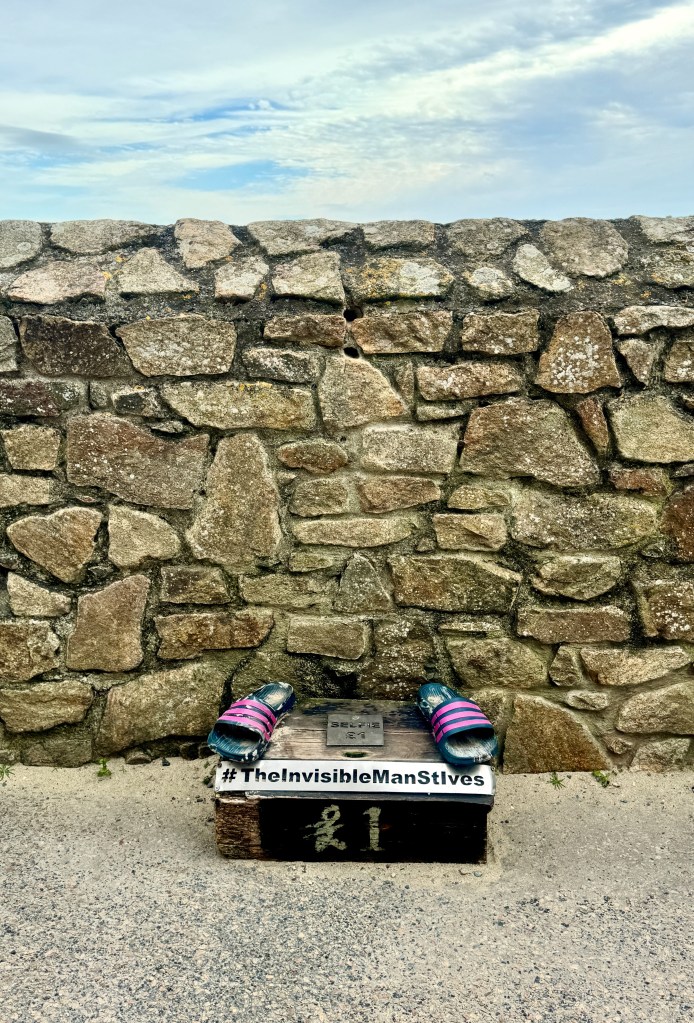
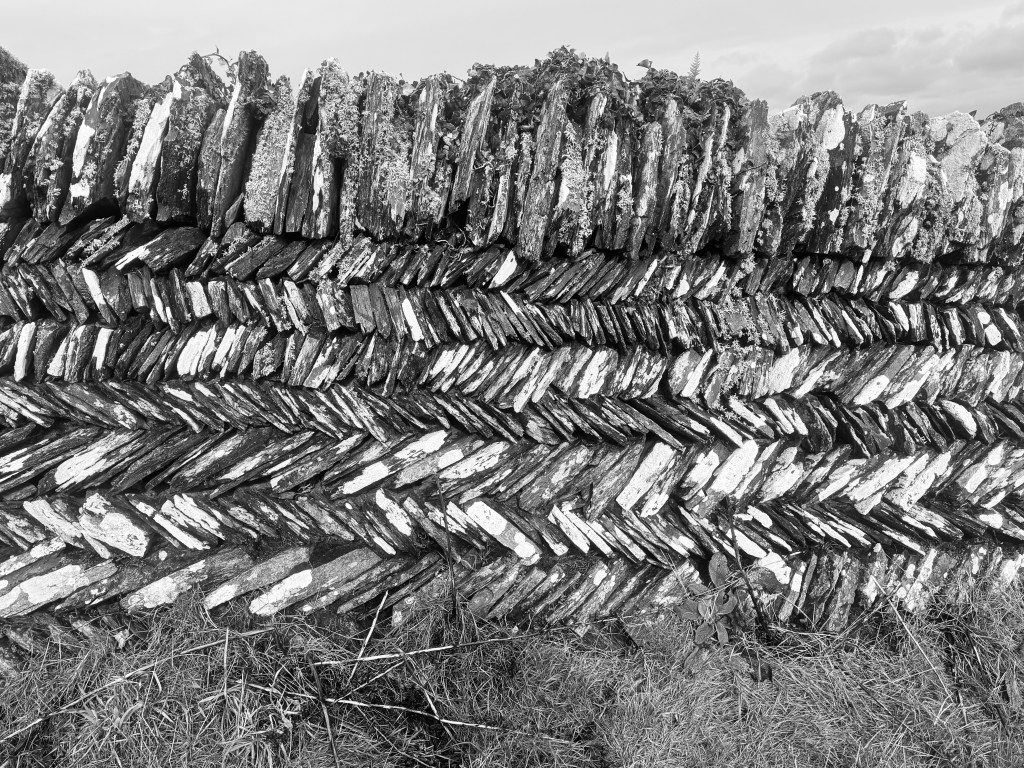
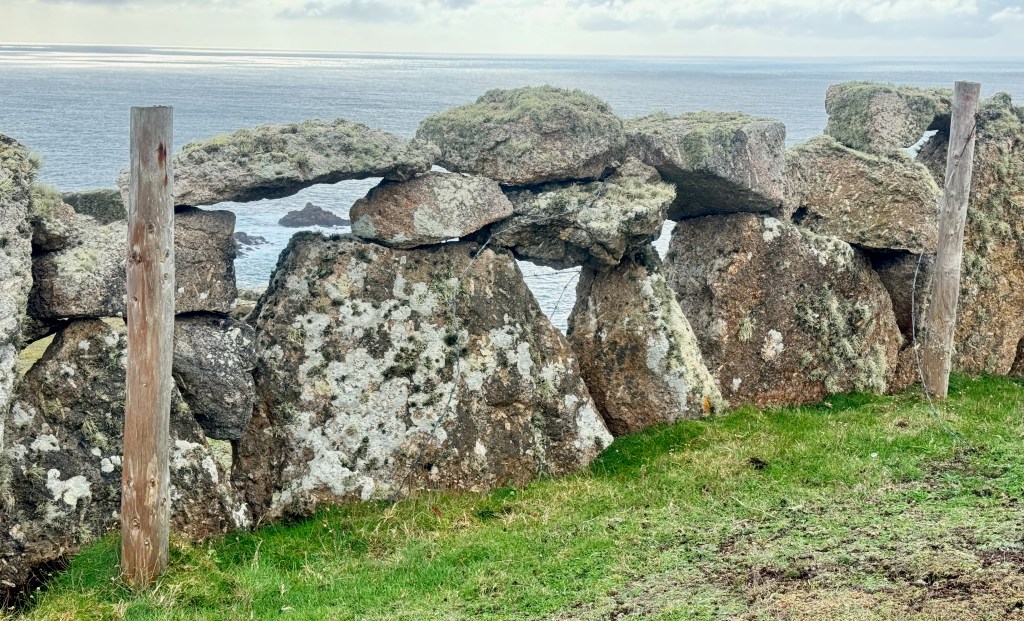
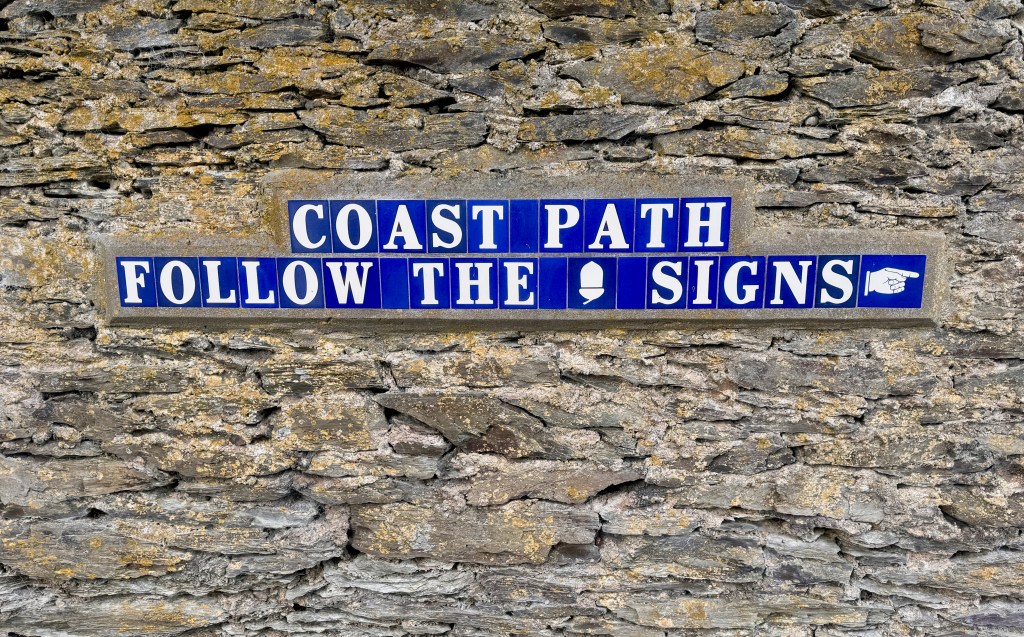
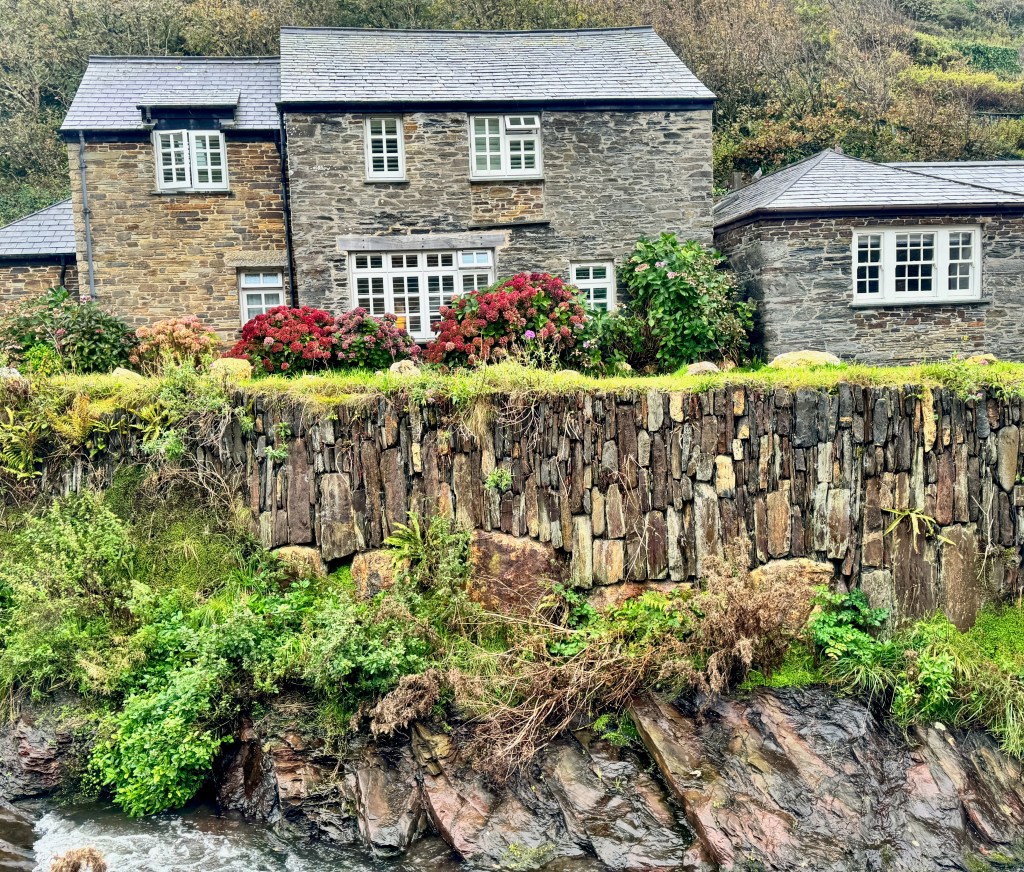
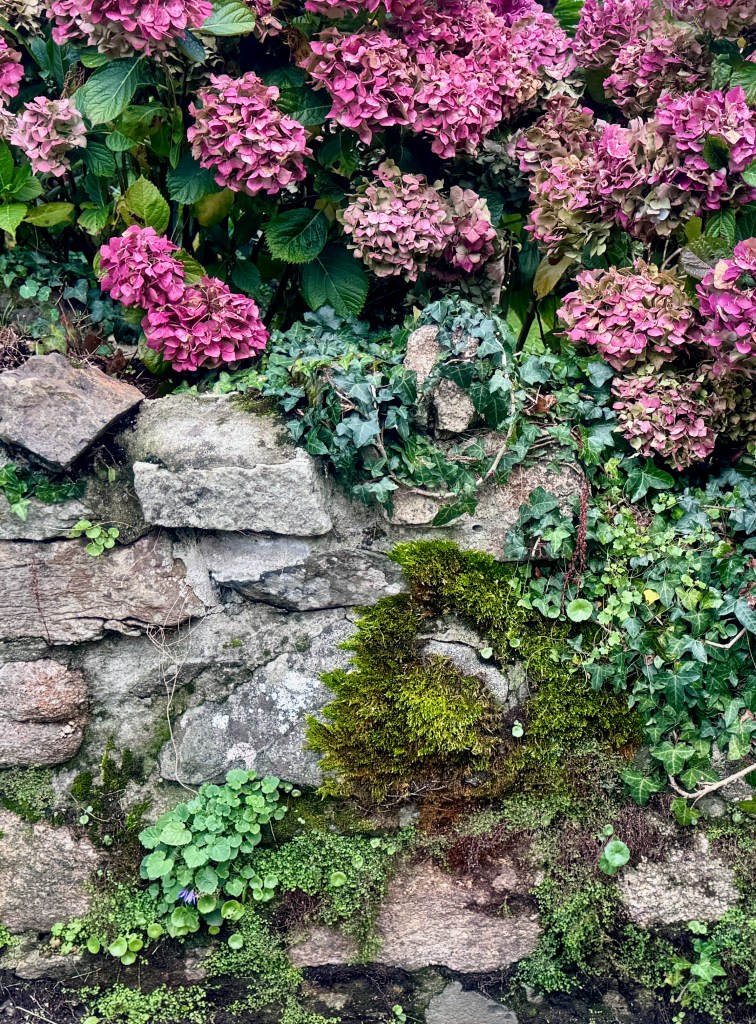
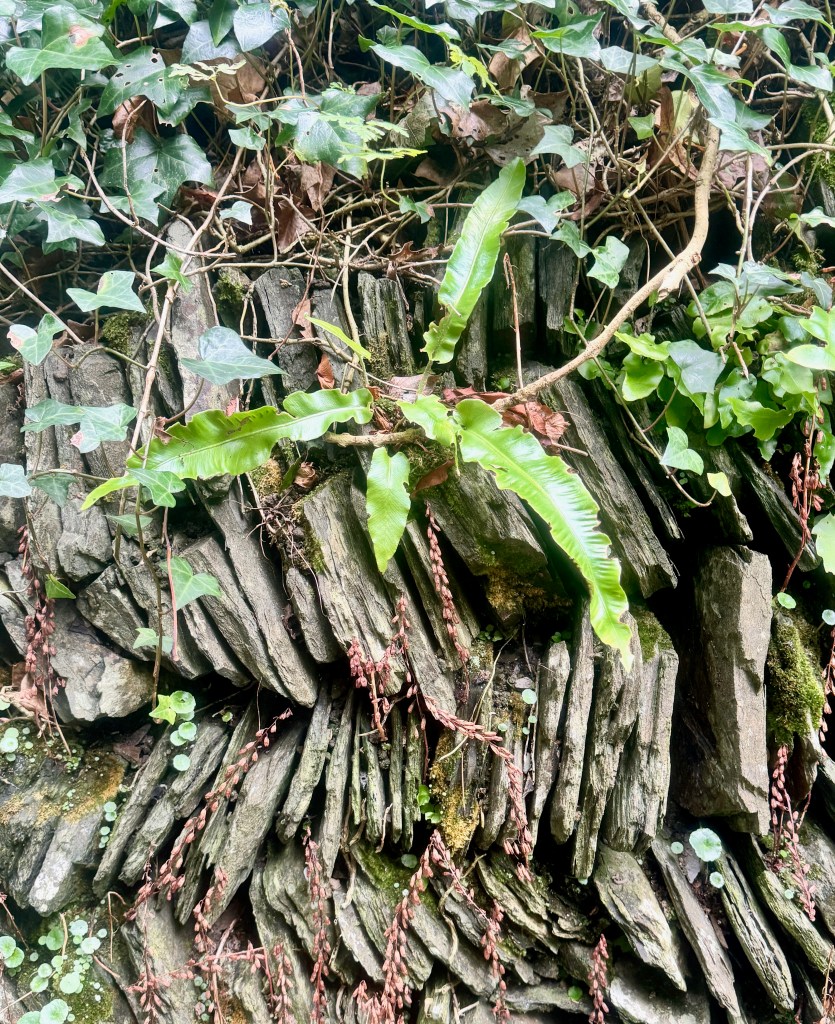
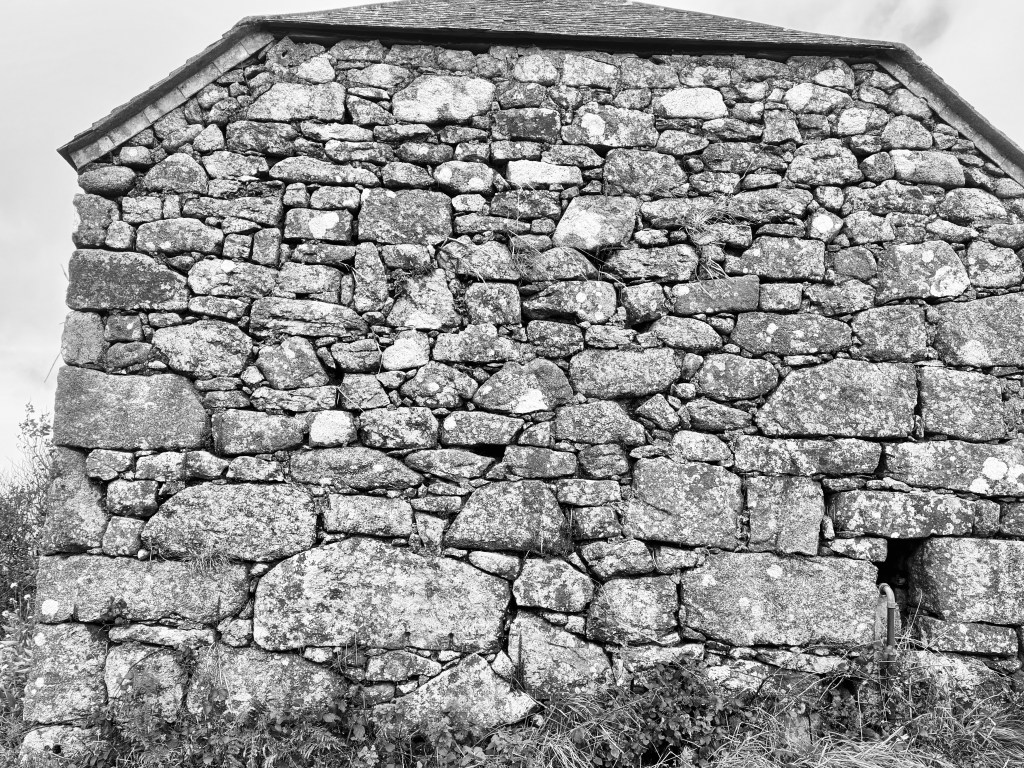
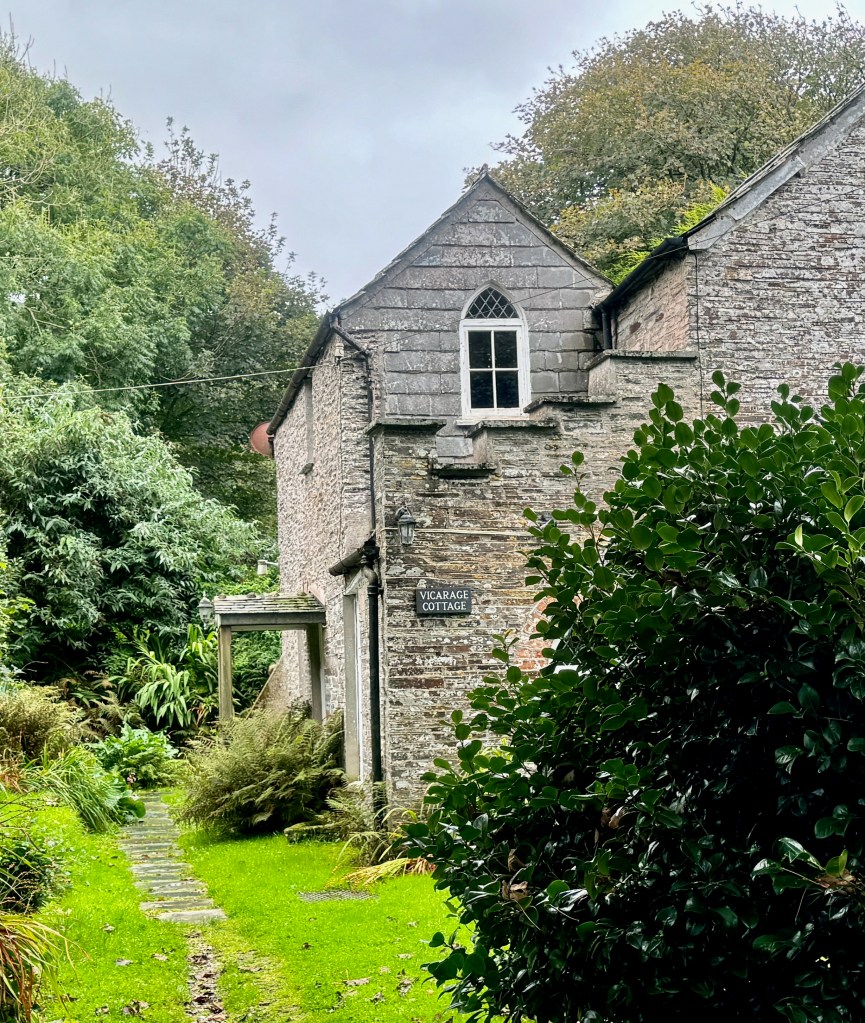
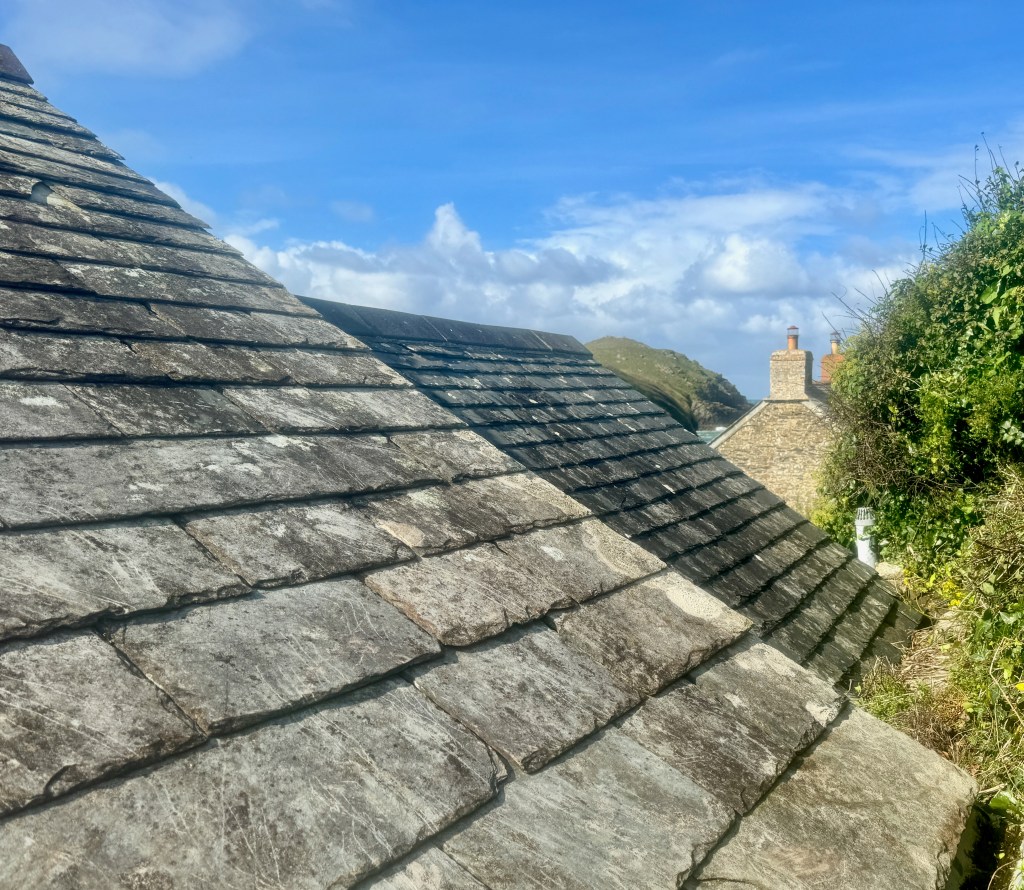
Some of the stones serve practical purposes. The helpful steps. The graceful bridge. The well-placed bench. The dry stacked stone wall. Some stones are horizontal. Some stones are vertical. Some are both horizontal and vertical. The rough field wall enclosing cattle. The stone wall sharing itself with tongue ferns and English ivy. Stone for walls for barns and homes. Even slate on the roofs!
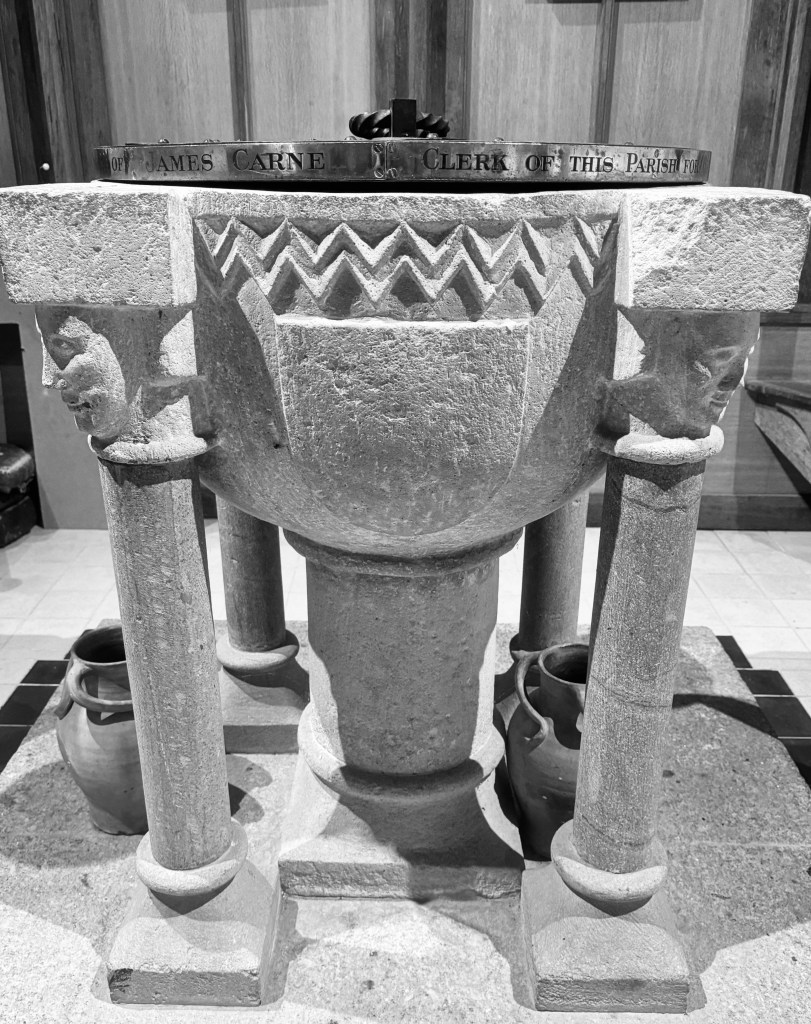
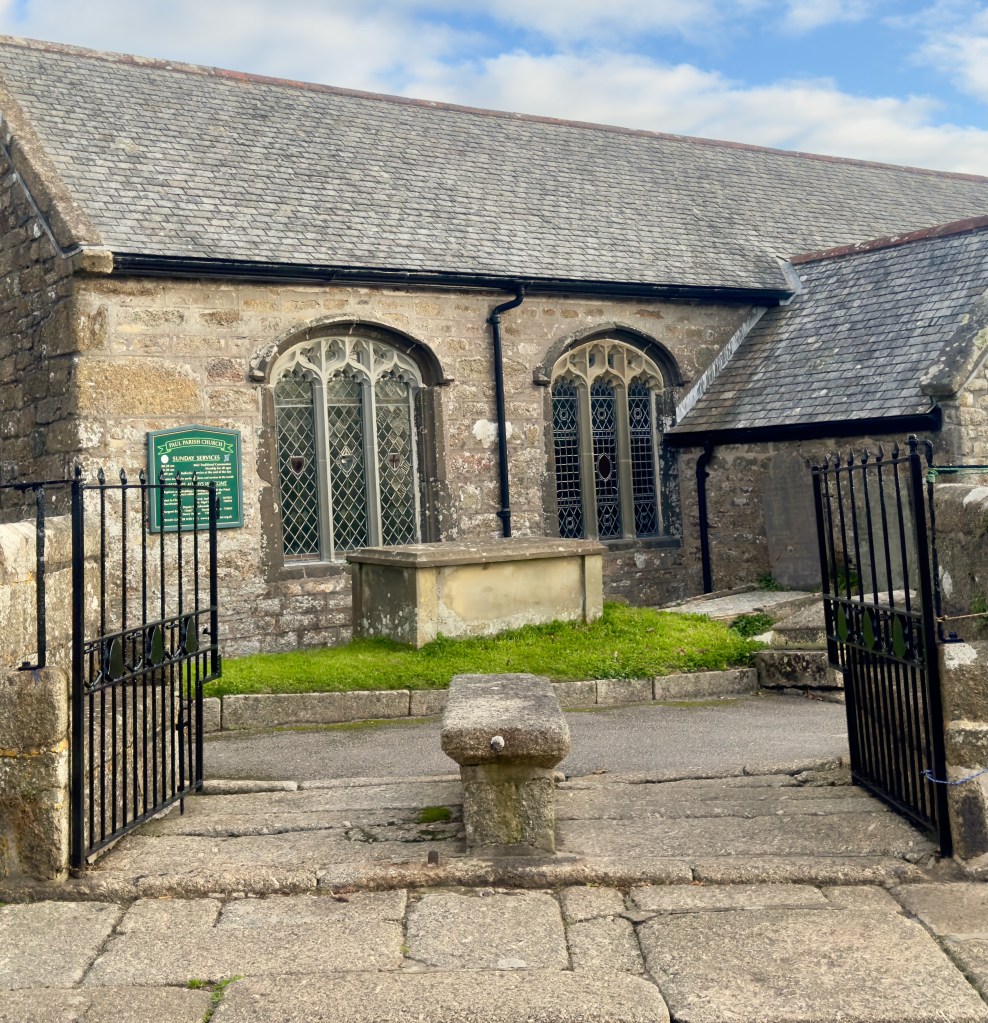
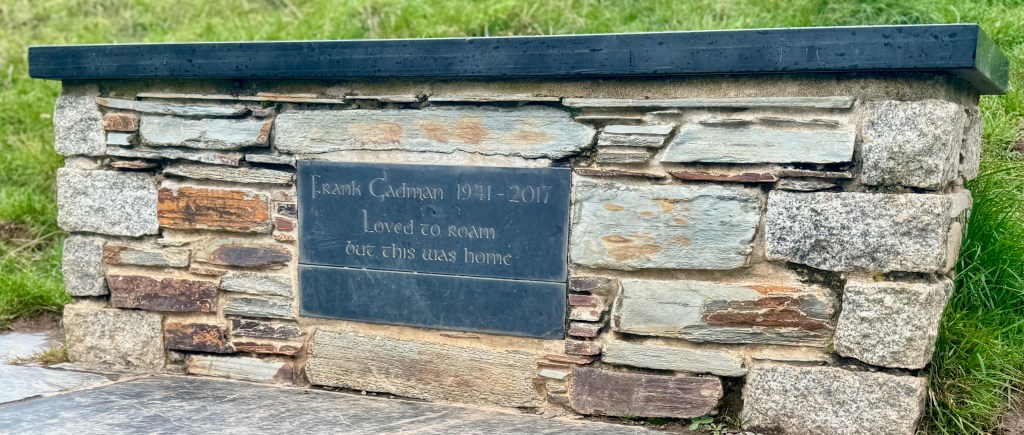
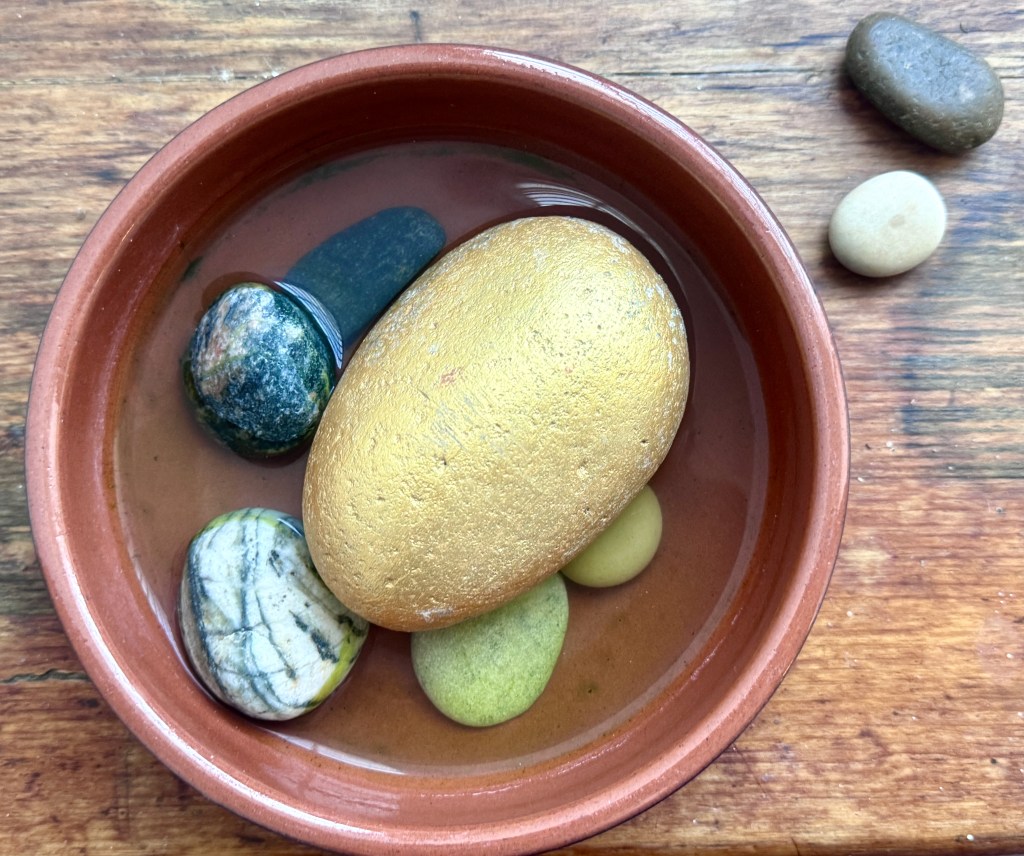
Some of the stones have been intentionally shaped by hand and chisel for religious purposes. Stone has become a baptismal font, an altar, a coffin resting place at the entrance of the church cemetery. A stone bench to remember a loved one. An invitation to place a pebble in a bowl. A tangible way of placing someone before God in prayer.
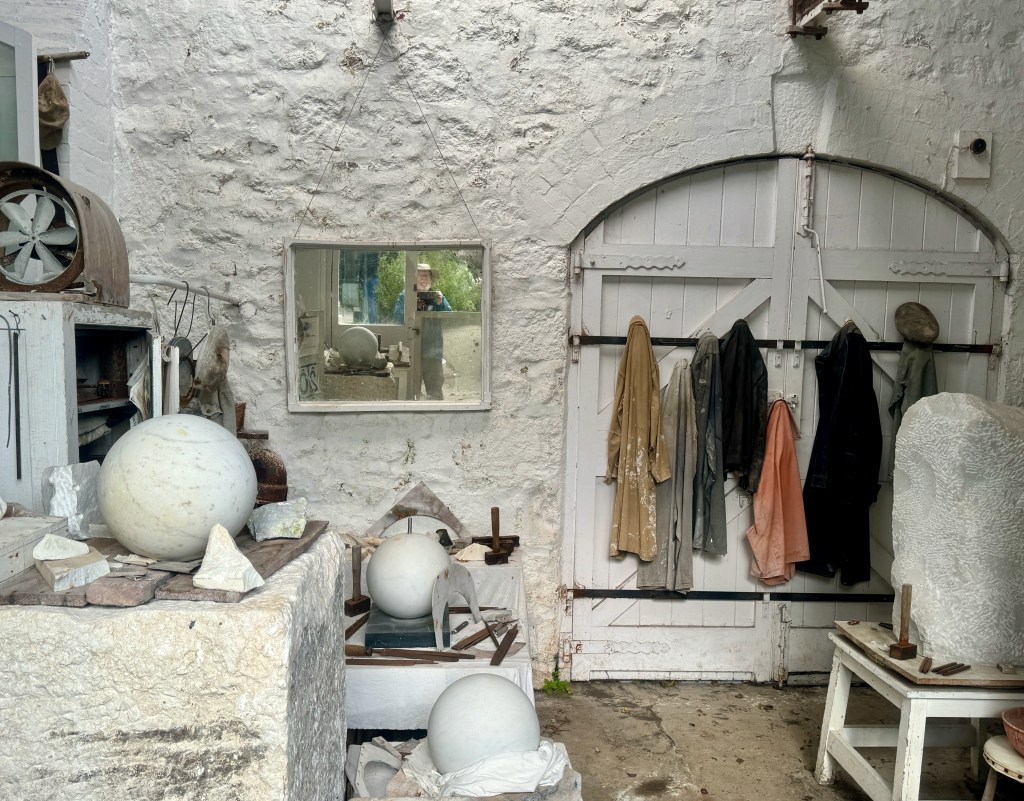
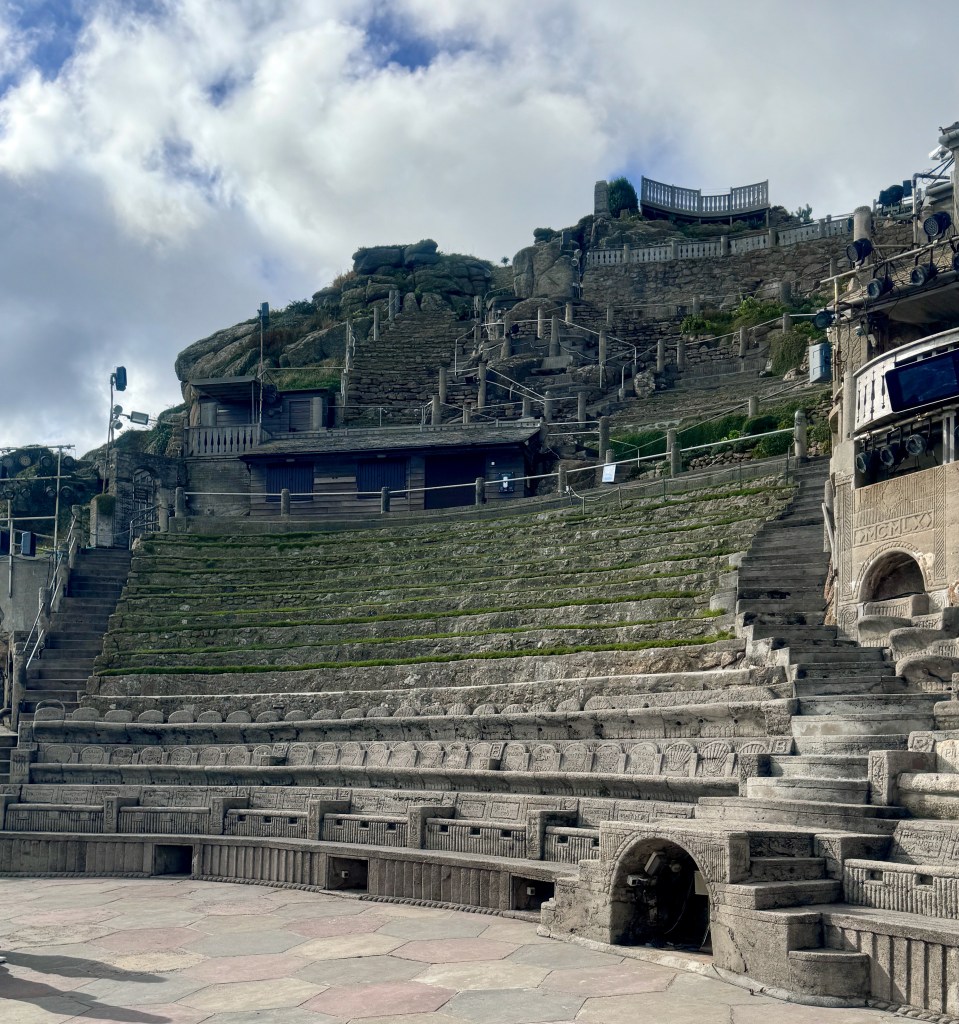
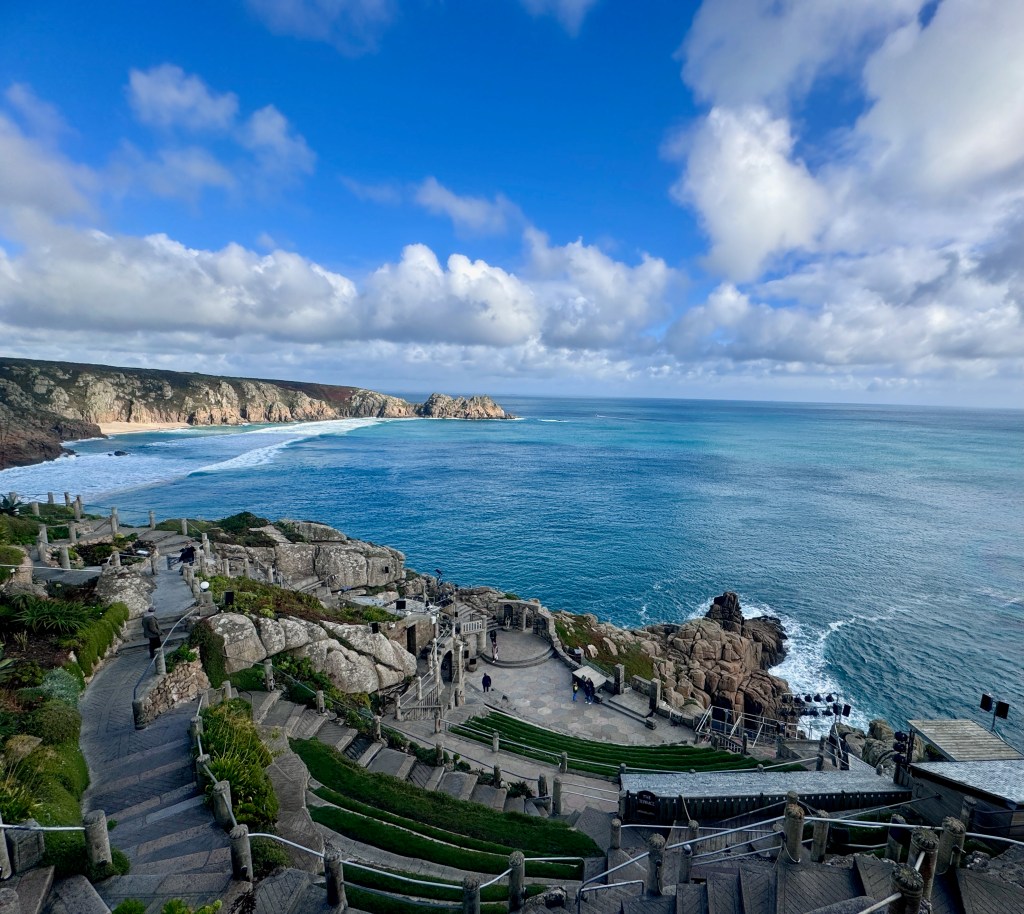
Some stones have been shaped by sculptors such as Barbara Hepburn in St. Ives. Some have been fashioned over years to create the Minack Theater overlooking the English Channel. A beautiful outdoor theater in a beautiful setting allowing beautiful productions to be performed. Amazing!
Rocks and stones have long-standing stability, strength, and endurance. To me, to you, stones appear permanent. They aren’t. They form, emerge, change, and disappear. They simply have a different timetable than most features of the earth. Even as I walk the Coast Path, I have to detour. A “landslip” or landslide has either destroyed or threatened the path.
Rocks and stones have an external beauty, a beauty compounded when lichen and moss share the surface. Serpentine stones here at Lizard Point have a red and green internal beauty as they are cut and polished by workers.
Of course, I must admit that there are several times I almost despise the rocks and stones. After almost 300 miles, the soles of my feet are tired of stepping on rocks. My feet prefer grass or soft dirt paths. The day I walked in the rain crossing a large boulder field also brought forth a few choice words. I have never taken 5 1/2 hours to walk 6 miles!
The Ancient Writers never tired of including rocks and stones. Sometimes in grotesque ways “Happy is the one who seizes your infants and dashes them against the rocks.” More often in acknowledging the Big One: “The Lord is my rock, my fortress, and my deliverer, my God, my rock in whom I take refuge.”
I walk through a world which still allows wonder. A wonder at untouched rocks and stones. A wonder at how the human shaping of rock and stone has become cherished for century after century. At times, those epiphanies of wonder are as common, and as uncommon, as the rocks and stones around us.
 Journeys: Explorations in Body, Mind, and Spirit