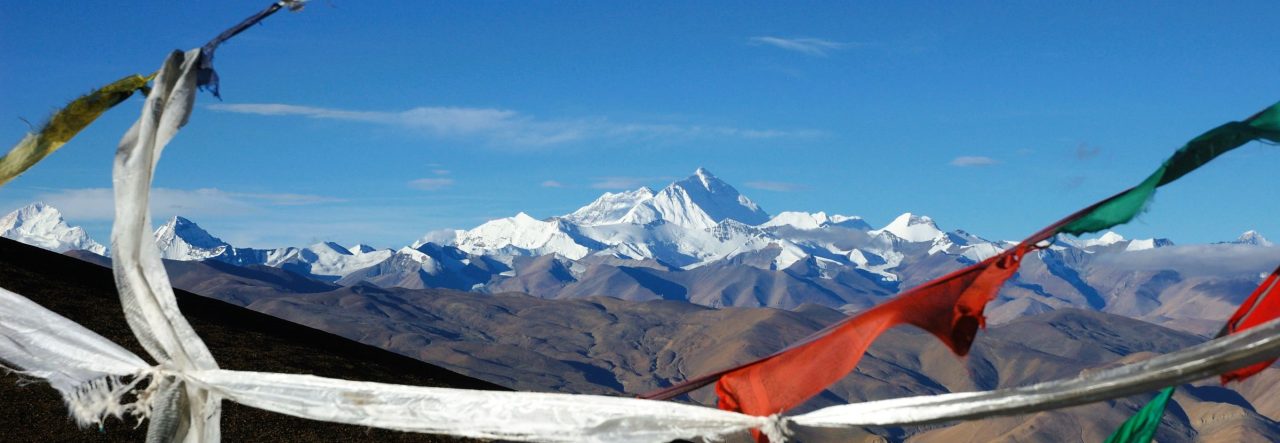
St. Columbanus was a Celtic saint and a peregrini. A pilgrim for the last 15 years of his life, he died in 615. Esther de Waal quotes him: “Therefore let this principle abide with us, that on the road we live as travelers, as pilgrims, as guests of the world…” What a wonderful expression, “guests of the world.”
In all of my previous slow-travels, I’ve written about the world. In France, I wrote about Joan of Arc and the many fascinating ways artists and sculptors portray her. I wrote about the yearly “iron harvest.” Farmers collect WWI shells and set them beside the road to be picked-up. In Italy, I wrote about beautiful Siena, its churches and cathedral. Those types of world places have not gotten my primary my attention on this walk.


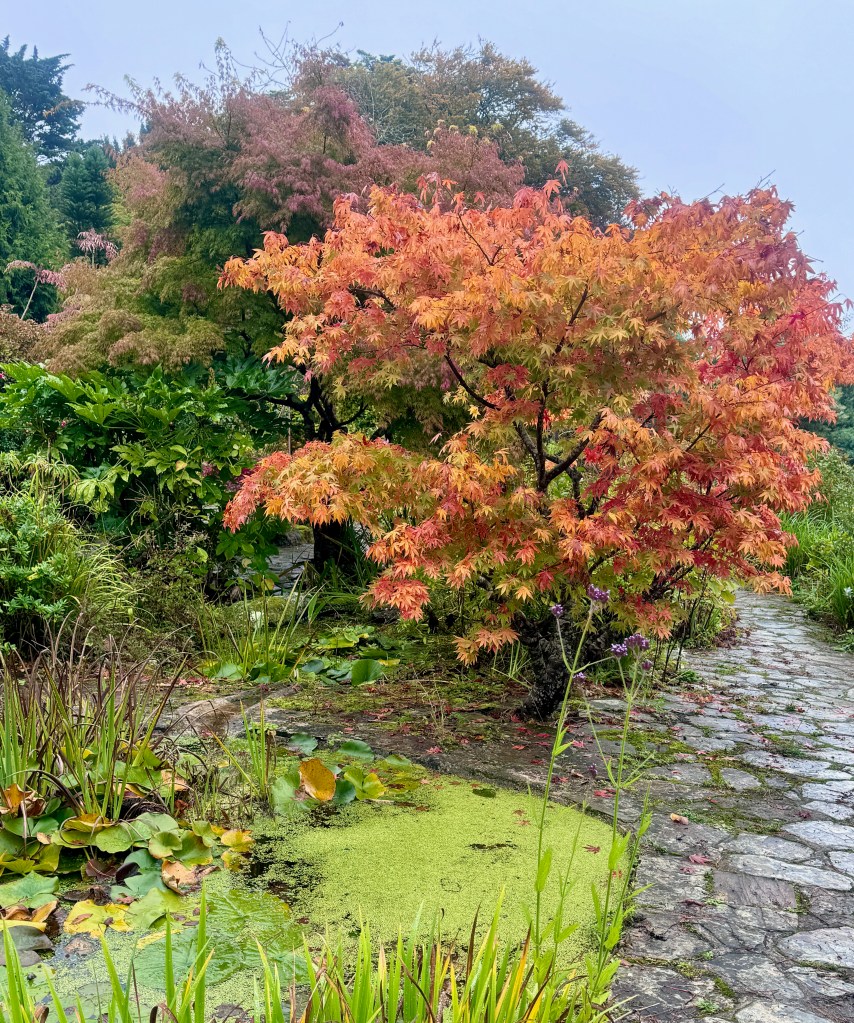

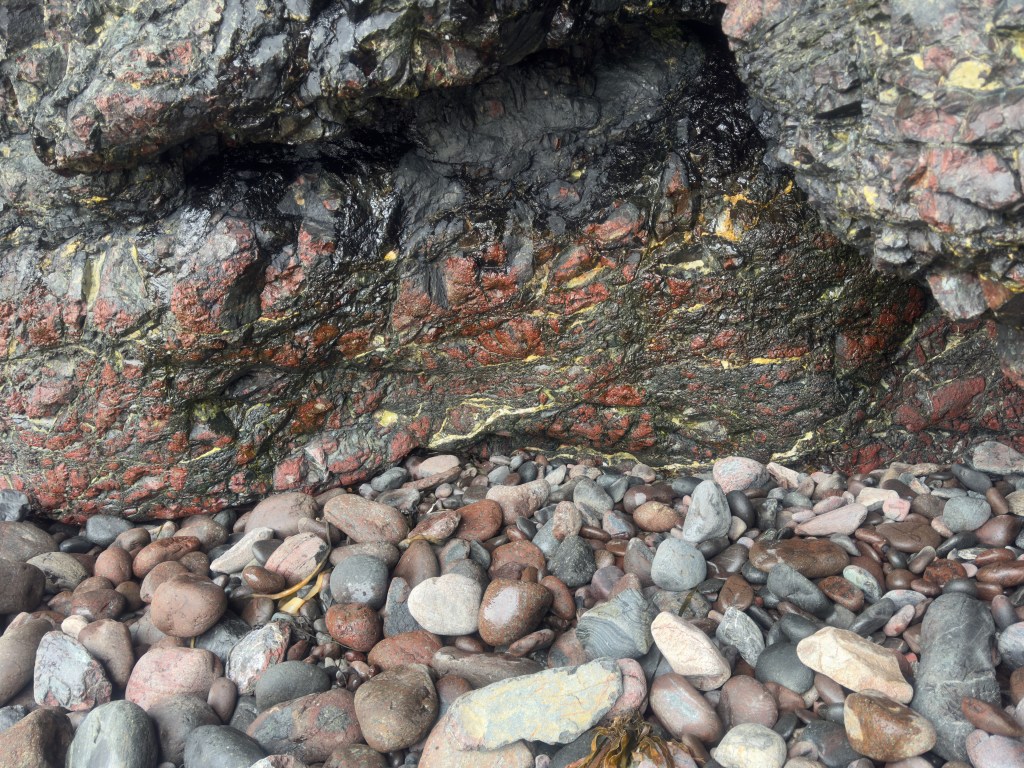
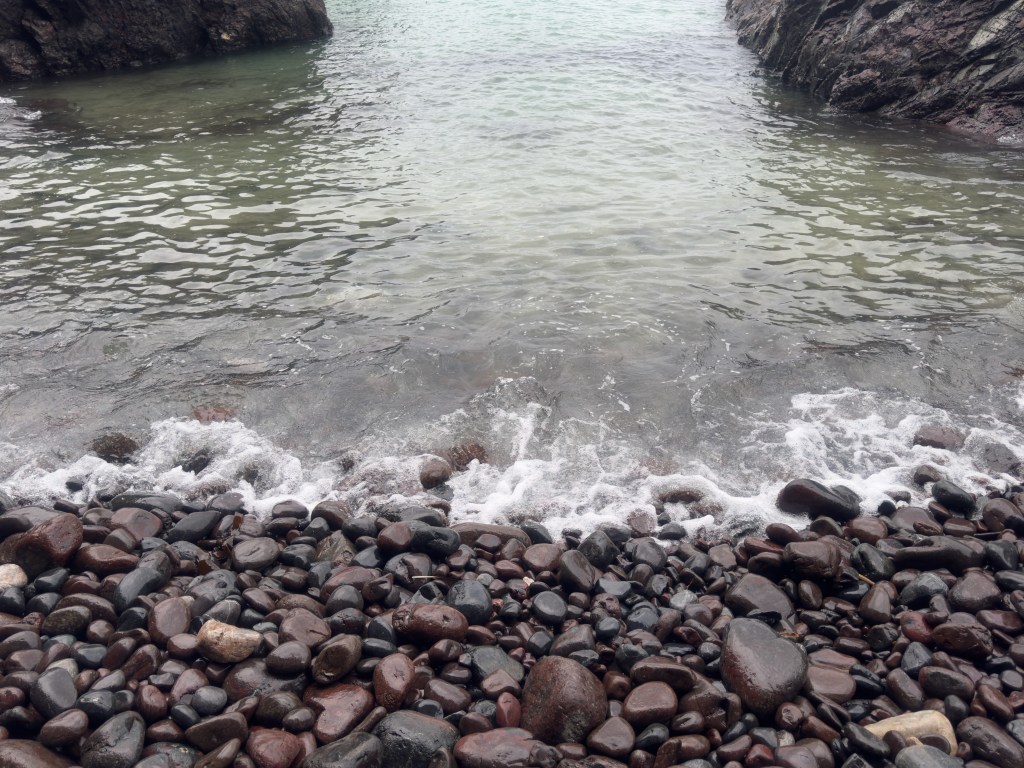

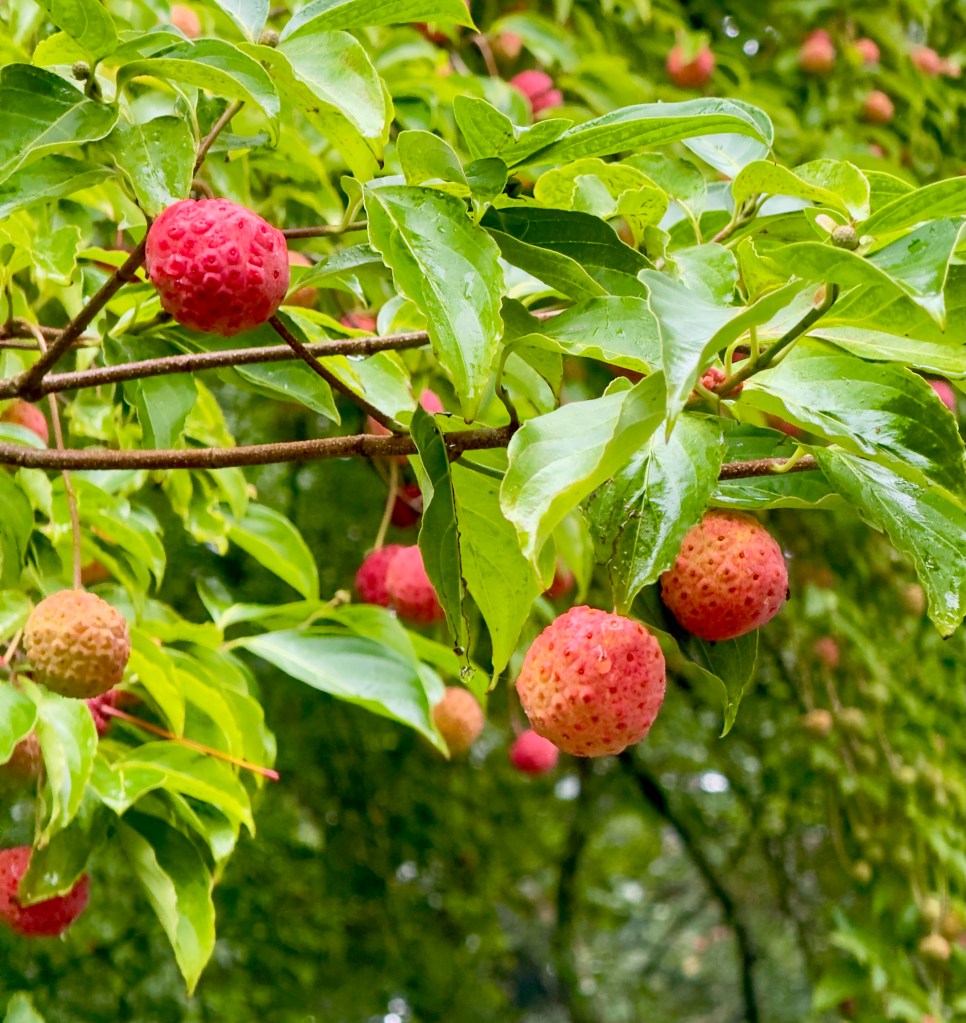
Instead, on this English walk, my eyes and ears and fingers have been irresistibly attracted to the natural world. As a result, I’ve written about flowers and shrubs, trees, water, rocks and stones, and clouds. The physical world, living and not living, animated and inanimate, sentient and non-sentient, not only surrounds me, but I’m a member of that world. As a peregrini, I’ve had to more consciously allow this surrounding physical world to work its way into my awareness and thinking.

From the many implications of being part of this physical world in which we are “guests,” I am especially struck on this walk by the changes within this world. Sometimes obvious; sometimes so slow that we are oblivious to those changes. Walking through the changing of seasons, from early autumn to the fullness of autumn certainly is one cause; my realization that I’m getting older and can’t walk 15 mile days is definitely another!
Couldn’t pilgrimages be travels into this world, both into the wondrous complex simplicity of the world? Travels into the physicality of the broader world as well as our own physicality? If so, then we may distance ourselves from classic pilgrimages of ecclesial shaped, sanctioned, controlled journeys of penance. Modern pilgrimages, so much more. “Guests of this world” What apt and fitting words from a Celtic Saint almost 1500 years ago.
 Journeys: Explorations in Body, Mind, and Spirit