A person moving to a destination. So goes my bare minimum way of understanding a common human activity, a pilgrimage. As I mentioned in previous posts from walking the Via Francigena, I’m struck by how much I longed for my nightly destination. No matter that my eventual destination was Rome, that destination was too distant to have any more daily impact than to orient my walking. I was preoccupied with my nightly destination. A cup of hot tea on arrival. A nice bed. Somebody else preparing a meal. Enjoyable conversation with BnB owner it with somebody sitting at a pub’s table next to my table.

Those nightly English destinations took on wonderful names. Minehead. Porlock Weir. Lynmouth. Combe Martin. Ilfracombe. Woolacombe. Braunton. Instow. Westward Ho! (the exclamation point is part of the name!). Clovelly. Hartland Quay. Bude. Crackington Haven. Tintagel. Port Isaac. Padstow. Newquay. St. Agnes. Portreath. Hayle. St. Ives. Zennor. Pendeen. Lands’ End. St. Leven. Mousehole (yes that is the town’s name). Porthleven. The Lizard (no typo). Coverack. Mawnam Smith. Unlike Spain, where I knew of Pamplona, Burgos, or Leon as nightly stages on the way to Santiago, or unlike Pavia or Siena on the way to Rome, I had never heard of these villages. Yet, these villages mattered greatly to me even if in a temporary fashion.



I didn’t stay in the rooms behind this door, but I love the Welch.
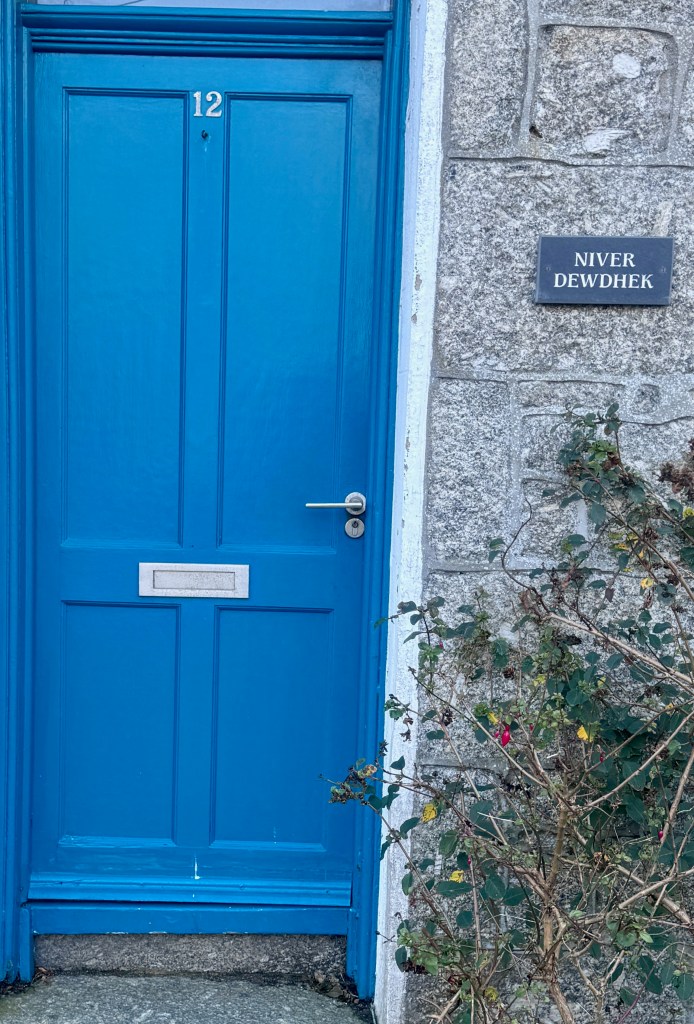
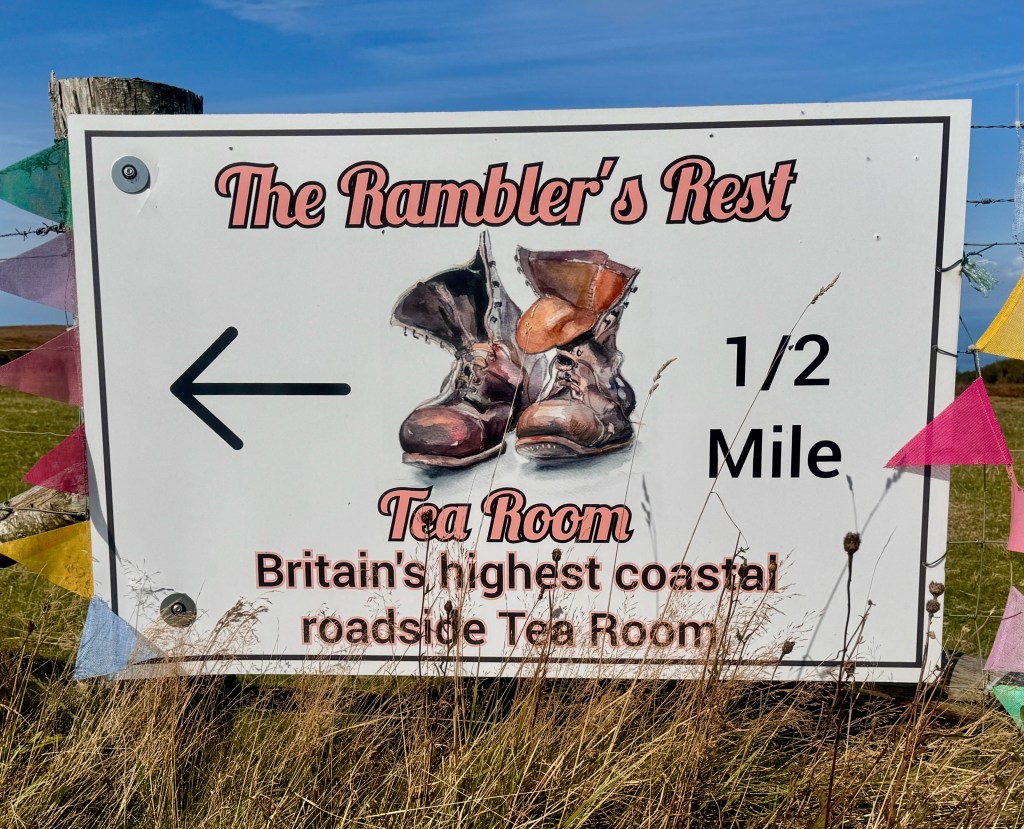
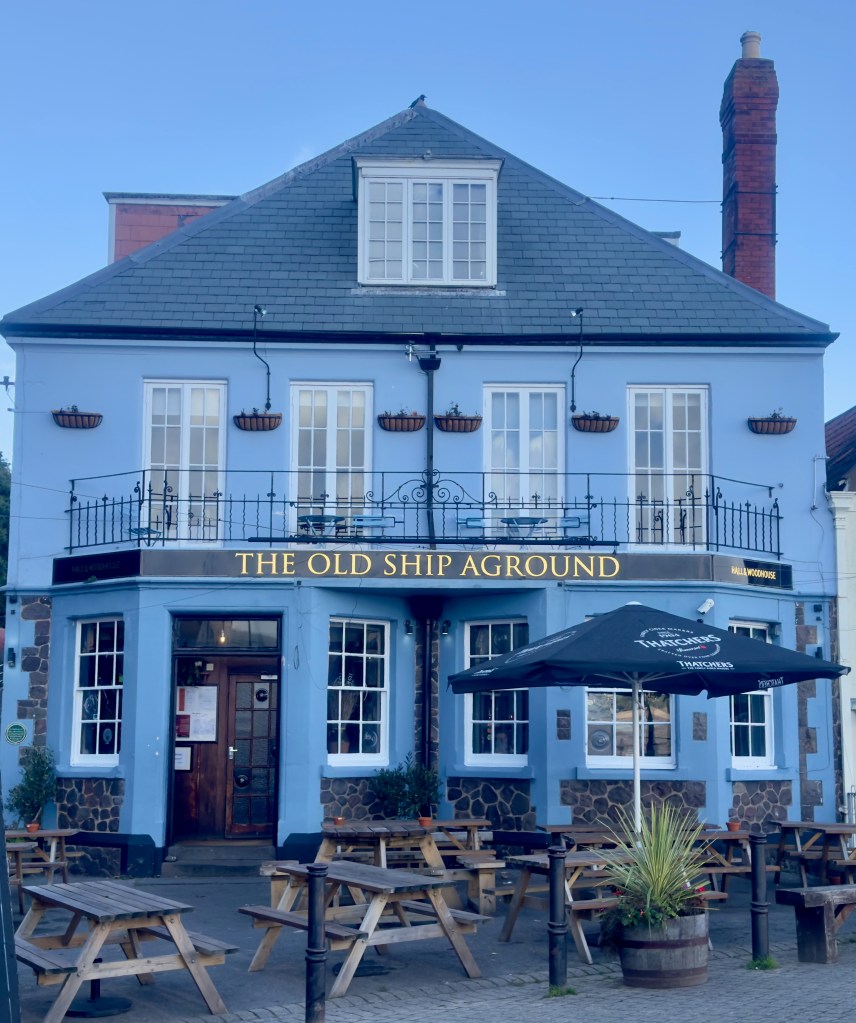
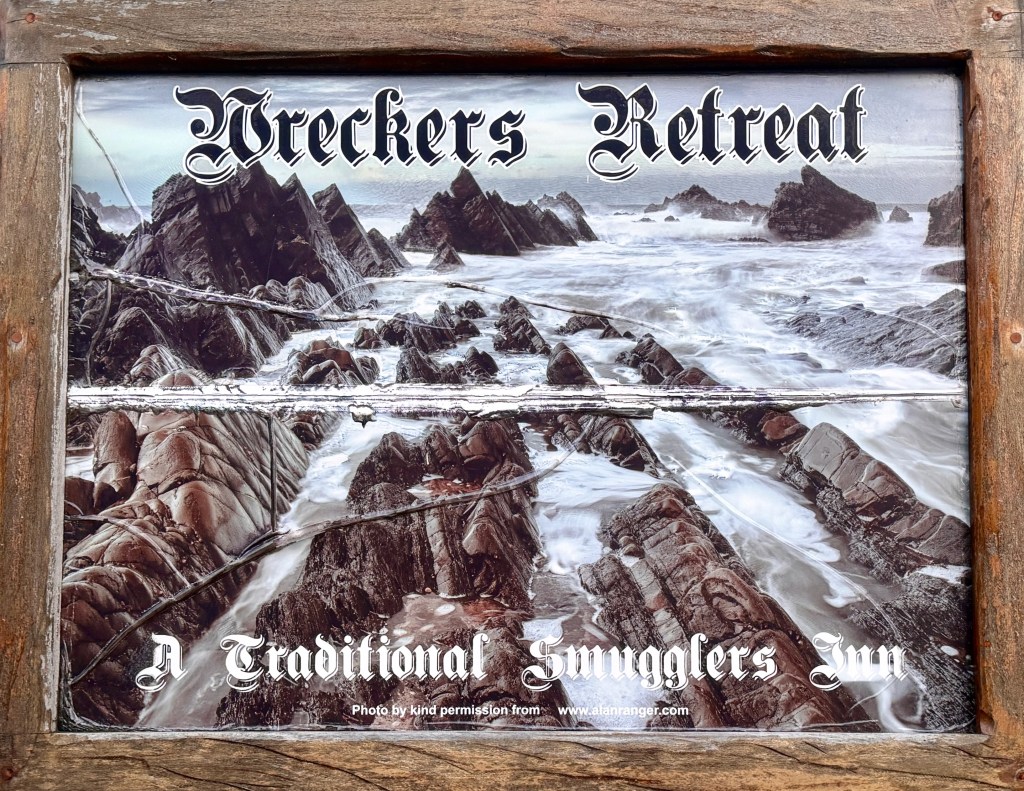
Besides the village or town names, I passed other creatively named places. Great Hangman. Morte Point. Gallant Rock. The Rumps. Cow and Calf Rock. Sheep Rock. Horse Rock. Deadman’s Cove. Hell’s Mouth. St. Michael’s Mount (similar to French Mont St. Michael). Devil’s Frying Pan. And, of course, another quintessential English habit, the naming of pubs and one’s home. Old Ship Aground. Rambler’s Rest. Wrecker’s Retreat. Pa’s Cottage. Myrtle’s Cottage. Lorna Doone Home. How much did local people care for these places that they gave them such names? How could I not notice the names of these local places that I passed, that I visited, that I used as my nightly destination?


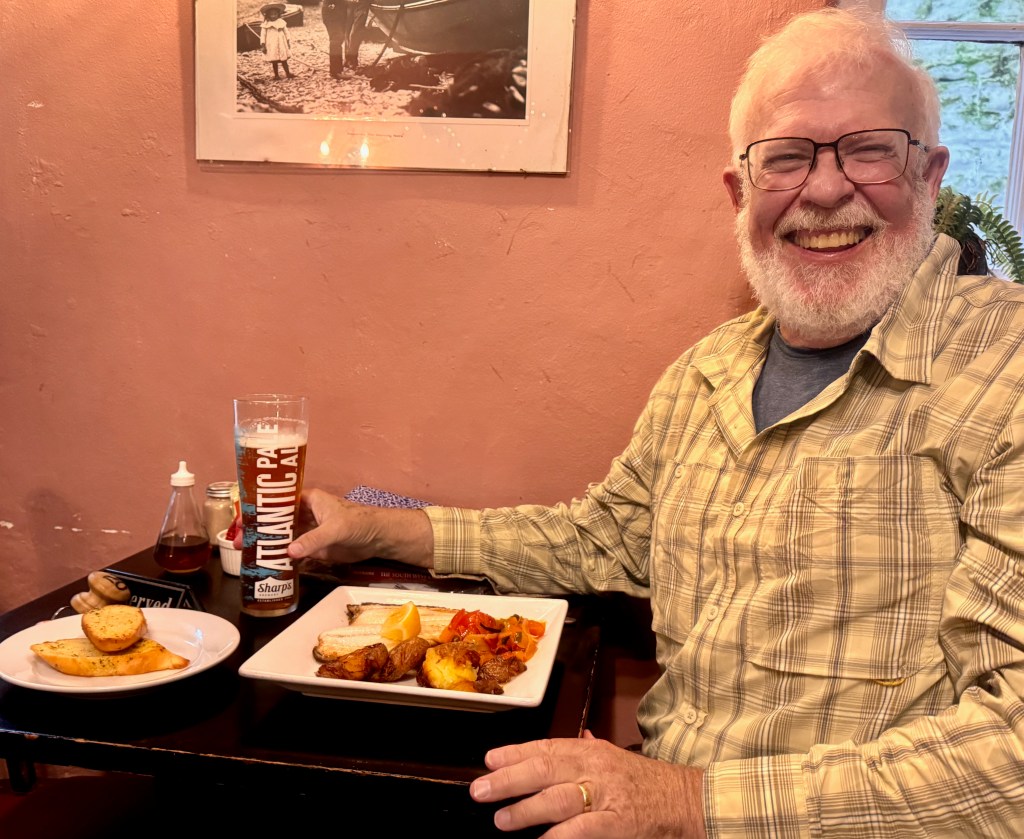
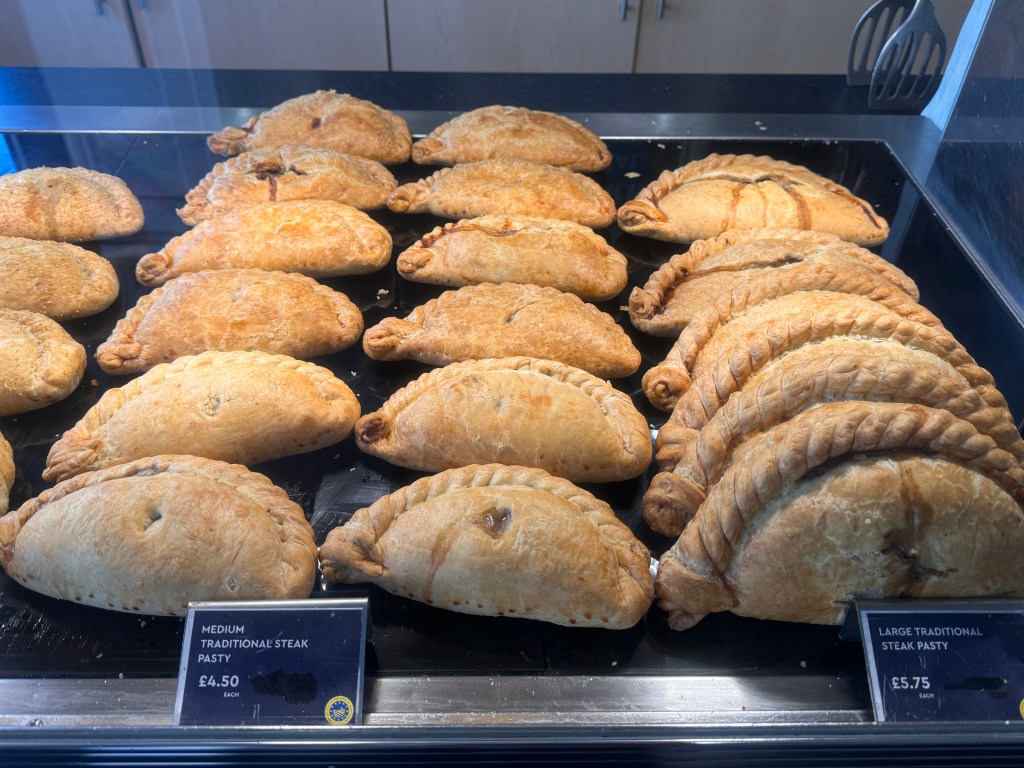
In that perennial question, is the journey or the destination more important? On this slow-walk, the journey stands out more. Although all of these place names blur together as I try to remember specific ones, I have no difficulty remembering certain incidents or experiences. Eating my “true” English pastie. Talking with Louise, a 75-year-old woman from Maine. Learning about fishermen and miners. Walking in the rain. Walking in the rain over and over. Delighting in the beautiful brightness of days after a rain. Simply standing and watching the waves. Listening to those waves crash on the rocks. On and on and on.
As pilgrims, the ancient Celtic saints differed from pilgrims on the continent. They did not seek primarily to visit a Santiago or Rome. They didn’t desire primarily to kneel before relics or be overwhelmed by a cathedral. They wandered. They wandered along the coast and inland. Their wanderings were not purposeless. Instead, they sought to be surprised by the graced nature of the hills, of the sea. I suspect in these unnamed places, and in some of the named places that I walked by, they found what they were looking for. And more.
 Journeys: Explorations in Body, Mind, and Spirit