

Who doesn’t like Salisbury?
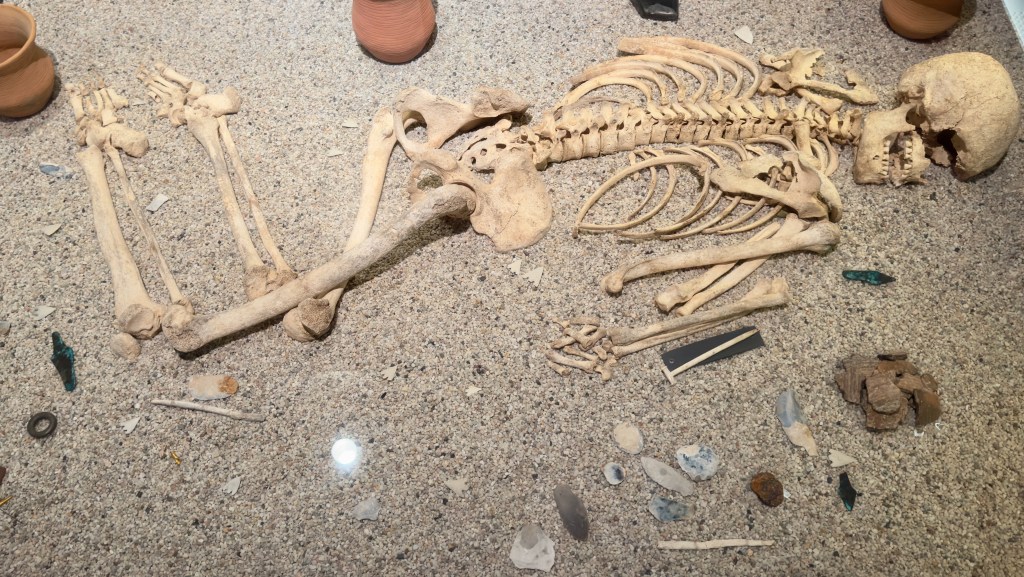
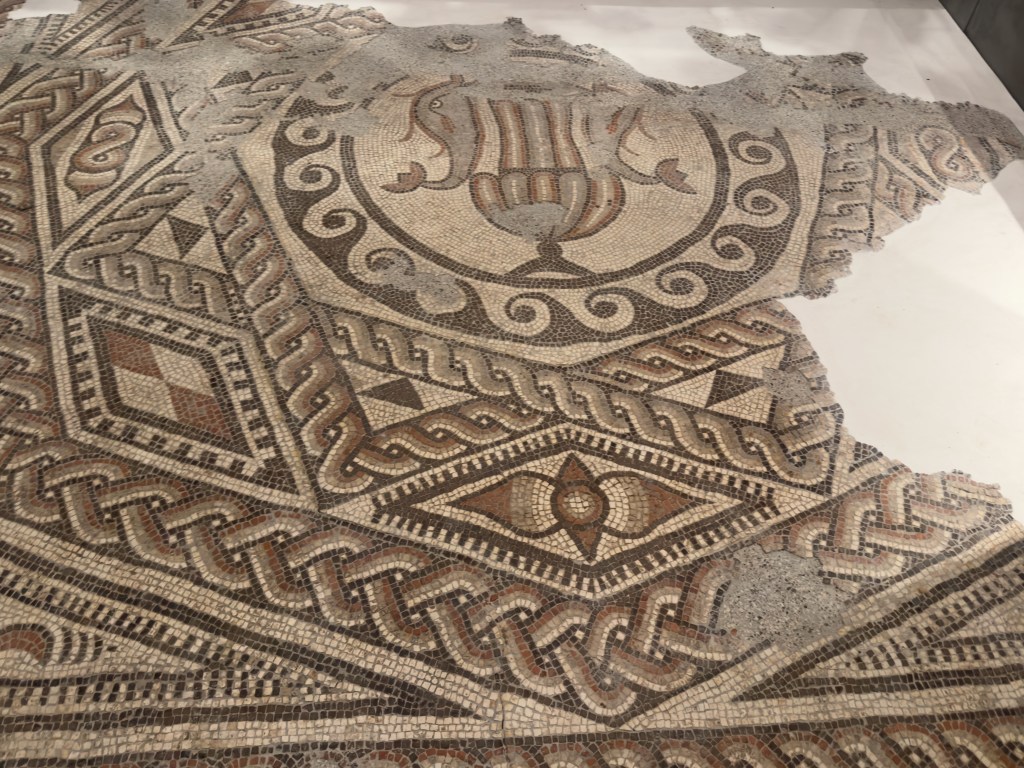
Mary and I see a range of history with the help of a walking tour. The skeleton of the Amesbury Archer is 4000 years old. The floor mosaics of a Roman villa. As we visit the cathedral’s Chapter House, we can see one of the four surviving copies of the Magna Carta. The Salisbury Museum displays pilgrim badges from sites all over medieval Europe found in the narrow streams.

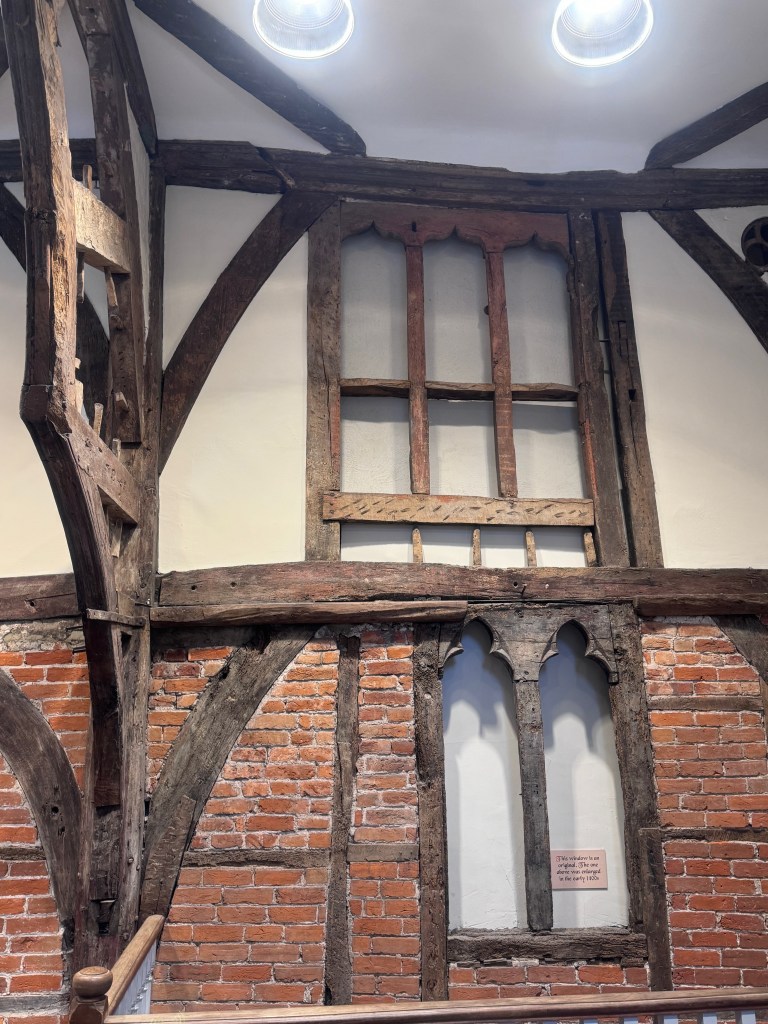
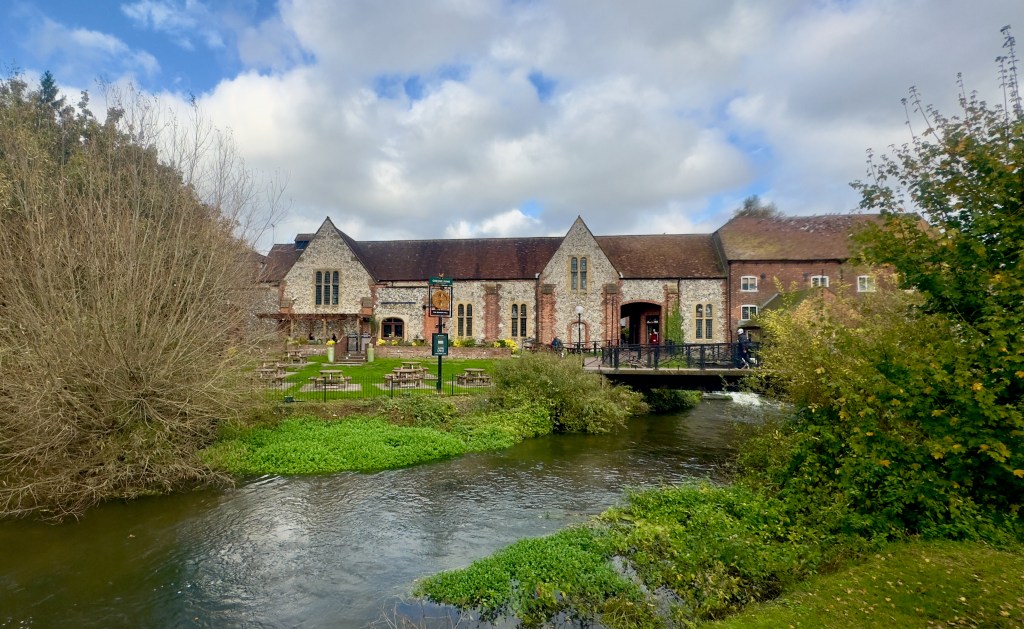
Homes from the 14th century still showing the interior wood beams and framing. The old courtroom. The Haunch of Venison Pub not only with its own gruesome story, but the meeting place of Churchill and Eisenhower.



Performances by London theater troupes, we saw Play On, an adaptation of Shakespeare’s Twelfth Night set in Harlem’s Cotton Club. And, the pub and its outdoor tables where Russian agents poisoned a Russian double agent, his daughter, and two police officers with novichok. So much to enjoy in this compact and very walkable city.

Of course, there is the breathtaking Salisbury Cathedral. Started in 1220 and finished in 1258. Because the construction took only 38 years rather than 200 years, there is a uniformity of style. In addition, the setting is the most recognizable, if not the most beautiful, of all English cathedrals. To the southeast, one finds the Queen Greens and beyond that space another large field. Certainly, Constable memorialized Salisbury in his numerous paintings.

Of course, there is the breathtaking Salisbury Cathedral. Started in 1220 and finished in 1258. Because the construction took only 38 years rather than 200 years, there is a uniformity of style. In addition, the setting is the most recognizable, if not the most beautiful, of all English cathedrals. To the southeast, one finds the Queen Greens and beyond that space another large field. Certainly, Constable memorialized Salisbury in his numerous paintings.


The exterior has been recently cleaned allowing the light-colored stone to look sprightly again. There are numerous statues and gargoyles. Interestingly, there is no grand entrance with the figure of Christ in glory surrounded by the hosts of heaven. That feature comes to cathedrals later.
Because a purchased ticket allows free entry for a year, I visit the cathedral four times. On my last visit, I’m simply waved through the entrance. “Back again?” The attendant asks.


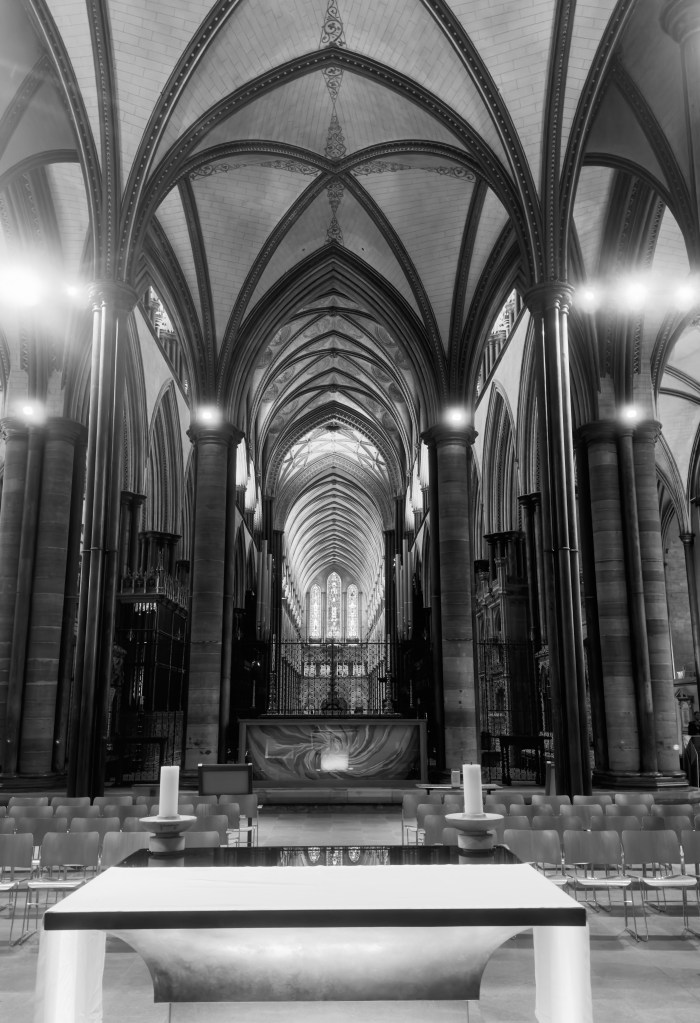
The nave is beautiful with its striking ceiling. A baptismal font has been added in 2008. It is a large font with water gradually draining from its four corners. Since the font is so large, it allows perfect reflections of different views of the cathedral.

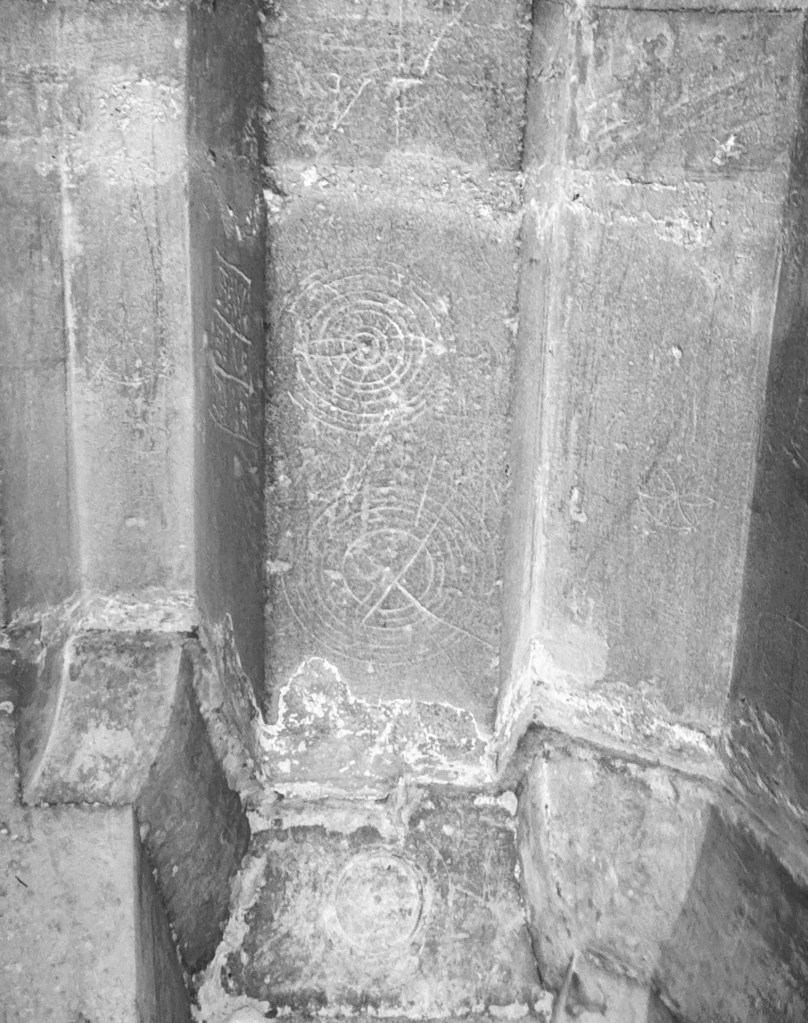
The smaller stonework within the Cathedral catches my attention. There is a childless knight who had some unusual features carved into the soles of his feet. On one foot is an oak leaf, a sign of strength; on the other foot is a monk bent in prayer. Since the man has no children to pray for him, he has the stone chiseled monk to do the praying! There is a “bumping stone” where an older boy chorister gently, or not so gently, bumps the head of a new chorister against a stone pillar. There are carefully carved wooden angels in the quire. There is a monkey pelting processing clergy and monks with nuts. There are signs of superstition such as the small, graffiti-like webs carved to capture any wandering demons. A more recent addition is the candle to remember “Prisoners of Conscience.”



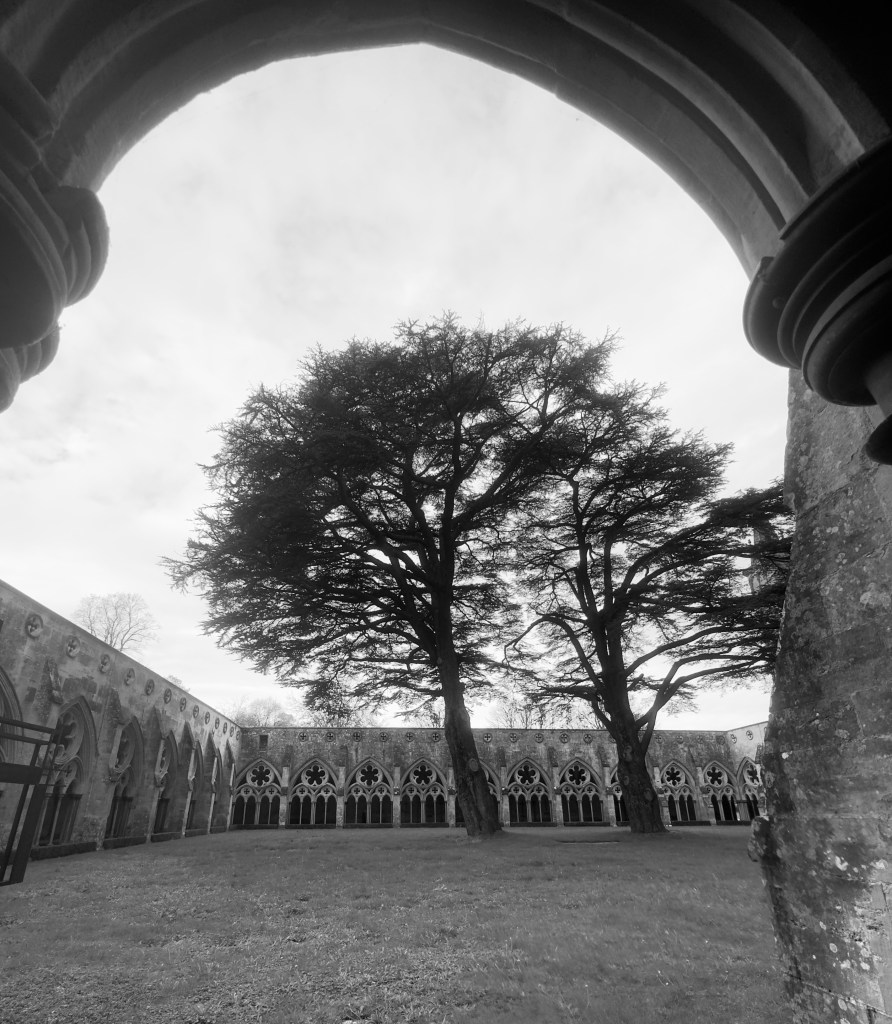
Moving away from the cathedral proper, we walk around the cloister twice. Then there is the beautiful ceiling of the Chapter House.

I could go on and on.

 Journeys: Explorations in Body, Mind, and Spirit