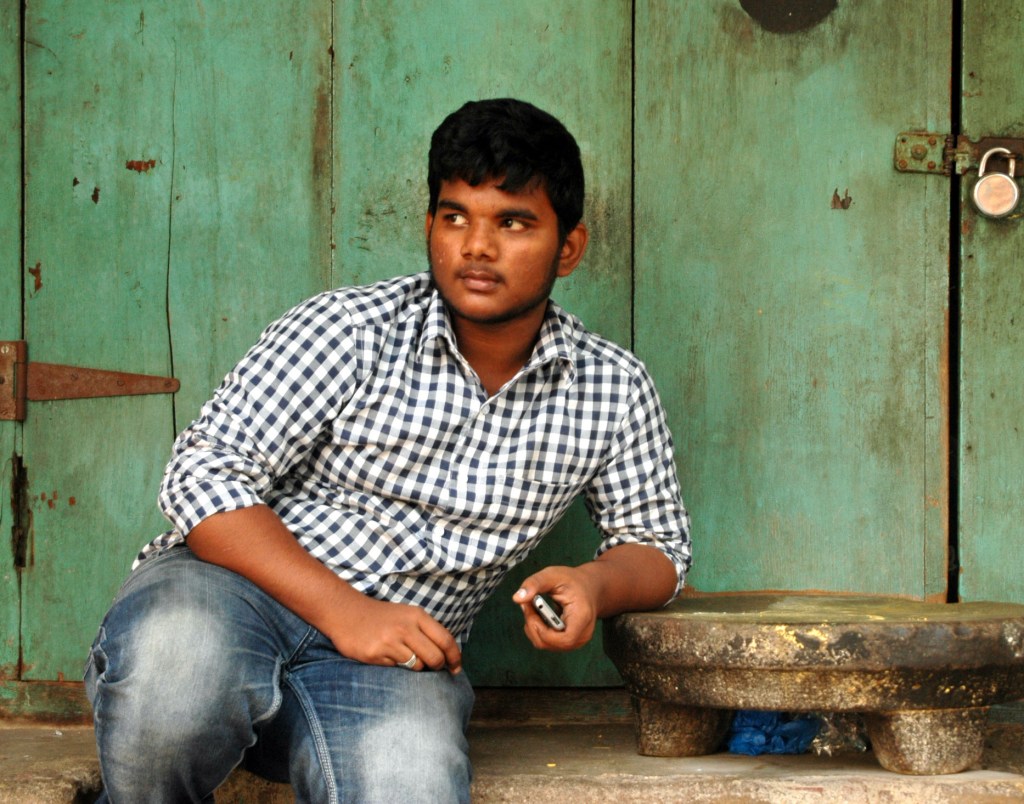
As a visual person, I love photographing people and places. The world is so interesting! I am acutely aware that I don’t see much beyond the lens of my camera. As I revisit my photos, I uncover two groupings that stand out. Men. Animals.
Of course, there are so many other people and places that I would be eager to photograph. I see school girls and mothers escorting children to school. Do I see women in their homes? Nope. I don’t generally don’t see the ways women inhabit Indian life.
Do I see people in the workplace and business world? People who are the Tata factory workers, the Bangalore technology creators, the Mumbai bankers? Nope!
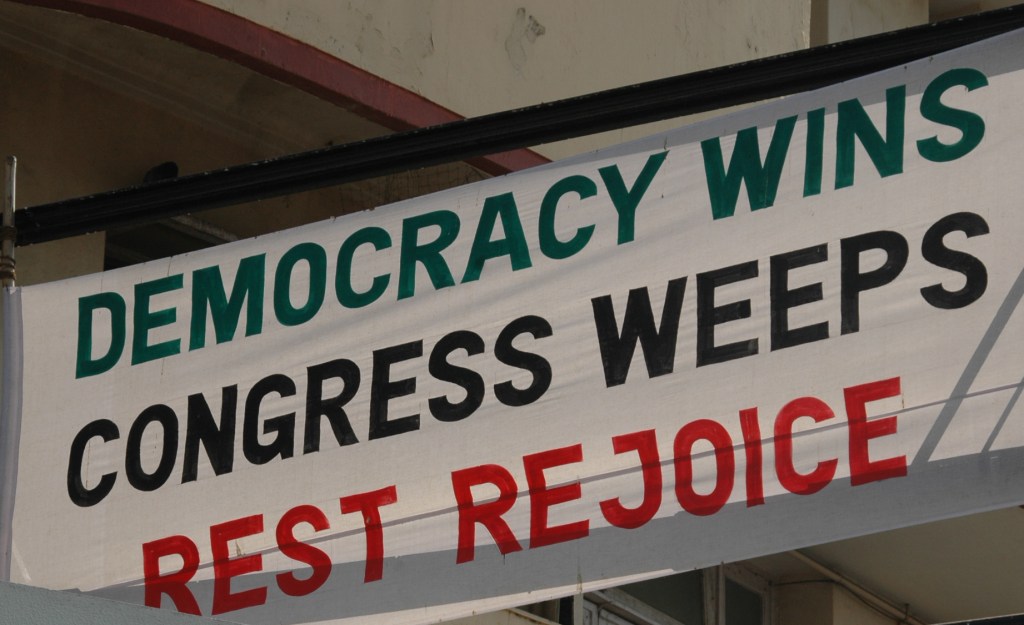
I don’t have photos of how people make a living beyond the public, visible arena. People in political life? Nope. The people in India’s Parliament House or the Supreme Court are certainly off-limits. Of course, I do see bits and pieces of political life in signs, posters, graffiti, and street art. People who are entertainers, or people of Bollywood, other cultural influencers? Nope. So, what do I see?
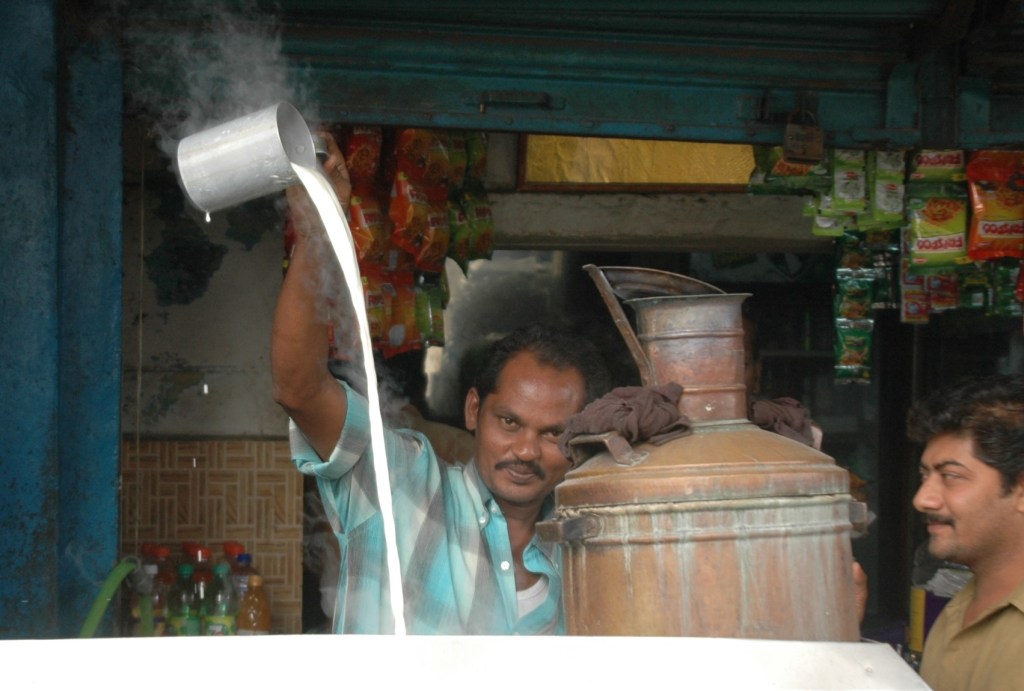
Men are everywhere. On the sidewalks. On the streets and roads. At the stalls. At holy places. First thing in the morning to late in night I see men. I see them preparing the chai and drinking the tai.
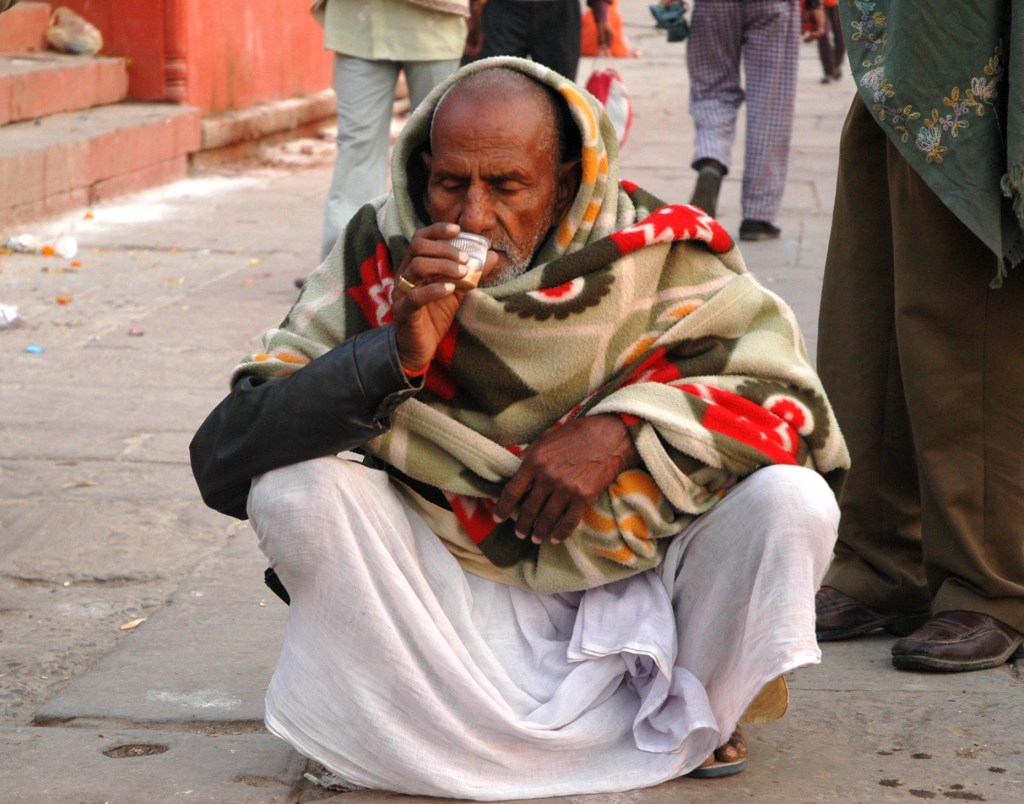
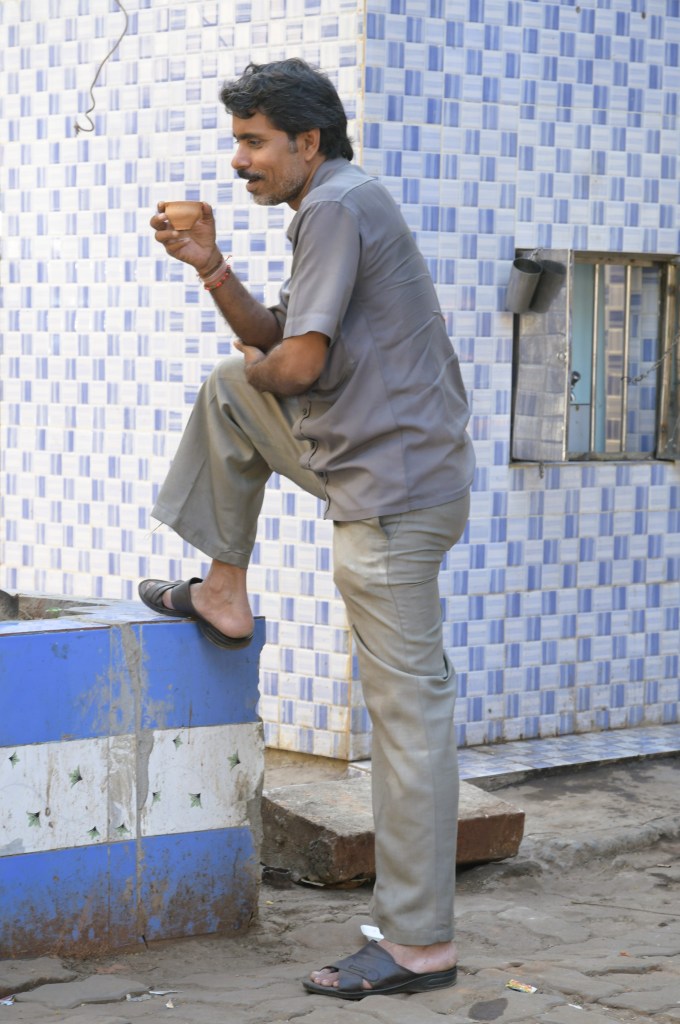
I see them at their early morning puja. Men pedal rickshaws, drive tuk-tuks, taxis, and trucks. I never once see a women doing these transporting jobs. Not once!
I see them as police officers on roads, as road workers.
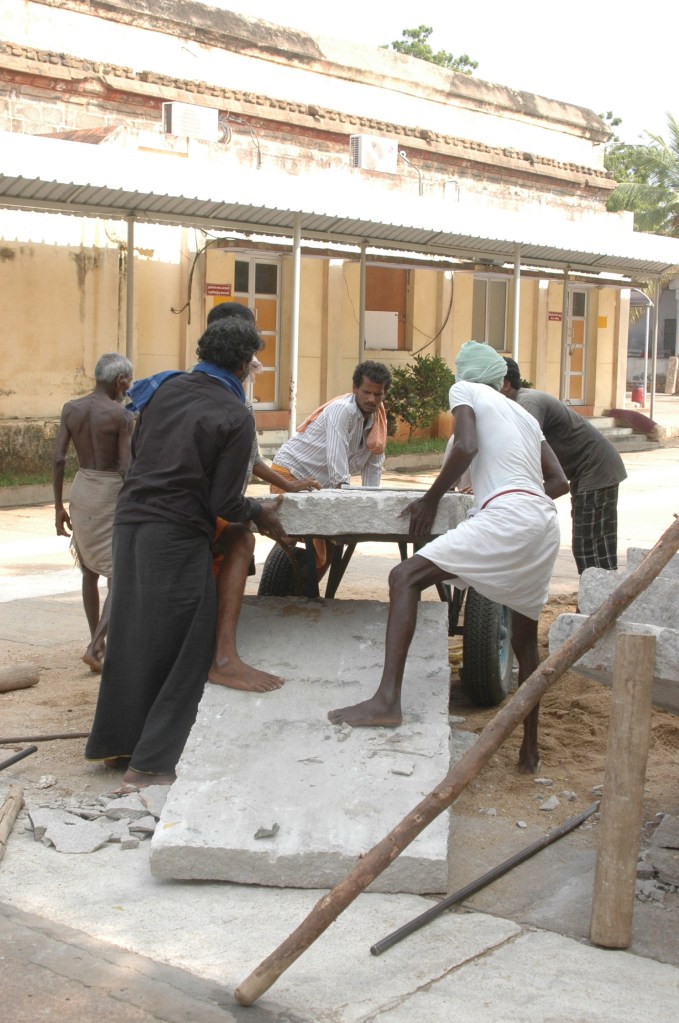
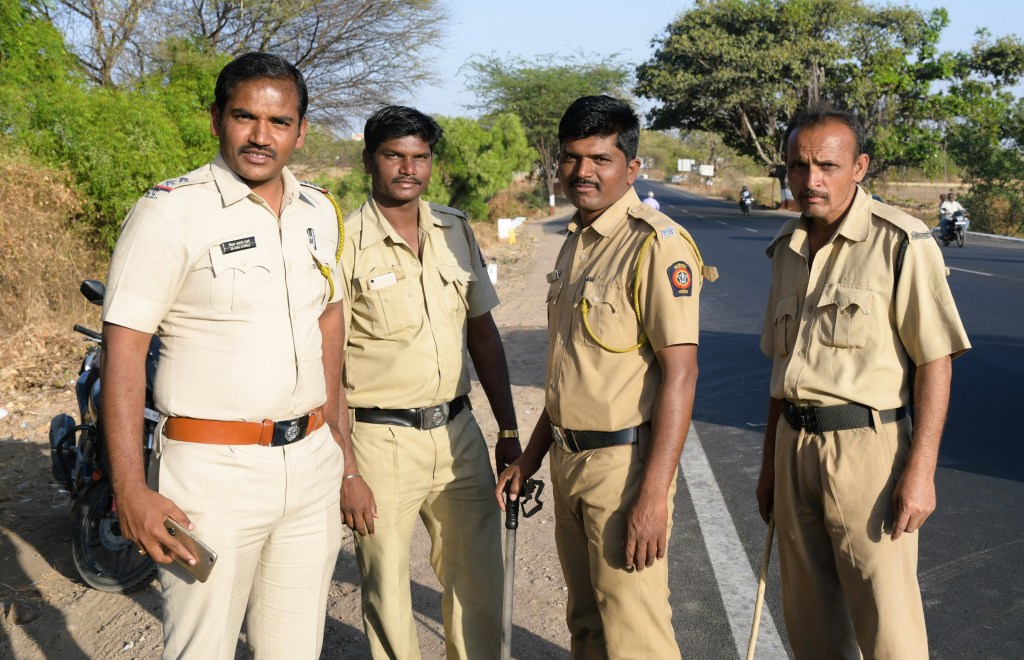
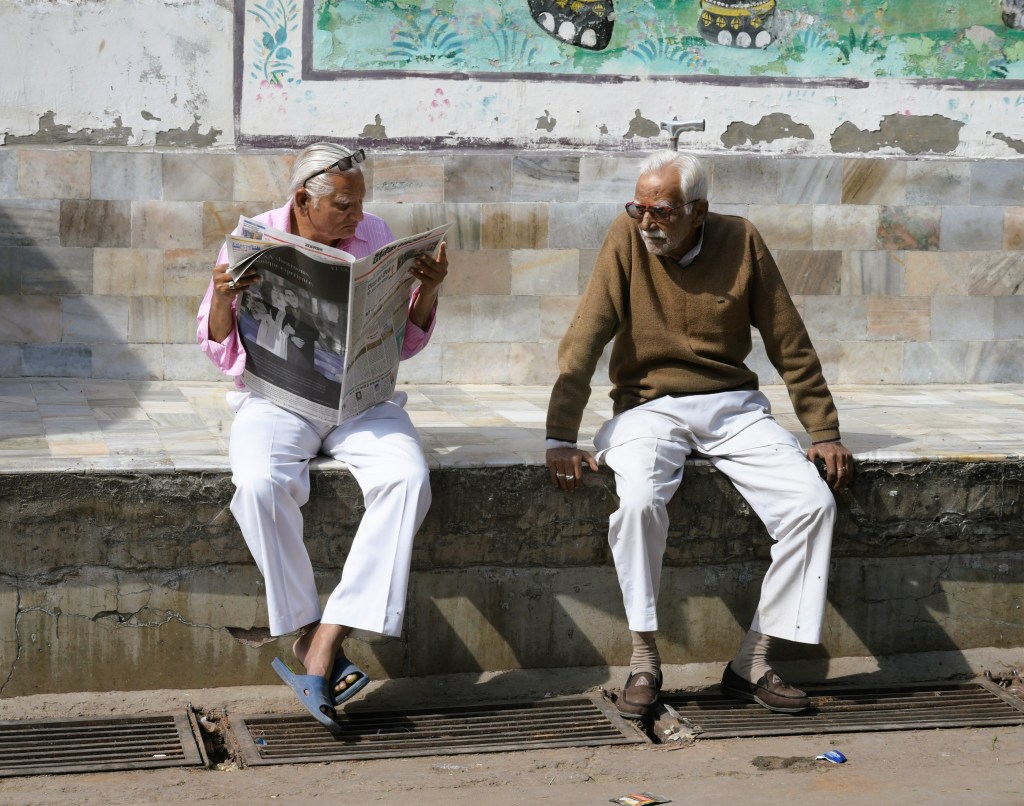
I see them congregating together. Together, men read the newspapers and traveling as pilgrims.
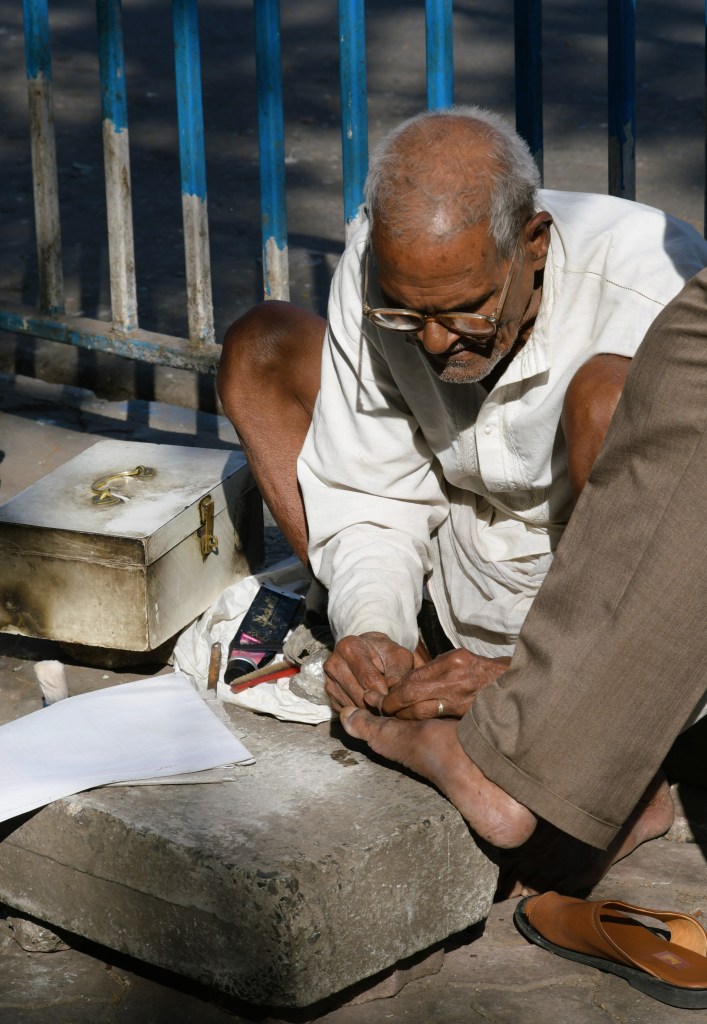
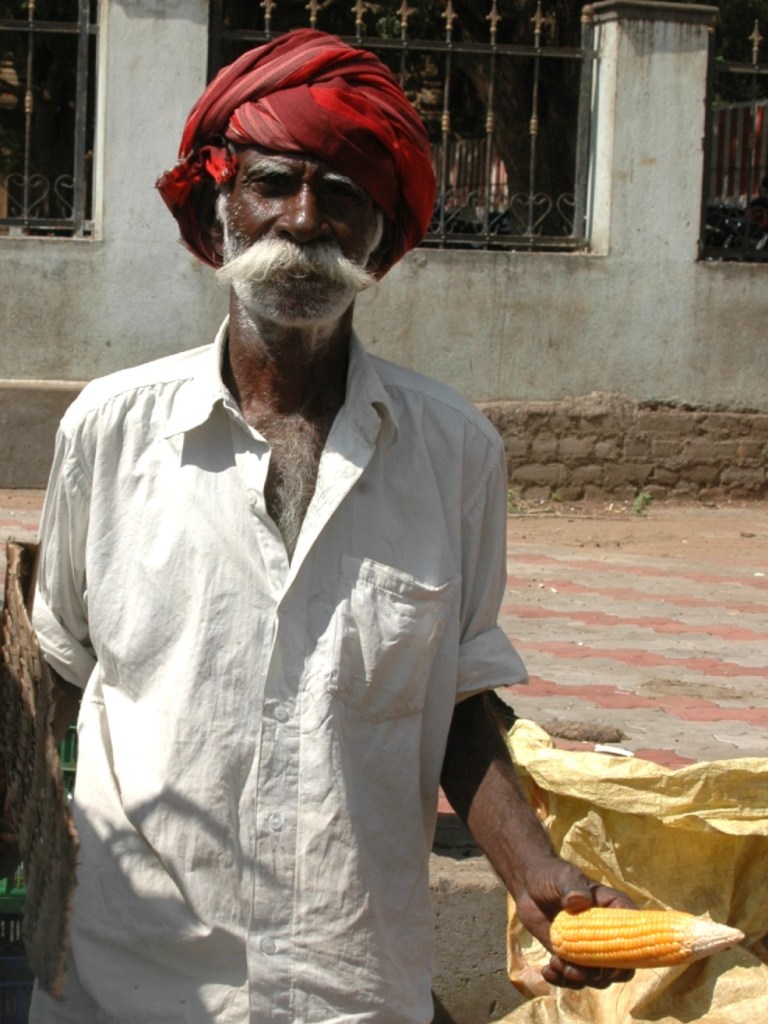
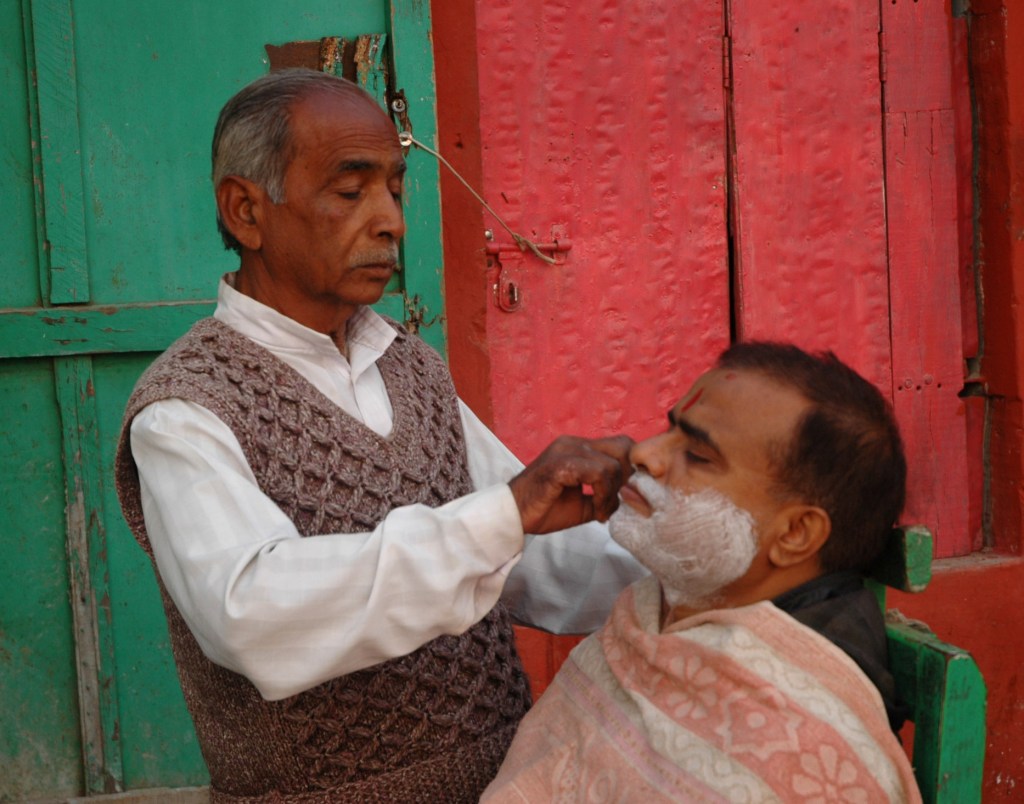
I seem them as entrepreneurs, from young boys on the Bay of Bengal, to a man carefully cutting toenails on a Kolkata street, to men owning flower, fruit, sari kitchen item shops for tourists, pilgrims and ordinary Indians. I see men engaged in some sort of physical activity or sport. Men jog in Delhi’s Lodi Gardens and play cricket or in Mumbai’s large green space Oval Maidan. Again, men not women.
How to understand these views of men? Gender roles are so simple and complicated. Unlike the traditional women’s role of remaining in the home, these men are public figures. They feel comfortable being noticed, and noticing others. I certainly wonder how much privacy exists for these men. But I’d have to observe them and know them in ways beyond what is possible for a simple visitor. Many of these men live lives prescribed by traditional Hindu caste rules. Some of them see posters advertising the latest movie, the men always look tough and rugged, and live their lives imitating those culturally-created roles or the supposed roles of western “real men.”
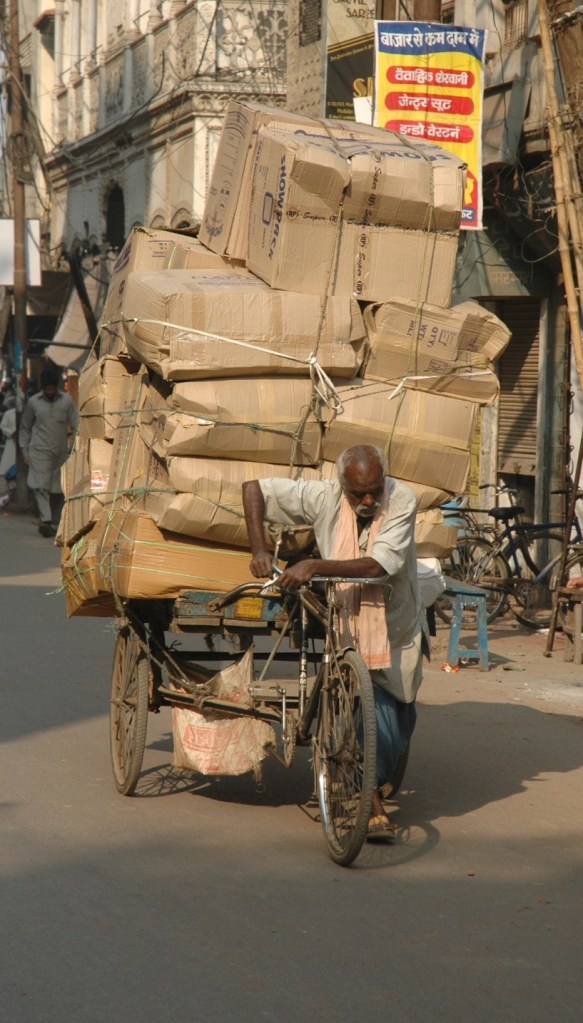
I also notice that I see outdoor workers doing manual work to low-level business activity. There must be a certain connection between men and a lower, economic class. Other men can sty inside where it is air conditioned!
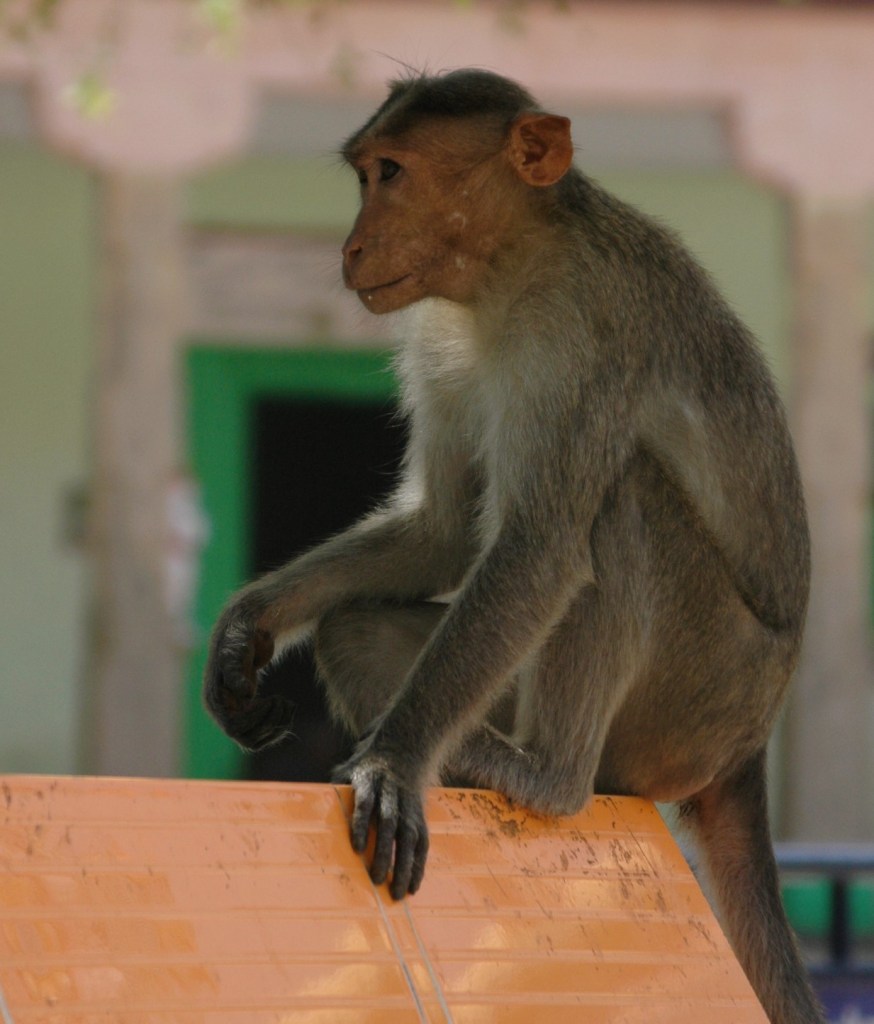
What else do I see? I see animals in the urban areas. As one fellow American put it as we’re flying from Delhi to Dharamsala, “India is a public, outdoor zoo. Not small dogs and cats, but large animals!” Not just any animals, but large animals.
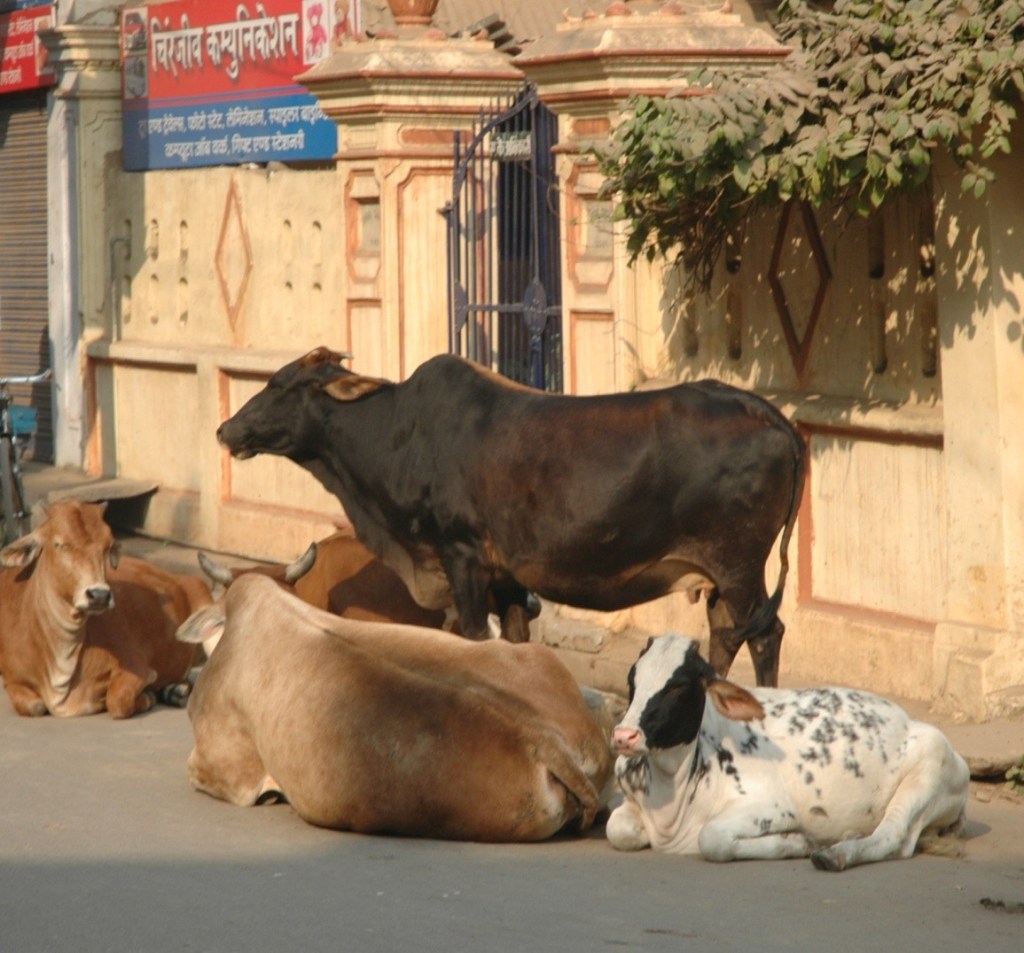
The cows are everywhere. Standing in the middle of traffic, not fazed by traffic speeding by them. Sitting on the ghats near chanting sadhus and bathers. Even if they are not to be killed, people don’t give them the benefit of the break. If a cow has to be moved, then a person will hit them. Jai told me that the cow’s hide is so thick that it hurts the person who smacks the cow more than the cow itself!
While I see animals everywhere, I often see them where the trash is. Even with signs reminding individuals “Keep Delhi (insert other places such as Varanasi, or Kolkata or Chennai) Clean”, the garbage is everywhere. Dogs, goats, pigs, cows, and even individuals are often rummaging through that trash.
I don’t visit the natural habitats of larger animals in India’s national parks. I don’t see the rhinos, Bengali tigers, Indian leopards, Asian elephant. Sadly, in a later trip to Darjeeling, I see the tigers and bears restricted to the small, metal cages prominent throughout the American zoos in the 1950’s and 1960’s.
How to understand the urban wildlife that I see? The India that I see contrasts with our backyard and neighborhood. We see small wildlife. Chipmunks, squirrels, opossums, an occasional raccoon or fox. In our backyard, the birds thrive. From bluebirds to redbirds, from finches to crows. An owl, a hawk, a heron. All claim our property as a source for water, food, and shelter. Such a contrast makes me wonder how long ago Americans removed wildlife, bears, coyotes, and deer that might have frequented downtown Atlanta? What has happened in India that small animal life and birdlife is not as prevalent? Again, too many questions for a short-term visitor to be able to answer.
To repeat, being a visitor means very limited access to a host culture and society. Despite those restrictions, there is so much to observe and wonder. Just be careful drawing too many inferences from that which is seen!
 Journeys: Explorations in Body, Mind, and Spirit