
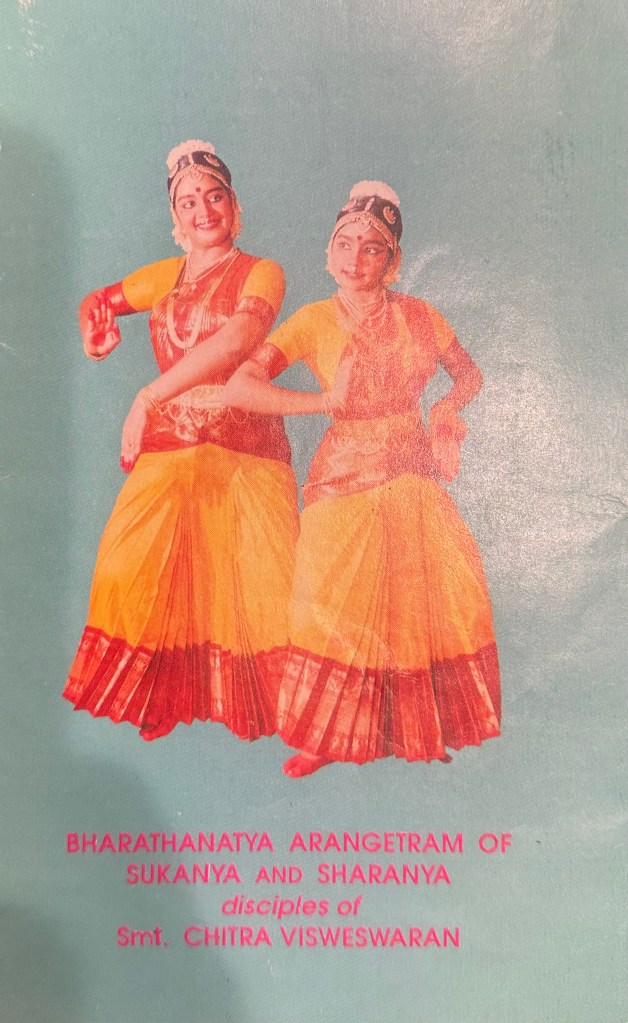
We have a free night! Despite being exhausted, we see that there is a classical dance performance not far from our Madras hotel. Several of us decide to attend!
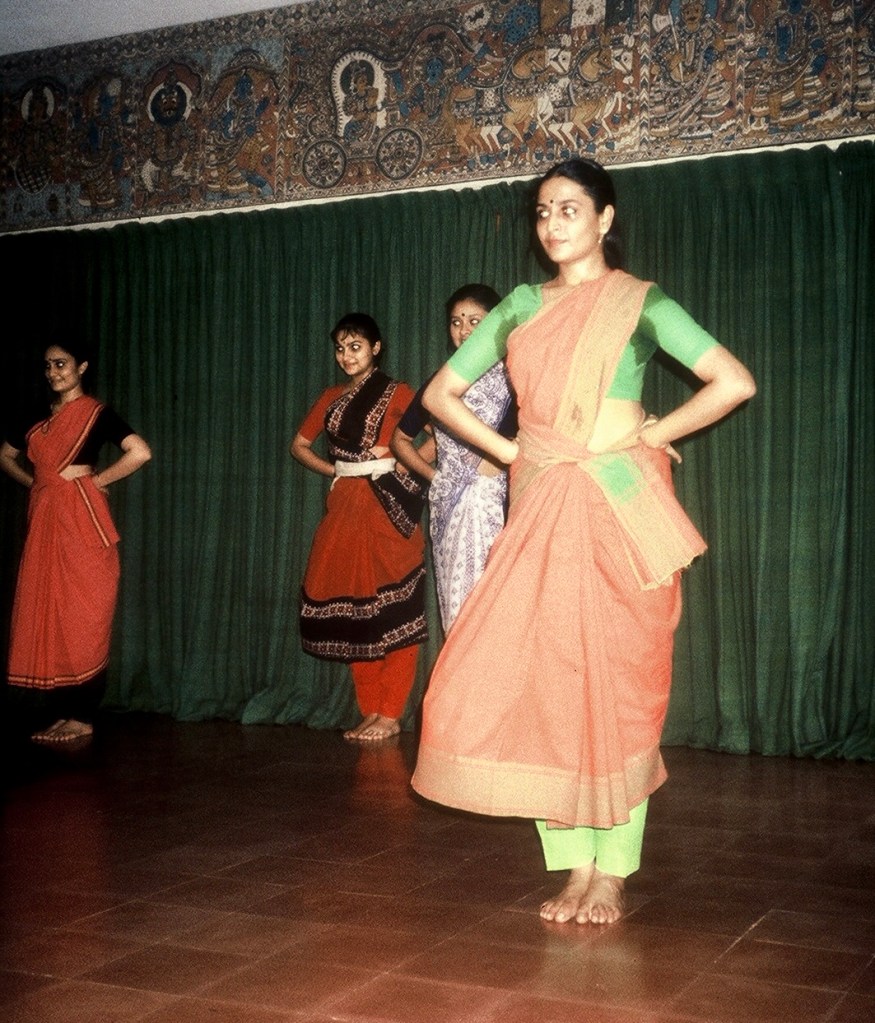
We enter the small auditorium. We are directed to sit on the front row of the auditorium. Unfailingly kind, the ushers wanted these American visitors (us) to have the best seats in the house! Gradually, the auditorium fills up with another gentleman eventually taking a seat next to me. We chat briefly. Before the performance begins, I cross my legs. In the movement, I almost touch him with the bottom of my shoe. Quickly looking at me, he says: “It is okay for you to sit next to me, but please don’t touch me with the soles of your shoe.” Okay! Here are words that I didn’t expect!
This warning, a not-so-subtle warning, involves purity. If I touch him, an observant Hindu, with the bottom of my shoe, a leather shoe that has been in contact with “who-knows-what” on the Madras streets, then I pollute him. This classical dance performance isn’t simply entertainment; the performance has a religious dimension. For him, the dances’ religious significance will be ruined if he is stained in as simple a manner of my shoe touching him.
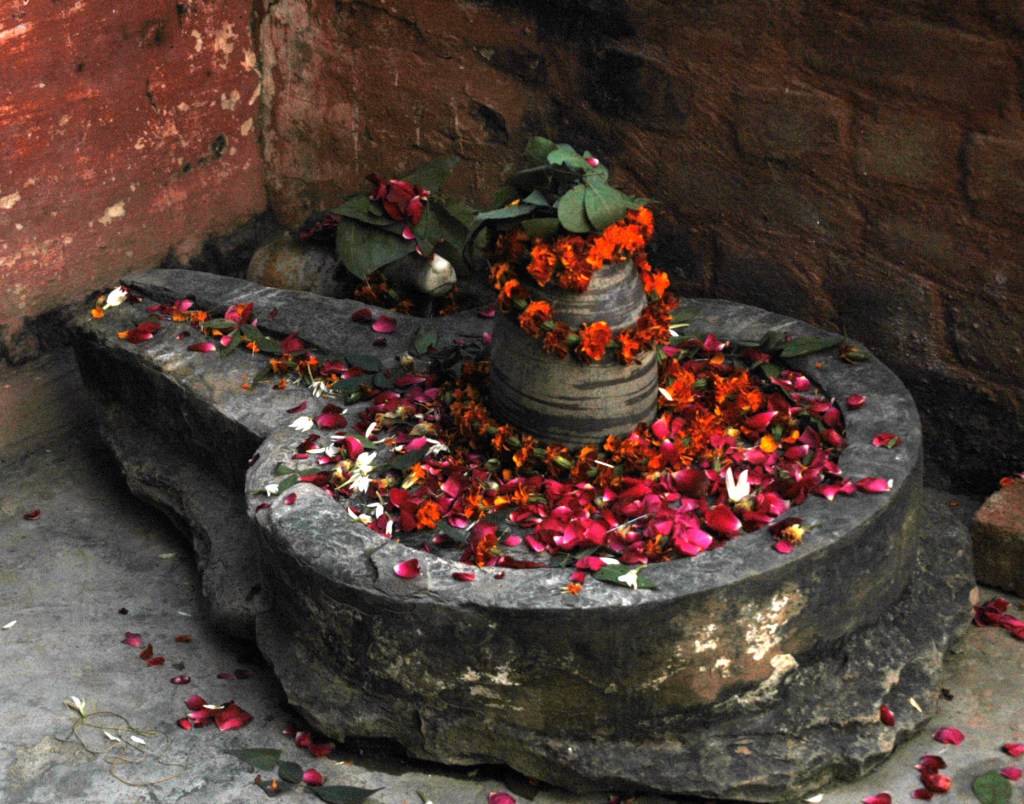
A few days after that evening, I meet Professor Raymond Williams, an American Religious Studies professor. At some point in our conversation, I mention that experience. “You aren’t alone!” Raymond describes a time while he is studying a particular south Indian temple. After wandering around the temple, he stops at the temple’s water tank which is for purification purposes. Wanting to rest, he stretches out his foot and places it against a stone. A man quickly comes up to Raymond and says: “Excuse me, but you might not want to put your foot there; somebody might be upset.” Removing his foot and looking more closely at the stone, Raymond realizes that it was a lingham, a stone symbolizing the god Shiva. Oops!
Like all religious systems, Hinduism offers ways to make sense of how to act and how not to act. Classical texts such as the Law Code of Manu prescribe behaviors as well as condemn behaviors. In regard to purity, the Manusmirti 6:92 claims: “Steadfastness, forgiveness, self-restraint, non-stealing, purity (saucam), control of sense-organs, application of intellect, self-knowledge, truthfulness, and freedom from anger—these constitute the tenfold aspects of virtue.” This virtue of purity is reached by one’s mind. “The body is purified by water, the internal organ (mind) by truth, the soul by sacred learning and austerities, and the intellect by true knowledge.”
Yet, there are beliefs and customs related to physical and behavioral aspects of purity. “Water, at a drinking booth in the forest, or in a jar, or in a well, or in a water-pot, or in a stone-cup, or in a leather-bag, is unfit for drinking, except in times of distress.” Manusmirti 5:126. In relation to classical dance, “The stage is not a floor of wood or stone; it is the sacred body of Mother Earth. We dance barefoot to ground our energy and beg her forgiveness for treading upon her.” And, in relation to touching another person with one’s foot, there is a social taboo. “The feet contain a bundle of energy channels (nadis) transmitting life force. To touch another with the foot is to misdirect that energy; to touch them with a shoe is to disregard their inherent divinity.” Fascinating!
Part of visiting another country is enjoying their arts. Part of visiting another culture is learning their social taboos. No matter how awkward that might be!

