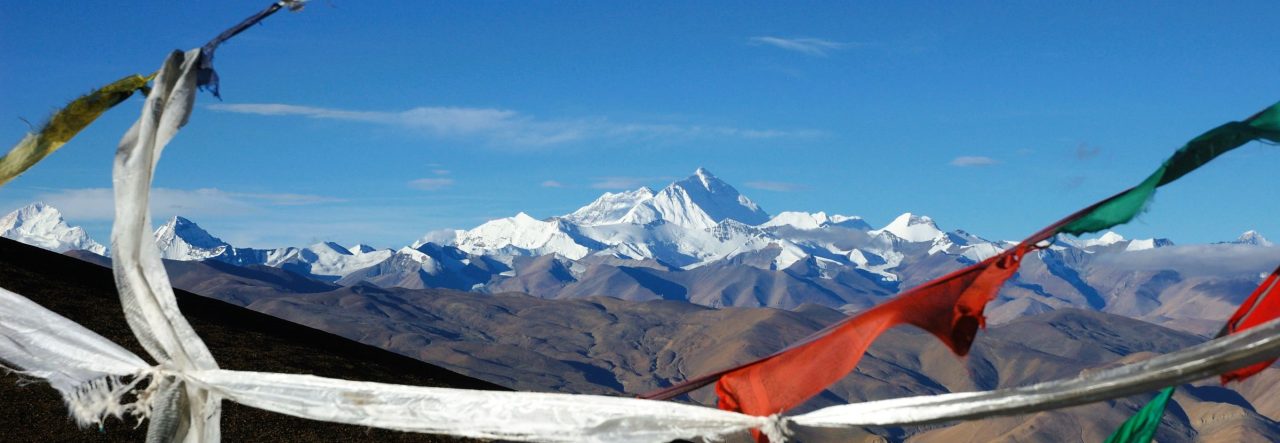
“No man steps in the same river twice.” Heraclitus
“No person walks on the same path twice.” Lindquist
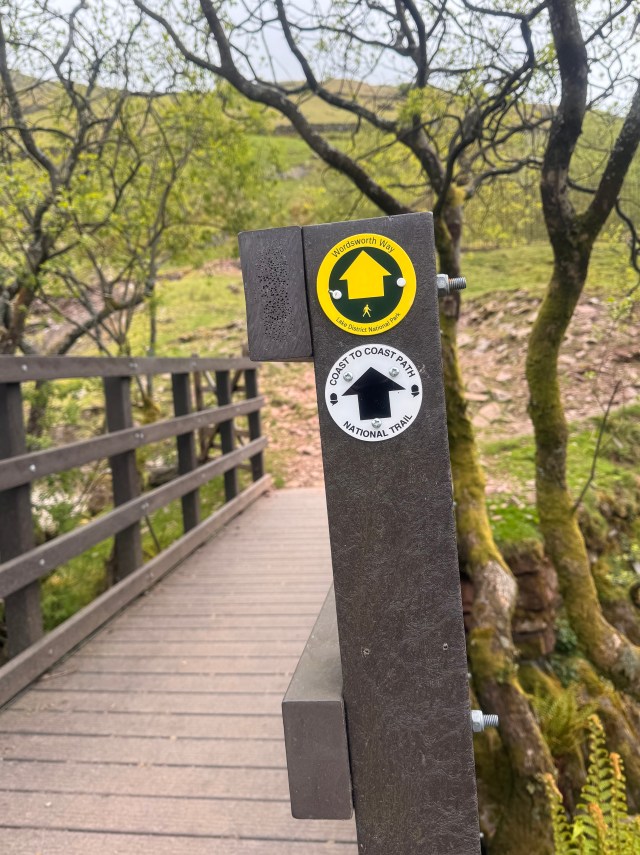
One way to appreciate the Coast to Coast trail in the Lake District is through William Wordsworth’s classic metaphor in Guide to the Lake District. Place yourself in the center of the district, an area probably 35×45 miles in size. From that point, ridges and summits radiate like “spokes of a wheel.” The lakes, streams, pastures, and meadows are between those spokes.
The summit, or “fell,” spokes aren’t gigantic. As the tallest is Scafell Pike at 3200 feet, the summits are smaller than the Smokies. However, because they are almost barren on top, I see only moss, lichen, and tough grasses. The condition is Arctic-like and I feel like I’m walking in Colorado’s San Juan mountains. The “official” lakes number sixteen, but there are probably more than a hundred small “tarns” no larger than several acres. Looking down on these smaller lakes in bright daylight, the lakes look like turquoise jewelry. Beautiful.
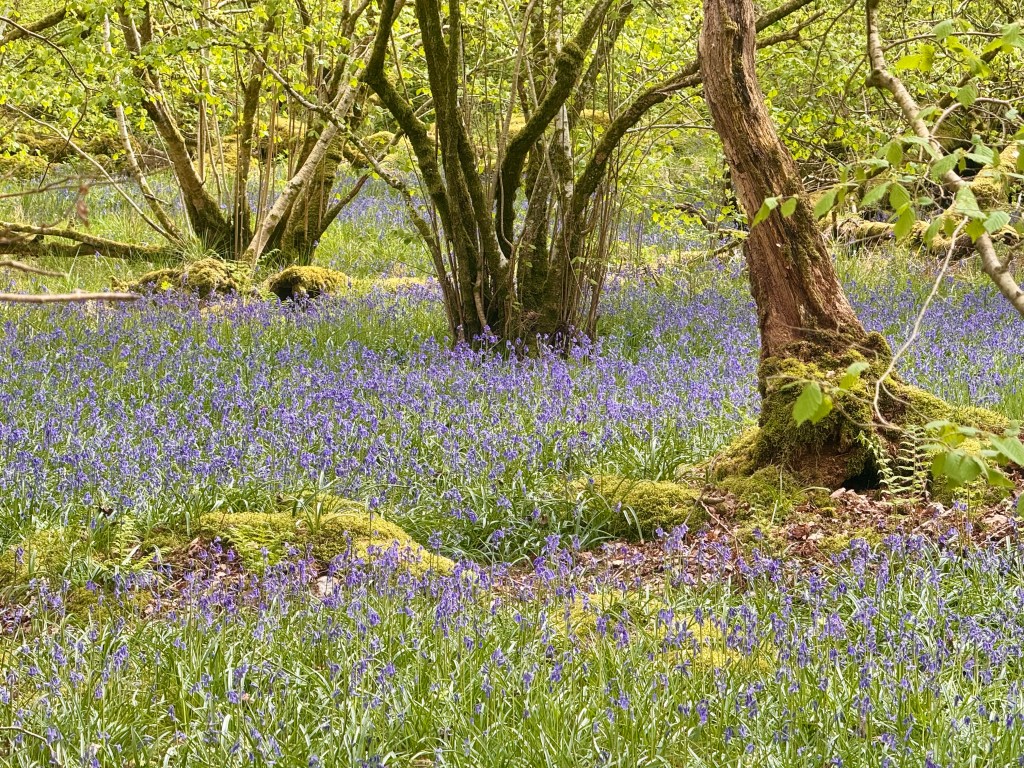
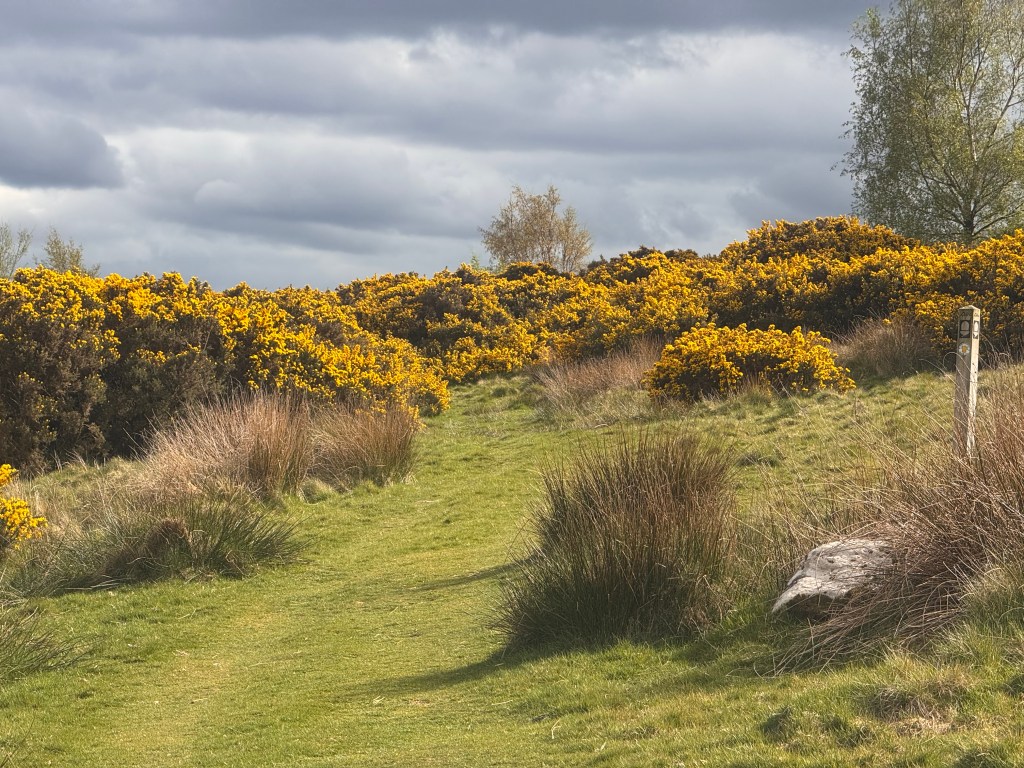
So, back to the paths. There are paths along the mountain streams that are soft, grassy or soft dirt. Alongside these streams, I might find bluebells or moss covered trees. Two days ago I strolled for 200-300 yards on a path surrounded by blue bells. Nice! I cross ancient stone or recent wood bridges. I feel like stopping and simply laying down if I didn’t have to get to my night’s destination.
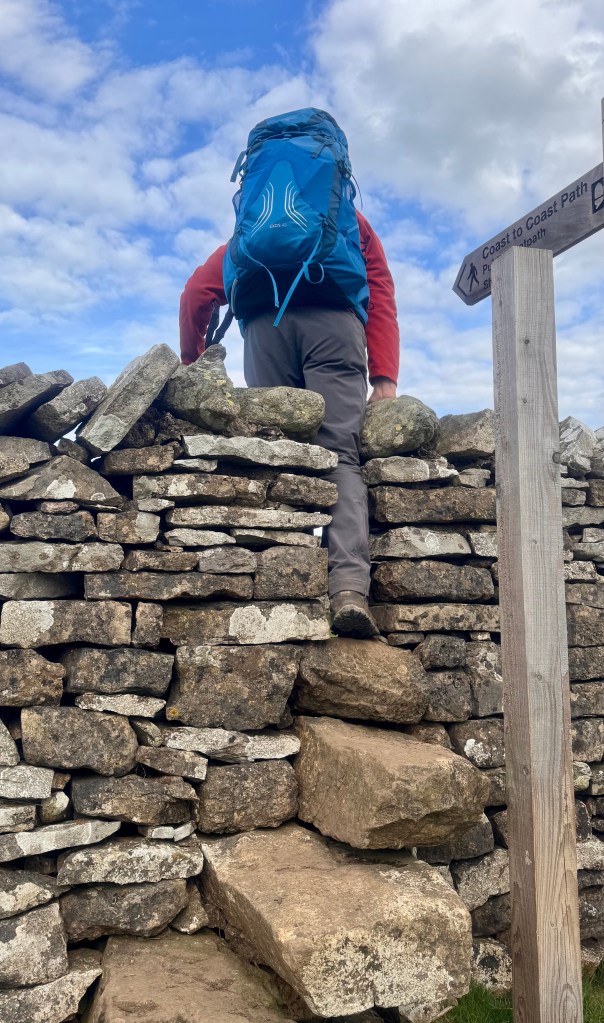
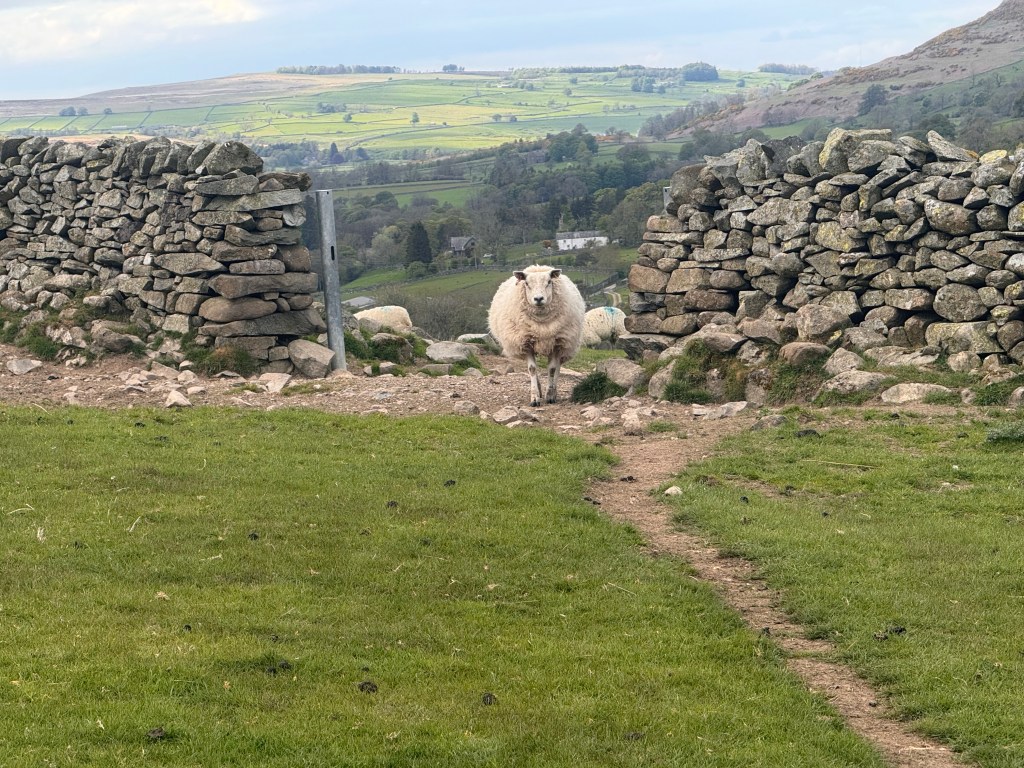
After negotiating a stile, the paths cross pastures. The sheep stop their eating and simply stare at me. “What is this creature coming toward me?” At some point, they either slowly move away or jolt into movement after recognizing that I’m quite a threat. The path is a mixture of pasture grass and soft, compacted soil made into a trail by thousands of previous walkers.
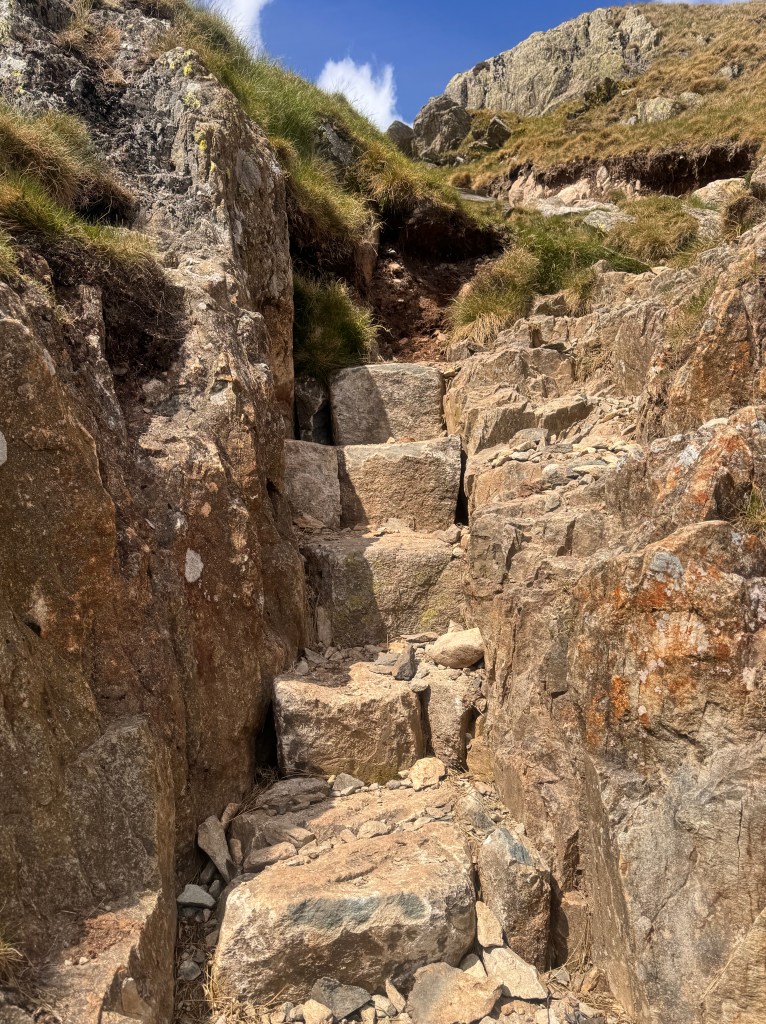

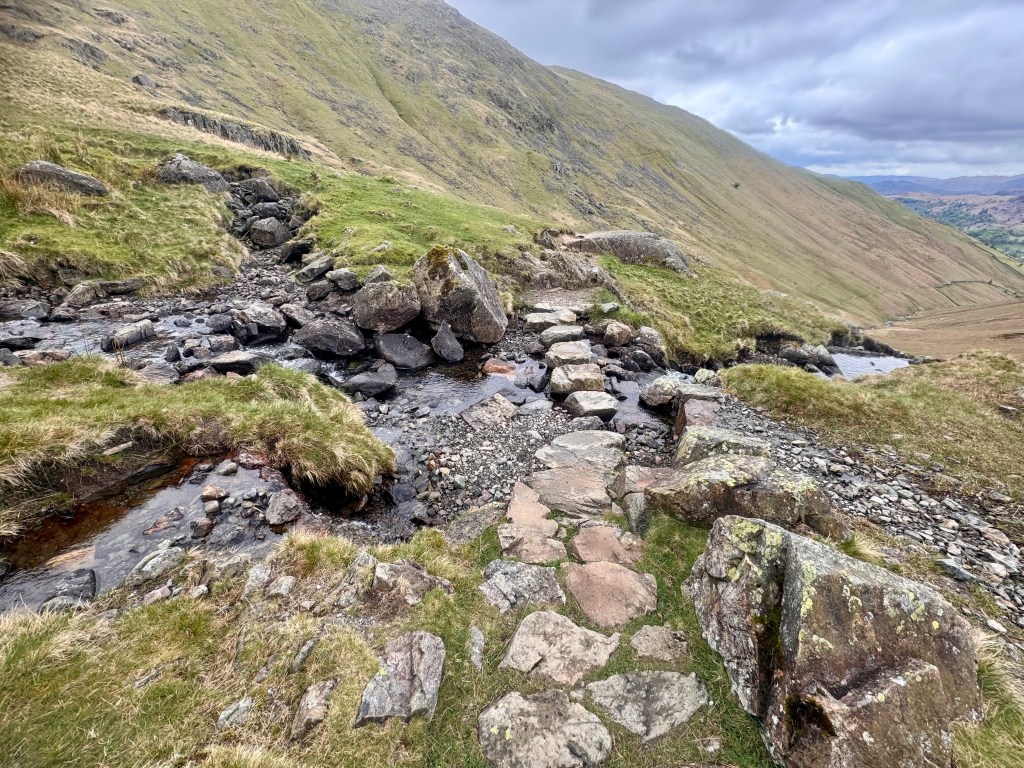
Then there are the paths climbing to the ridges and summits. Usually, there is a discernible path; however, there are times when I simply pick a cairn or a point and make my way to that point. These are the toughest paths. Inevitably rocky. Flat rocks. Round rocks. Sharp angular rocks pointing upwards. Small rocks in the hundreds that are like loose gravel. Irregular rocks which mean irregular stepping or climbing. Between Patterdale and Shap, as I leave the Lake District, my 15-mile walk has an elevation gain of approximately 4200 feet. That is a lot of walking up and down on rocks!!!
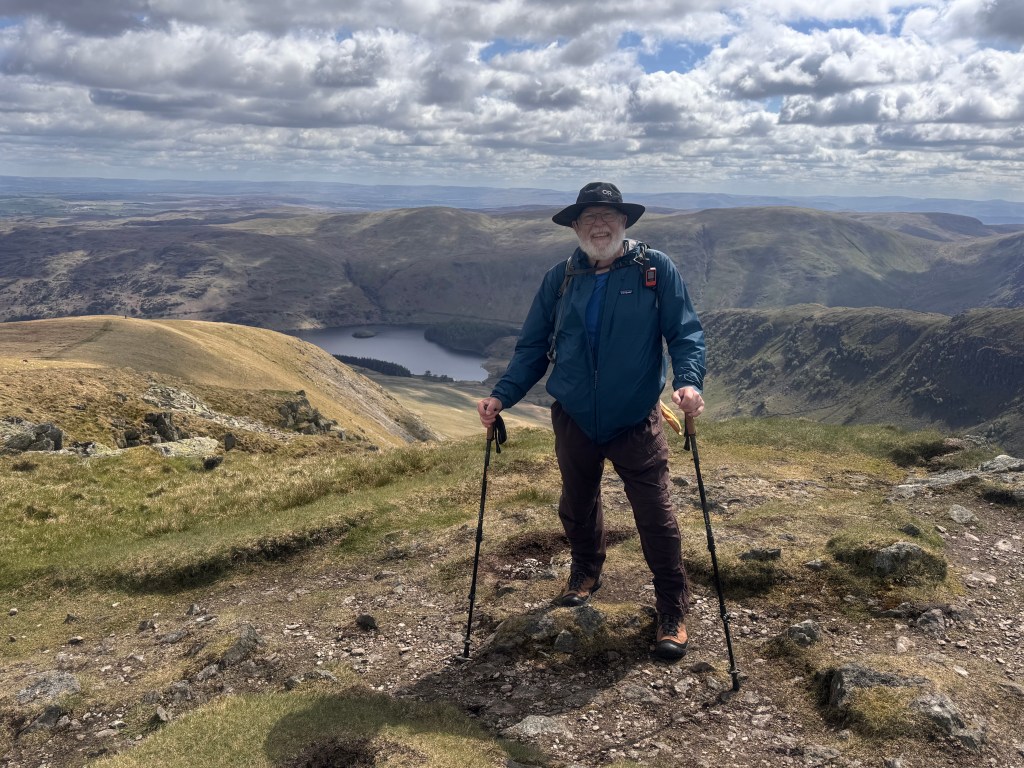
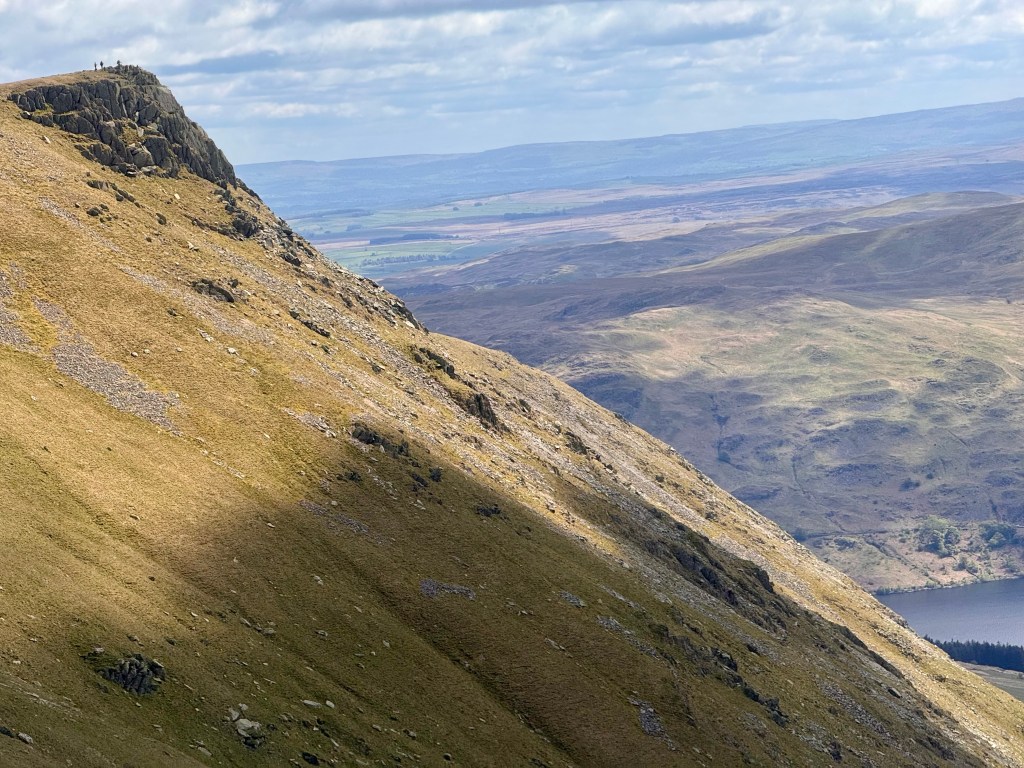
Finally, there is the path on the ridges. Of course, the best point of Lake District walking is looking down from a summit to the lakes. The best point of walking to the peaks, in my opinion, is the walking along a ridge. Yes, the path is rocky; yes, the path is sometimes narrow (I met a woman who was walking with friends and who suffered vertigo, yikes!!!) At least, the ridge paths are the best if a storm system isn’t coming your way! But, boy, the ridge paths are glorious.
One last comment. When I hike in other places, I’ll usually see one, two, maybe three trails. Not in the Lake District. Anywhere in a meadow, I’ll see trodden down grass. Paths going in every direction. Anywhere on the mountain side I’ll see a dozen other trails going all sorts of directions, toward all number of other peaks and lakes. Or, maybe to a nice stretch of grass that the sheep love.
Paths. Varied. Tough and easy. There is a metaphor here somewhere.

