
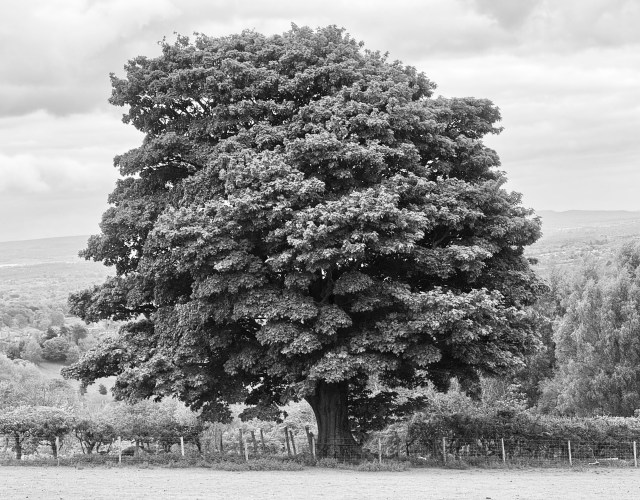
In Atlanta, we have six Oak trees, five Japanese “Red Cedar” Cryptomeria, a Gingko (the oldest living species at 200 million years), and a Dawn Redwood (also probably million years old). I’m not counting the seventy Japanese Maples from dwarf to mature twenty-five year olds. Maybe growing up with mature, stately street Elms in Springfield, maybe seeing all the giant Sequoias while visiting Chuck and Donna, my brother and sister-in-law in the San Francisco Bay Area, maybe enjoying the fall colors of New England Maples while in New Haven, I simply love trees.
Trees may be the most essential, the oldest, the largest, and one of the most amazing life forms. Absorbing carbon dioxide and release oxygen, they help produce the air that we breath. From a 5,000 year old Bristlecone Pine tree in California (named Methusaleh after the longest aged person in the Bible) to 1,000 year old cemetery Yew trees in England, trees have learned to adapt and survive in all types of environments. While the Coastal Redwoods are the largest single trunk tree (taller than Big Ben), there are Colorado Aspen clonal trees, trees sharing the same roots, which is over 100 acres large. Discovered only during our lifetime, we’ve learned that trees (centered around a “mother tree”) communicate and share water and sugars with each other through underground fungi networks. Scientists call it the “Wood wide web.” Amazing!
Trees colonized England after the last ice age, some 12,000 years ago. Before extensive cutting of trees for a navy and for use in mines and railroad ties, England had a dense tree coverage. Not so much anymore. Land is still designated as “Royal Forests.” Even though I’ve not walked through “Royal Forests,” I’ve learned that these forests often included pasture and other land, not necessarily miles and miles of trees.
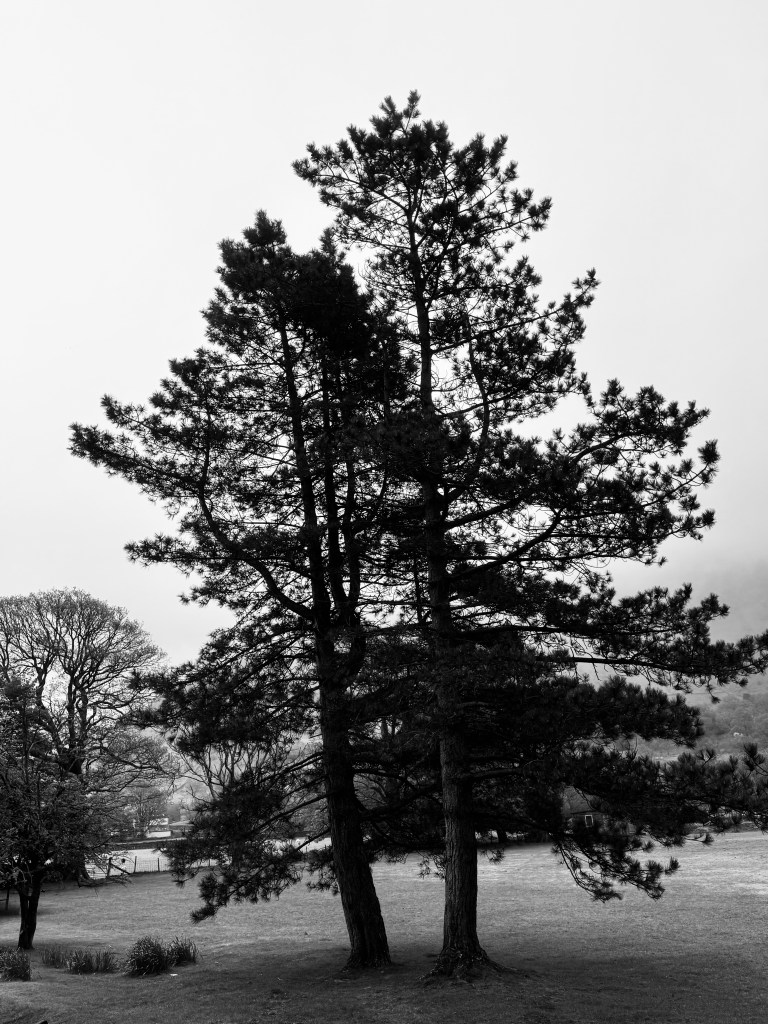
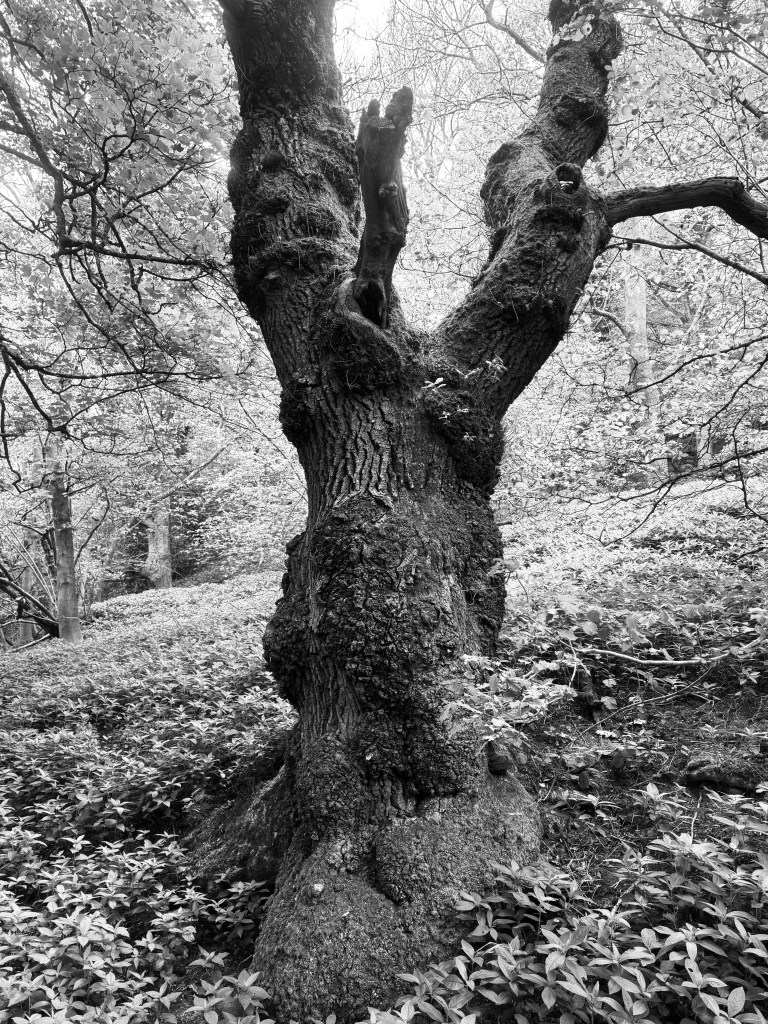
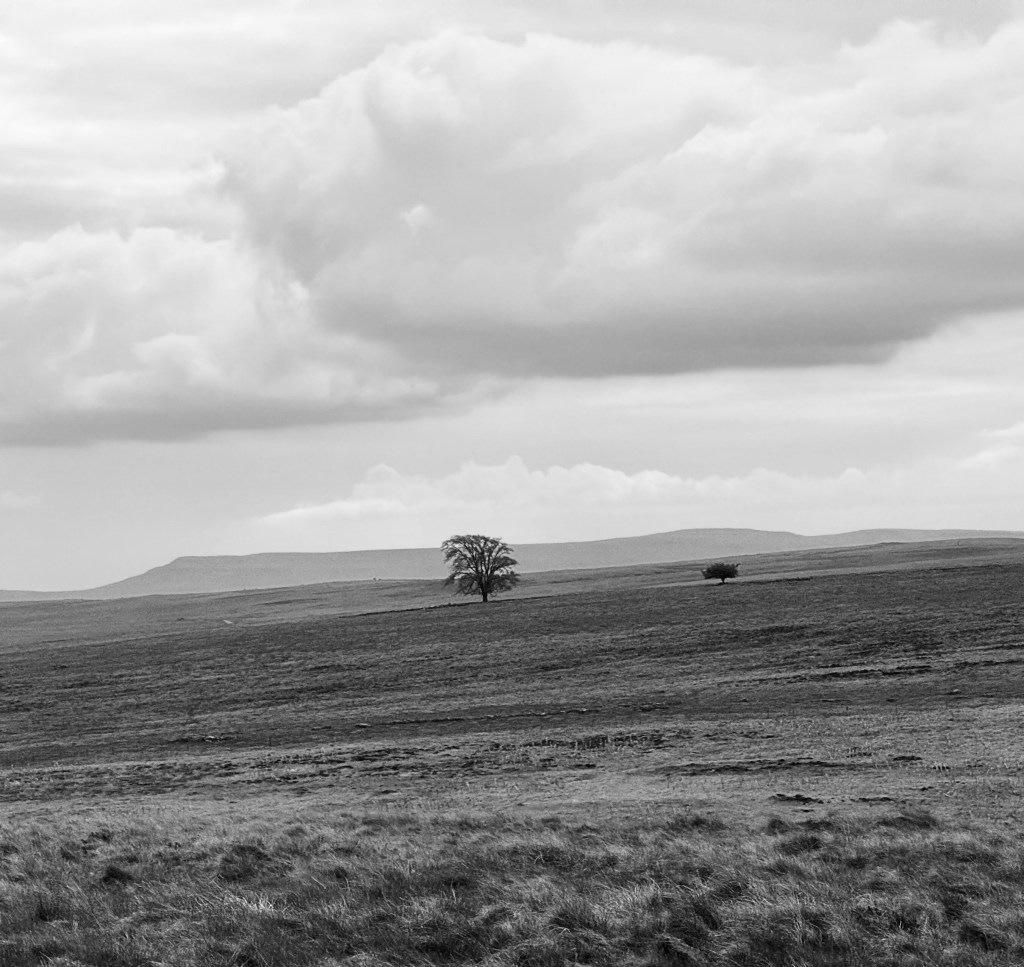
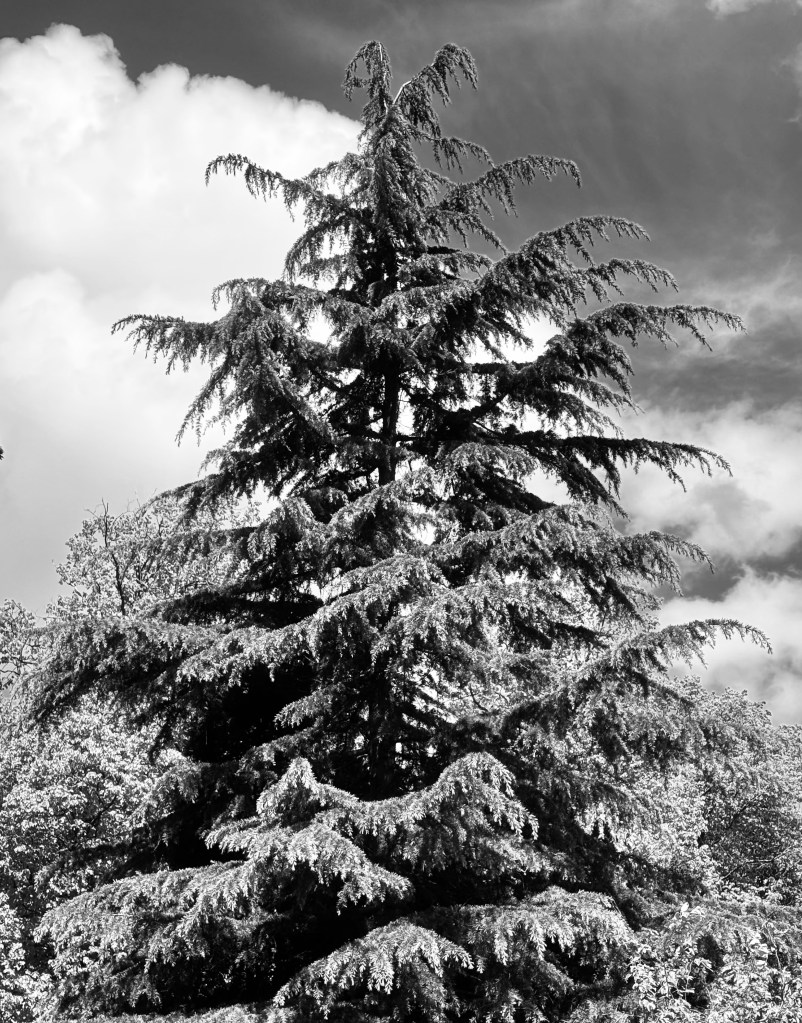
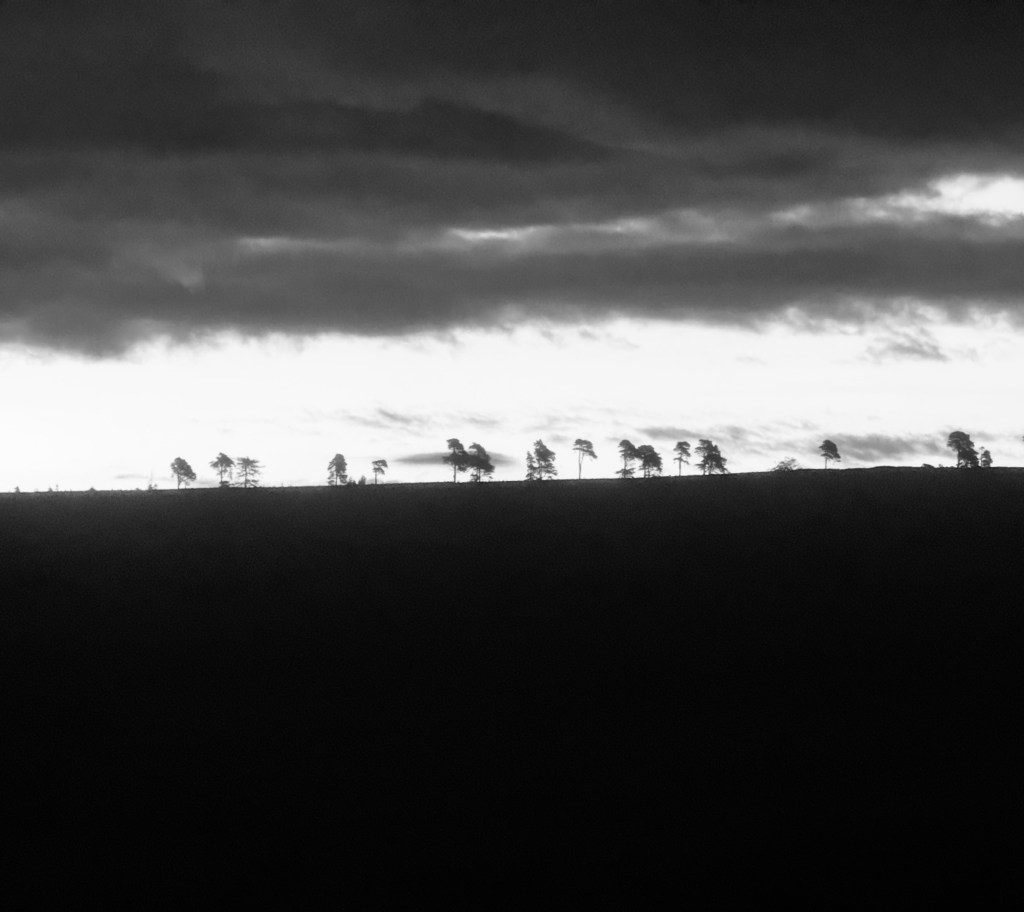
I enjoy seeing the young saplings only beginning their life. I enjoy walking through a grove of trees where a variety of trees seem to be partying. I enjoy those five or six trees lining the top of a ridge which seem to say “Notice us!” I enjoy the solitary tree in the woods whose friends now all lay horizontal on the ground.
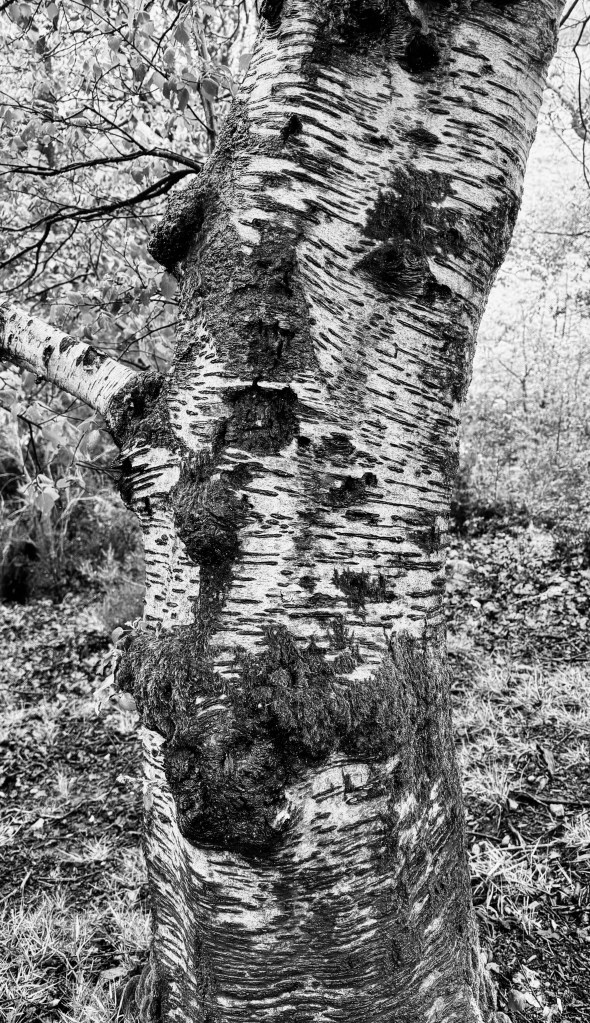
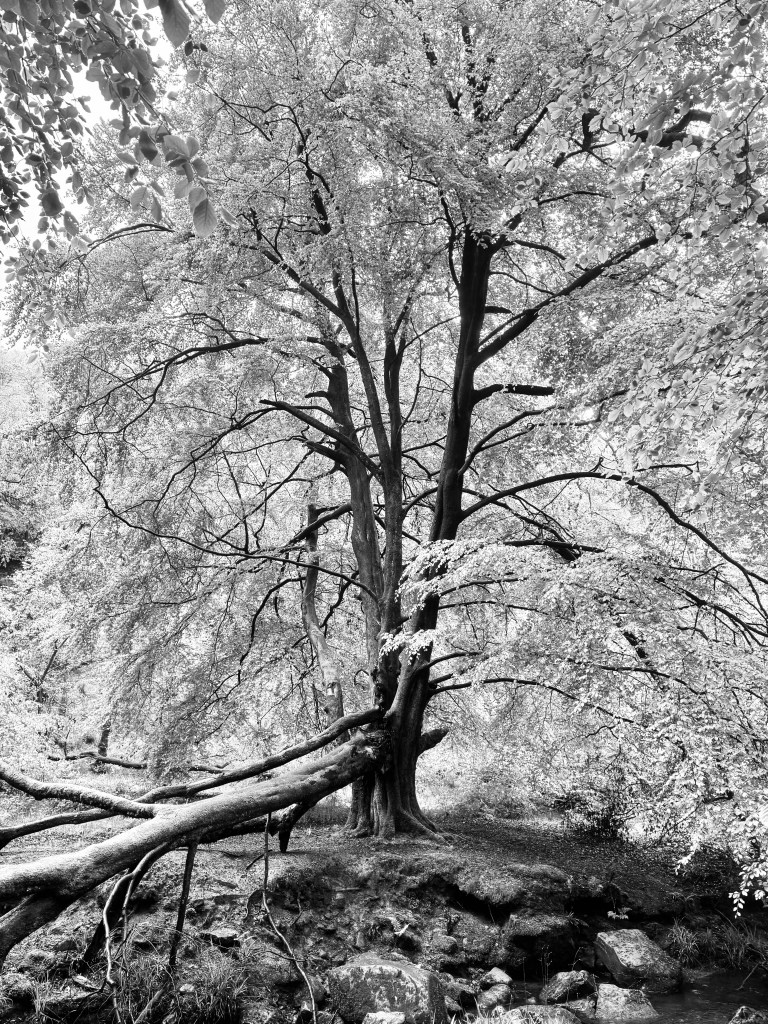
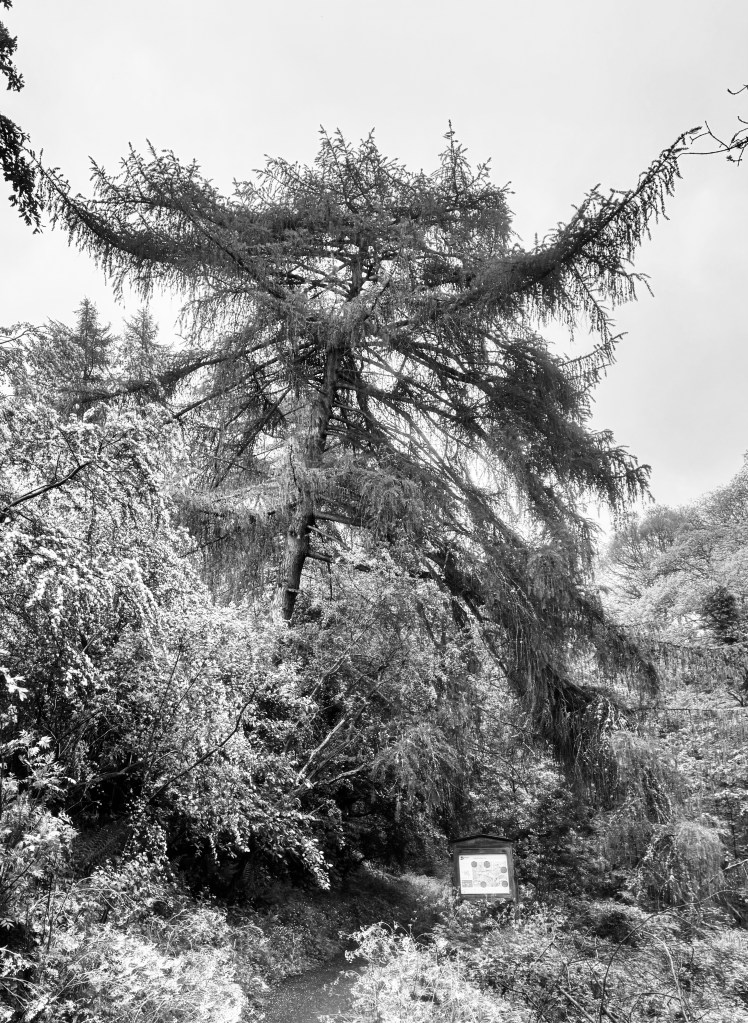
I notice the variety of barks. The trunks that have had messages written on them. I notice the trunks of trees that have been split or lost a major limb. I notice the “coppiced” trees, severely pruned only feet above the ground to stimulate new life. I notice the plantation trees that have been felled or marked for cutting. I notice the ash trees struggling for life like the Hemlocks in the Smokies due to the woolly adelgid.
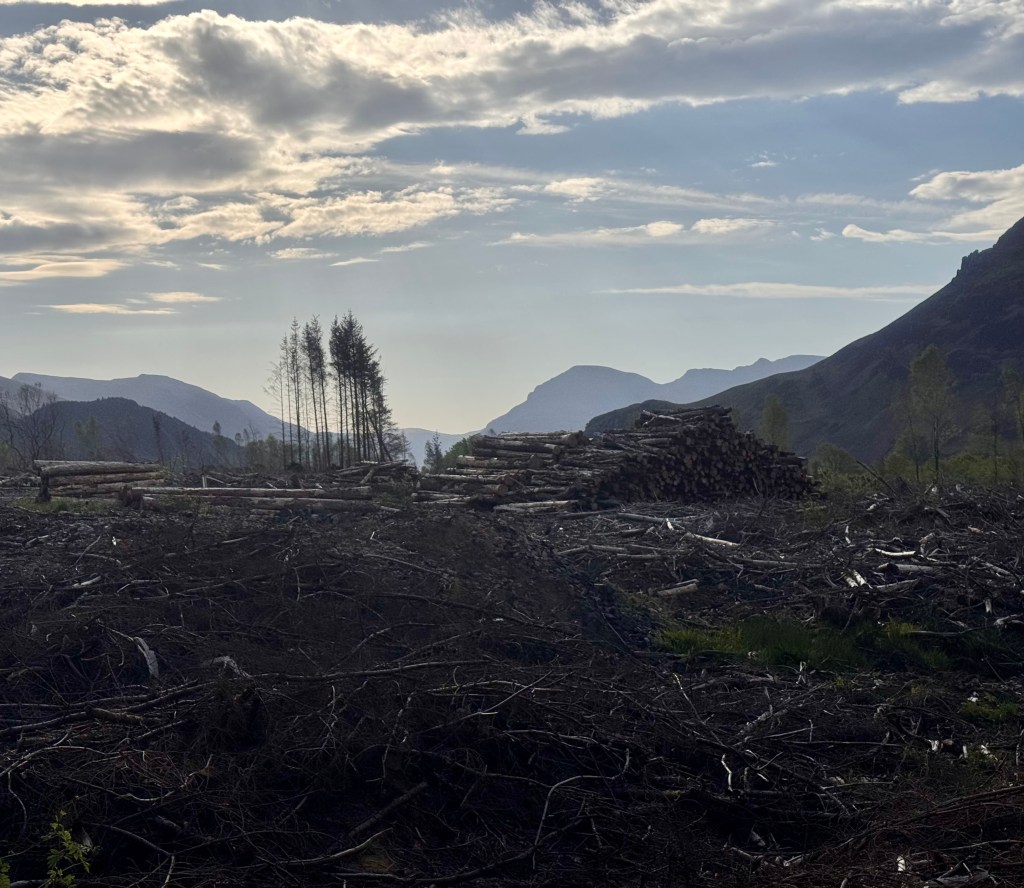
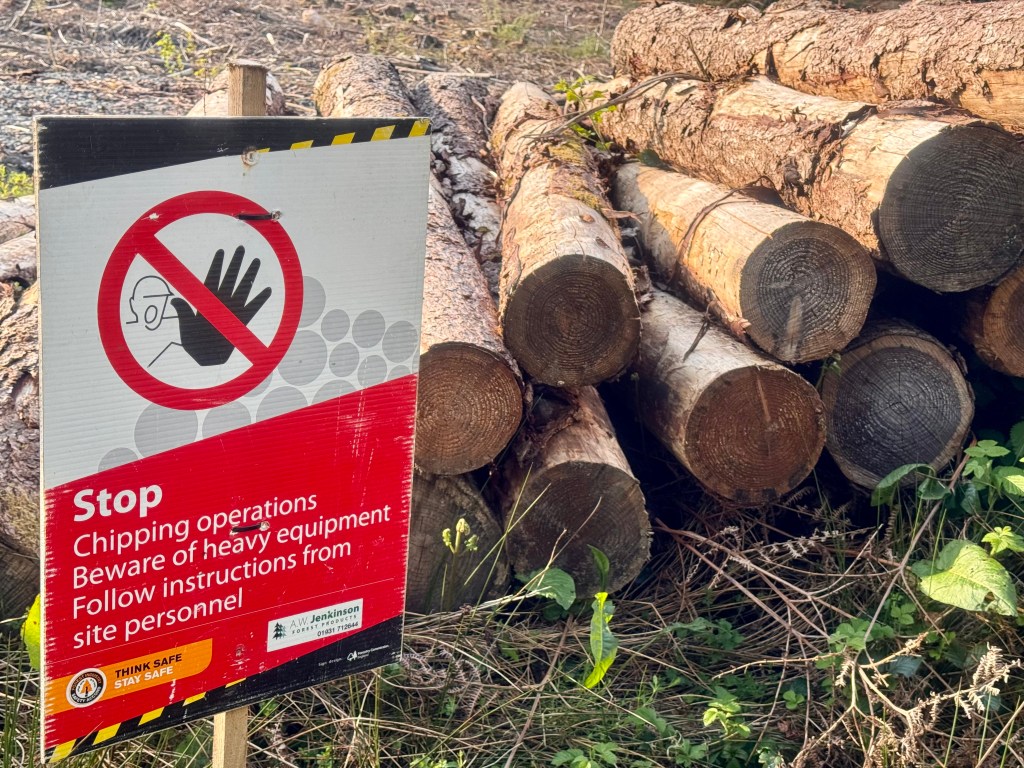
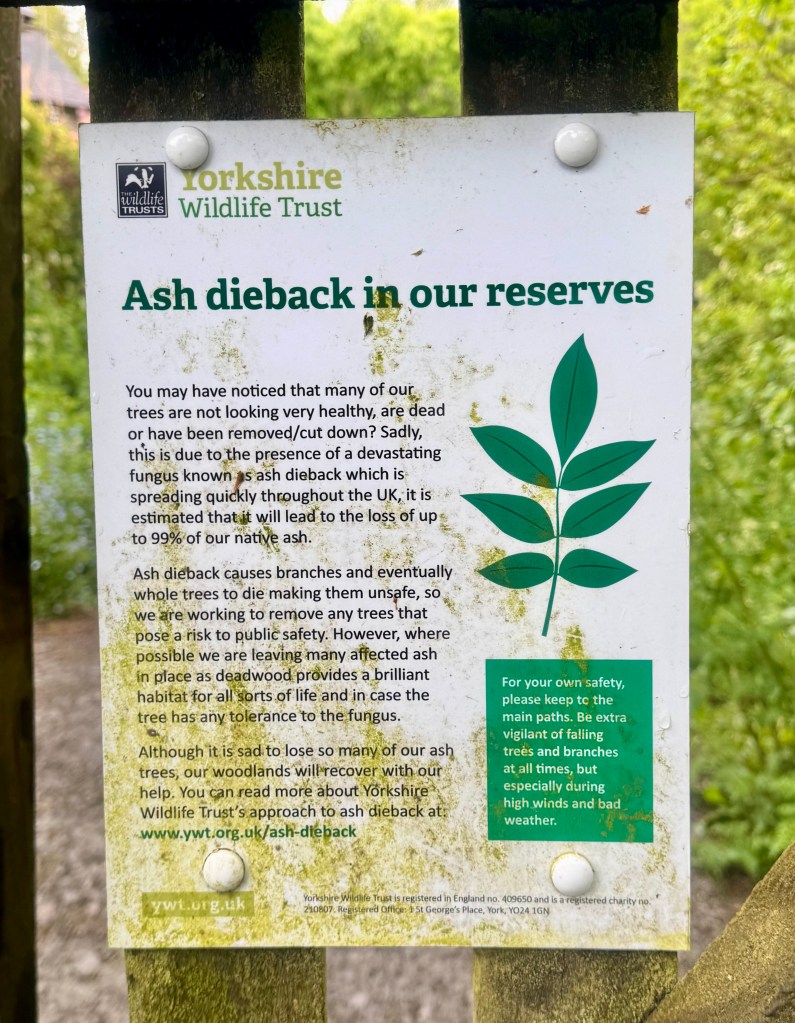
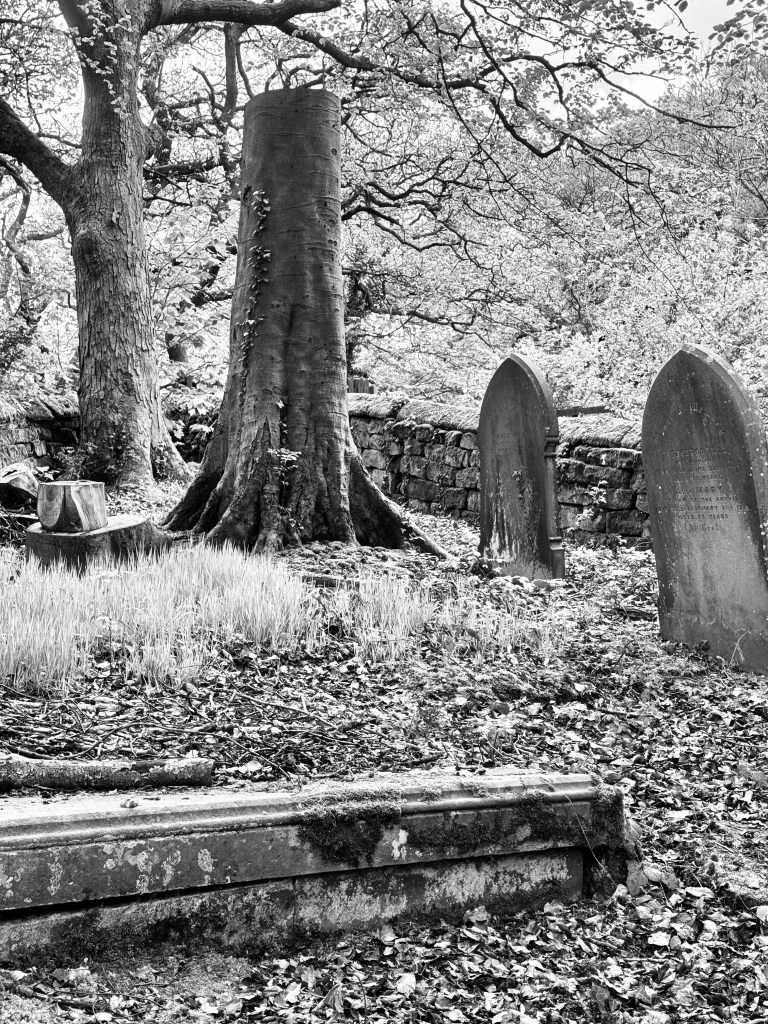
The variety of trees, in their short or long life-cycles, who doesn’t enjoy the sight of trees. Enjoy the photos.

