
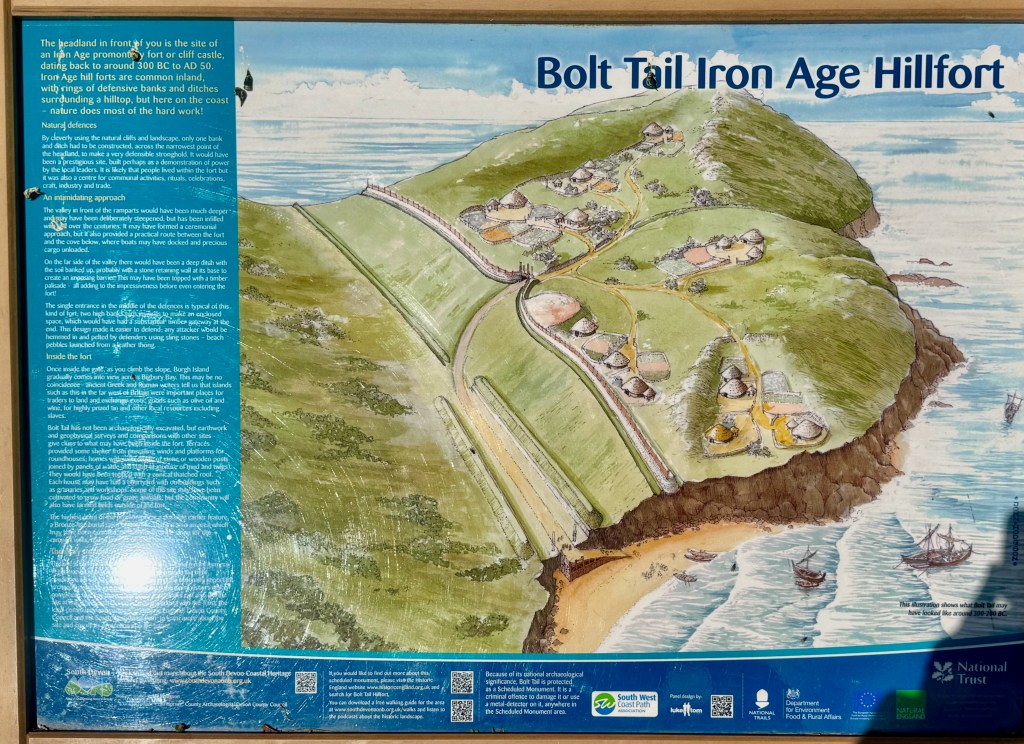
Strangers from Overseas came for the neolithic hill forts.
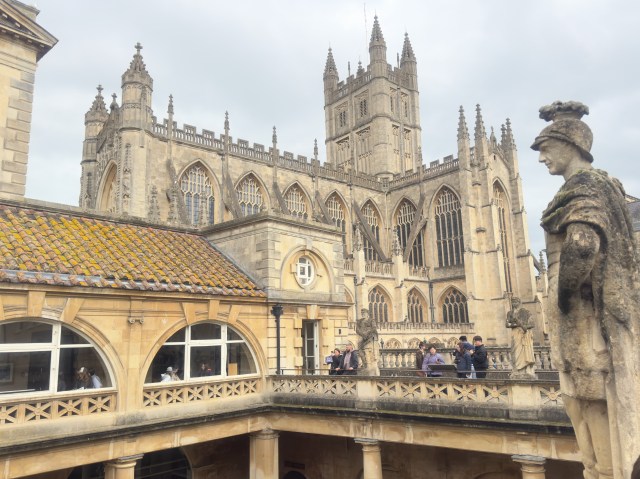
The Romans came.
The Angles and Saxons from northern Germany and southern Scandinavia came.
The Vikings from Denmark, Norway, and Sweden came.
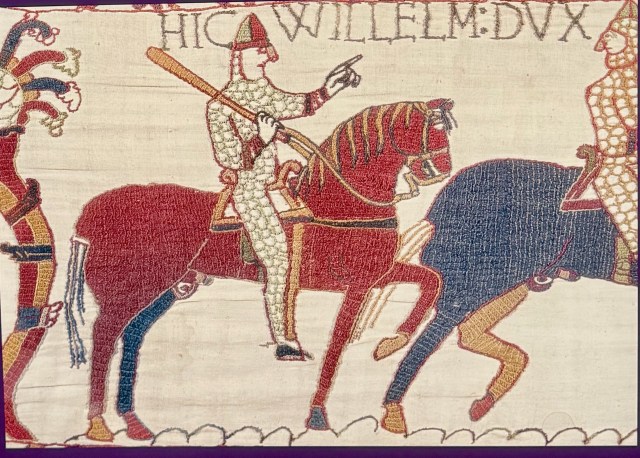
The French from Normandy led by William the Conqueror came, and landed at Hastings.
The Spanish in the Armada came.
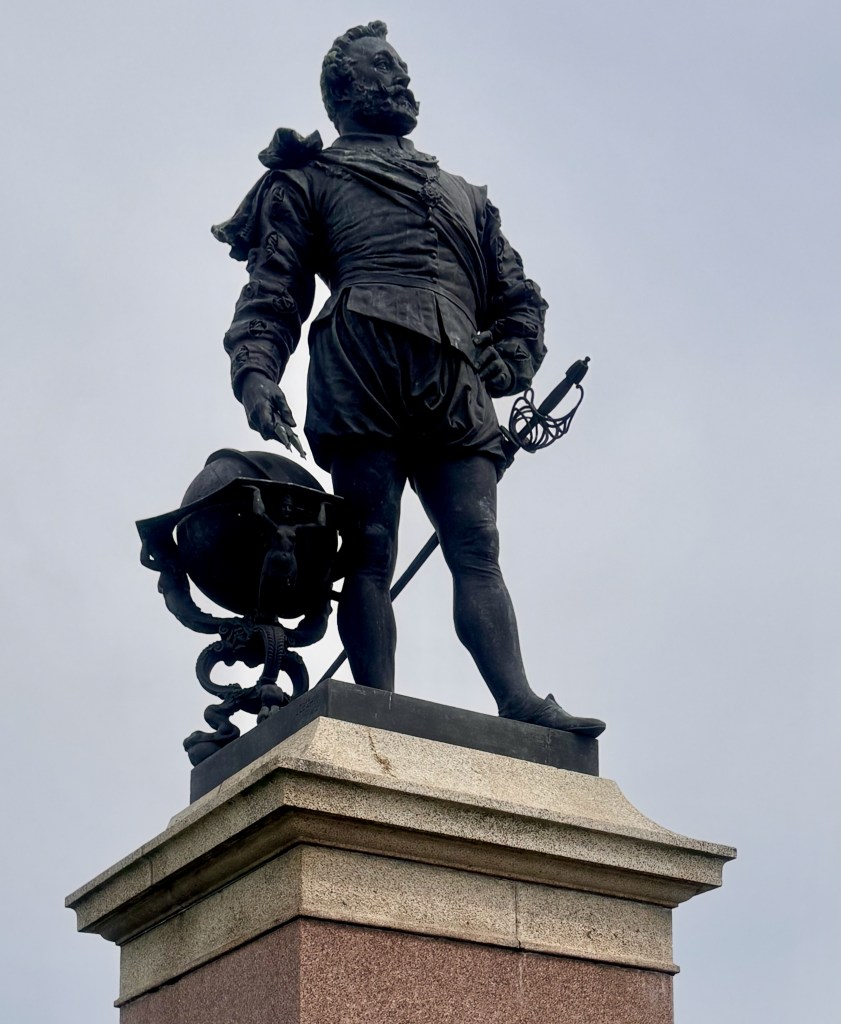
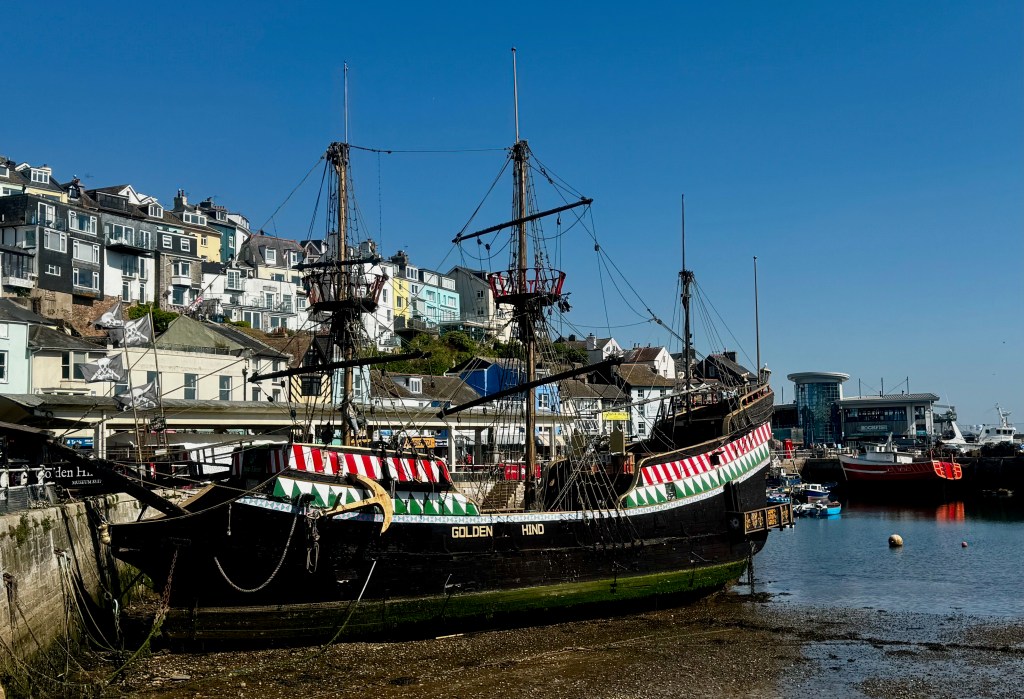
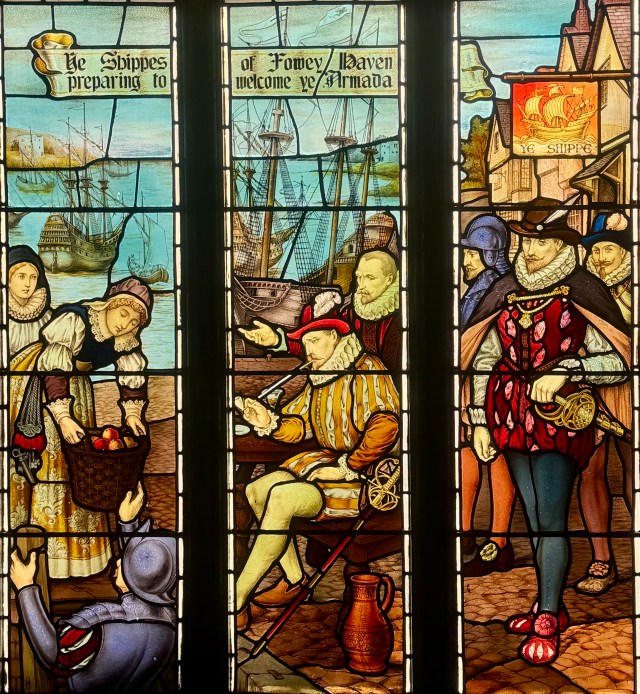
The Dutch under William of Orange came, and landed at Brixham.
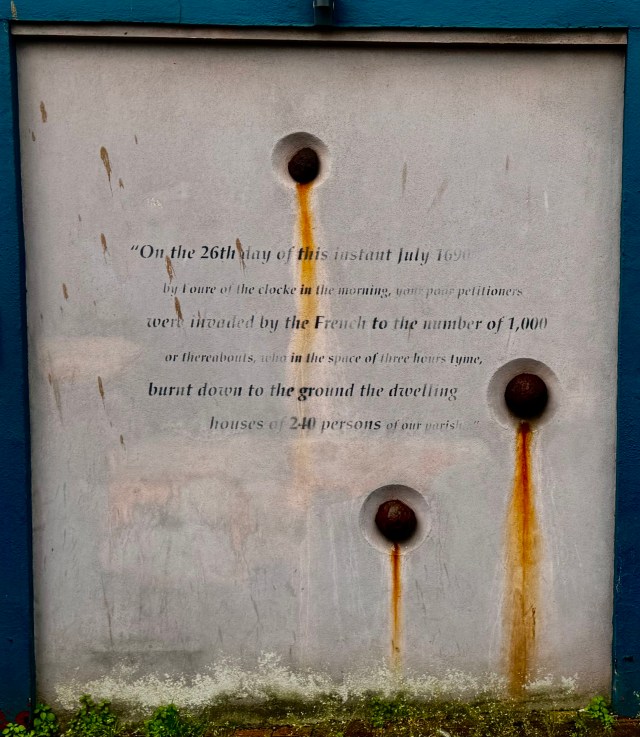
The French came in 1690 and the French under Napoleon wanted to come.
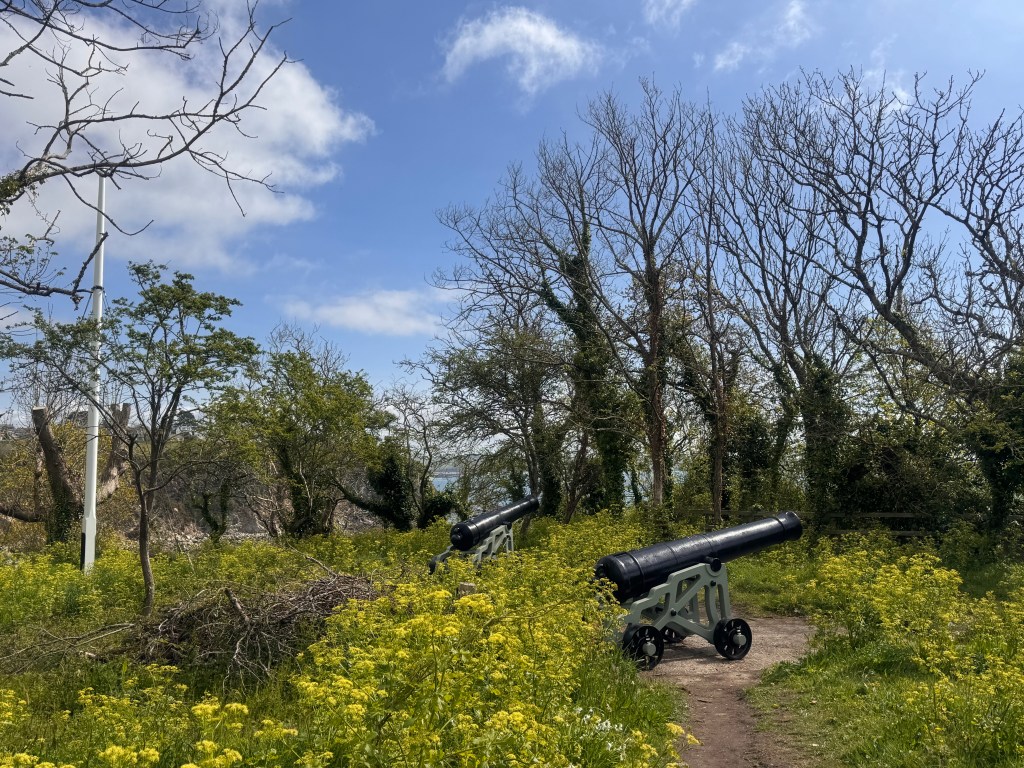
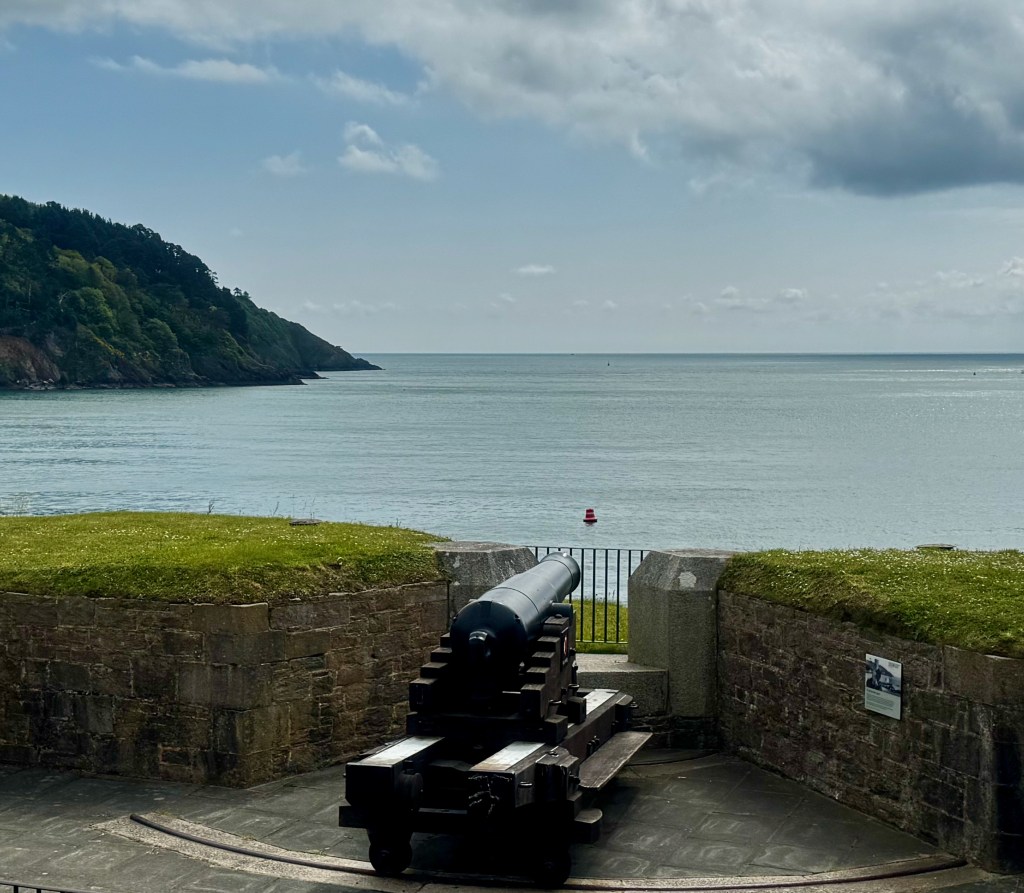
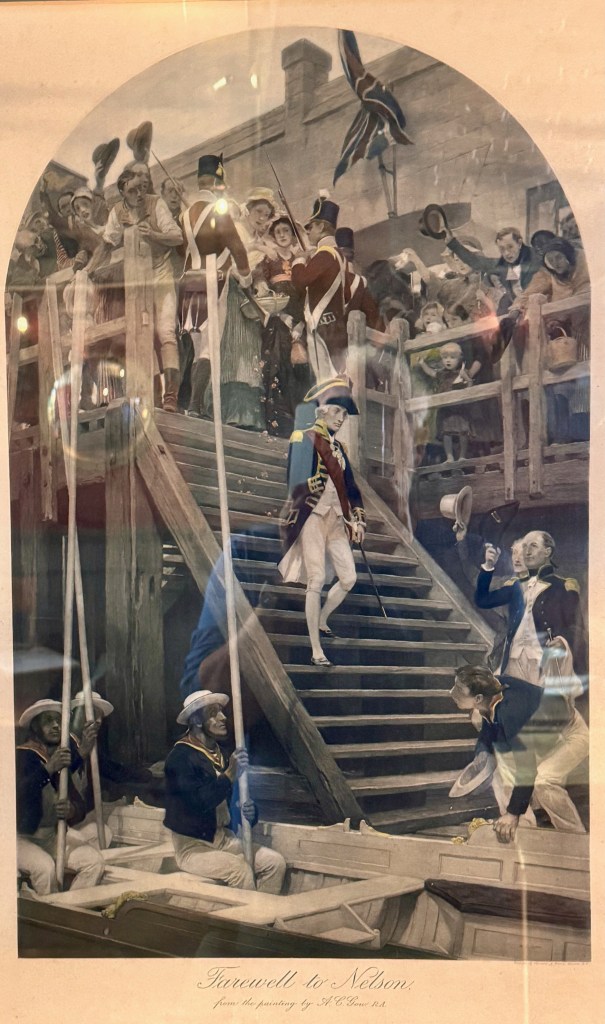
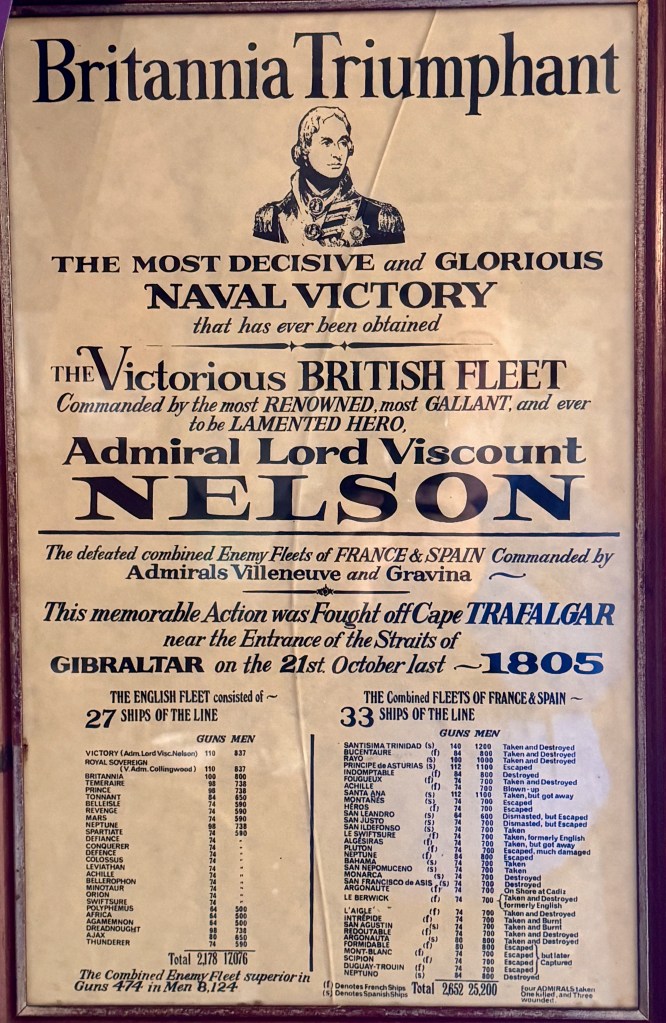
The Germans by air came.
I think the only ones who did not come were those from Luxembourg.
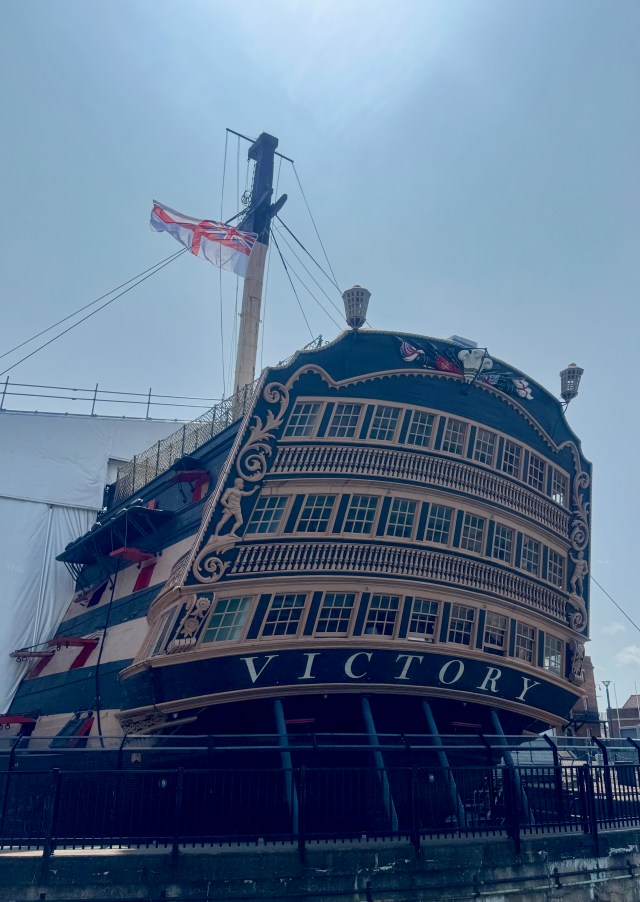
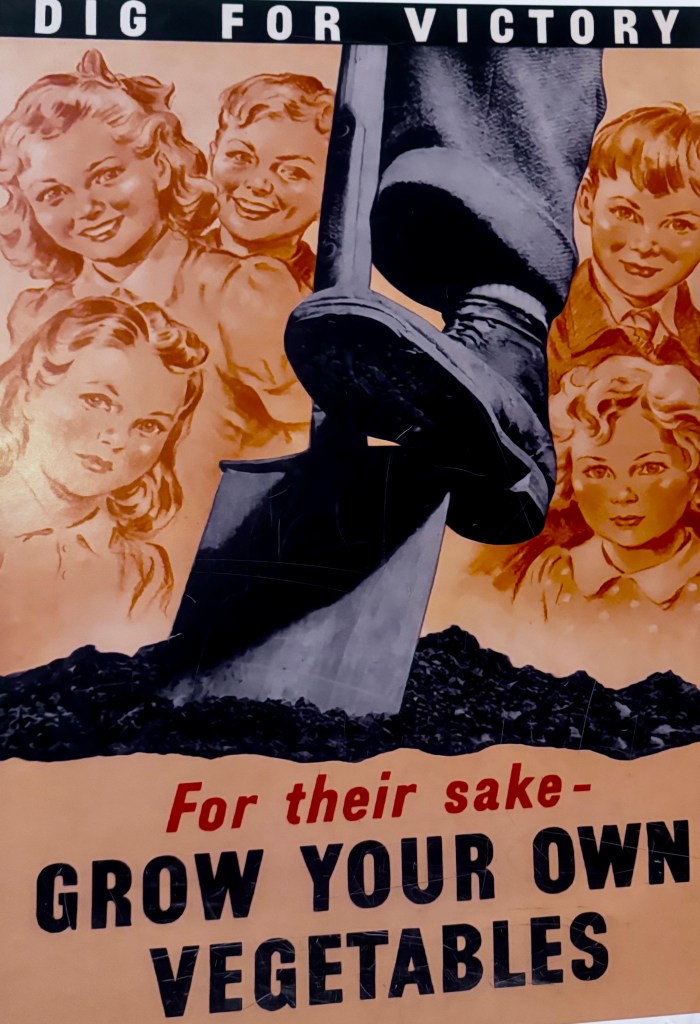
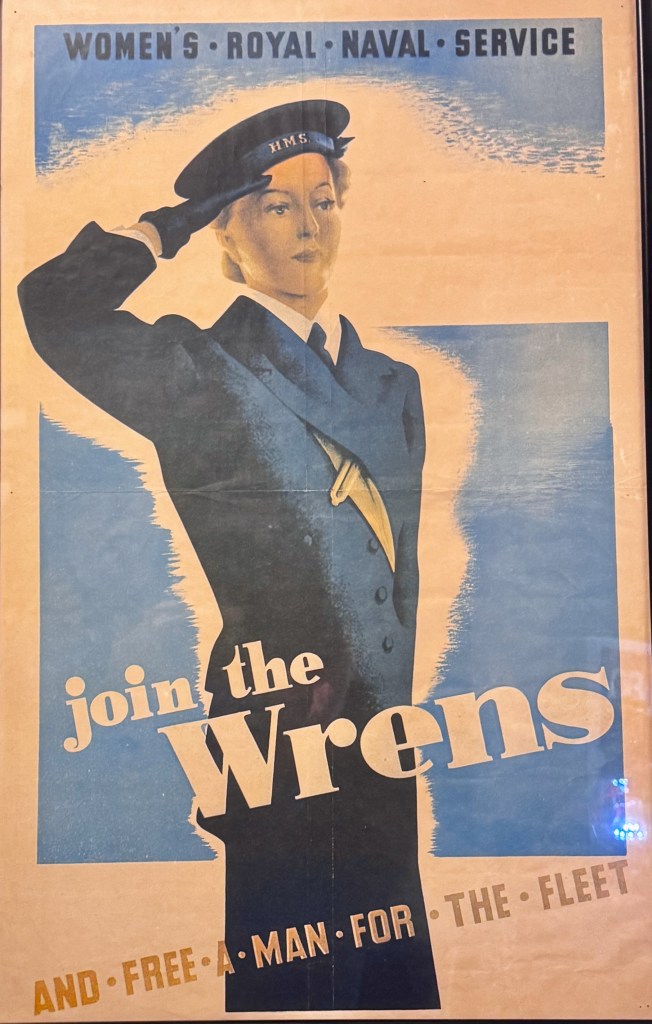
As I think back on my walk and as I enter full-tourist mode in Portsmouth, I think about war. The warnings of war, the preparations for war, the casualties of war.
Like you, I’m prepared for the “great events.” William the Conqueror. The Spanish Armada. The gathering of Allied forces for D-Day. I am not prepared for the almost daily reminders of war. Raised dirt mounds for Neolithic age forts; small forts built by Henry VIII to defend the coast; large and heavy chains designed to be pulled across the Dart River Dartmouth; more modern gun placements and pillboxes. On and on and on. The signs of war never cease.
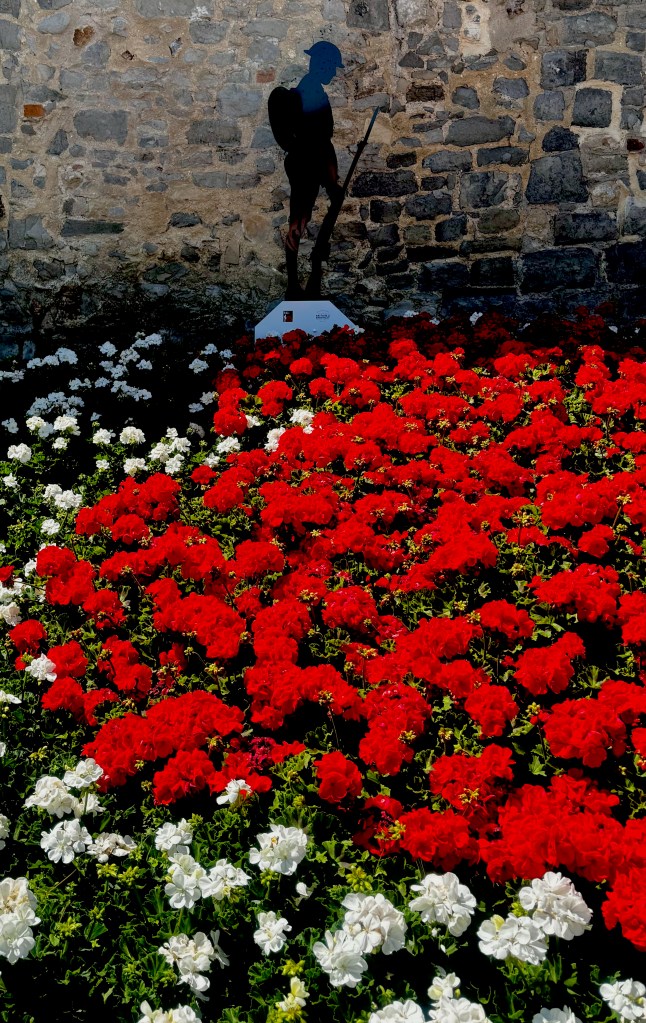
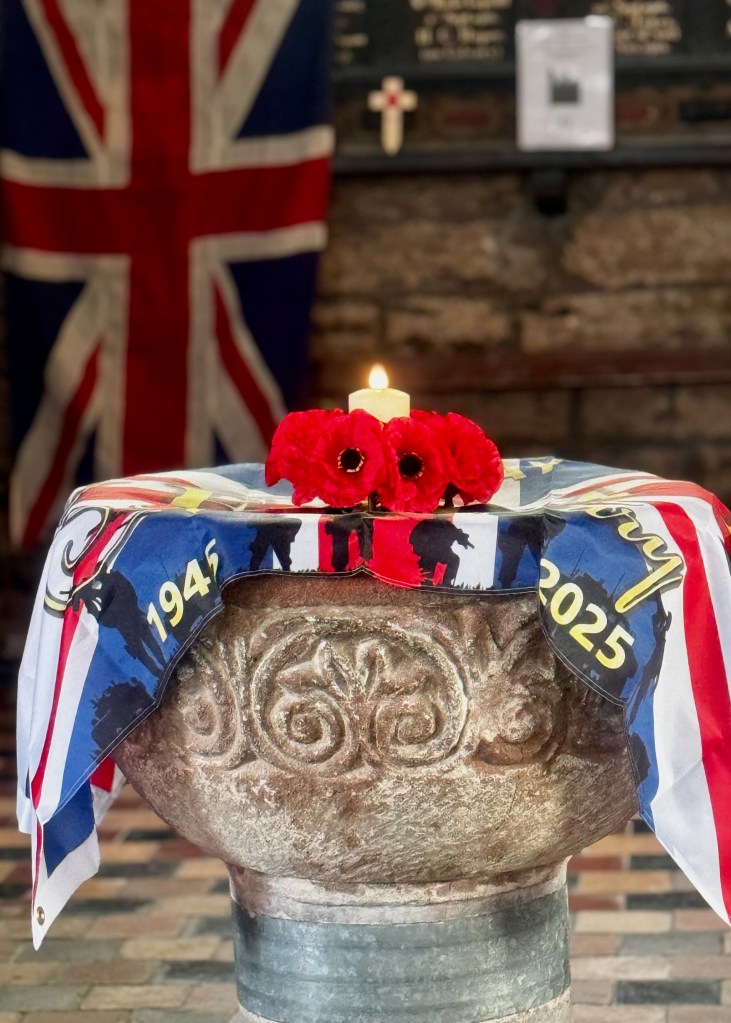
Whomever the foe and whatever the cause, the signs of the casualties of war are also everywhere. Projectile holes in walls. Walls crumbling. Monuments to the fallen. Church plaques and and bronzes.
Violence seems to be everlasting. The Ancient writers from the first writing ask “Why do the nations conspire? (2:1)” Until almost the last writing, the Ancient writers beg “Deliver me from the hand of foreign enemies (144:4).” But these same Ancient Ones longed for peace. Beside the peace of troubled souls, there is also the hard peace between enemies with blood on all their hands. “He grants peace to your borders” and “How good to dwell in unity.” And those poignant words “Pray for the peace of Jerusalem(122:5).”
Signs of war every day. May the “peace of Jerusalem” be real there. May the “peace of Jerusalem” extend even beyond the walls of Jerusalem.

