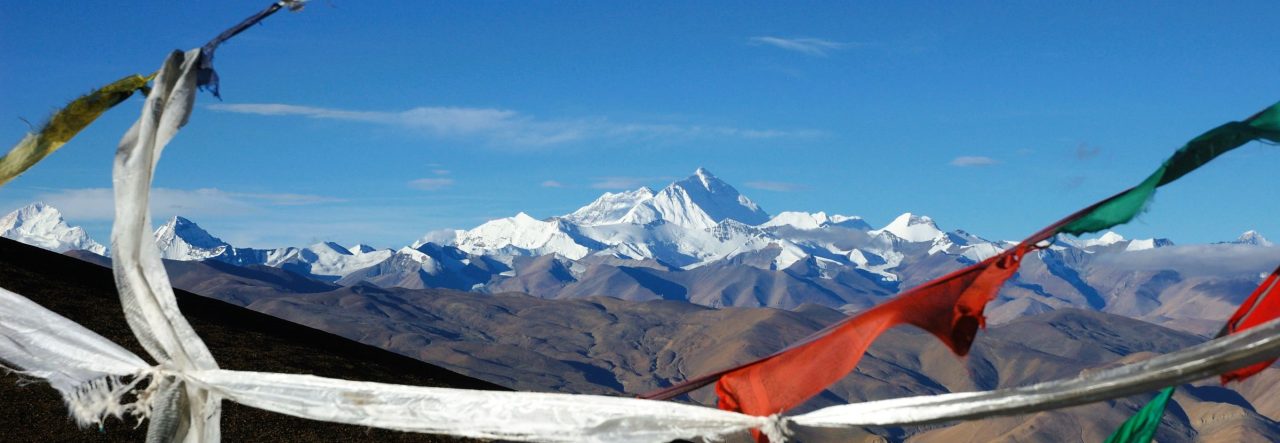
One of the seminar’s purpose is to familiarize us with India’s geography. No simple feat! Not only varied geographically, India, one-third the size of the USA, is a huge country!
The seminar begins in the Ganges river basin in north central India, Delhi, Agra, and Jaipur. We travel south to the Deccan plateau city of Hyderabad. Then, we proceed to the Bay of Bengal coastal city of Madras (Chennai). While the other members stay in Madras, I leave them temporarily and travel south to Madurai to visit an Emory acquaintance, Professor Thomas Thangaraj. Taking a return bus, I somehow miraculously rejoin the group in Mahabalipuram. I still remember following the bus driver’s instructions to exit the bus as we stopped on the hightway to Madras with nothing else in sight! “Walk down that lane for half-a-mile. You’ll reach Mahalbalipuram.” I gulp. I exit the bus. I walk. I find the groups’ lodgings! Yeah! After approximately these two weeks in or near Madras, we begin a quicker journey north, visiting the southern Deccan plateau city of Bangalore. Our India trip culminates in Bombay (Mumbai).
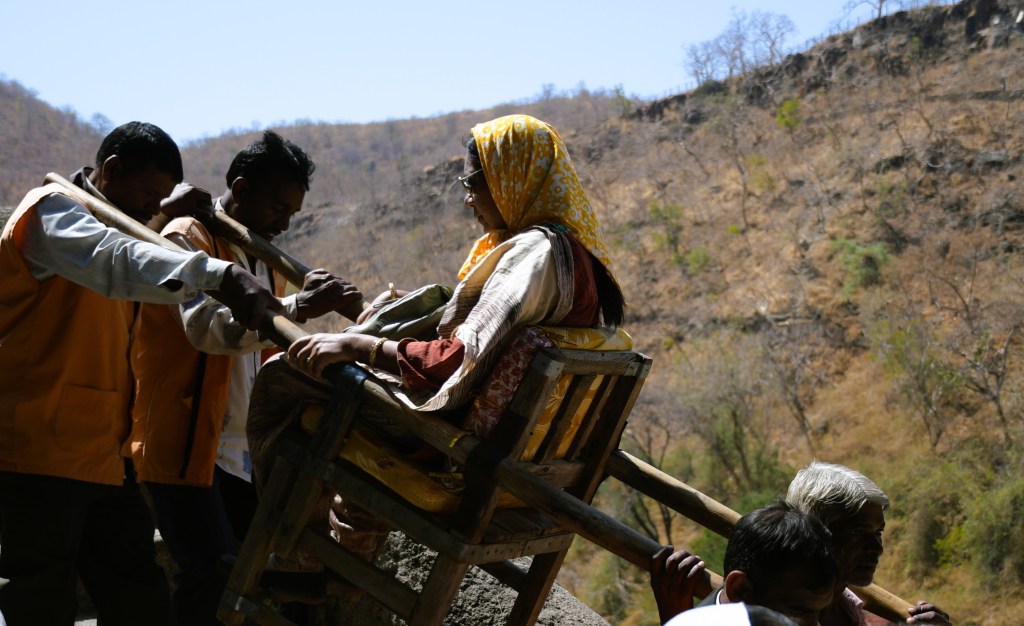
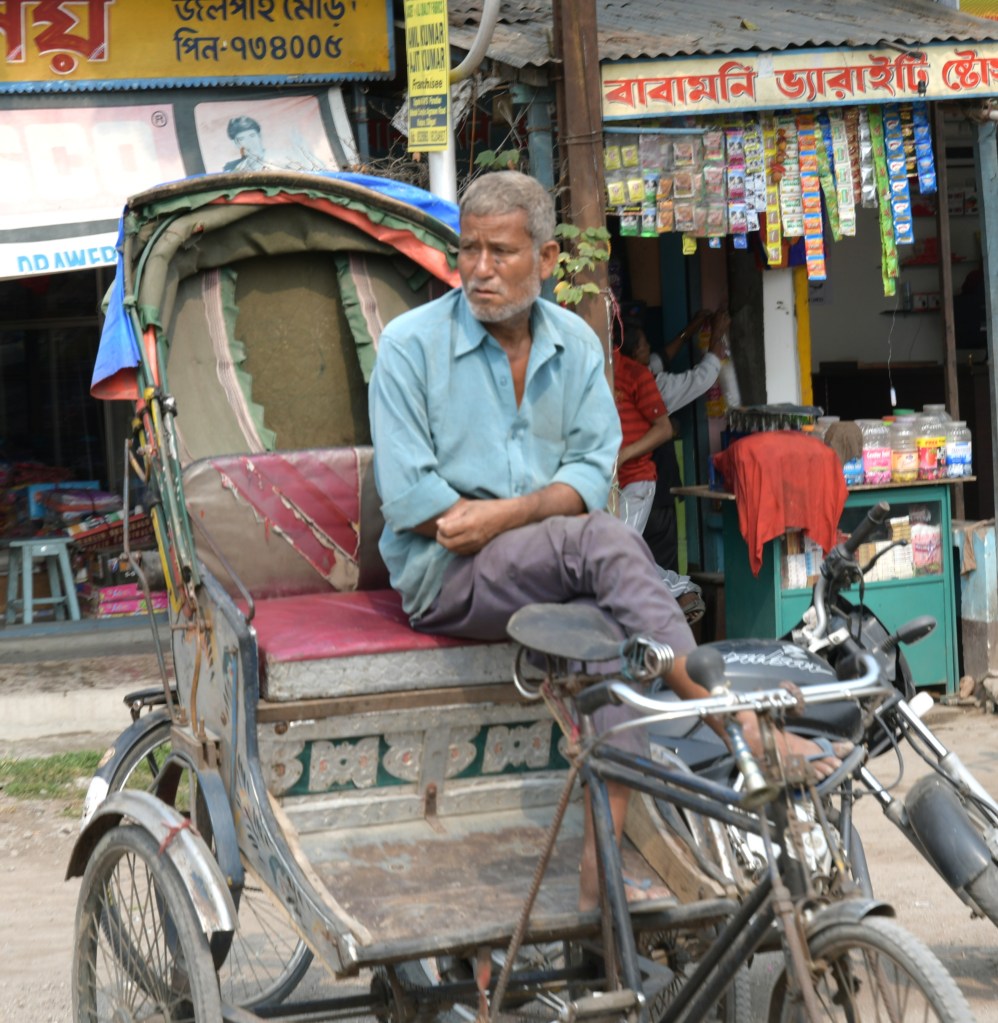
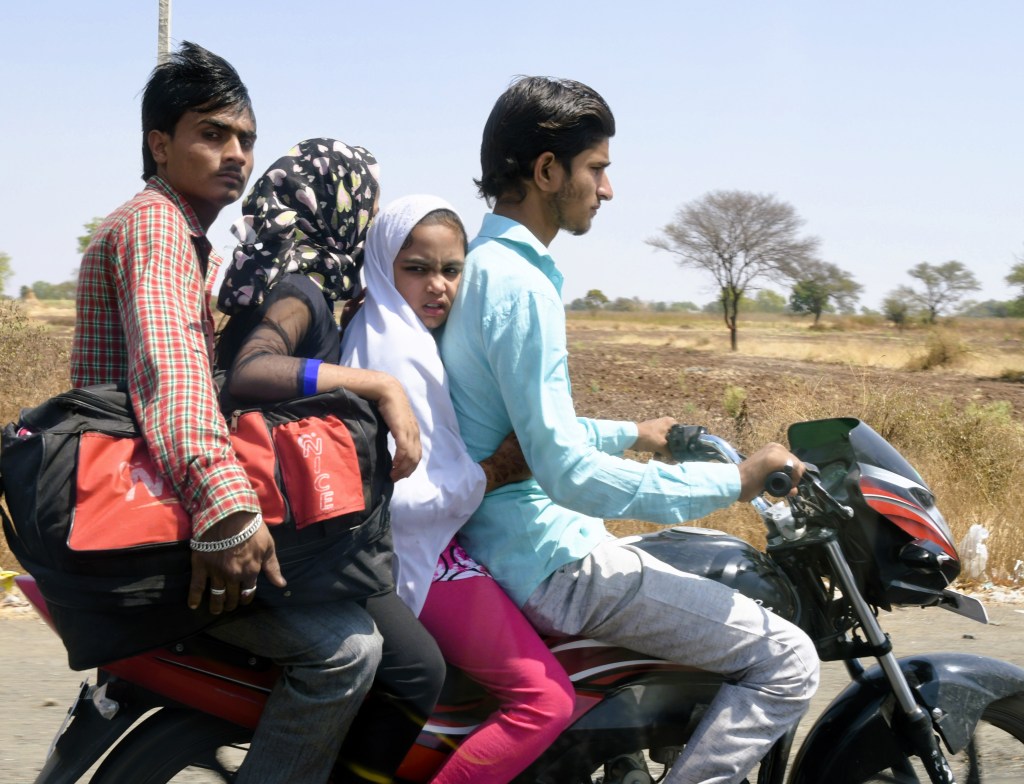
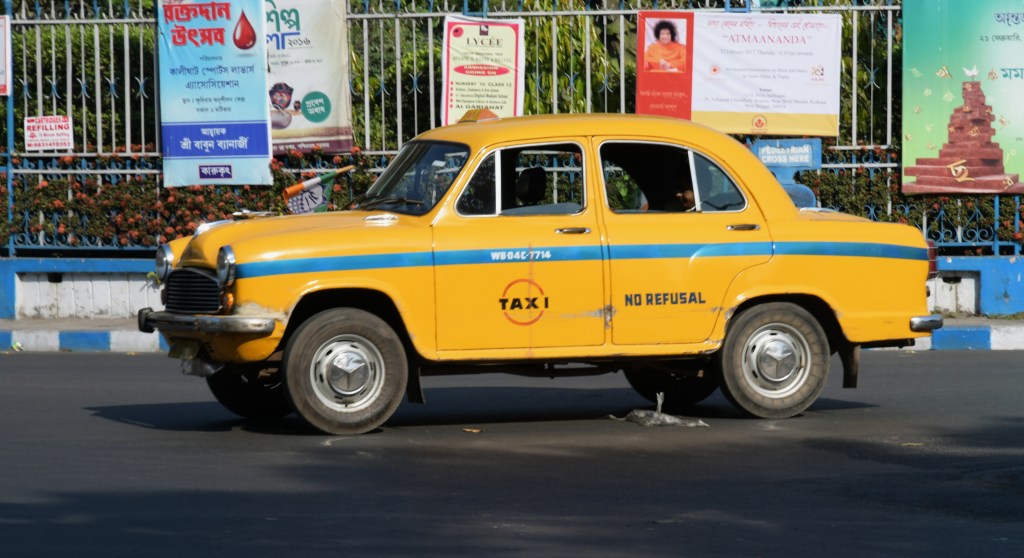
We travel by a variety of means. In the cities, tuk-tuks and taxis. Between nearby cities, a bus or train. For distant cities, Air India. In other words, our mode of travel involves taxis, buses, trains, and planes. A little bit of everything! However, some modes of transportation I avoid. I don’t want porters carrying me; I don’t want a man peddling a rickshaw have to pull me; I don’t want to risk riding on a motorcycle.
I do remember the taxi-race. Our Hyderabad travels are especially nerve-wracking. Rather than riding in a tourist bus, the seminar participants are separated into four taxis. On the drive to ICRISAT (International Crop Development and Research for Semi-Arid Tropics), the young male drivers decide to play tag. First one driver is in the lead, and then another driver tries, and eventually succeeds, in passing him. We speed down highways, through villages, along dusty and rutted roads. The drivers succeed only because of their horns. They constantly honk at cows, goats, children, and bicyclists. Even other car drivers who have the audacity to think that they can be on the road, any part of the road, at the same time! Needless to say, there are no seatbelts in the car. Although we voice our anxiety to the driver, the drivers continue to play tag the whole way to ICRISAT. By the grace of God, we make it safely, except for our frayed nerves. We make our displeasure clear, not only to the “macho” drivers! To our Indian guide, our message is clear: Don’t use those drivers again!
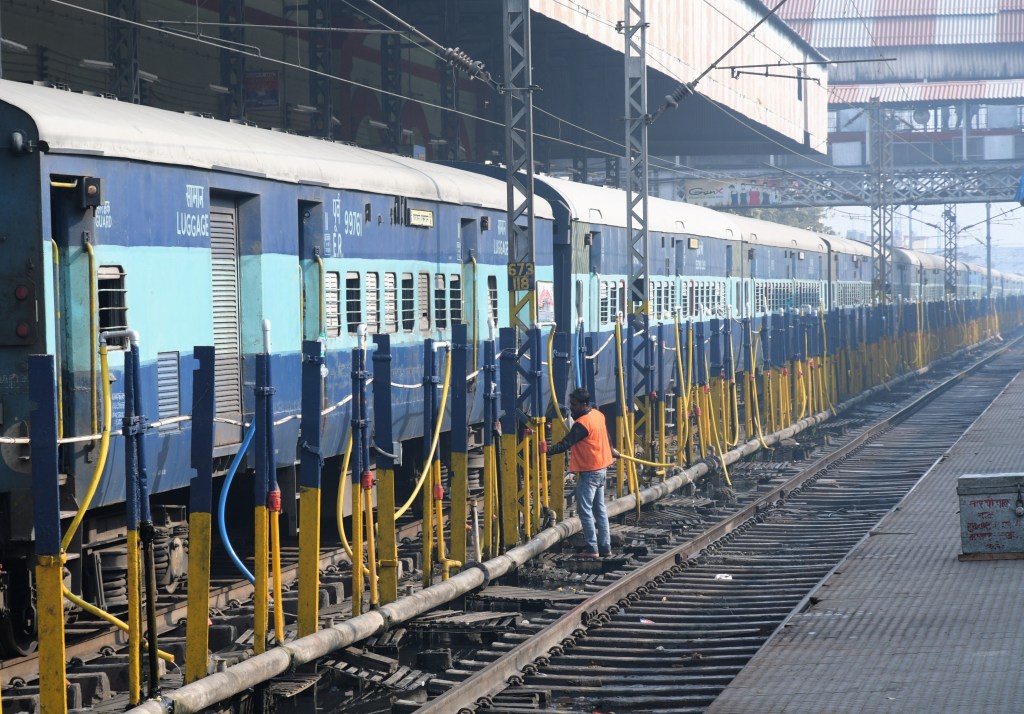
I also remember the train compartment lesson. While all the train trips are memorable, I remember my first individual ride on the overnight Pandian Express from Madras to Madurai. Looking forward to this trip for days, I’m eager to visit an Emory acquaintance, Professor Thomas Thangaraj. On a very, very hot July afternoon, I arrive at the station early, find the board posting my coach and seat number, and board the train. I find my compartment and seat. As I stow my bag and wiping perspiration off my forehead, I say to myself: “If there is heat like this for the whole journey, this will be a very, very long train ride.”
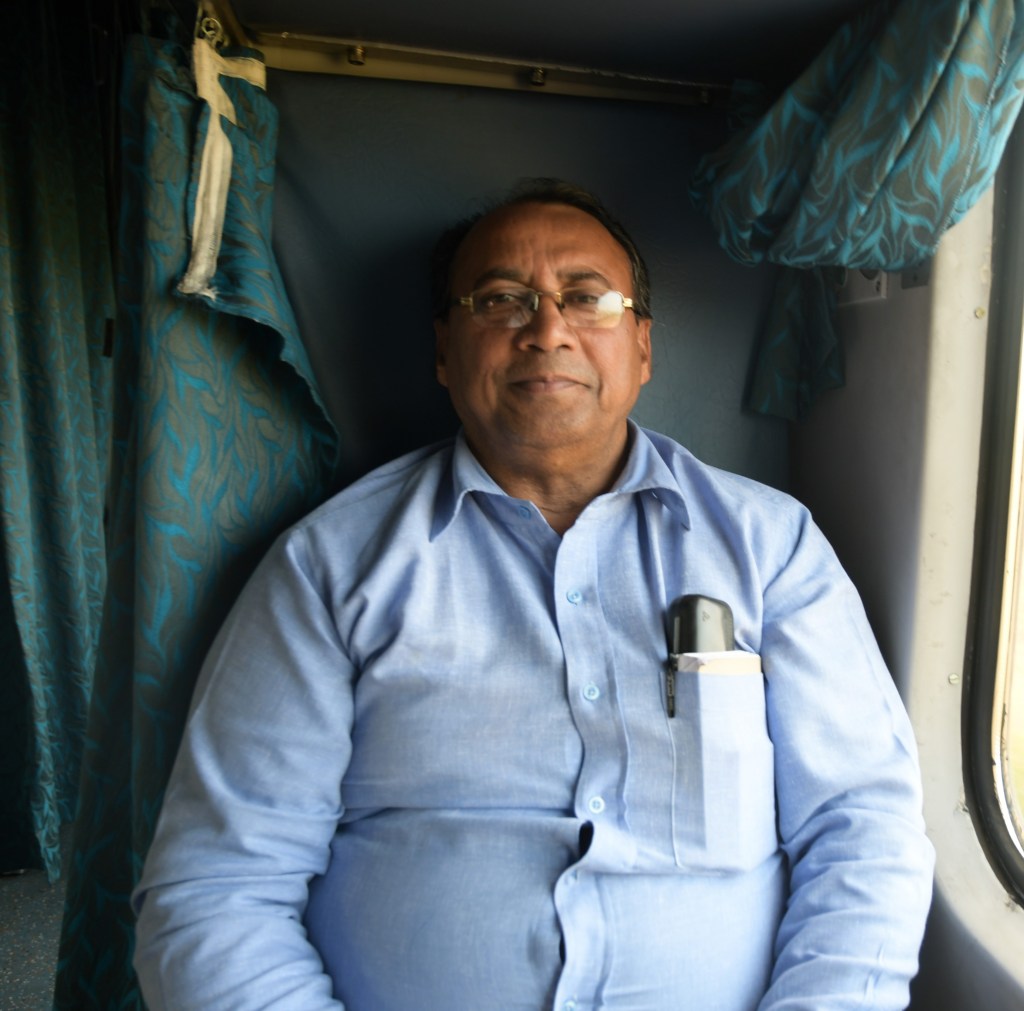
Before anyone else takes their seats in the compartment, the conductor reaches the compartment. He asks for my ticket, punches it, and looks at me. In perfect English and without smirking, he asks: “Would you like the fan turned on?” I feel like a real fool. One hundred degrees in the compartment and I don’t know how to use the fans!
Eventually three others claim their seats in the compartment. At first, they talk among themselves. I watch as one young man bowed as we pass several Hindu temples. The youngest, a pre-teen boy, keeps calling me “uncle.” Upon reaching Madurai, we have had several nice conversations about India and their family members visiting the United States. As I left the train station, I realize that I had completely forgotten my embarrassment of not knowing how to turn on the compartment fan!
Culture shock isn’t restricted to different food, different language, different ways of greeting people. It can involve simply the ways we “get around”, and the “human” element associated with that travel. The young macho taxi cab drivers got all of our attention, in an angry way. The train conductor kindly noticed my discomfort, and in a gracious way helped ease my discomfort. Getting around India isn’t for the faint of heart, but it will produce memories!

