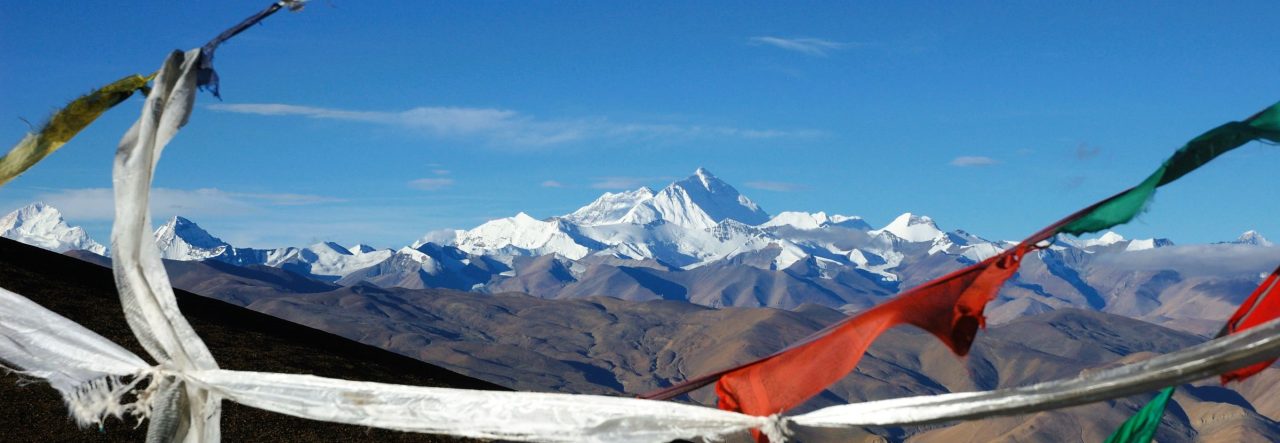
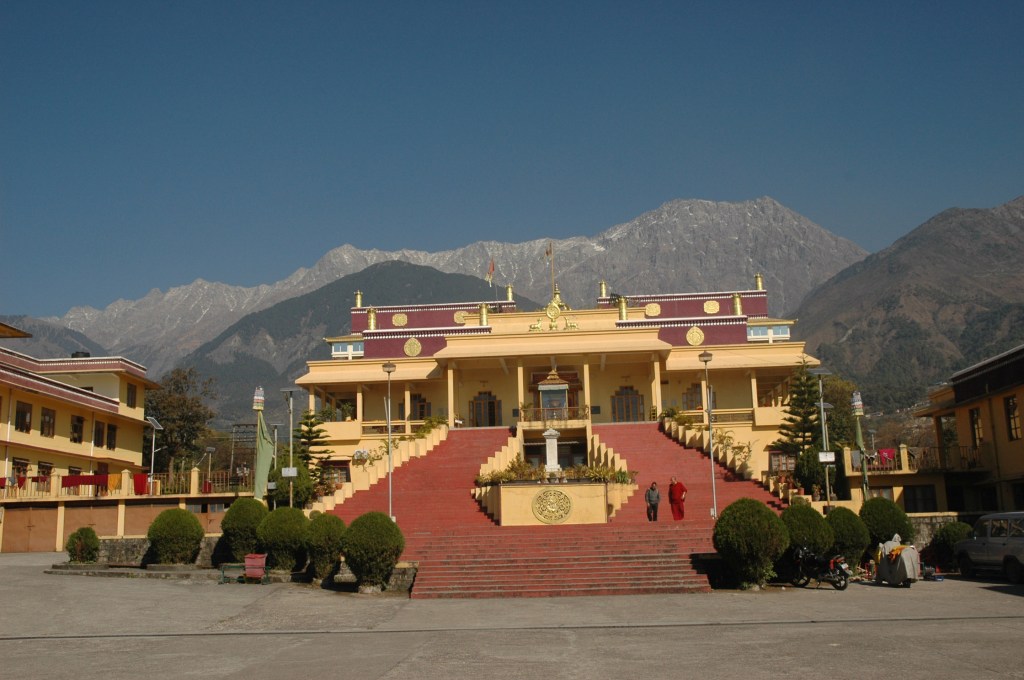
While I enjoy wandering around a place by myself, I know that there are times a guide is indispensable. In Dharamsala, Dholdun is my guide. Born in China’s Autonomous Region, he has lived in Dharamsala since fleeing China in 2005. Although only a guide for three months, he is eager to show and teach me about the Tibetan communities in India.
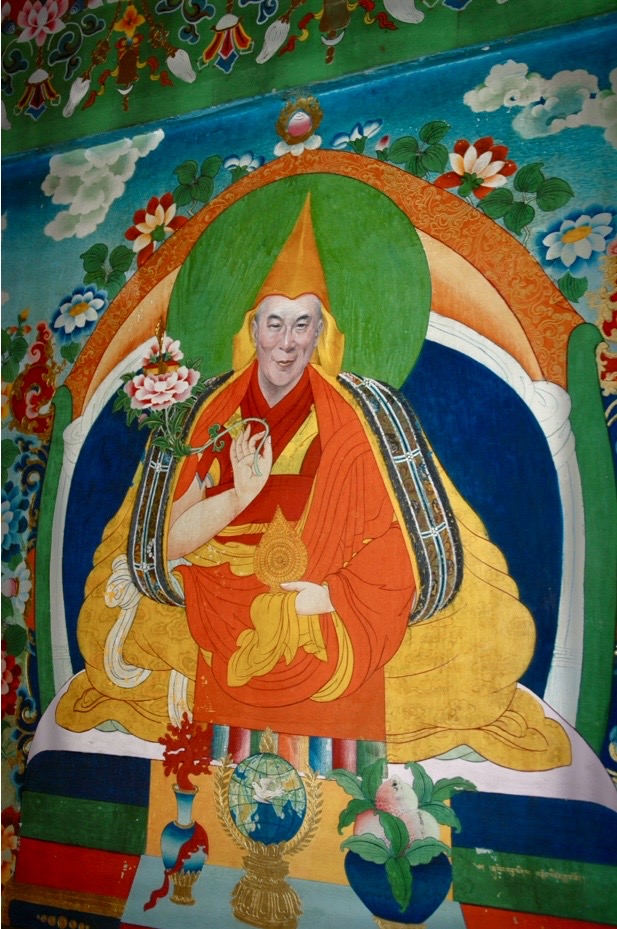
Dholdun reminded me of the basic story concerning the Dalai Lama and upper Dharamsala (or McLeod Ganj). Beginning with the Chinese invasion of Tibet in 1950, the Chinese increasingly dominated Tibet. Due to the killing of thousands of Tibetans and the destruction of its culture, the Dalai Lama and a small group of followers fled Tibet crossing over the high Himalaya passes in 1959. Fortunately, Prime Minister Nehru granted him and the other Tibetans asylum and land in upper Dharamsala.
Since then, Dharamsala has been stamped with the imprint of Tibetan Buddhism. On this mountain ridge, there are buildings built one on top of another.
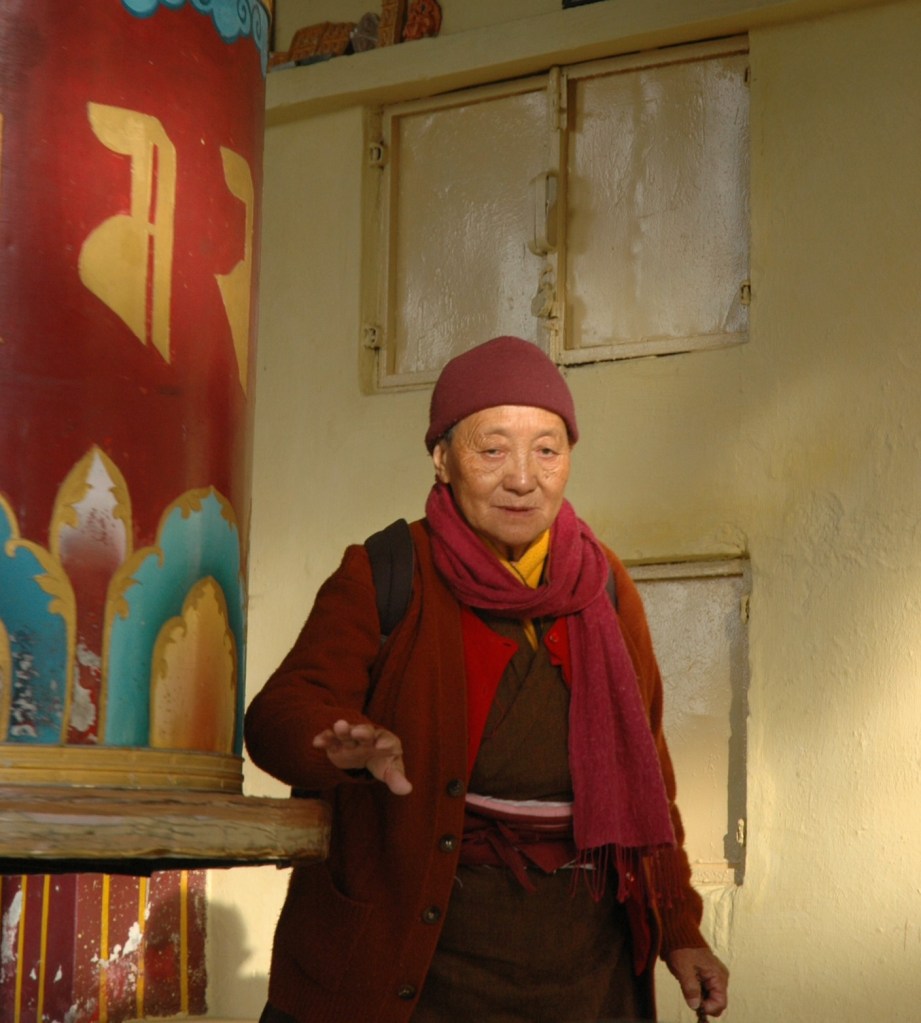
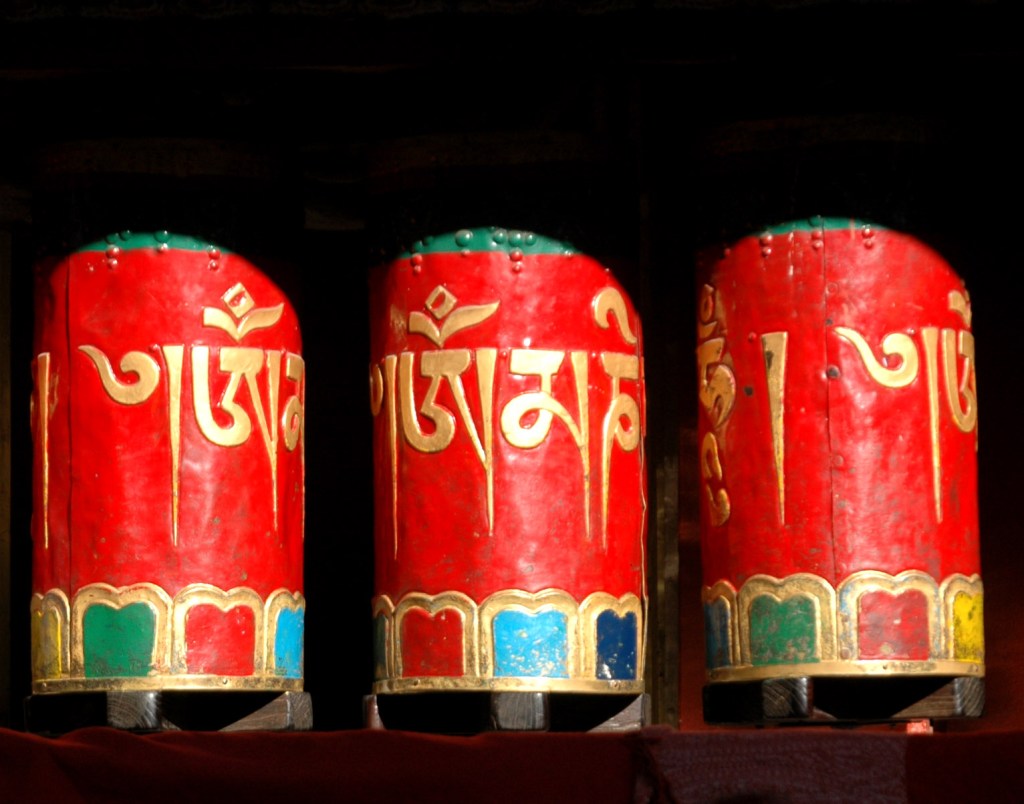
The focal point of the Dalai Lama’s presence is in “Little Lhasa.” The Tsuglagkhang Complex includes his residence, the Namgyal Monastery, and the Tibetan Museum. Although on my first visit there are no monks present, Tibetan laity are circumambulating the temple or the larger exterior wall with its prayer wheels. Occasionally, I see several men fully prostrate themselves as they move around the temple; usually, I hear and see most of the Tibetans quietly chanting and handling their rosary beads as they move clockwise.
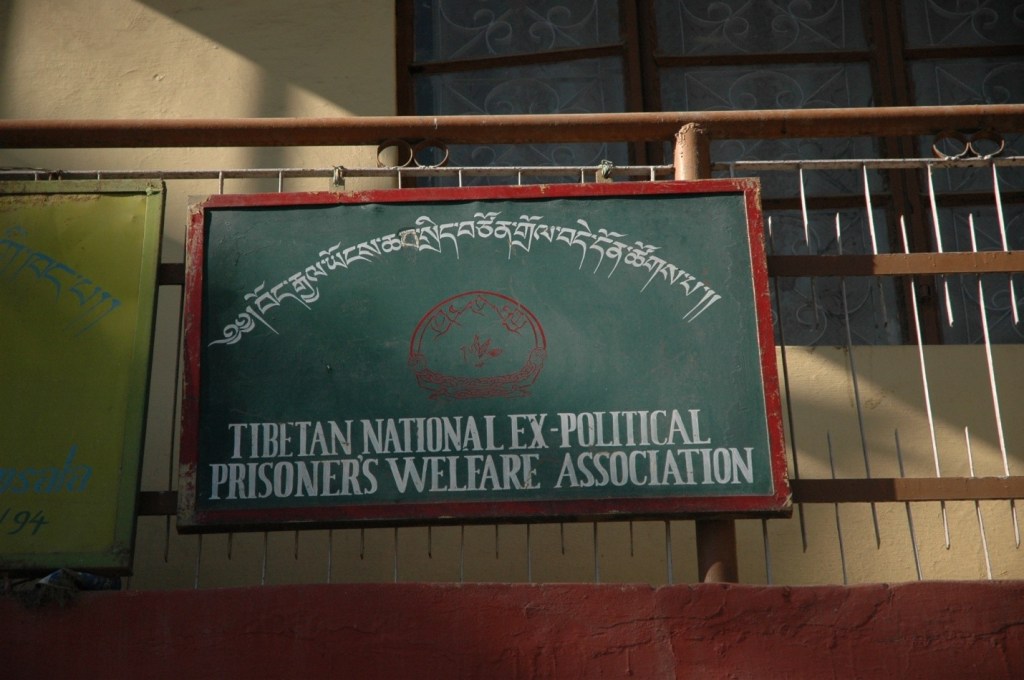
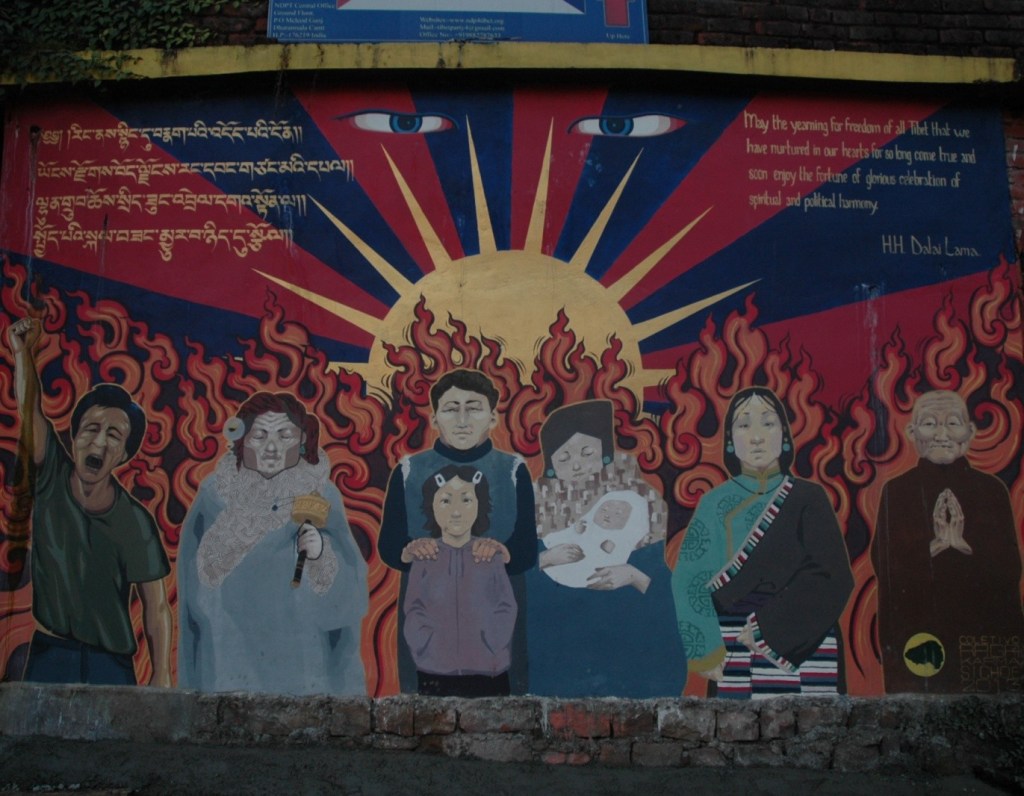
Nearby is the Tibetan Museum and the Gu Chu Sun organization which monitors political activity in Tibet, especially the life of political prisoners. Similar to looking at victims of the Holocaust or other figures of torture, I can’t help but wince and quickly look away from some of the tortured Tibetan political figures photos.
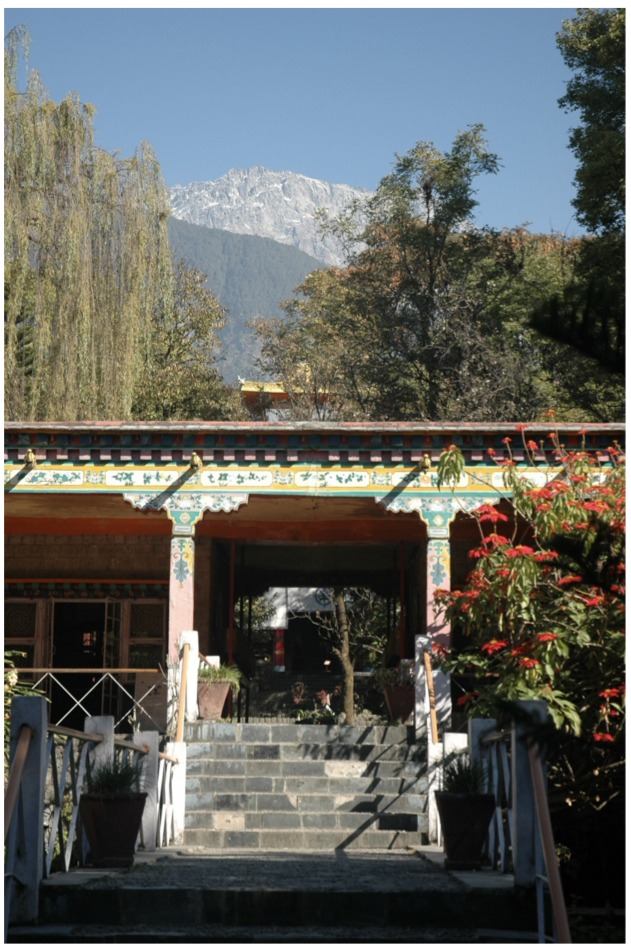
Dholdun wants to show me the Norbulingka Institute and the Gyuto Monastery. Established by the Dalai Lama, the Norblungka Institute is an attempt to keep Tibetan culture alive. The Institute is set in a beautiful setting, the mountains in the background, prayer flags fluttering, evergreen trees providing shade. Approximately 300-400 Tibetan artists are being trained wood carving and painting, thangka painting, and metal working.
We also visit the Gyuto Monastery. Although he unites various forms of Tibetan Buddhism, the Dalai Lama is a member of the “Yellow Hat” Gelug tradition of Tibetan Buddhism. The Gyuto Monastery is associated with the Kadam school of tantric Buddhism which traces its history to the 1400’s. To preserve this tradition, approximately 60 monks not only fled Tibet in 1959 but were able to build the Gyuto Monastery.
As Dholdun and I visit the monastery, we are fortunate to hear two monks blowing horns to gather the monks for chanting and sutra reading. Several young novice monks move quickly along the six lines of monks, probably one hundred monks, filling tea bowls.
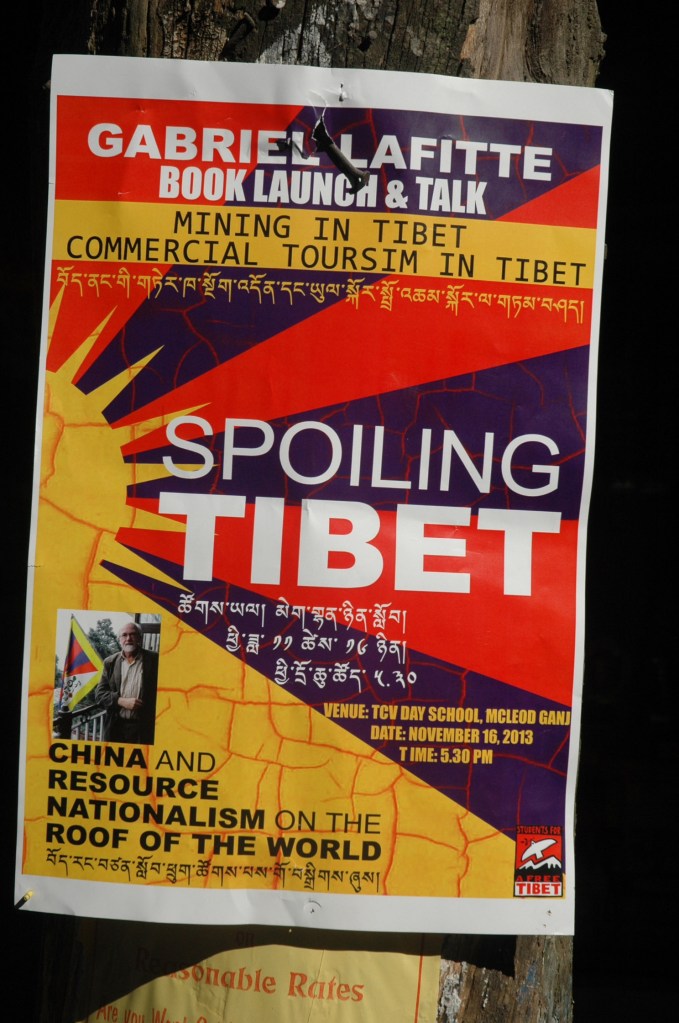
We end our day visiting the Tibetan Government in Exile. Funded by private donations, his organization seeks to help Tibetan peoples. After the 71-year old Dalai Lama renounced his permanent political and administrative authority in 2011, the Tibetan Government in Exile officially became led by the Sikyong who is the democratically elected political leader and president of the Central Tibetan Administration. Every five years, all Tibetan citizens are entitled to participate in the election. How times change!
My two-week travels in Tibet during 2005 opened my eyes to Tibetan history. Dholdon helped revive both those memories of the harsh Chinese treatment of Tibetans and the courageous Tibetan effort to preserve their culture.

