
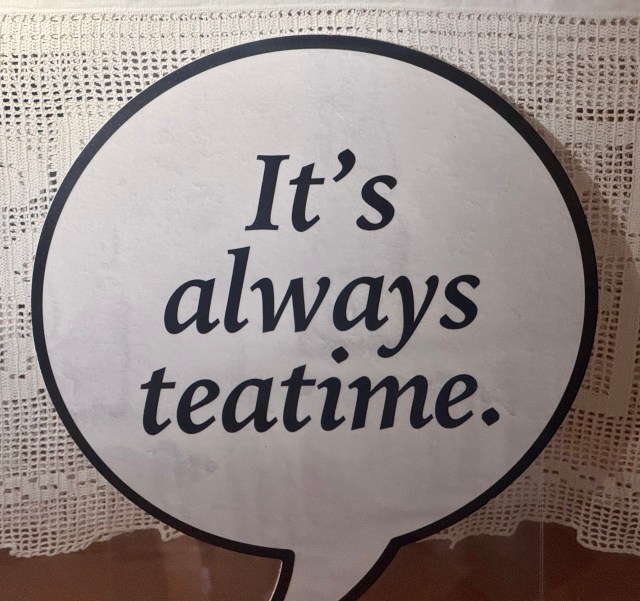
Tea or Coffee? Why ask? Everybody knows the answer. If you are from the States or the Mediterranean world, then the answer is coffee. If you are from England, then the answer is tea.
I’m sitting at the breakfast room at the BnB talking with another couple who are from Durham. Danny, the BnB owner asks them the question “Tea or Coffee.” The husband says, “Tea.” The wife says “Coffee.” All heck breaks out. How can this travesty happen? She isn’t some young twentyish person ordering at Costa Coffee. She is the quintessential seventies English matron. I’m suspecting the cultural police to descend within minutes and make a forceable arrest. Alas, Danny takes it in stride. “Here in a moment.”
Of course, tea wasn’t always popular. In 1662, King Charles II married a tea-drinking Portuguese princess. She brought her love of tea to England. Because tea was very expensive, these early tea drinkers were exclusively the aristocrats. In fact, the woman of the house often wore a key on her wrist to the tea chest. Tea was so expensive only she had access to the “tea chest.” Tea became a drink of status and wealth.
Of course, where there was tea, there was money. Where there is money, there is government action. During the 1700’s, the British government’s tax on tea sometimes reached 100%. Ouch! Not only was there smuggling in England, there was severe reaction amongst the colonies. Need I say the Boston Tea Party?
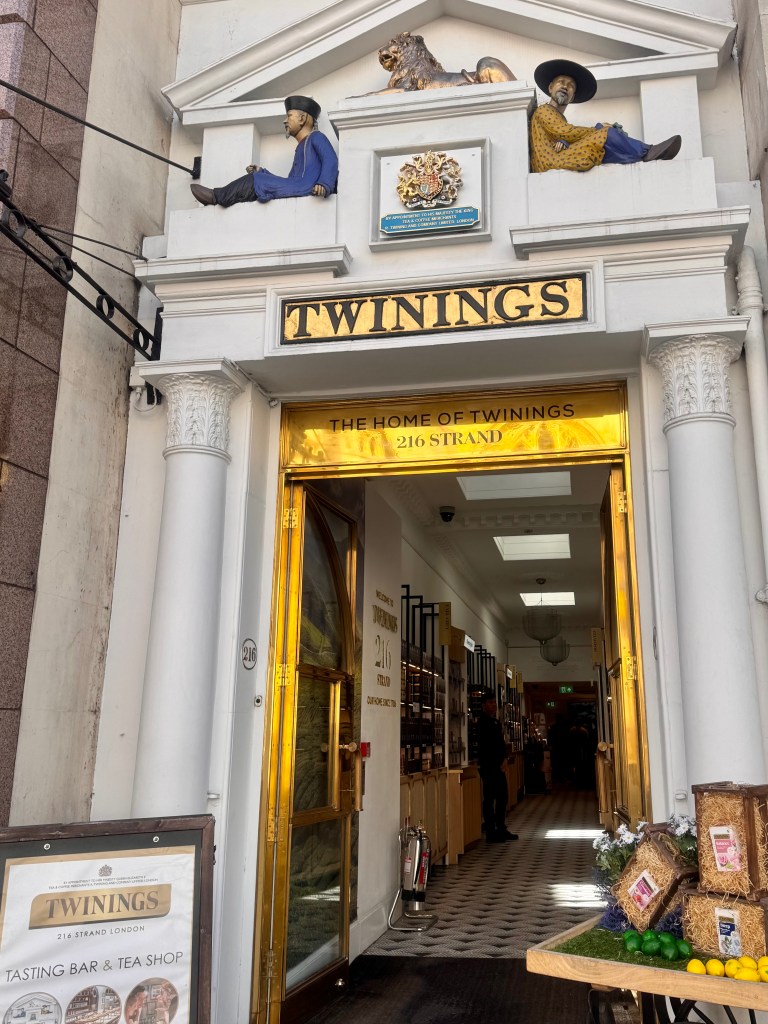
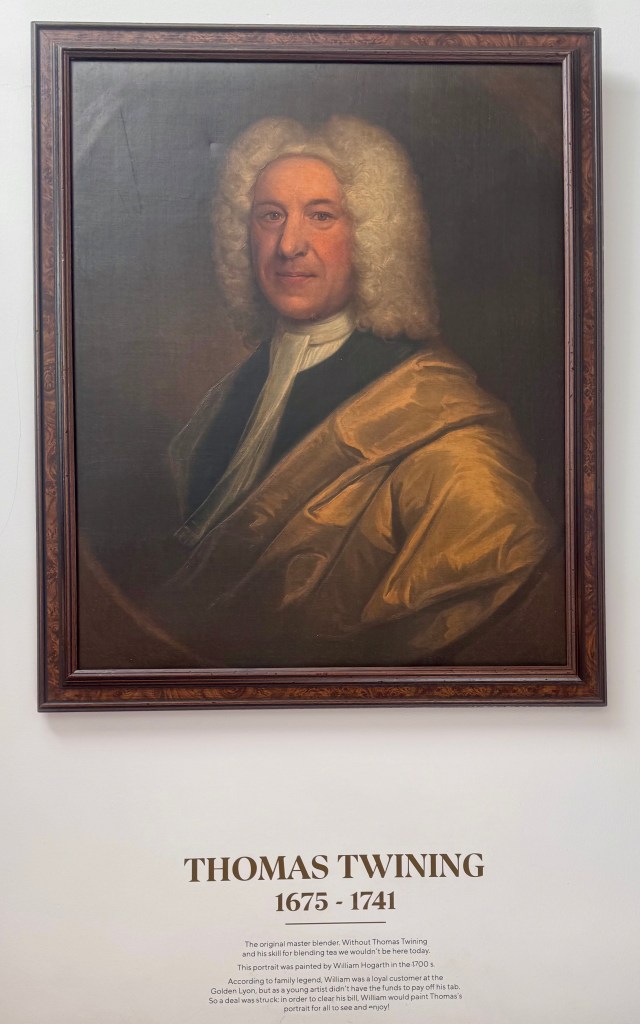
Visiting London’s Twining’s shop, I learned about the next step. Thomas Twining began to sell dried tea leaves. And, he bought a coffee shop in which he served coffee and tea. Soon, the popularity of tea spread from the aristocrats to ordinary folk. Women bought tea to consume at home; the tea houses began to compete with the male dominated coffee houses. Because of sound financial marketing and a risky strategy did tea emerge as the drink of the ordinary folk.
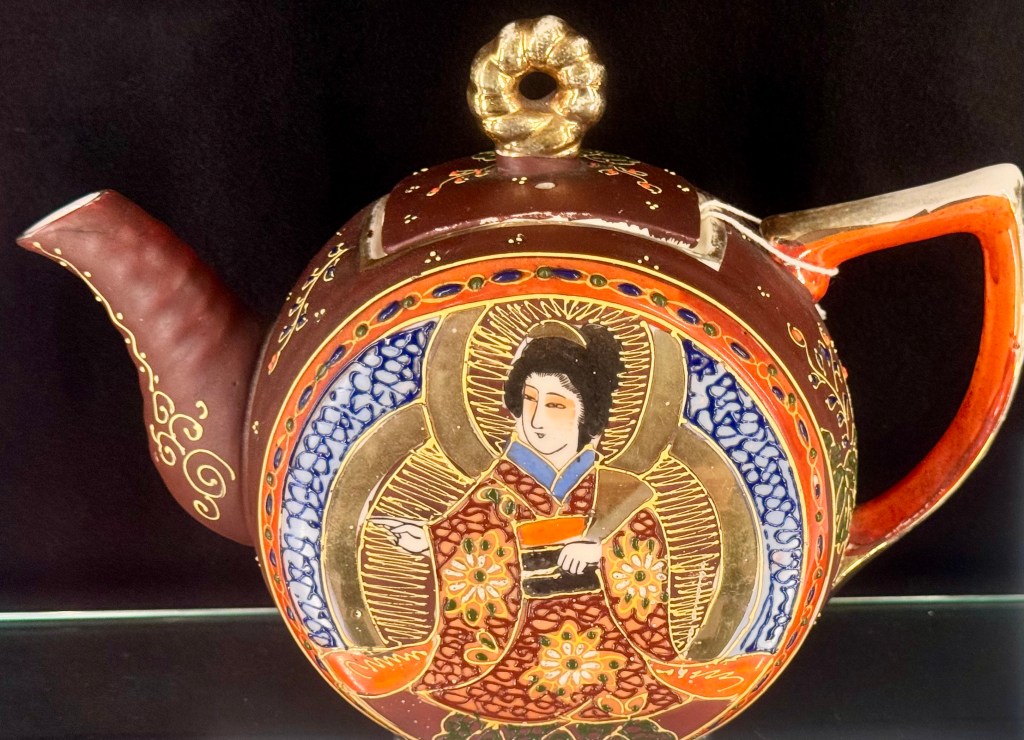
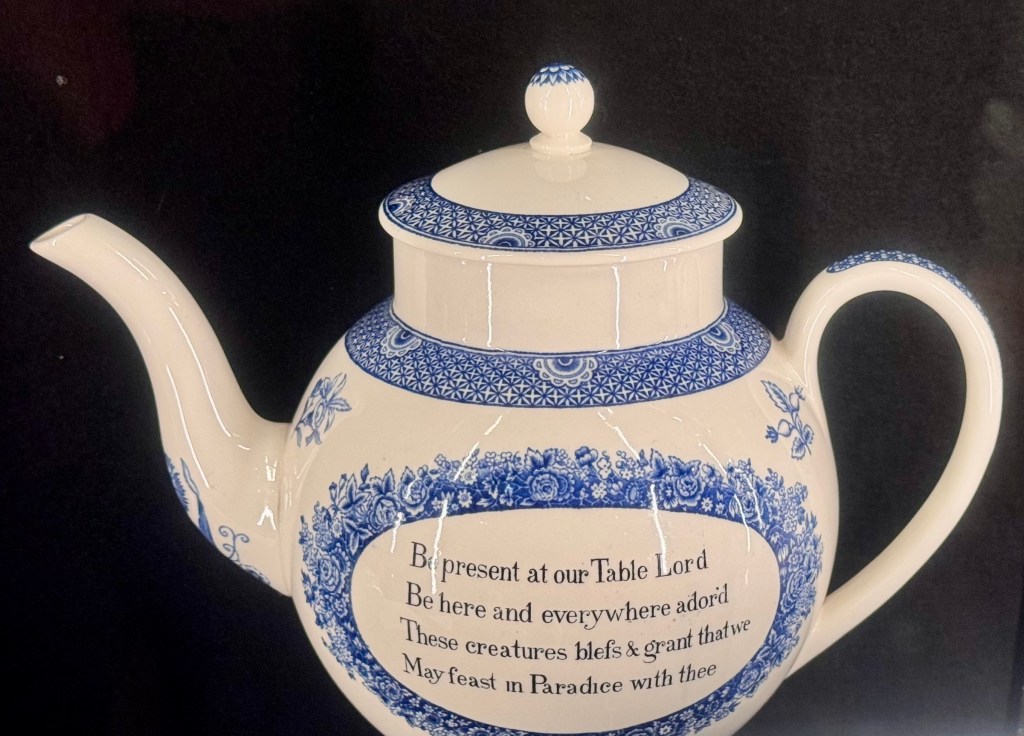
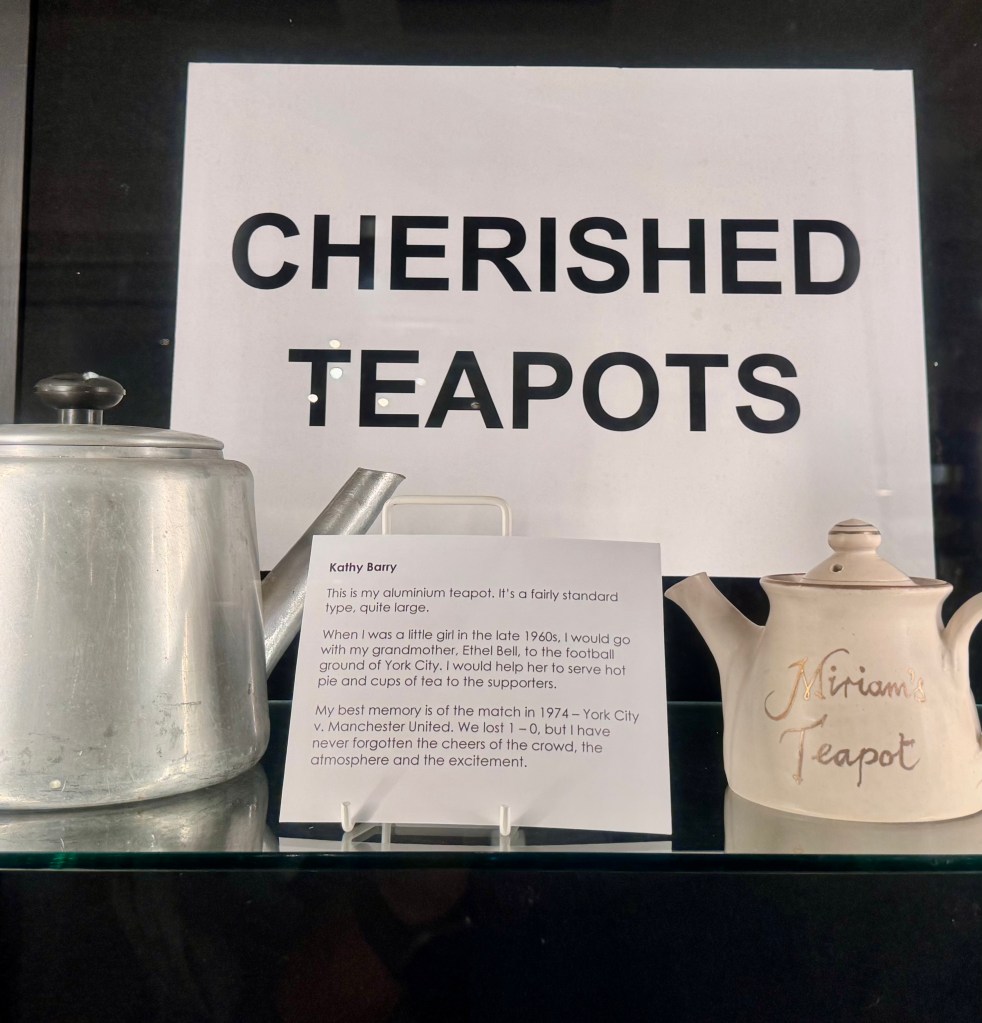
A cultural practice, a cultural marker, has to have its critics. Even while limited to the wealthy or wealthy aspirants, not everybody condoned the drinking of tea. It was especially condemned when it spread throughout the social classes.The religious leader John Wesley advised against drinking tea. One should be abstinent because tea causes “numberless disorders, particularly those of a nervous kind.” The merchant Jonas Hanway referred to tea as “liquid fire” in his “Essay on Tea.” Tea was “pernicious to health, obstructing industry, and impoverishing the nation” He warned that “those will have tea who have not bread” because mothers will purchase tea and be unable to buy food. Finally, the English social activist William Cobbett called tea a “corrosive and gnawing poison. Using “fake-science,” he claimed: “It is a demonstrable fact, that tea-drinking has given the people of this country a smaller size and a less hardy frame than their grandfathers had.”
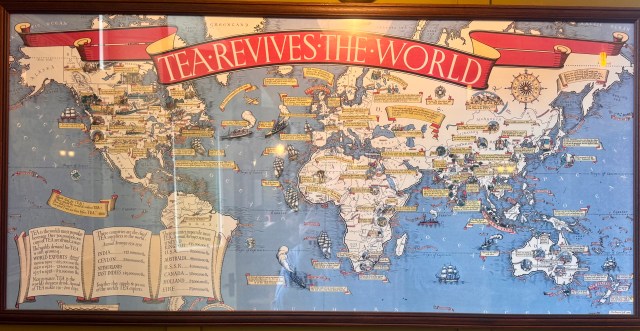
But how did the British begin to import the massive quantities of tea? Tea became the English drink due to Robert Fortune and the British East India Company. When I visited Darjeeling years ago, I learned that Fortune was tasked with smuggling tea plants out of southwest China. Wanting to maintain a monopoly on tea, imperial China considered it a capital offense to transport tea plants to other countries. A serious matter!! Undeterred, in the 1840’s, Fortune disguised himself as a Chinese merchant, traveled to remote mountainous areas, collected the plants, and transported them back to India. Within years, this Darjeeling tea became the “tea of the Empire.” Who knew though that this English cultural marker began as an illegal activity!
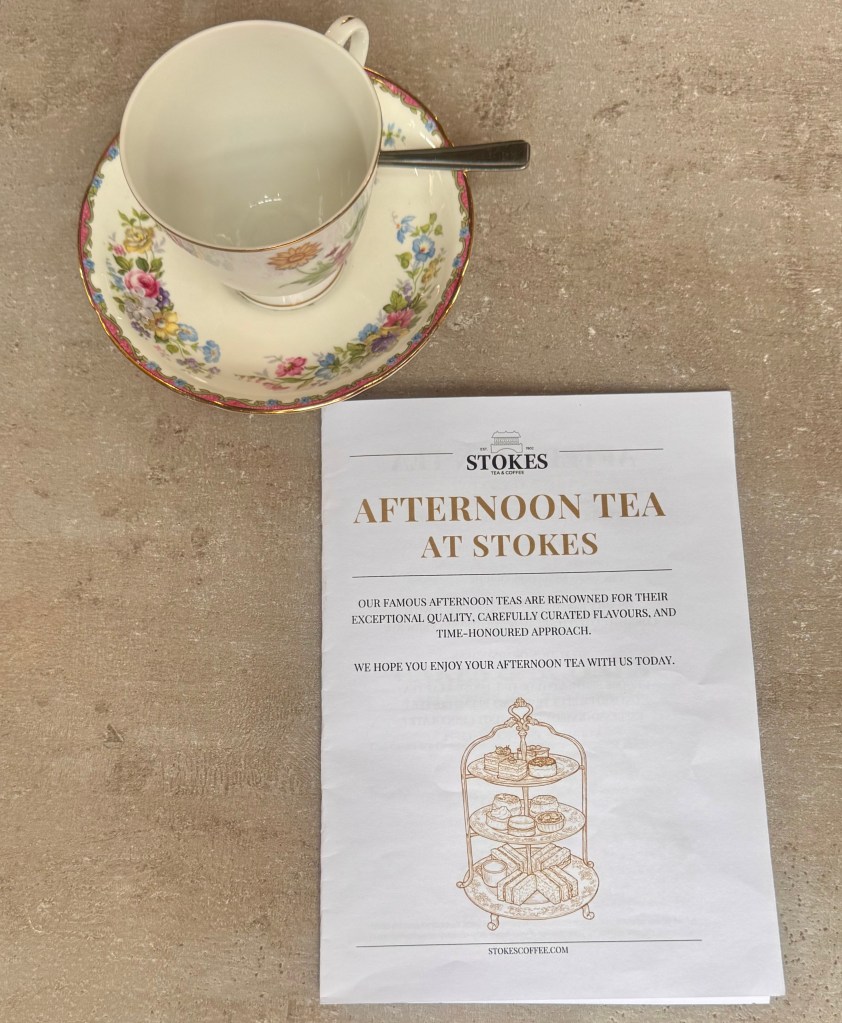
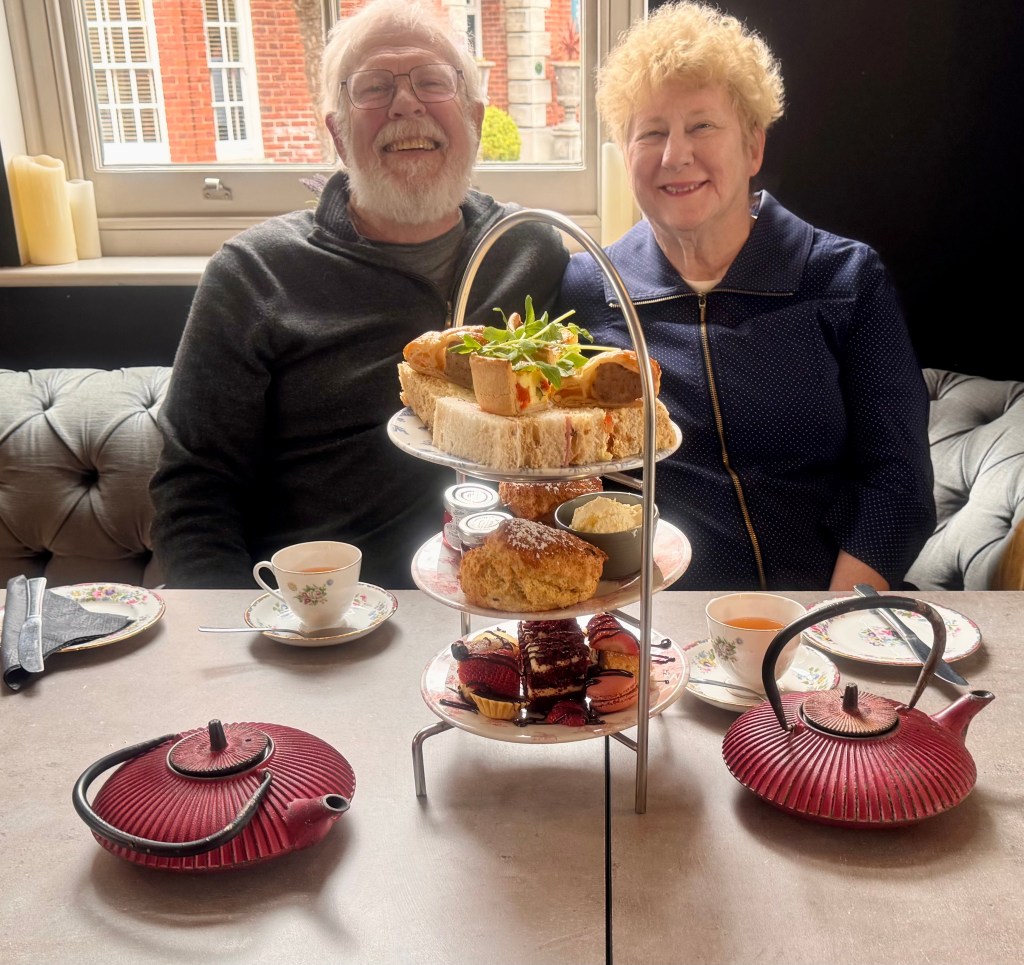
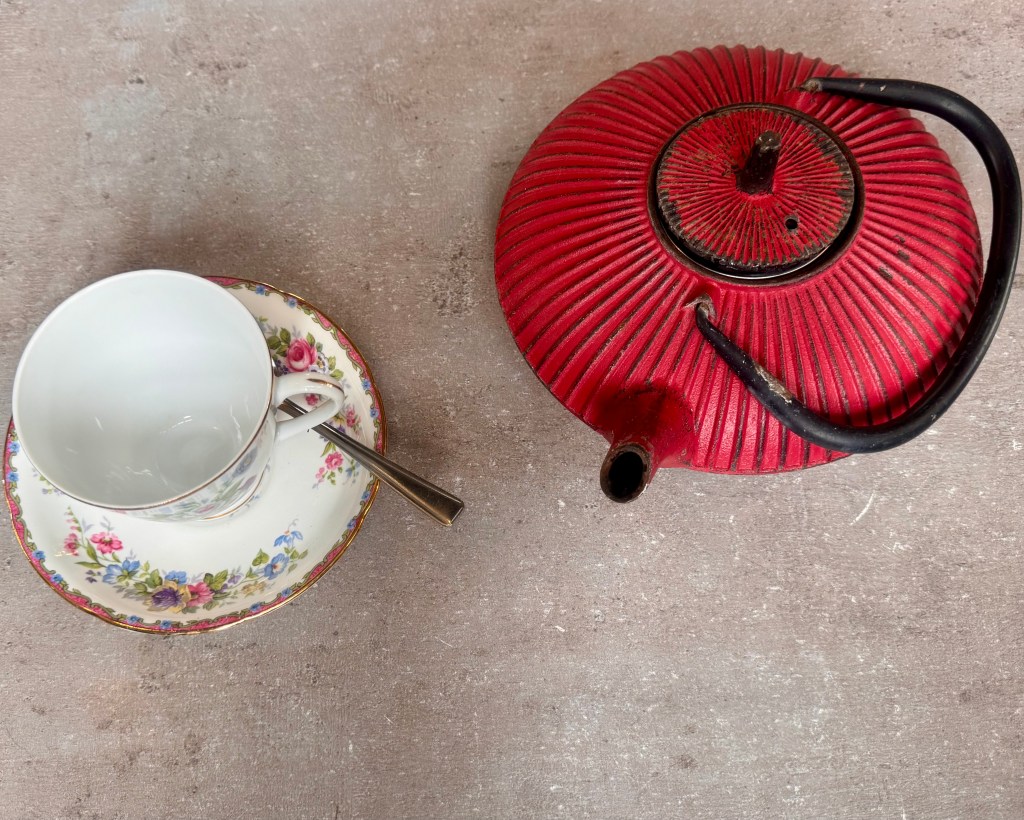
This availability of tea created its own cultural marker, the afternoon tea. In order to have a social occasion for women and the desire to overcome the lethargy of late afternoon, the afternoon tea grew in popularity. Of course, when Mary and I had an afternoon tea in Lincoln, we had so much food that we had to carry half “the small finger sandwiches and desserts” back to our hotel room.
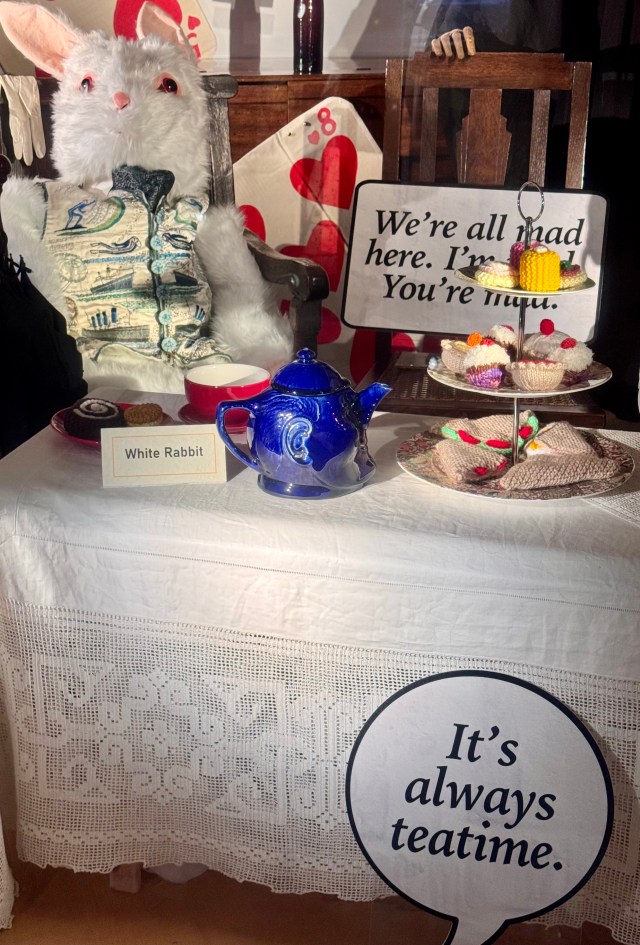
So, when the Mad Hatter in “Alice in Wonderland” says “It’s always tea time,” then he is correct. The English can drink tea anytime and anywhere. During this trip, every BnB room, every hotel room, has, at the minimum, three types of tea for me to prepare whether at night or in the morning. Of course, the English tea-drinkers do have standards. One English woman told me that when she asked for a cup of tea while visiting the States, the waitress went over and got ice tea, put it in the microwave, heated it, and served it to the English woman. While the English woman exclaimed to me, “It was dreadful. Just dreadful”, she simply said “thank you” to the waitress. There is so much revealed about English culture in that story!
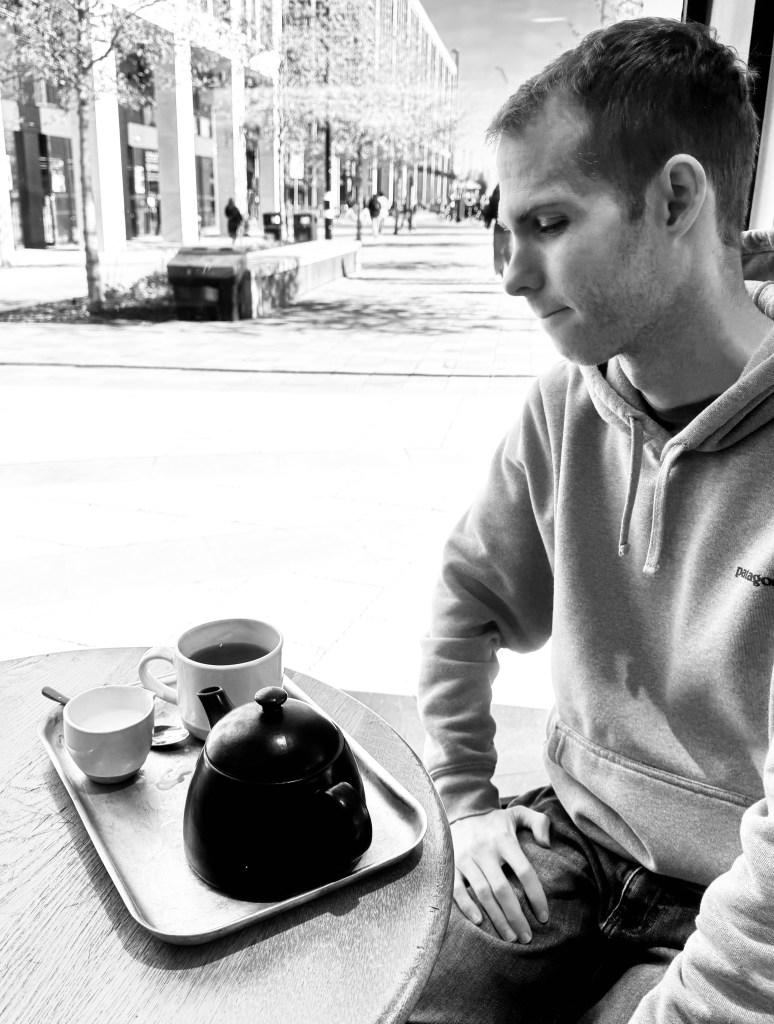
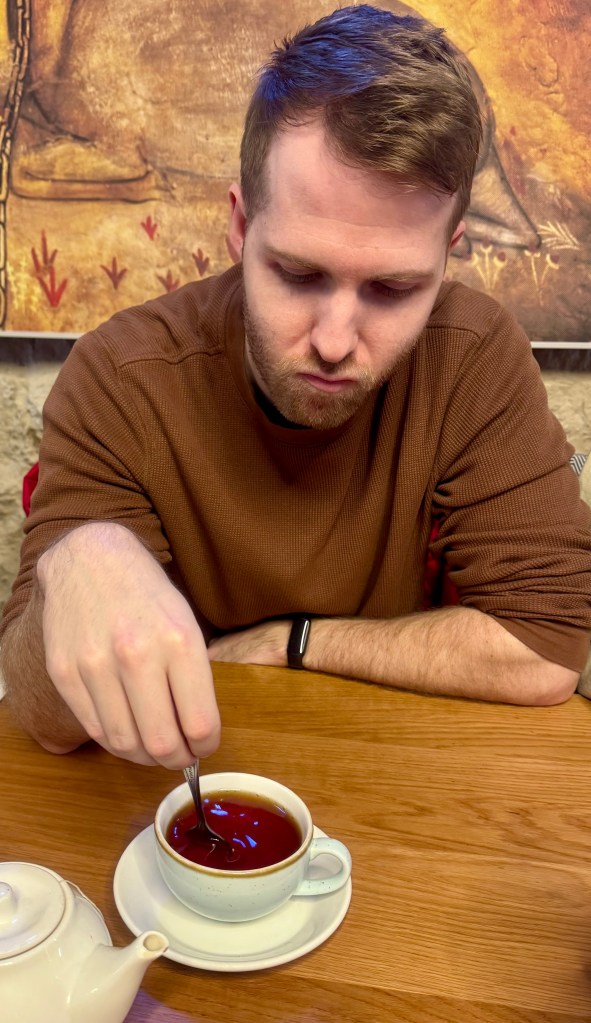
The drinking of tea has a fascinating history. The identification of tea with the English is equally fascinating. However, as a cultural marker, drinking of tea has evolved. Overcoming barriers. Overcoming possible punishments. Overcoming public condemnations. Overcoming social and economic divisions. Creating the means for its own cultural success. Creating its own institutional practices. Who would think that there is so much to the history of tea drinking.
Is it even possible that both the English husband and the English wife at the BnB, might someday respond to the question “Tea or Coffee” with the answer “Coffee for both of us, of course.”

