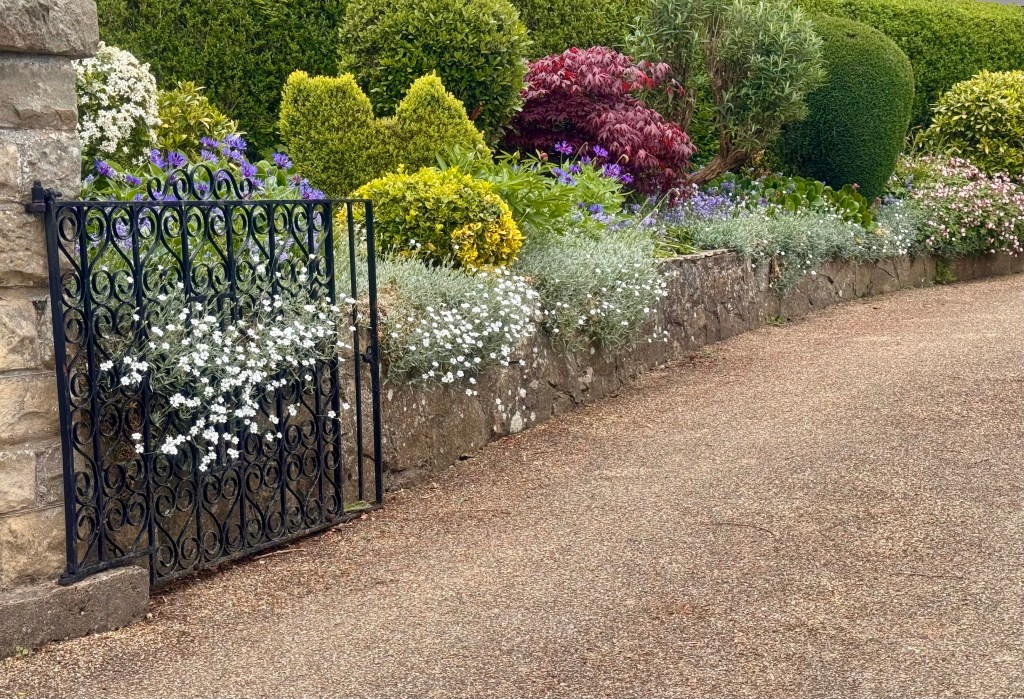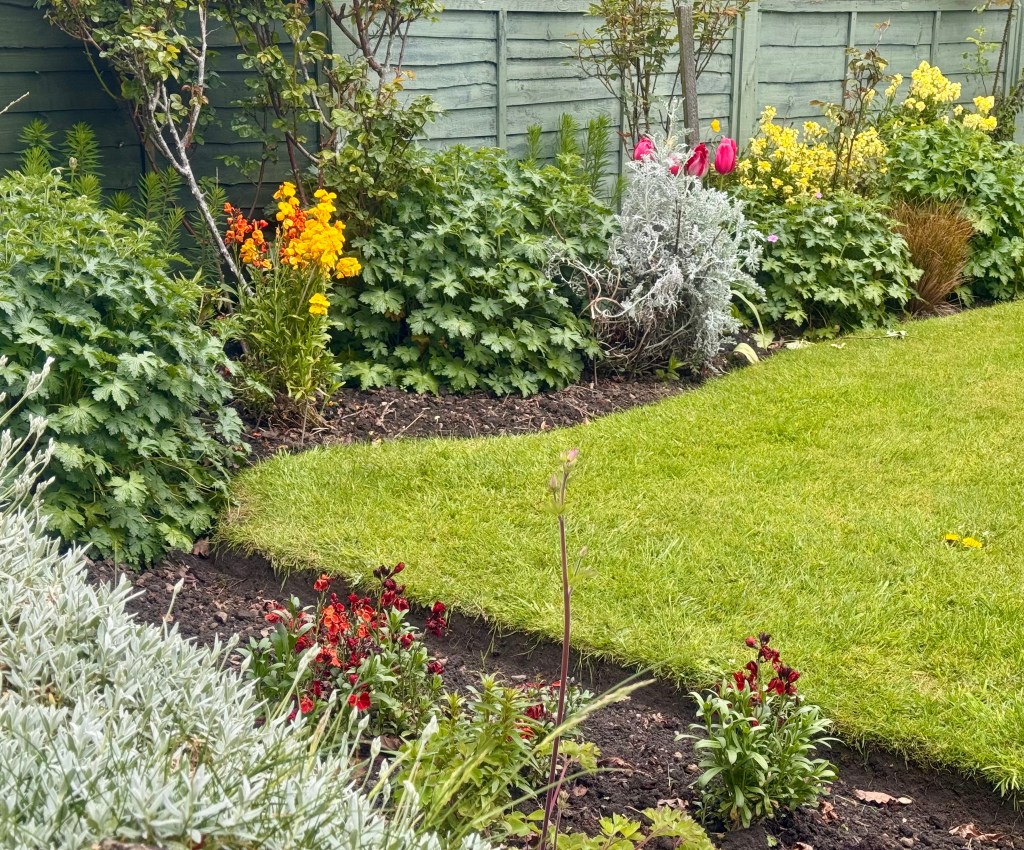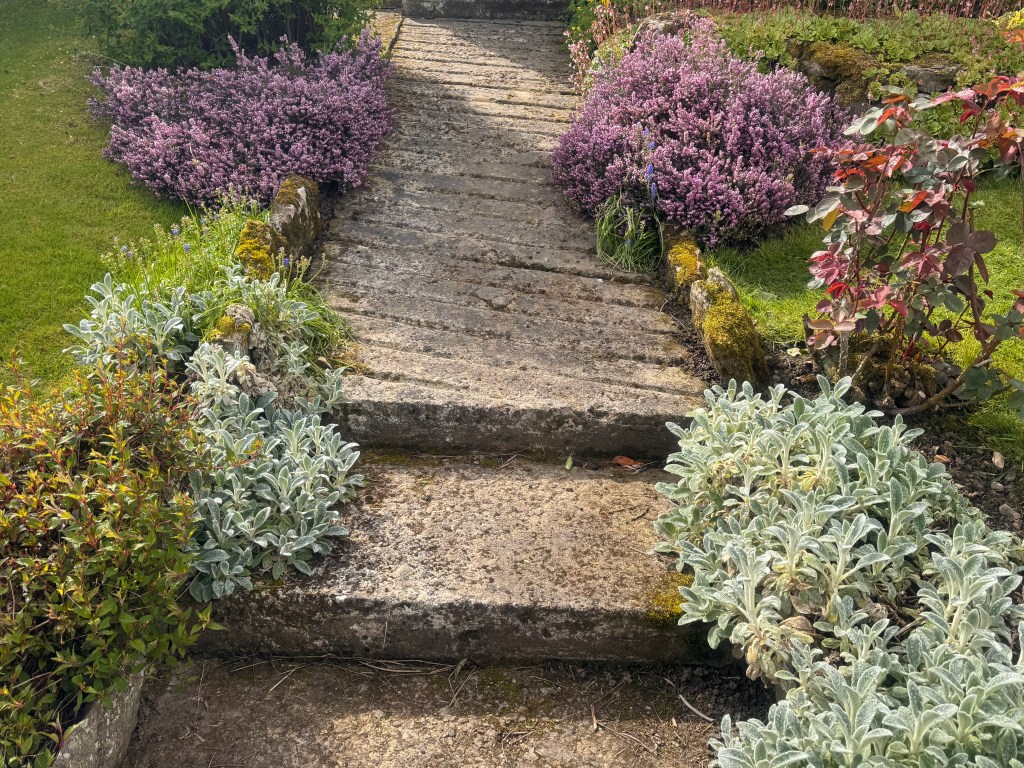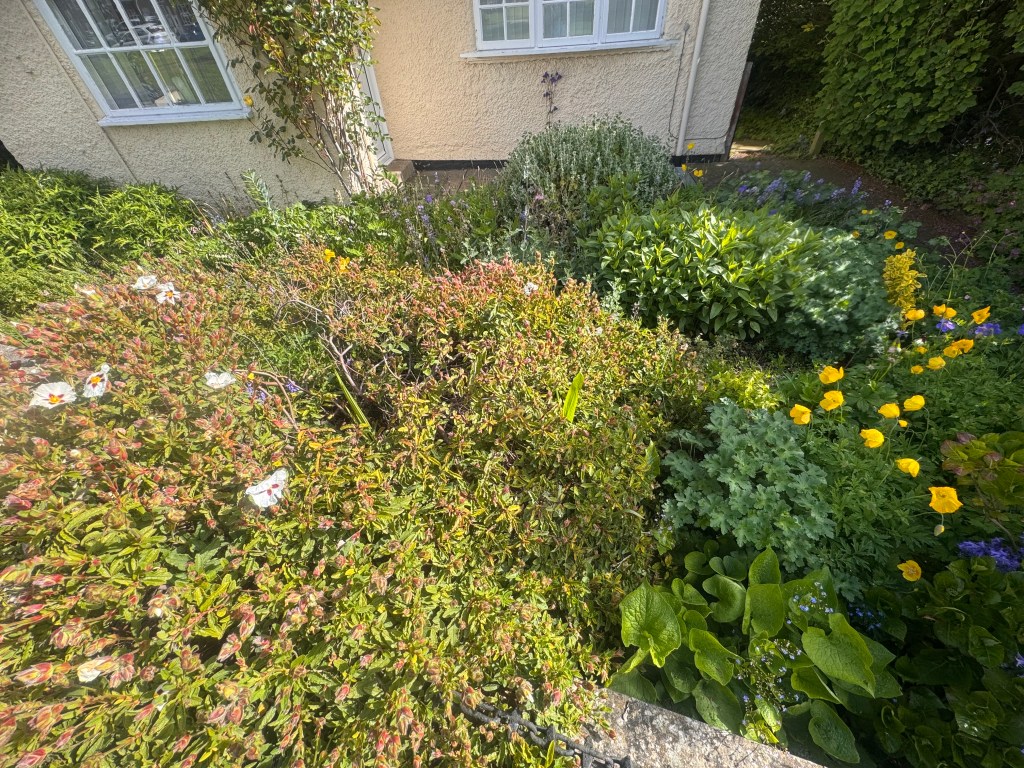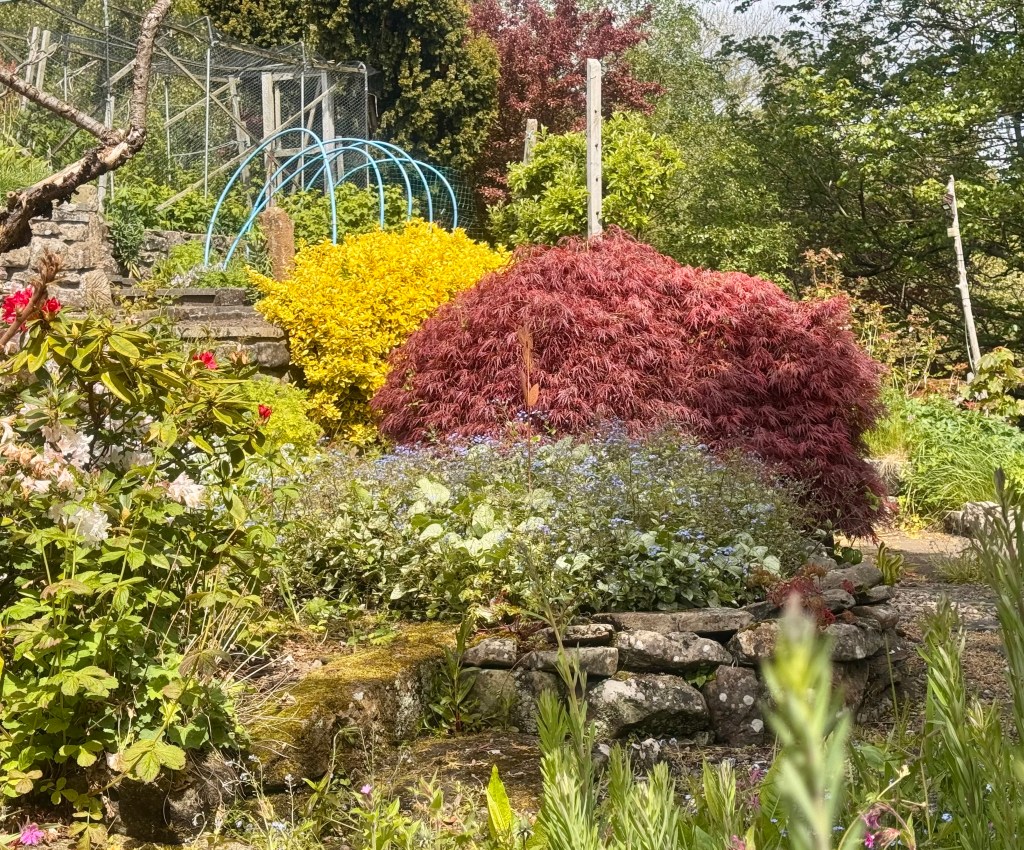
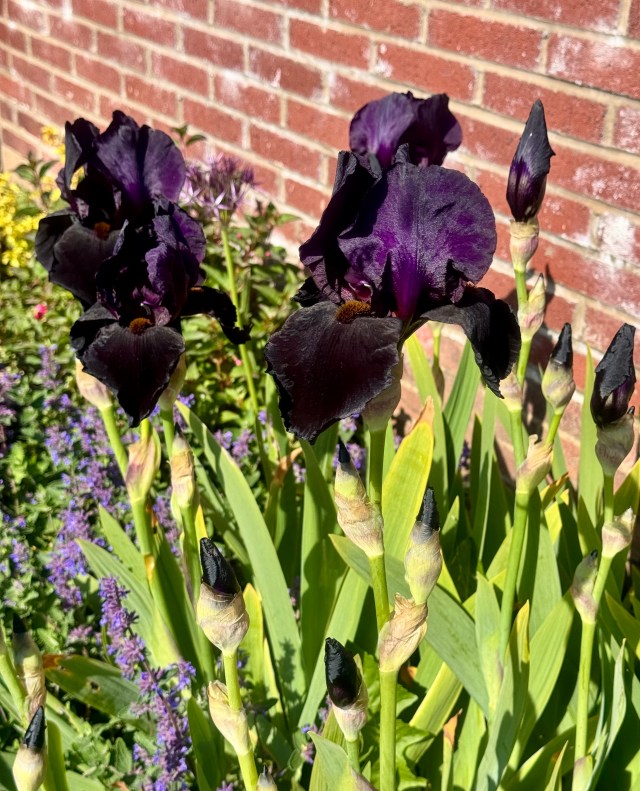
Mary and I enjoy gardening. So, I notice garden spaces as I walk through England.
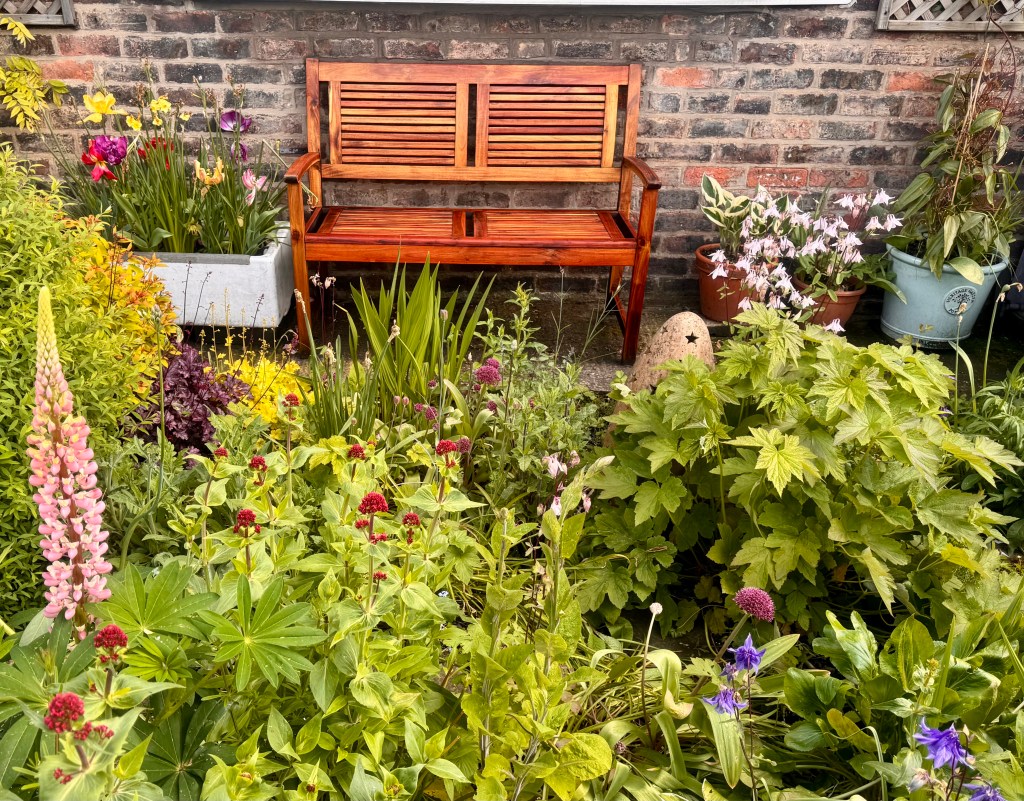
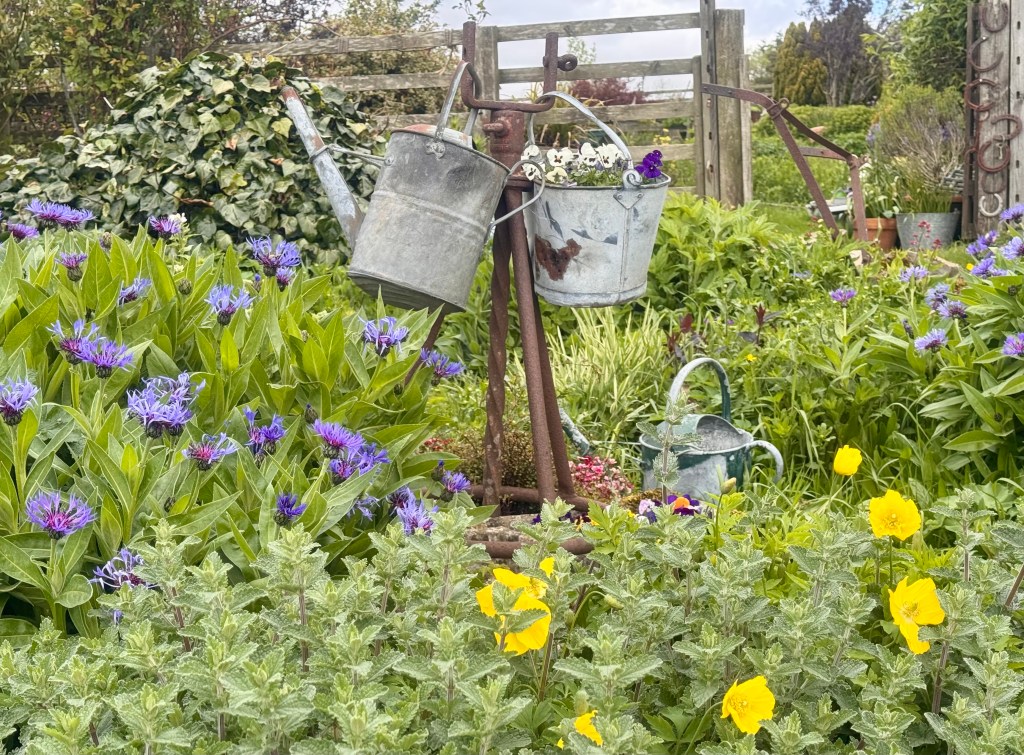
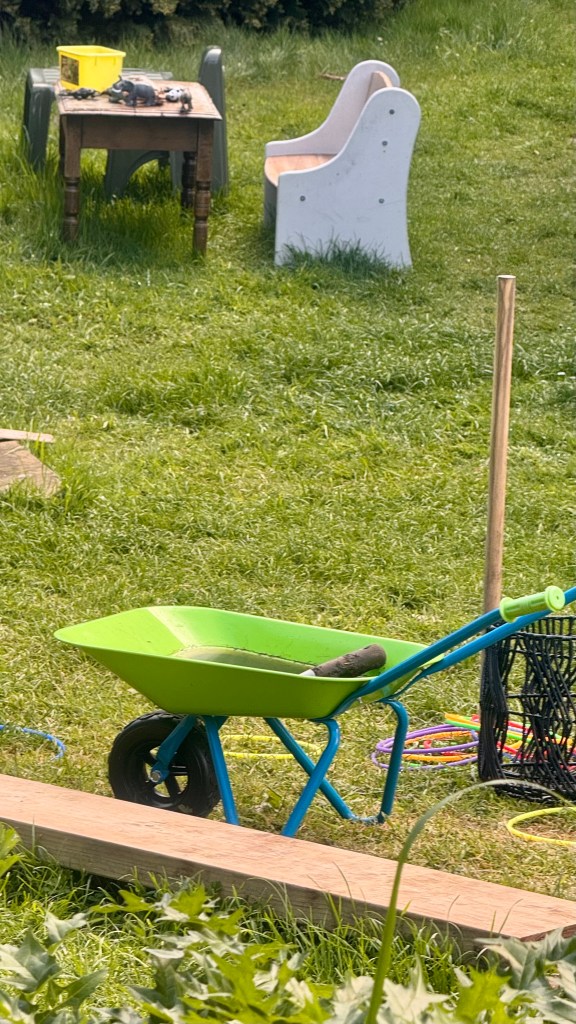
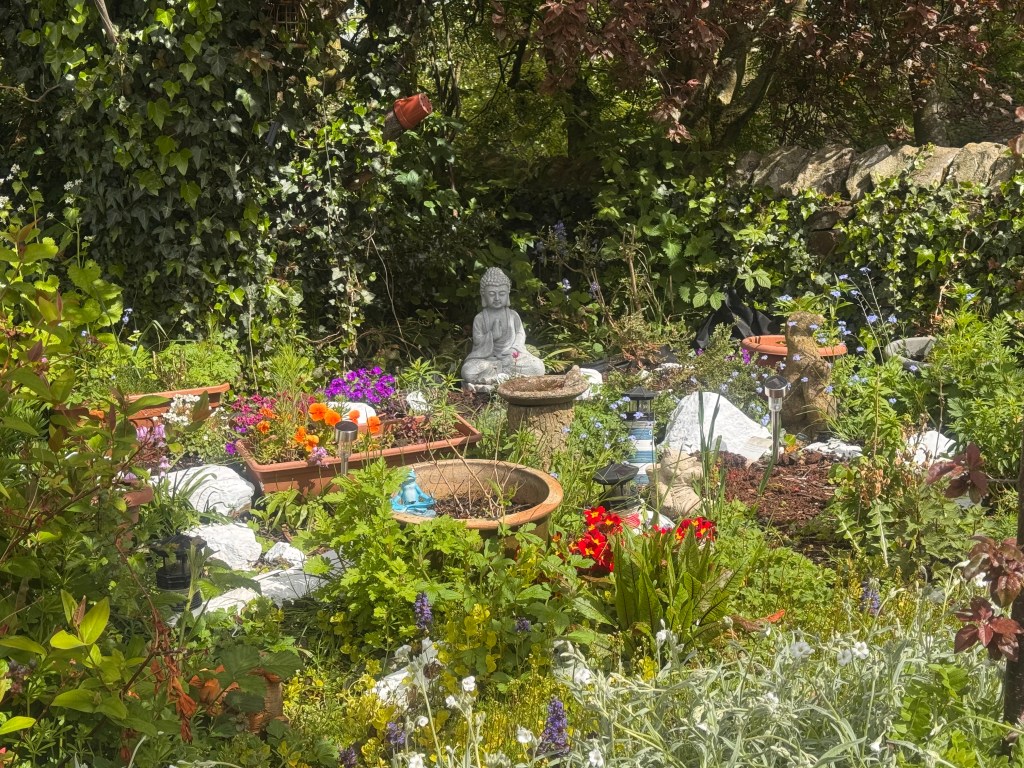
Everybody who has planted plants from astilbe to zenias has probably heard of “English cottage gardens.” Every square foot of ground is planted. Flowers of various colors and heights. Flowers for the spring, flowers for the summer, flowers for the fall. I certainly assumed that I’d see these apparently unruly gardens confined only by a white fence and the front of the house everywhere I went. Not so.
The English cottage gardens probably originated with the needs of medieval folks to have a small plot to grow their own food. The lord of the manor gave these laborers who worked his fields a small plot of land to grow their own food. These small strips of land were often next to the laborers homes.
During the Georgian period, basically the 1700’s into the very early 1800’s, the English began a new phase of gardening. On the one hand, because of their “Grand Tours” of the continent, the aristocrats began to approve of the French and Italian more formal gardens. Grand gardens, with symmetrical shrubbery, small ponds, classical sculptures were desired, designed, and created. Studley Garden, probably twenty miles from York, is an example of a formal garden. On the other hand, these formal gardens often began to be removed as new landscape designers created an artificial “natural landscape.” “Capability Brown” became the premier landscape garden designer. At Blenheim Palace, he removed trees, constructed a lake, as he landscaped over 2000 acres. At Longleat, he removed the formal gardens and planted over 90,000 trees. Large scale projects!
There was a darker side to this landscape work. At Milton Abbas in Dorset, Capability Brown was asked to demolish an entire village. The village marred the view desired by a Lord Milton. Removing the village and replacing the site with a lake, Capability Brown did, at least, construct a new, smaller village for a few of the tenant workers nearby. Since one of my ancestors came from Milton Abbas, Mary, my cousins, and I visited Milton Abbas last year. While our ancestors were laborers, we don’t know if they lived in the new housing or had to find other accommodations. The centuries old proverb certainly played out there: “one law for the rich; another law for the poor.”
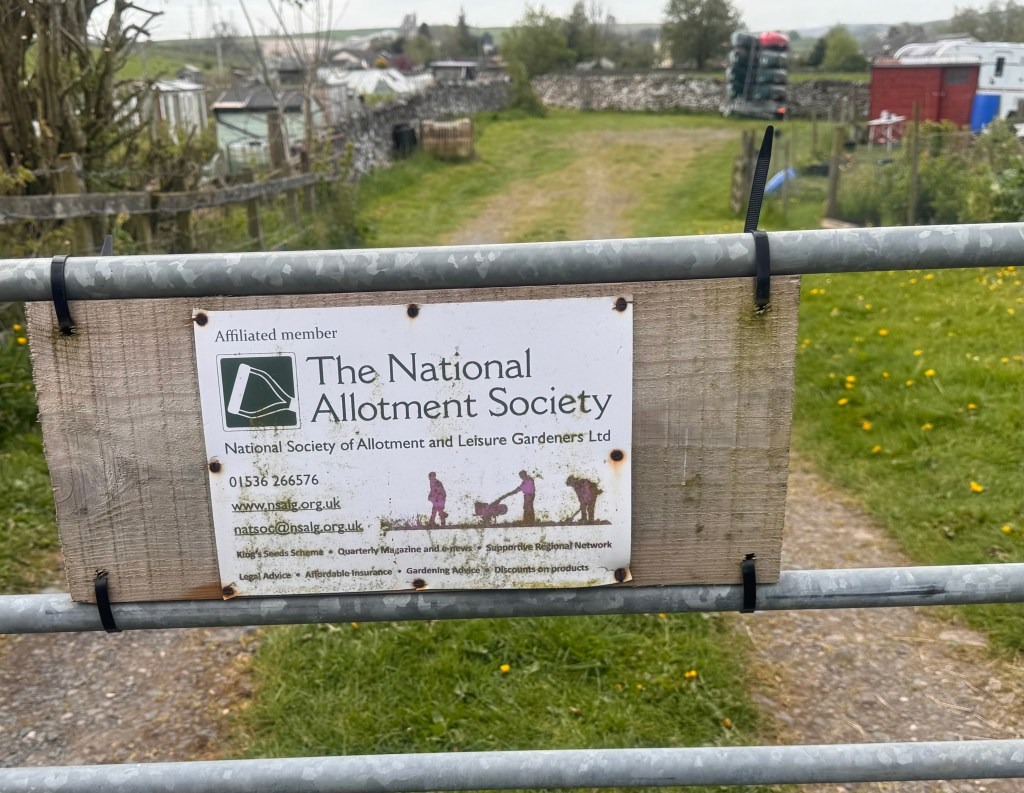
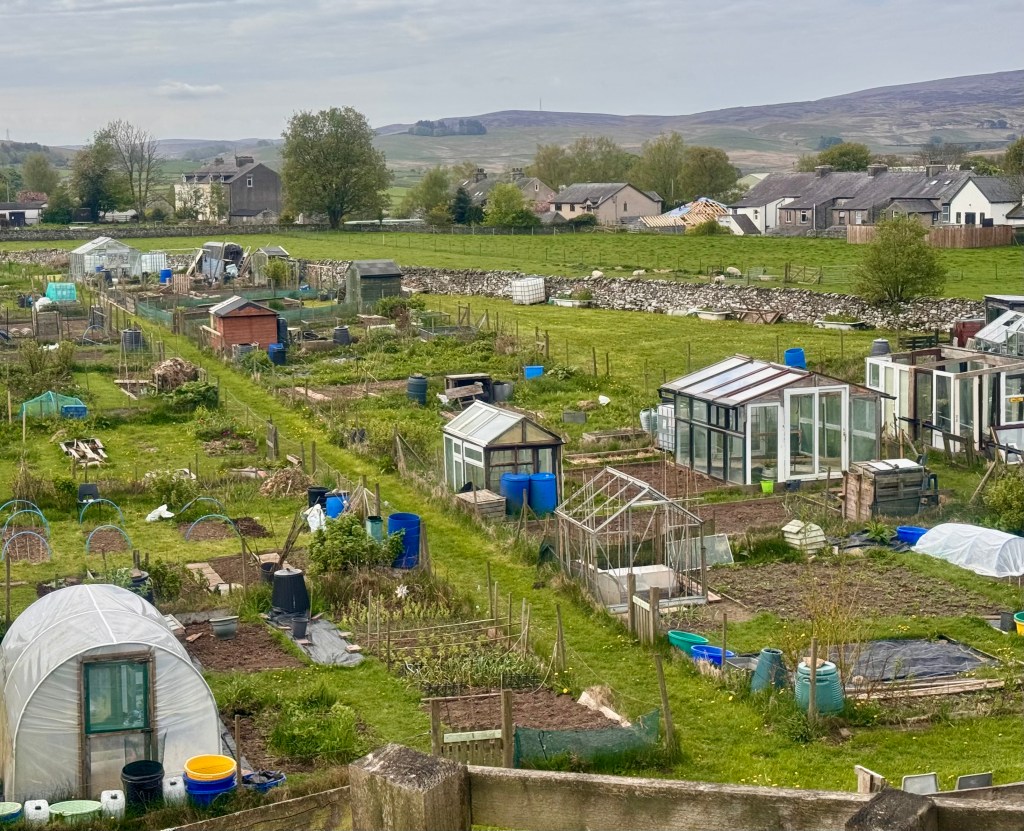
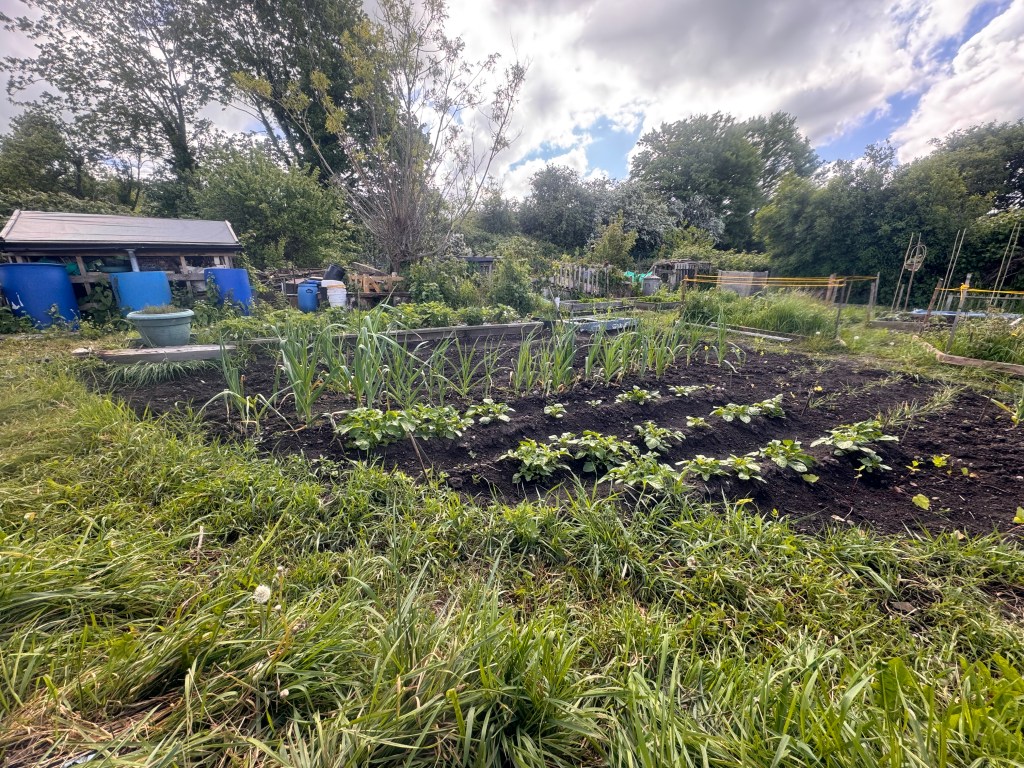
In the twentieth century, garden spaces evolved. During World War II, the English were encouraged to plant “Victory Gardens.” Grow as much of one’s own food as possible. In the twentifirst century, there are “Allotment Gardens.” Because space is at a premium, many English don’t have any space for gardens. The small space between the street and the house has often been paved or graveled for the family car. Thus, the local Council finds a large space of un-utilized land for gardening, next to the railroad tracks or a highway. This land is divided into small plots, probably some plots are only 20X20 feet. Not large, but some real soil for a family.
So, I don’t see English cottage gardens everywhere. When I asked a BnB owner, she said. “The cottage gardens are there. But you are right. There aren’t as many. But, you’ll see them here and there, especially in the villages.”
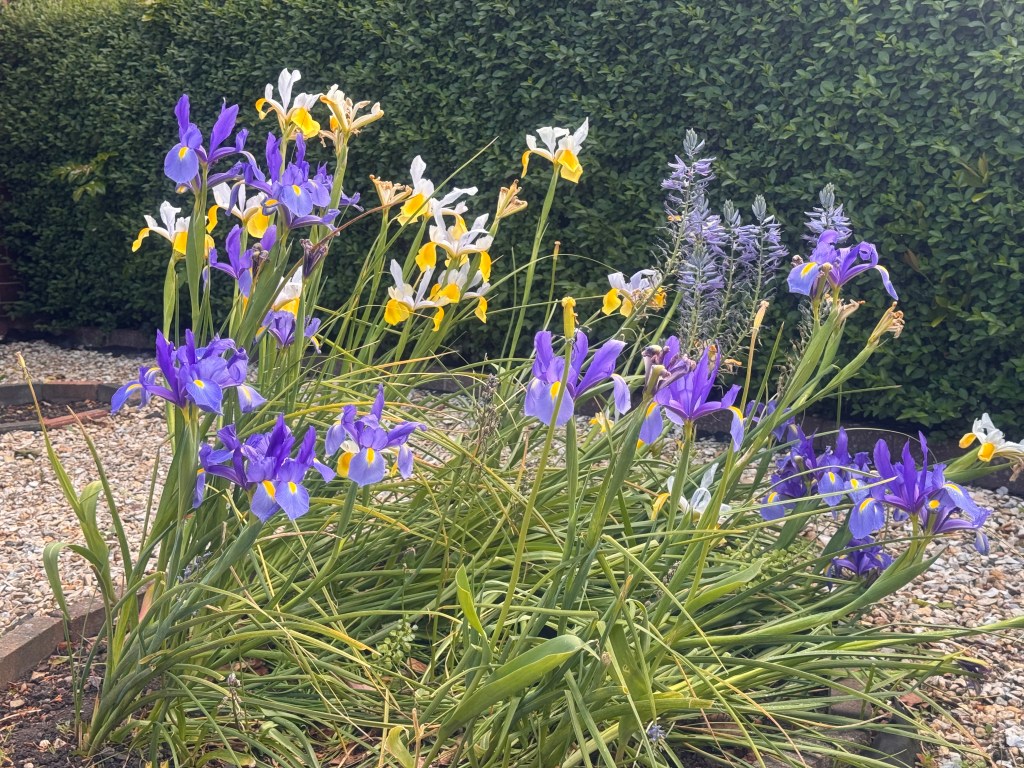
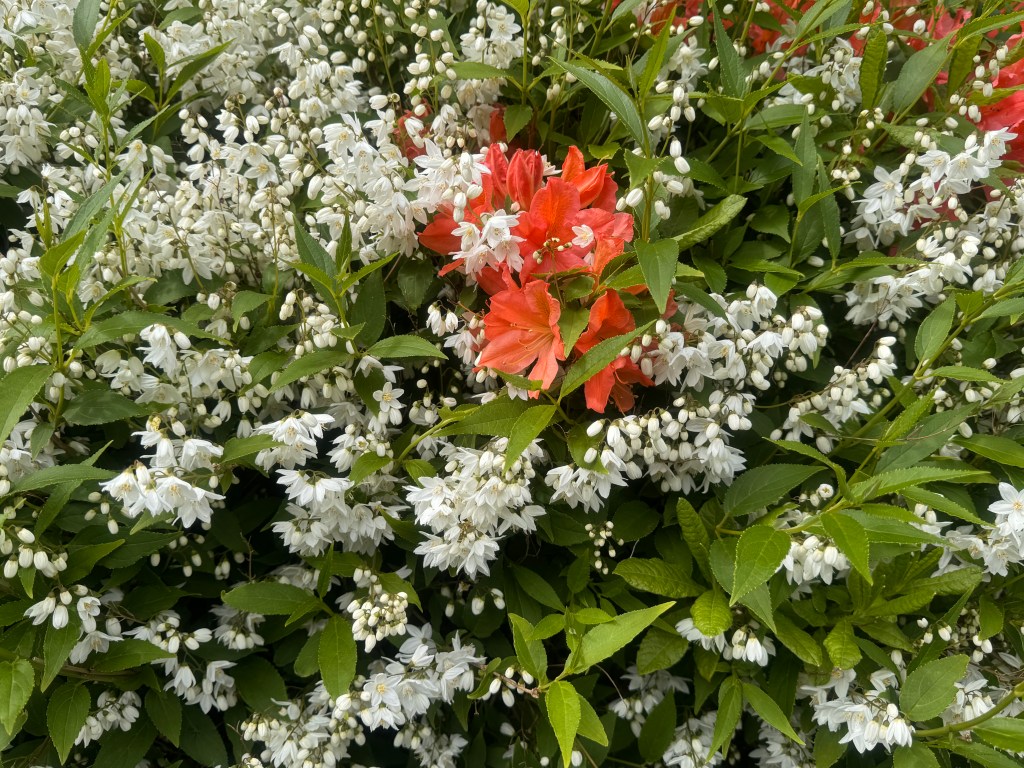

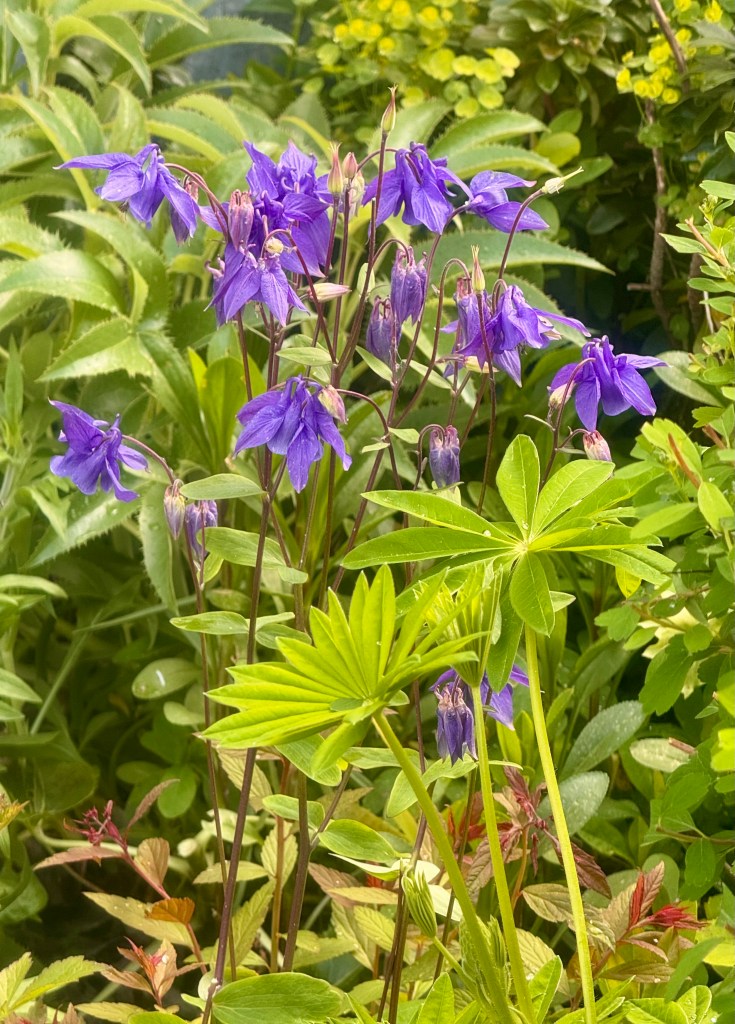
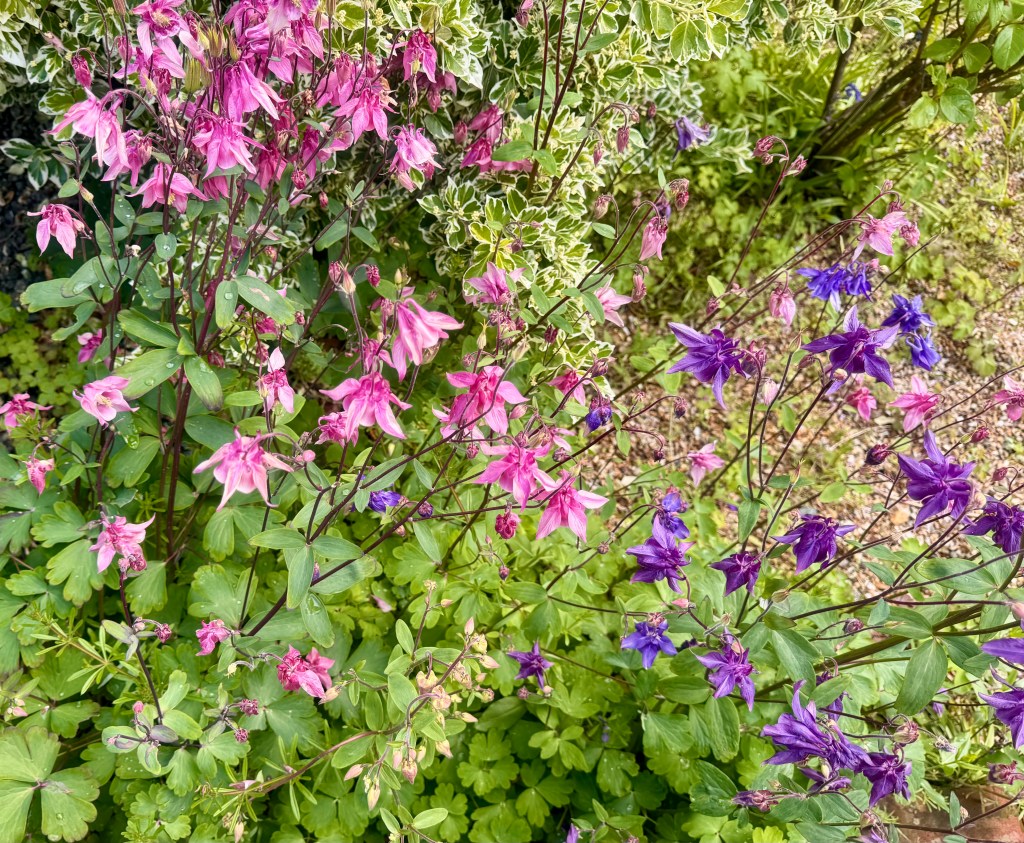
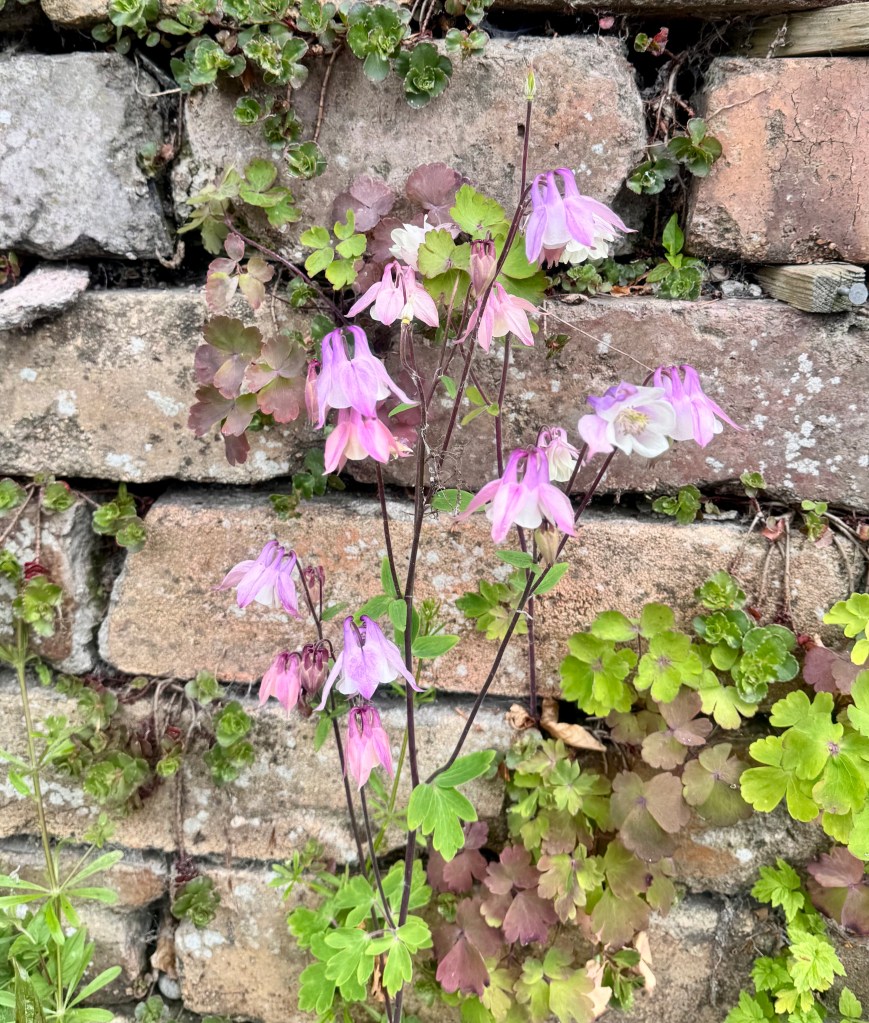
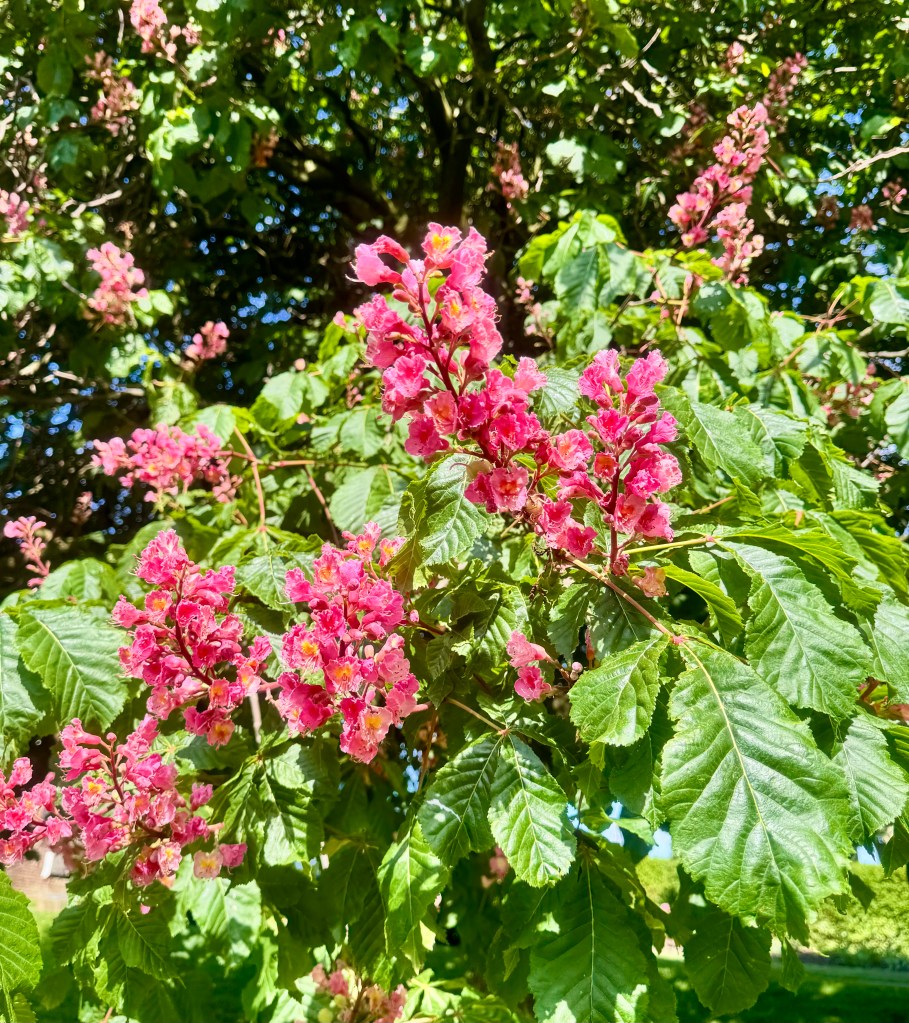
As is true of other cultural practices, English cottage gardens have evolved. My hope is that these apparently unruly, extravagantly planted garden spaces, don’t disappear. We can always use a bit of unruly beauty in this world of ours.