One can make a long-list of “must see” sites when visiting London. Historical Sites. Theater. Gardens. Museums. What is a bit different? An East End eating tour. Knowing that Charles, Christina, and Dwight love food variety, it is an obvious choice.
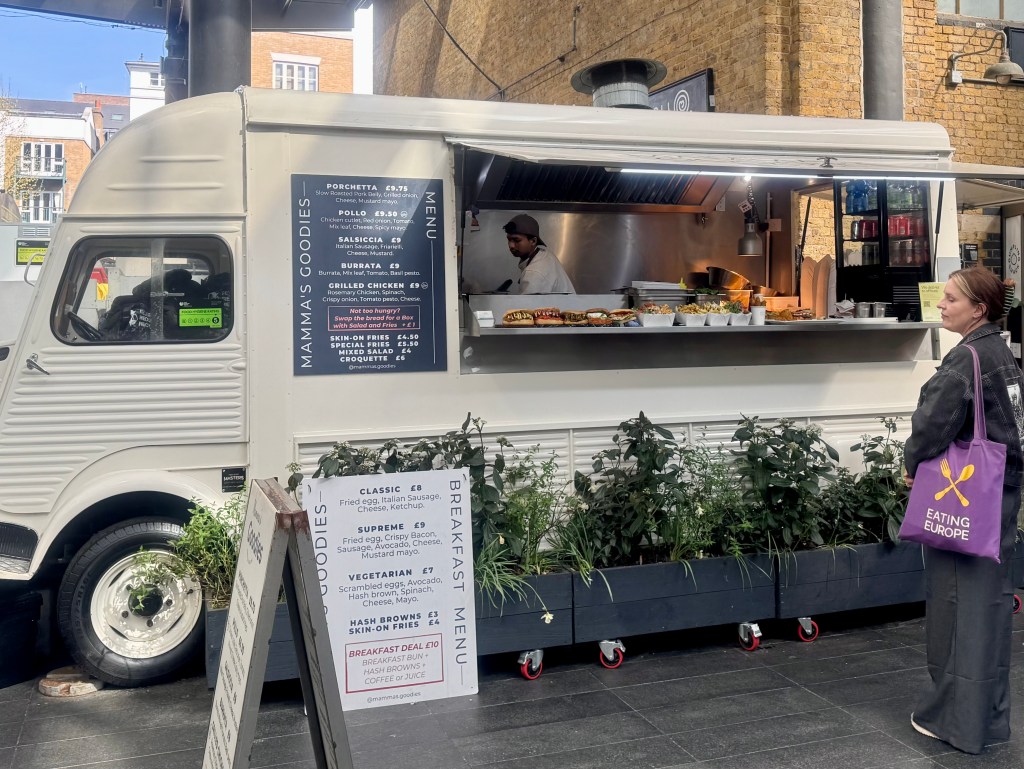
Exiting the Shoreditch tube station, we make our way to Spitalfields Market. After meeting Katie and our other group members, off we go. Our first stop is an Italian food truck serving Bacon brioche Baps. I’m already full! I remember when my parents would take us to have international cuisine. We went to one of two Springfield Italian restaurants. No Mexican. No Chinese. No Indian. My brother and I felt like we were in Rome!
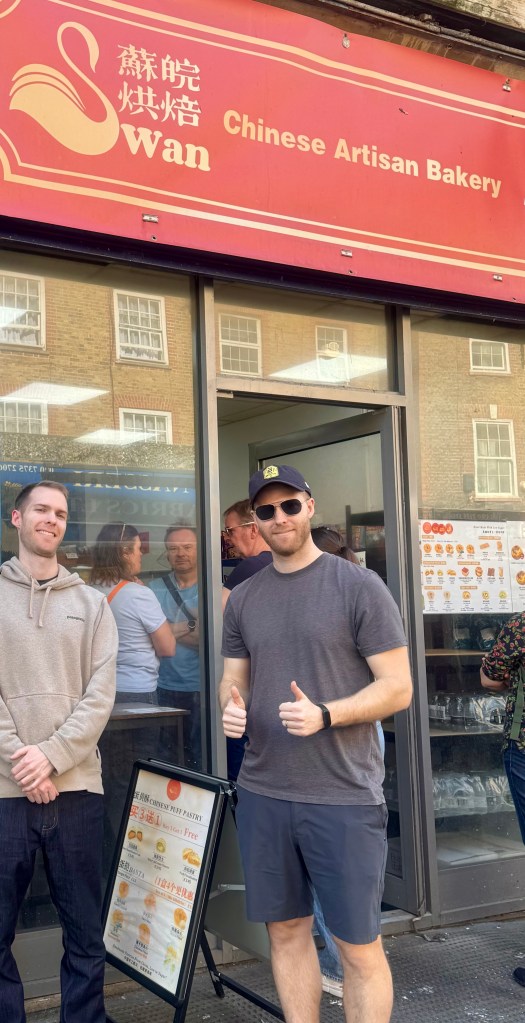
Walking a few blocks and changing continents, we try a Chinese custard tart. While walking the Portuguese Camino, I devoured Pasteis de Nata every morning. While visiting Macao from Hong Kong years ago, I also remember having a Chinese tart very, very similar. The obvious, great mystery: who made these tarts originally, the Chinese or the Portuguese?
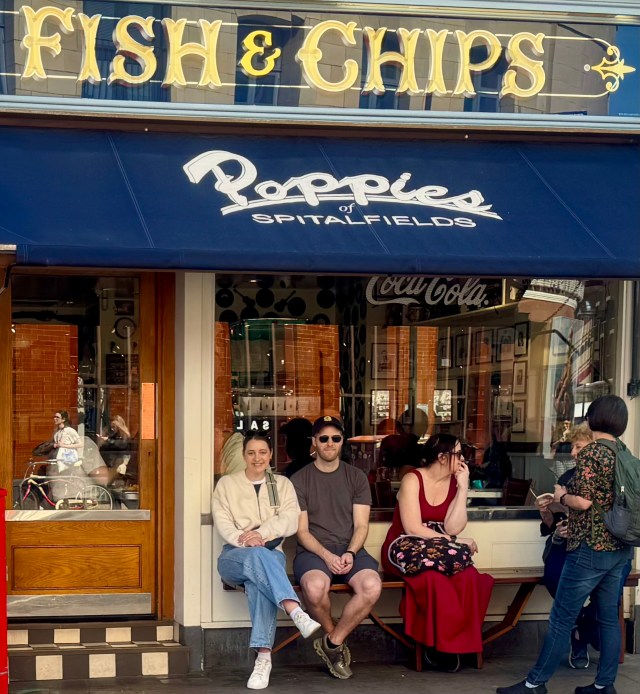
Walking back to England from either Portugal or China, we stop to have the familiar fish and chips. The décor is out of sync. I feel as though I’m eating in a 1950’s Route 66 Diner. Furthermore, despite making a vow to avoid eating fried fish and chips on this trip, I do enjoy this sample. It is light and flakey.
The history of fish and chips is interesting. In the 1860’s, the working class made fish and chips popular. Jewish immigrants combined fried fish with a generous helping of cheap and filling potatoes. An Institution is born! My own 1970’s memory of London fish and chips goes back to the greasy newspaper fish and chips. However, health regulations brought an end to the possibly toxic newspaper ink in the 1980’s and 1990’s. A culinary habit disappears!
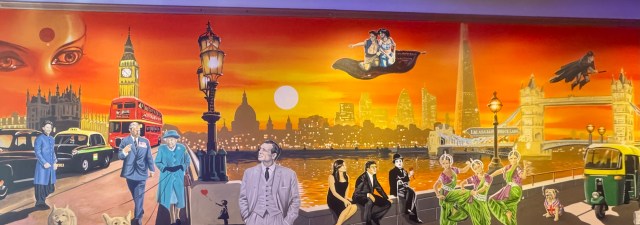
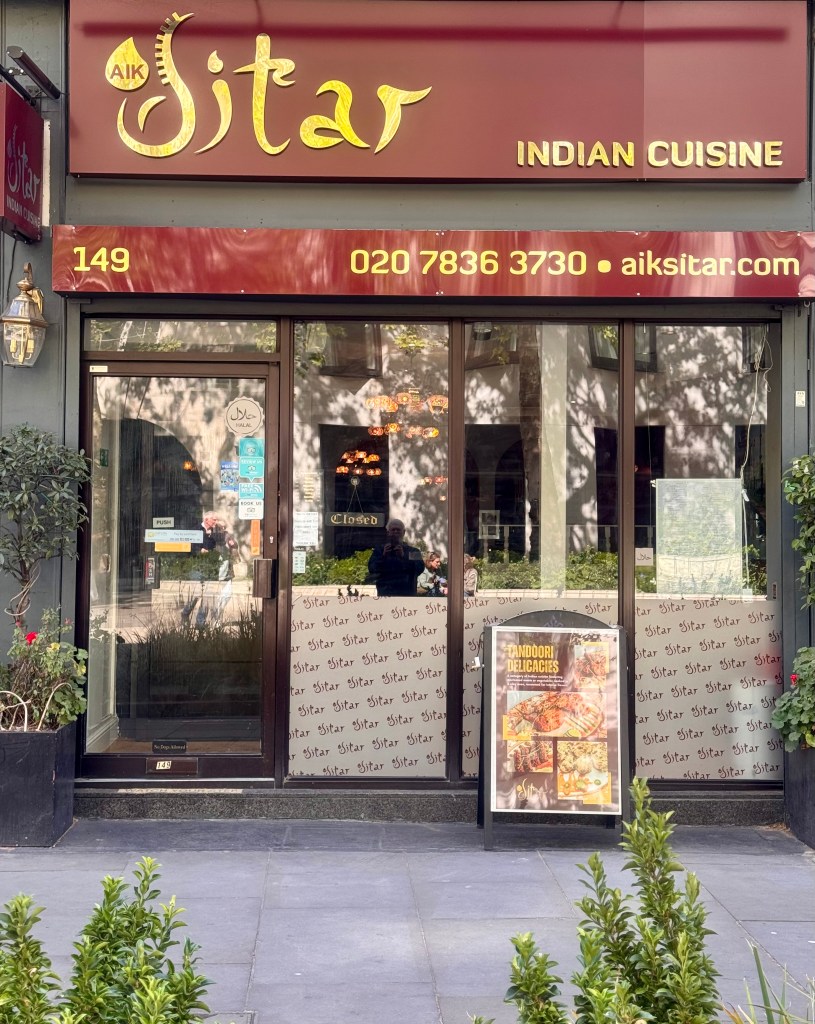
Returning to Asia, we eat Indian food in the Bangladeshi area of Shoreditch. The Bangladeshi community moved into this area in the 1970’s. Besides being great food, we all relax as we enjoy the interior of a restaurant on this warm day.
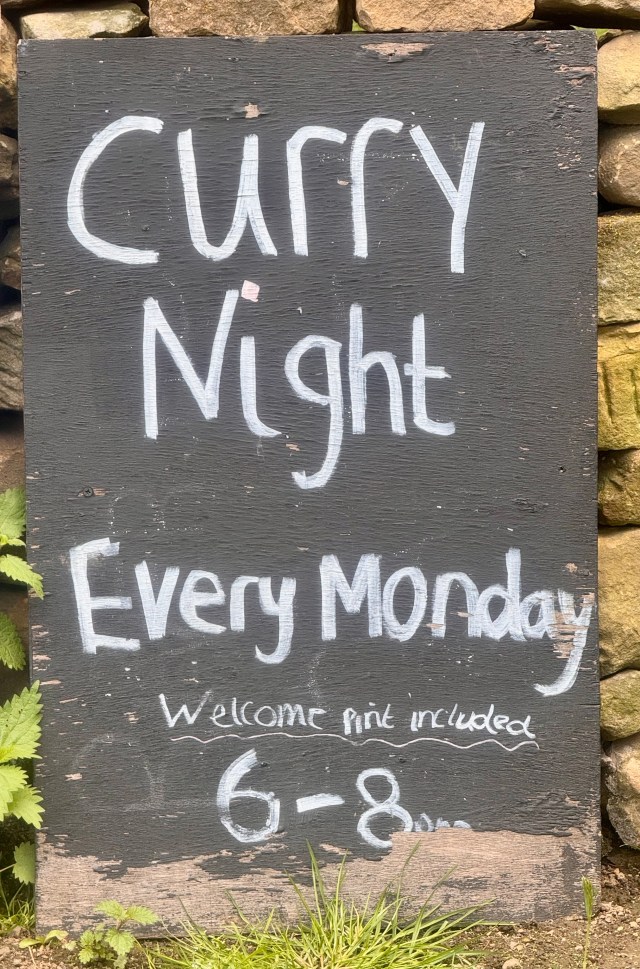
There is a history to curry in England. In 1810, Sake Dean Mahomad, a former Captain of the East India Company, opens the first takeaway and delivery service, the “Hindoostanee Coffee Shop.” In Shoreditch, the “Curry Café” finally opens in the 1920’s. Eventually, with the increase of south Asian immigrants, Shoreditch becomes the home for “Curry Mile.” Indian restaurant after restaurant. As one English woman said to me later, “Chicken tika masala is now the national dish of England, not fish and chips.”
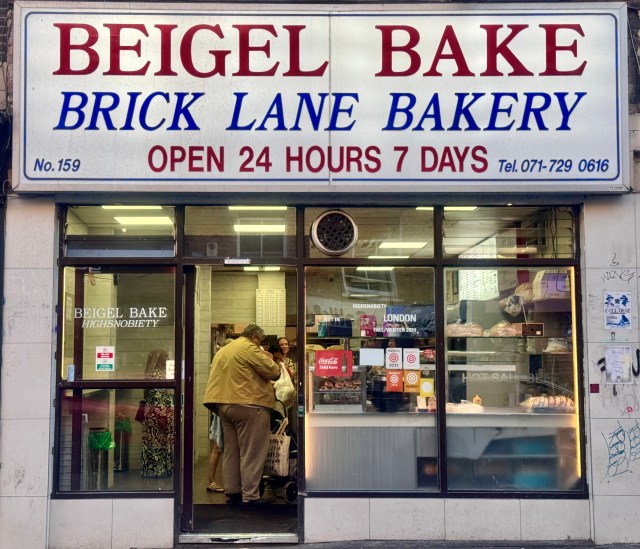
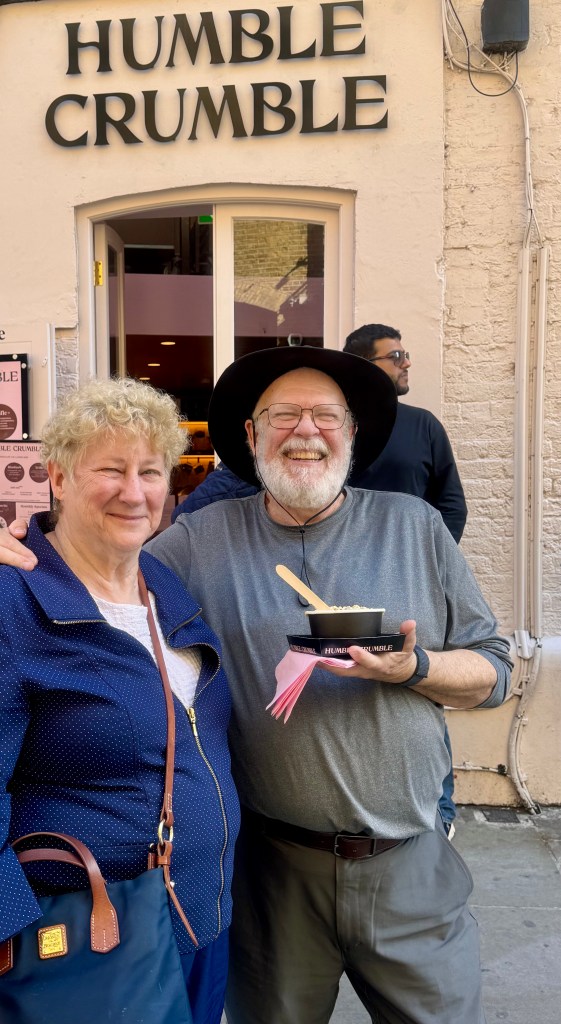
Two more. Perhaps to commemorate the eastern European Jewish migration of the late 1800’s and early 1900’s, we go to Beigel Bakery. A very strange shop. Since it is open 24 hours a day, 365 days a year, the shop doesn’t have a lock on the door. Really! Finally, we eat dessert at the Humble Crumble. Hot custard with cinnamon and granola. Wonderful.
The eating tour is a hit! Well-organized. Walkable destinations. Besides the varied food from around the world, we confirm that age old truth. Global food means global citizenship. Food crosses borders. More often than not, food crosses borders because individuals and families cross borders. Who can say that they don’t enjoy some pasta? Mongolian beef? A beigel? A burrito? Maybe we’ll appreciate those individuals for more than their food!