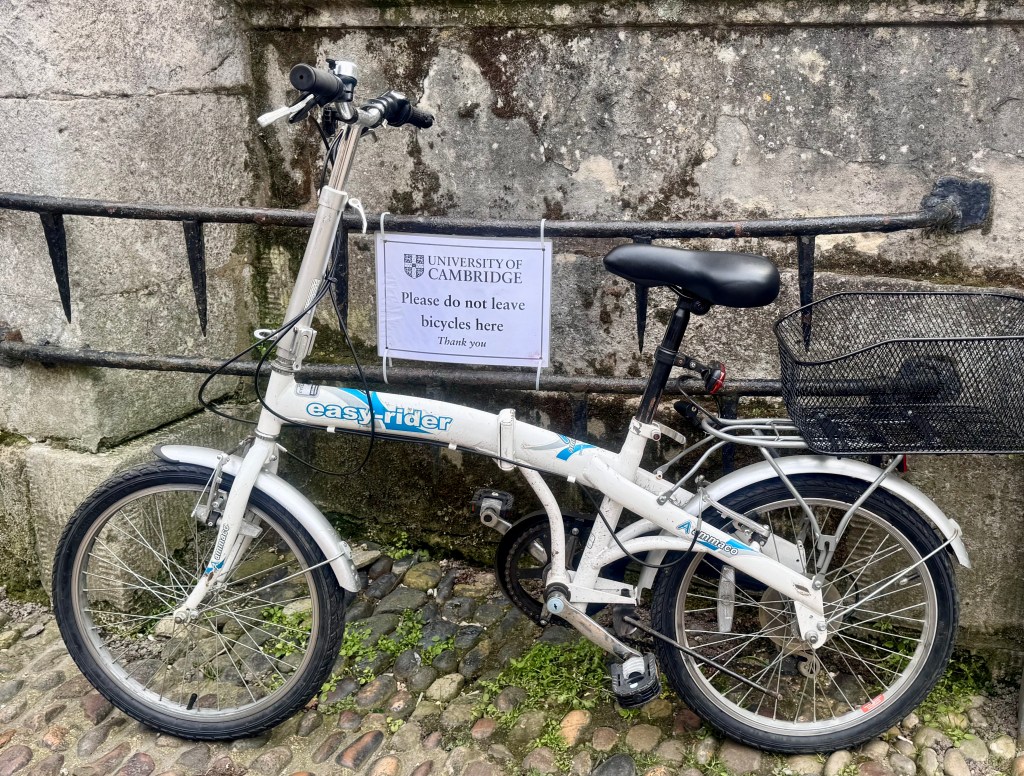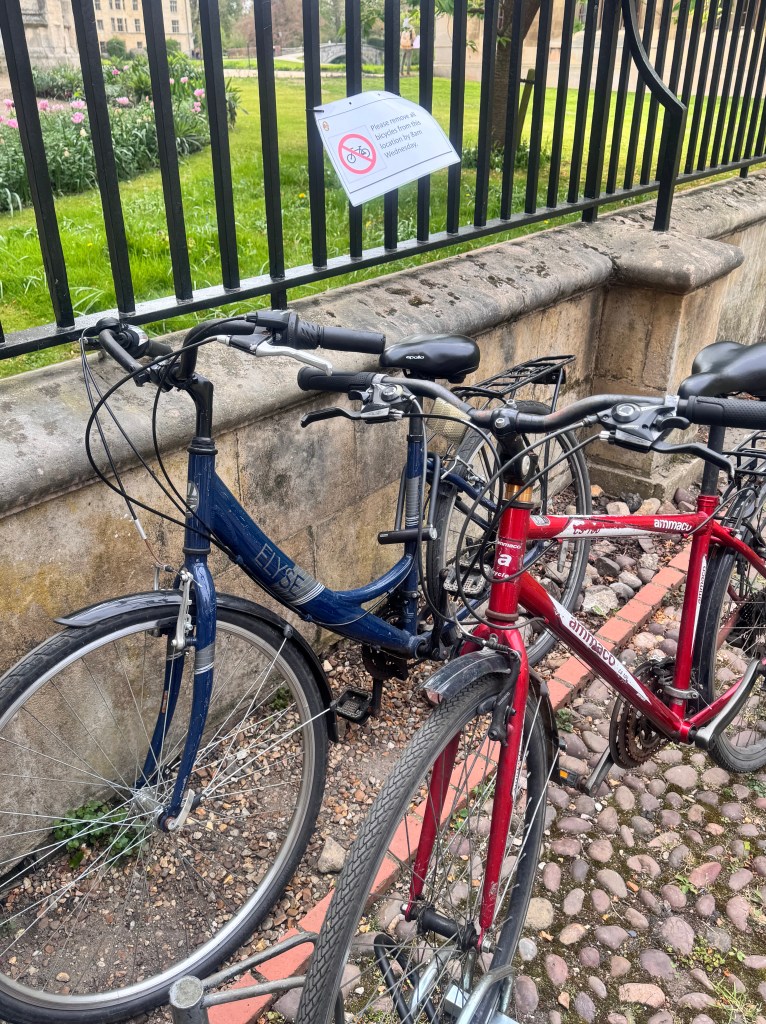
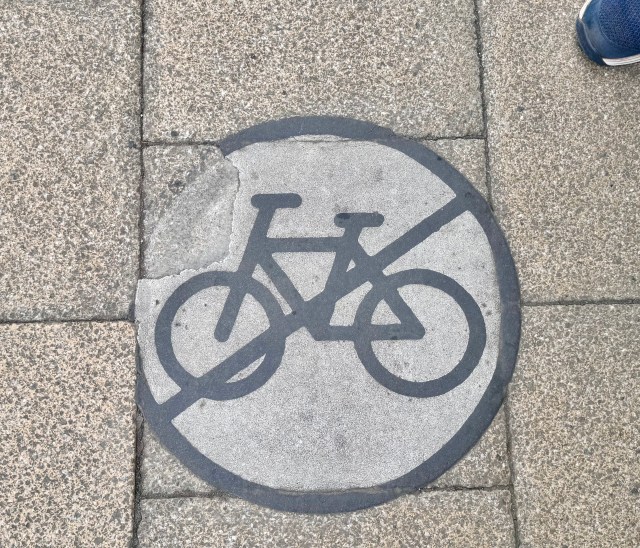
I remember my first Schwin bike. I remember our sons learning to ride on our cul-de-sac. Good memories!
Who doesn’t like bikes? In England, bicycles are everywhere. Surprise. Surprise. As a result, I wonder about the history of the bicycle in England.
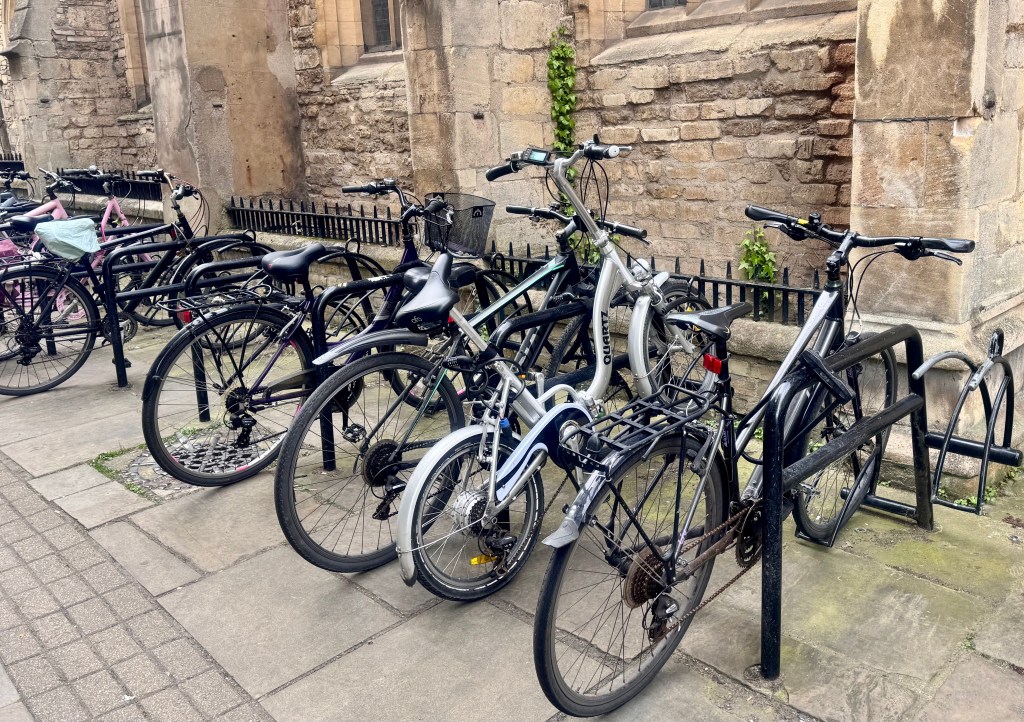
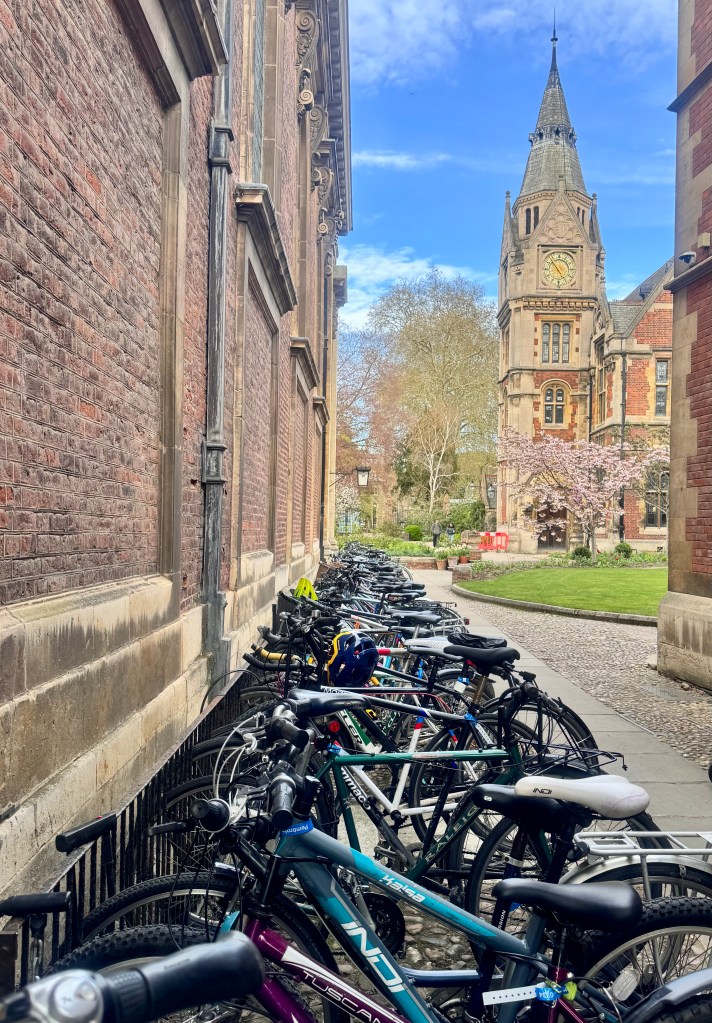
The German Baron Karl von Draig invents the first pedal-less bicycle in 1817. While the bike has a seat and two wheels, the person has to use one’s feet to push the bike! Strange! Eventually, English bicycles become important. First, in 1871, the “Penny-Farthing” bike appears around England. You can probably picture this one because it has the giant front wheel as tall as a person. Second, in 1876, the Coventry Lever Tricycle emerges, two large wheels with a smaller front wheel. Extremely popular, this tricycle, and other tricycles imitating its design, launch the late-Victorian “tricycling craze, Third, in 1885, the Rover “Safety” bicycle designed by John Kemp Starley becomes the standard design for future bikes. Finally, during the 1930’s, Nottingham’s Raleigh Bicycle Company designs and produces the “three-speed” bike. Soon, the company becomes the largest in the world. By mass producing these bikes, thousands and millions of working-class people can afford a bike. Interesting!


The use of bikes is so obvious. In London, people use electric bikes for Door dash. Tourists collect and deposit the lime-green bikes everywhere! Unlike some places, the local bike riders know how to que their bikes rather than placing them in locations which block pedestrians and take up parking spaces. Bravo local bike riders! School children ride their bikes to school. Adults ride their bikes to work. Individuals board trains with their bikes. So many bike riders!
Unfortunately, I’ve seen two accidents between bicyclists and pedestrians. While nobody was seriously hurt, the voices got loud and the tone heated!
So, what is needed when you have thousands and millions of bikes? Rules!! Warning!
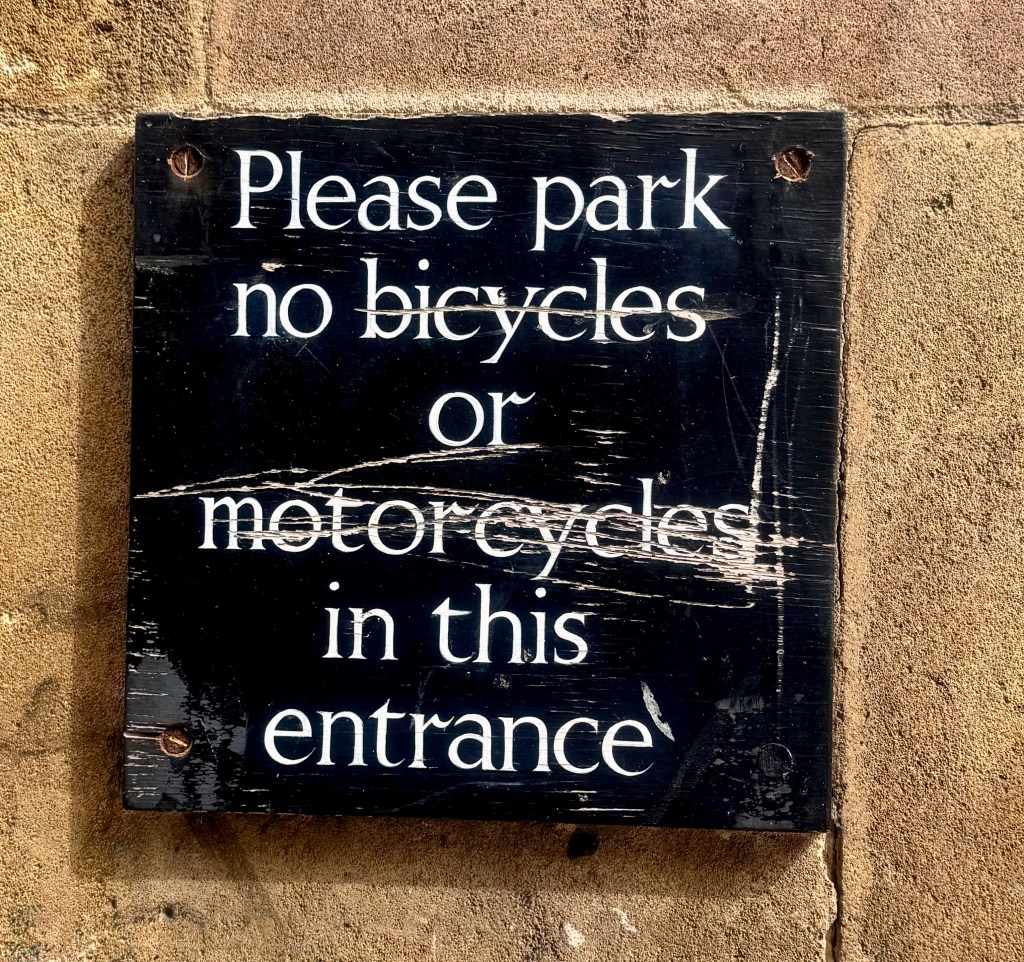
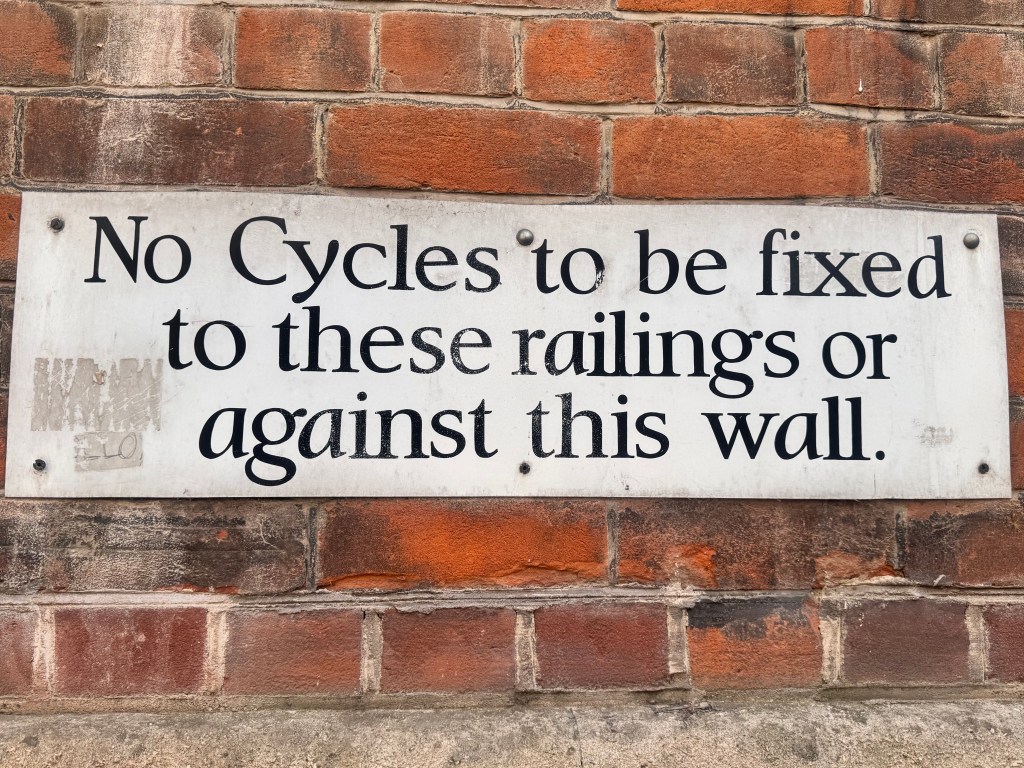
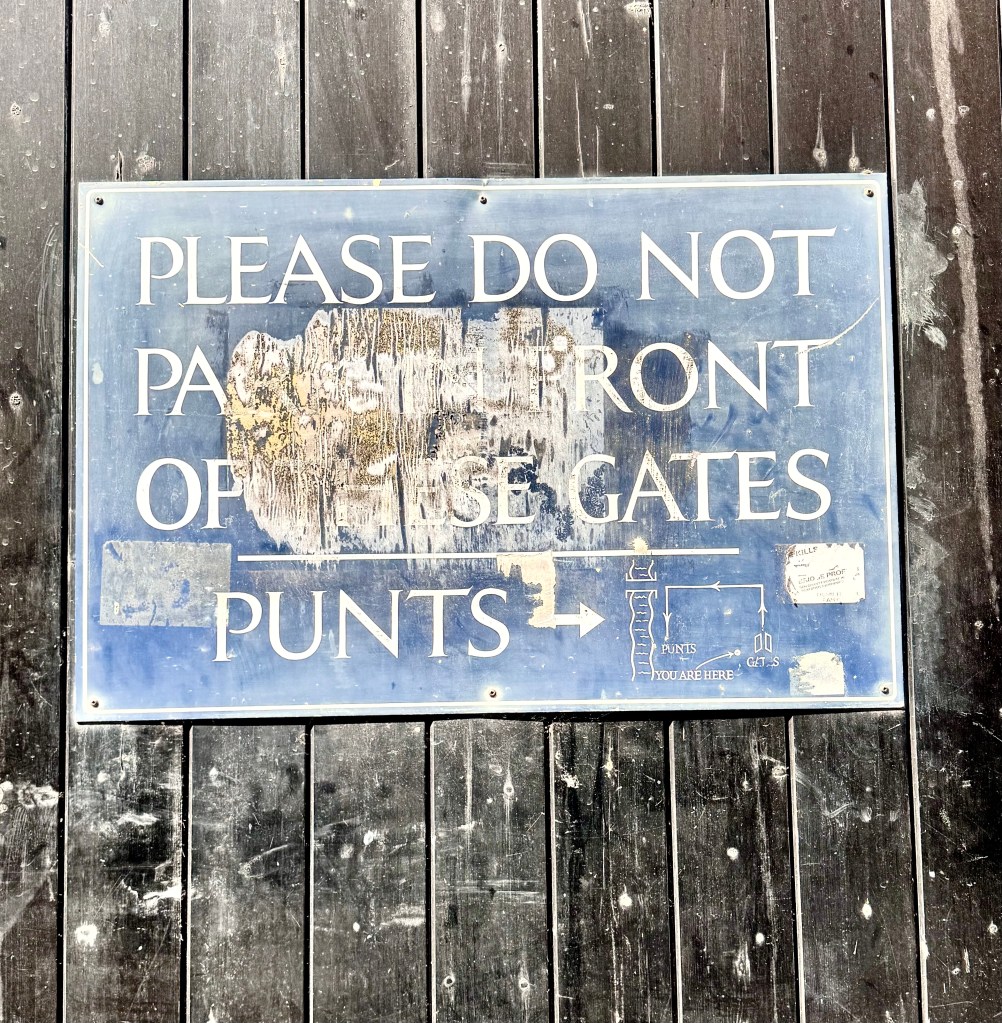
While in Cambridge, I am struck by the numerous signs with these warnings. Why so many warnings in Cambridge and not elsewhere? Could it be that students and faculty can’t read the posted rules? Is it some other reason?
Anyway, enjoy the photos.