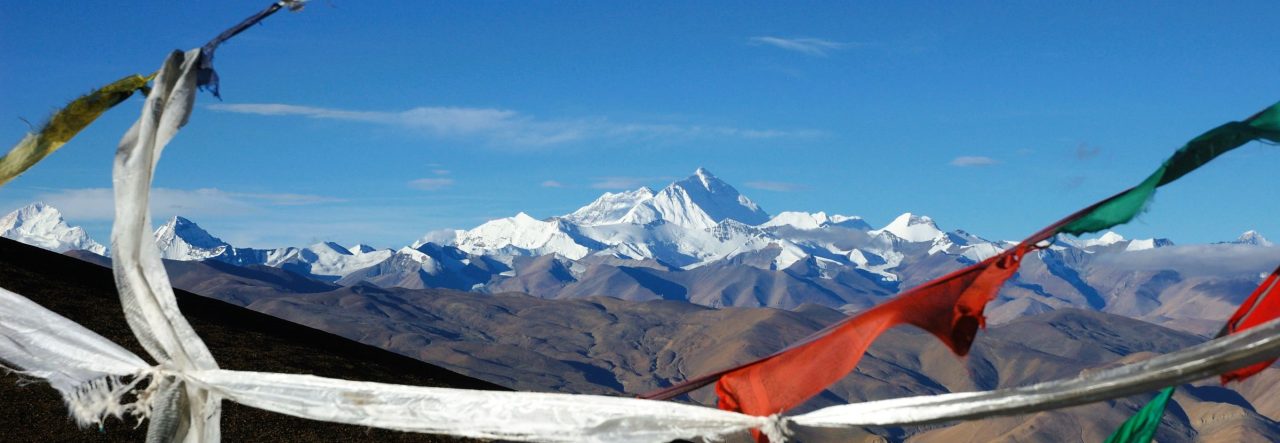
Humans wander through my land as they descend from the Pennine Hills. The floodplains of my rivers, the Irwell, the Irk, the Medlock, become their home.
I become a city thanks to the Romans. In 70CE, they make themselves a strategic settlement. I’m at a major crossroad going to settlements west and settlements east. When people centuries later begin constructing canals and buildings, I make sure to let them discover Roman pottery, coins, and sculpture pieces. They are thrilled!
The Saxons develop my land next. They build churches and add a market area. Even the Viking Danes get into the act temporarily by living here. However, when William the Conqueror defeats the Saxon king near the southern village of Hastings, the northern Saxons don’t all submit peacefully. While William’s Harrying of the North primarily affects Yorkshire, I suffered also. Livestock killed. People starve to death. It takes years for me to recover.
I recover though. Like much of England, the sheep shapes my later history. Wool and weavers! My market is much more modest than the great medieval and early modern cities of Winchester, Salisbury, Lincoln, and York.
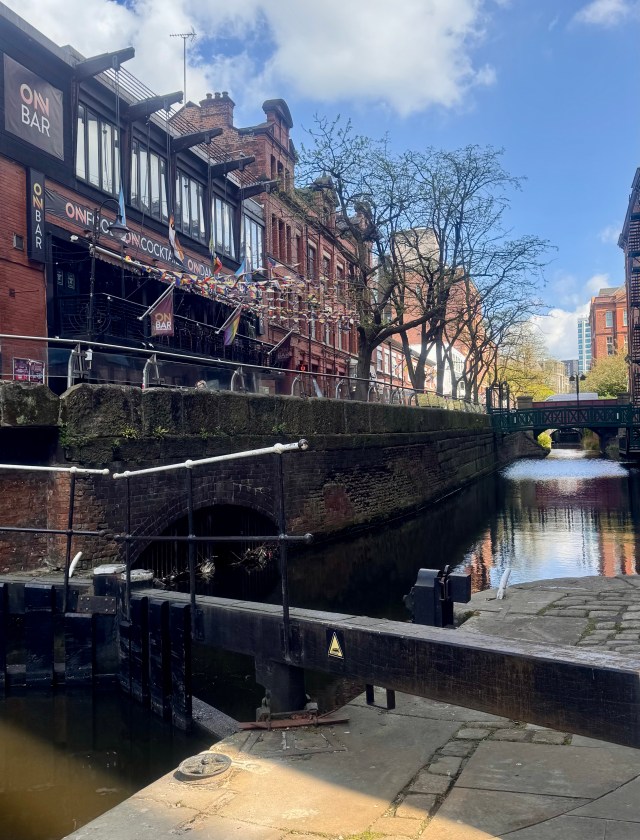
One advantage never disappears. I’m close to water and coal.
My rivers provide power to drive the mills’ water-wheels. My coal underneath my inhabitants’ feet burns to produce even more turbine power. There is seemingly no limit to my growth!
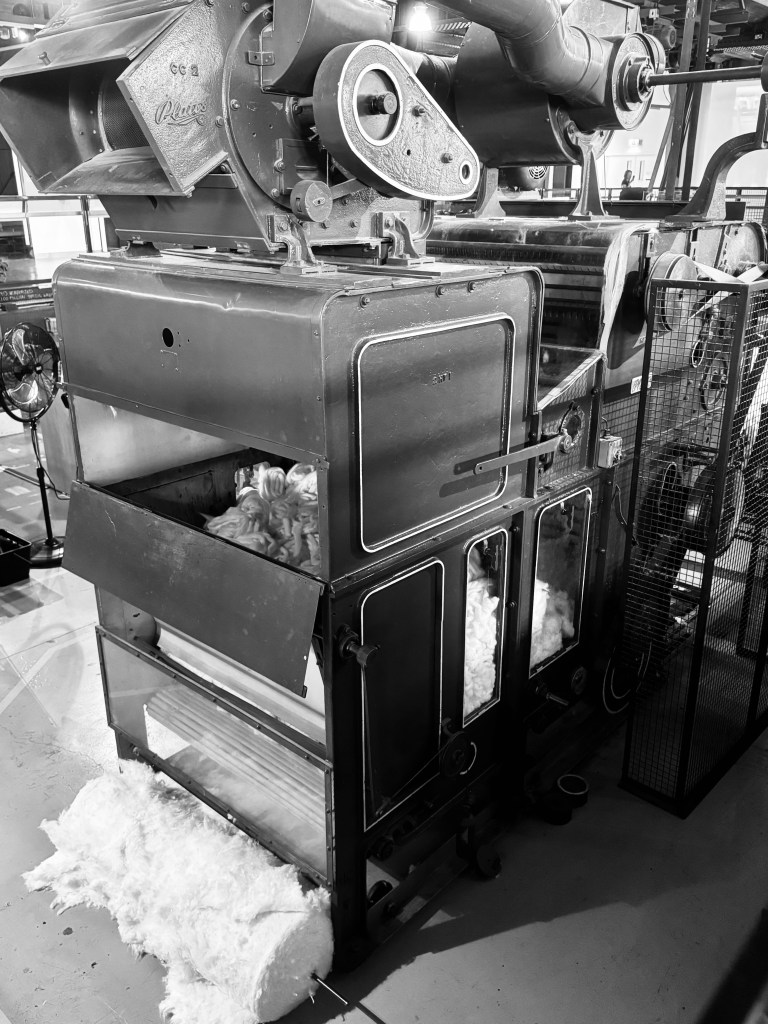
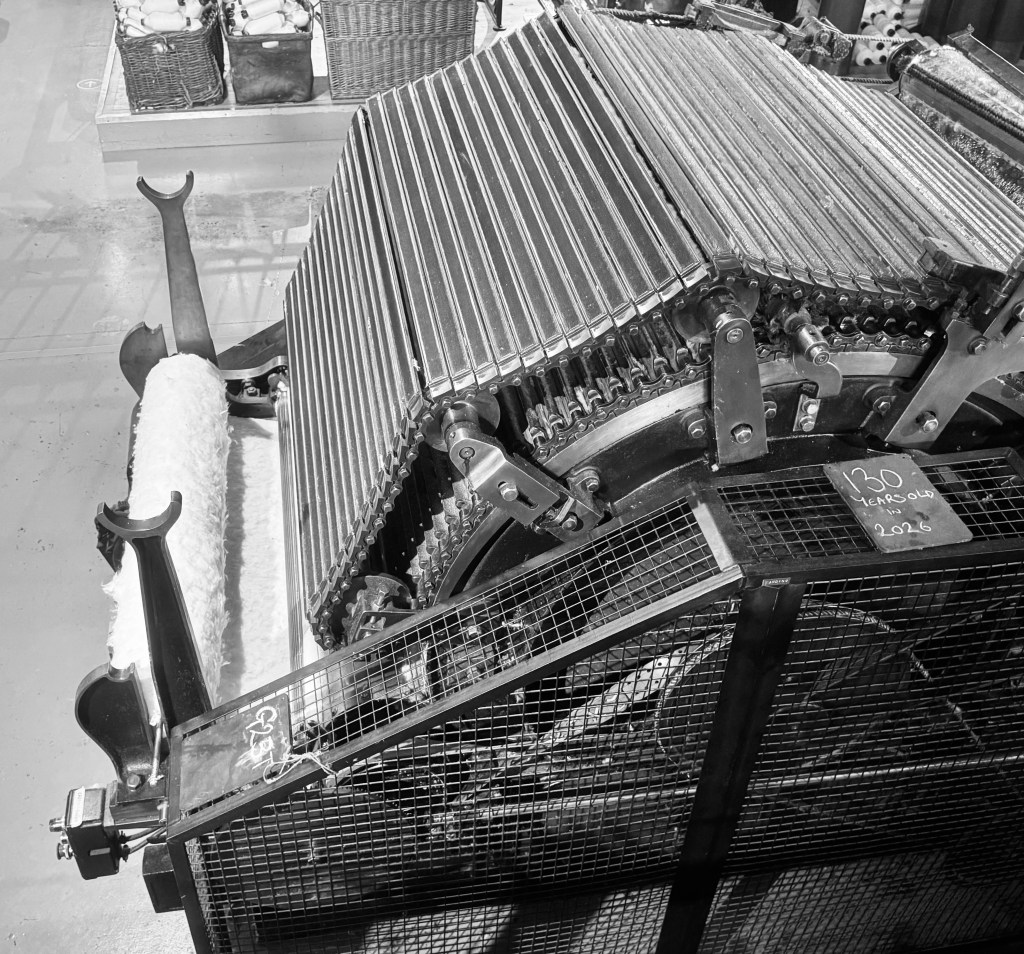
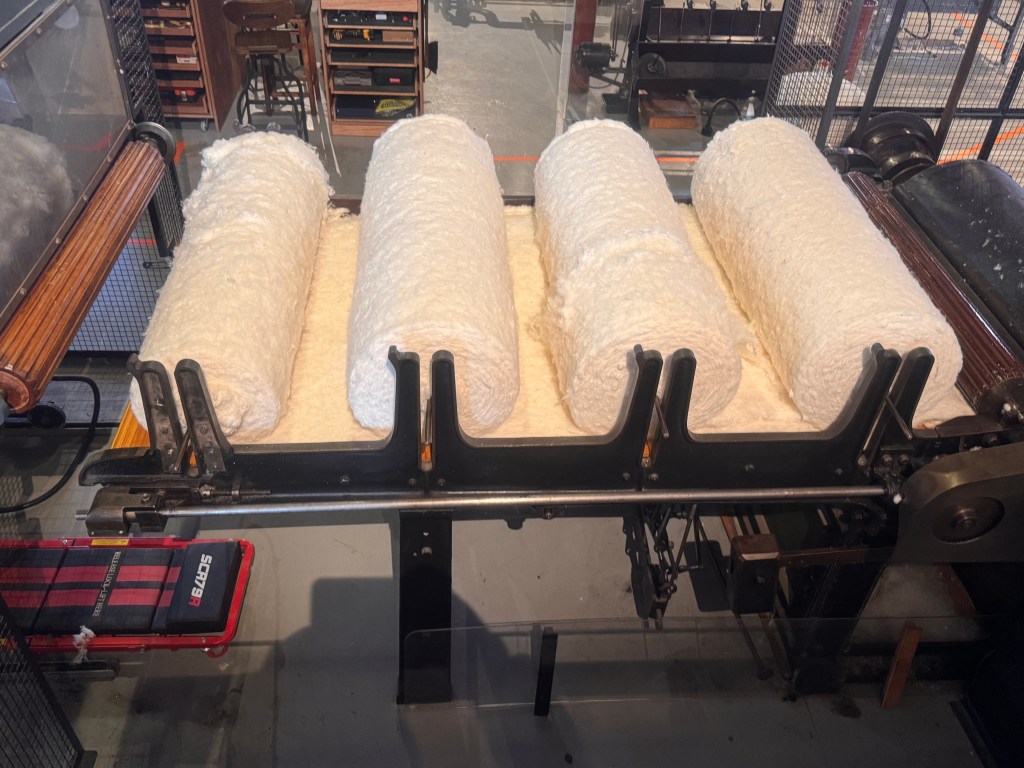
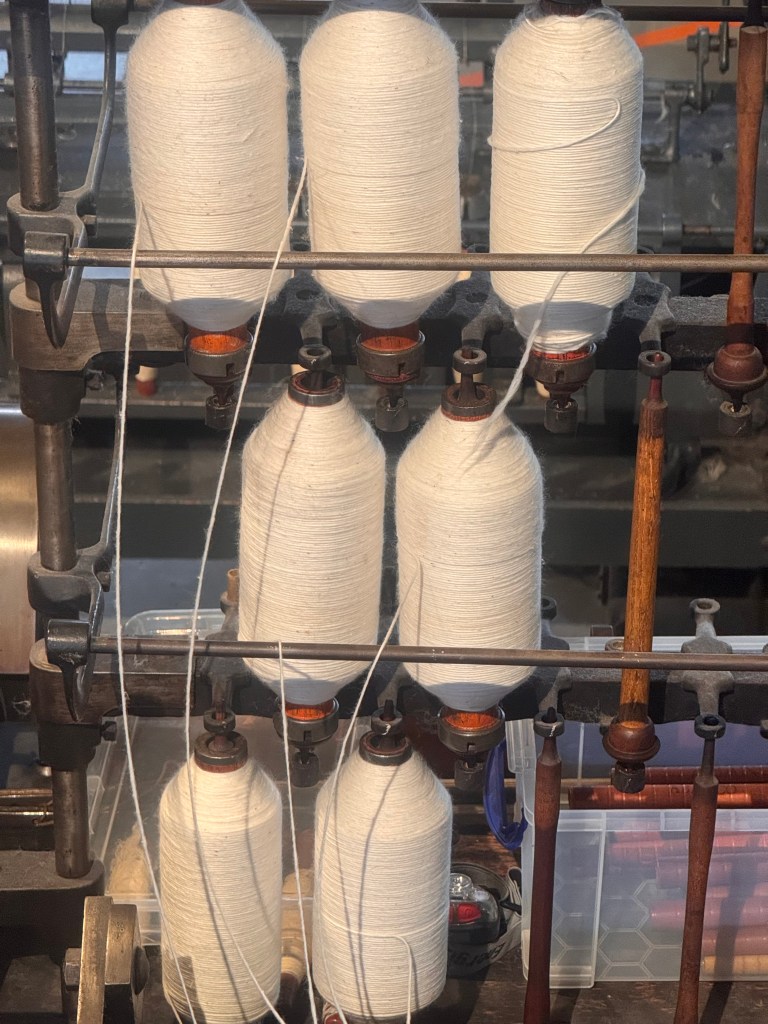
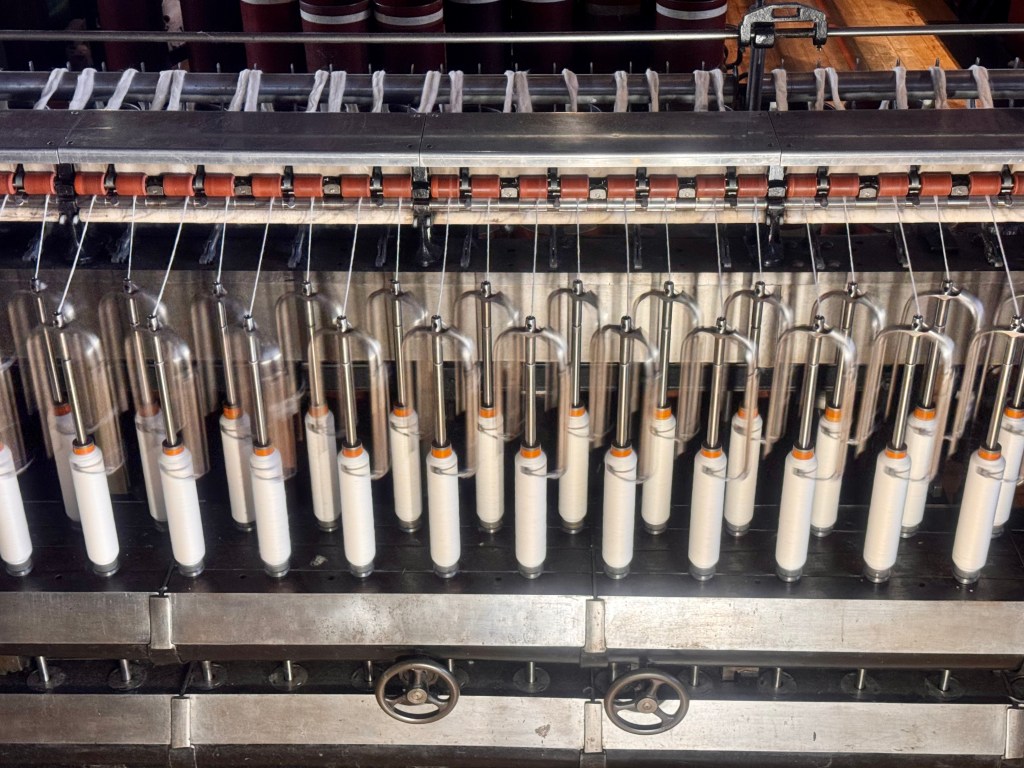
I find myself at the right place at the right time. After some very clever people devise the first steam engines, and more importantly, the first tracks between Liverpool and Manchester, my future changes! Bales of cotton from India, Egypt, the American South, are unloaded in Liverpool. Transported to my warehouses and then the mills, the cotton becomes yarn and woven products. Eventually, the cotton is shoved onto the trains and transported back to Liverpool. Who knows the final destination?
If you like change, I change! Around 1720, only 10,000 people call me home. By 1850, 300,000 call me home. By early 1900’s, 2,000,000 call my metropolitan area home.
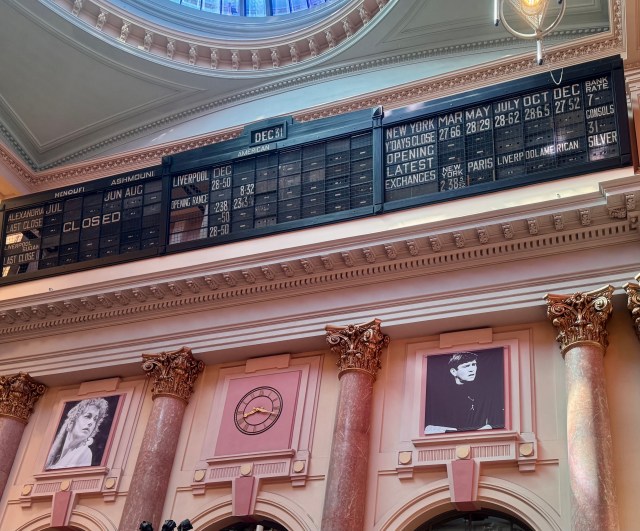
I can brag even more. I become the undisputed center of cotton textiles. My cotton spinning mills produce 32% of the world’s cotton textiles. During the 1800’s, I have over 100 cotton mills and almost 2000 warehouses! The Royal Cotton Exchange, rebuilt between 1914-1921, becomes the largest trading floor in the world. Money and power! No longer Manchester but “Cottonopolis.”
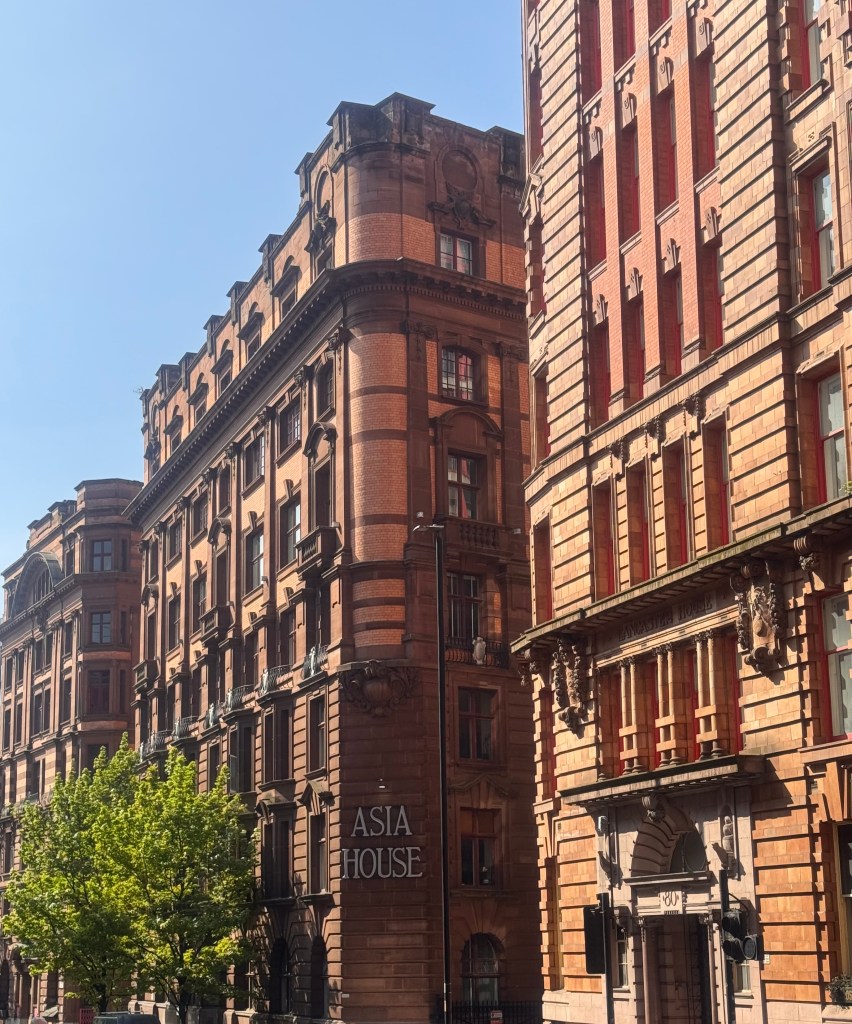
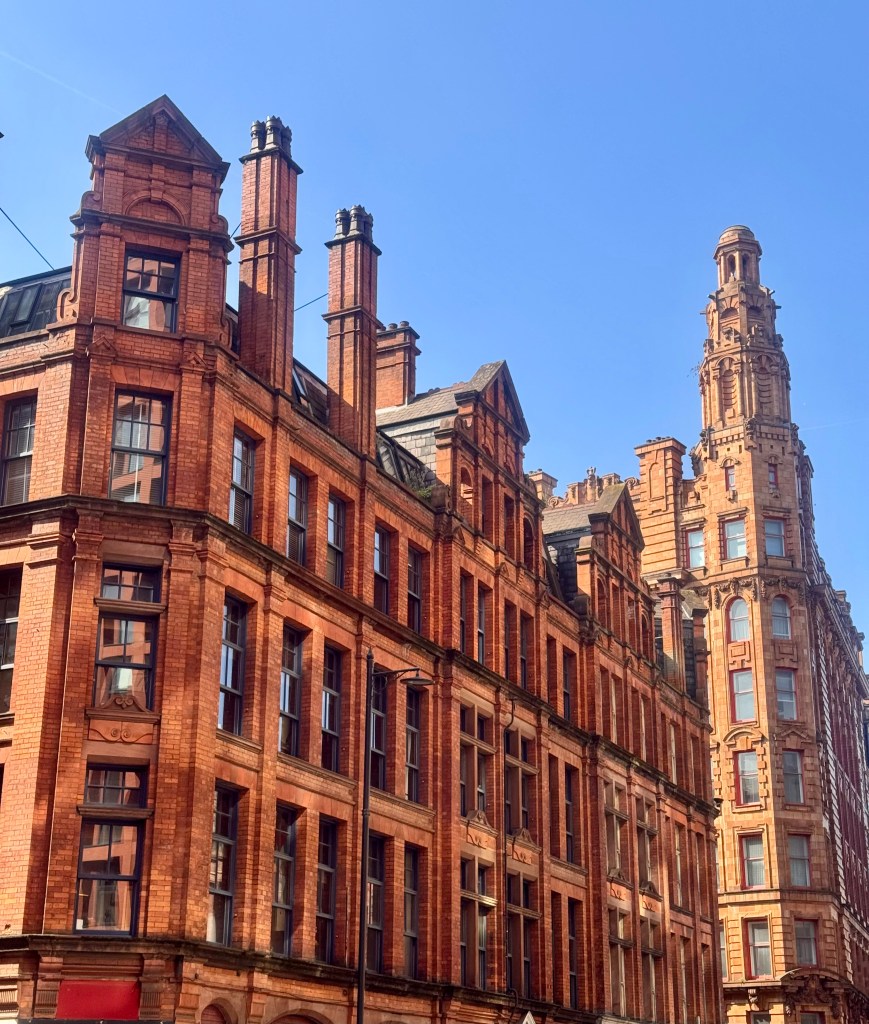
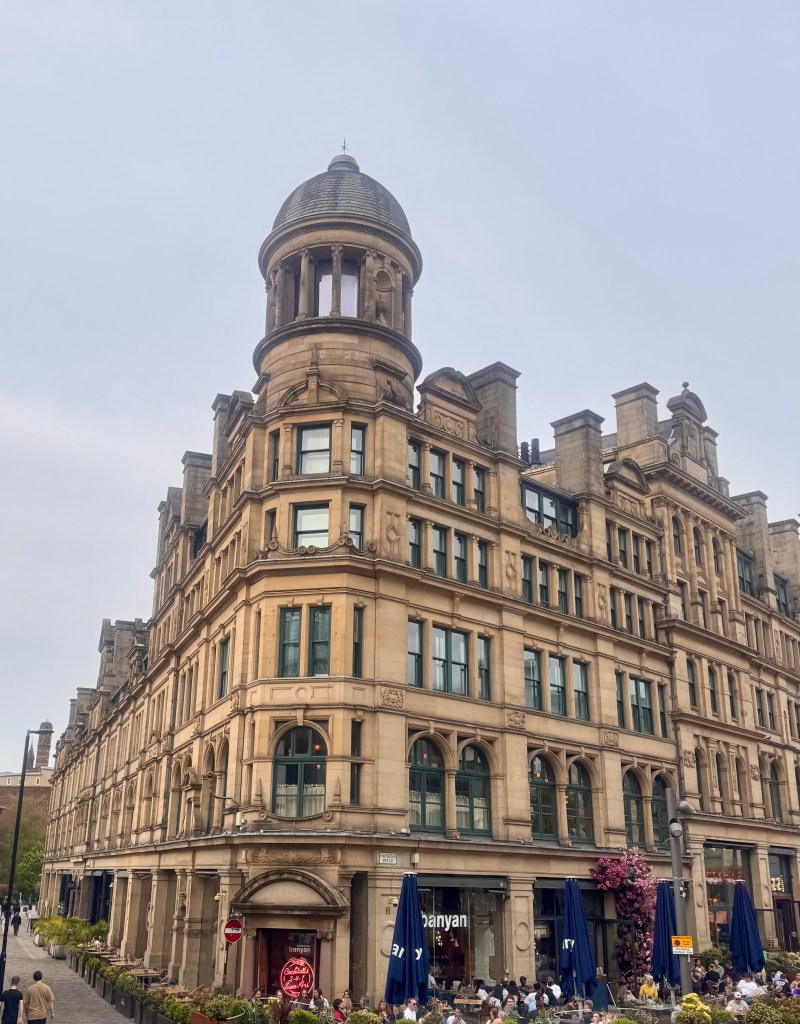
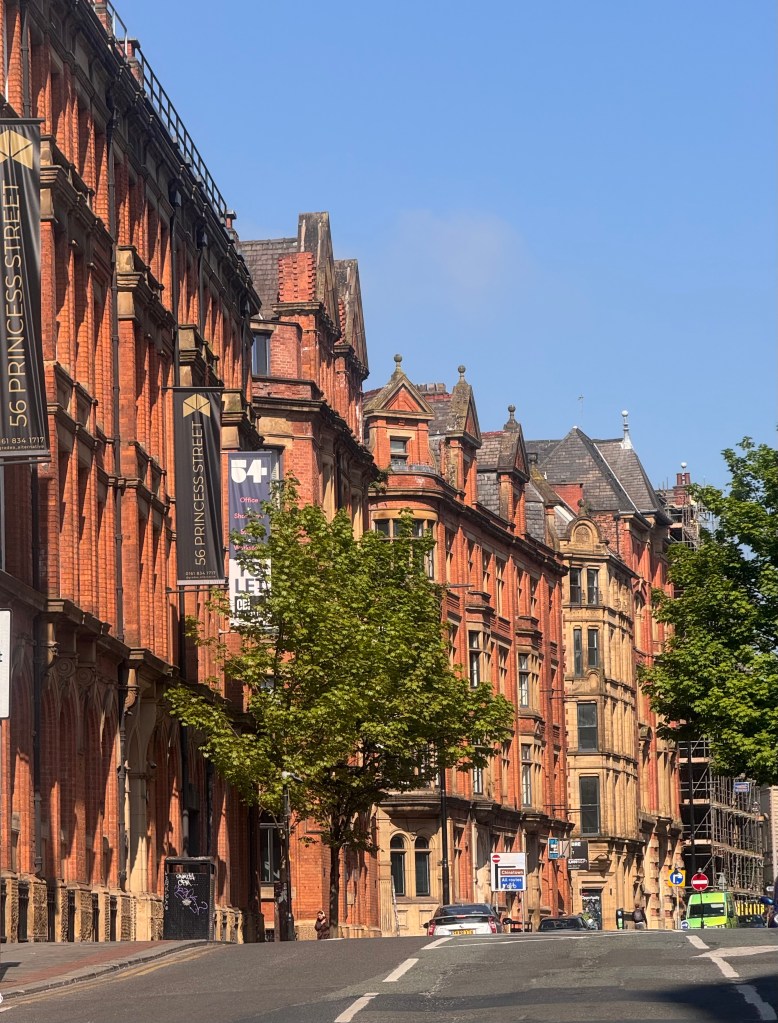
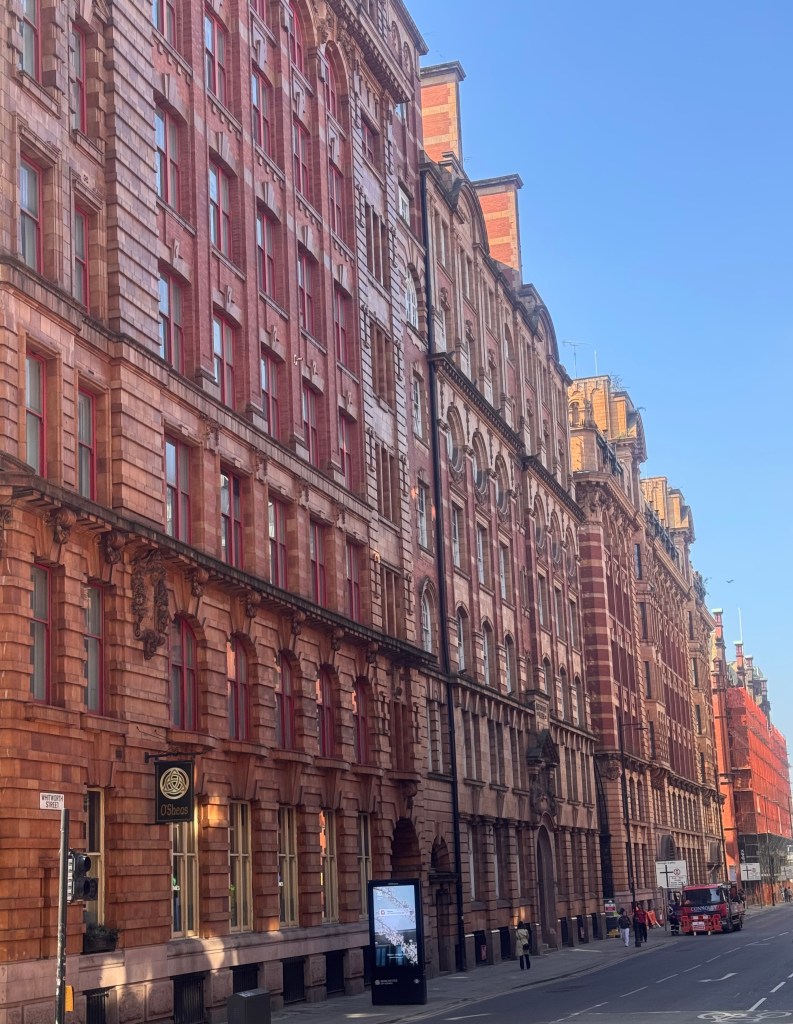
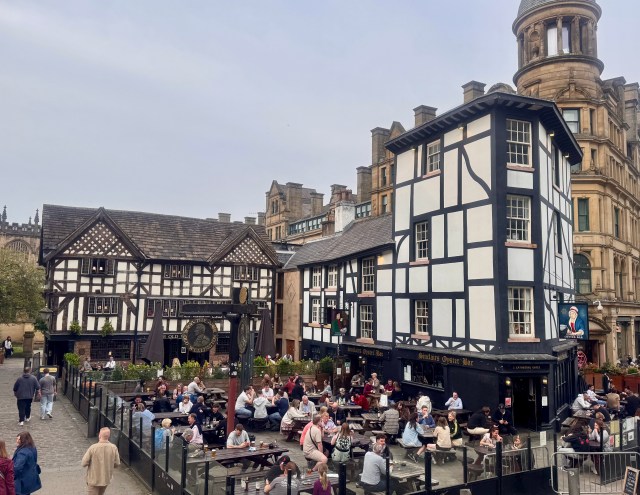
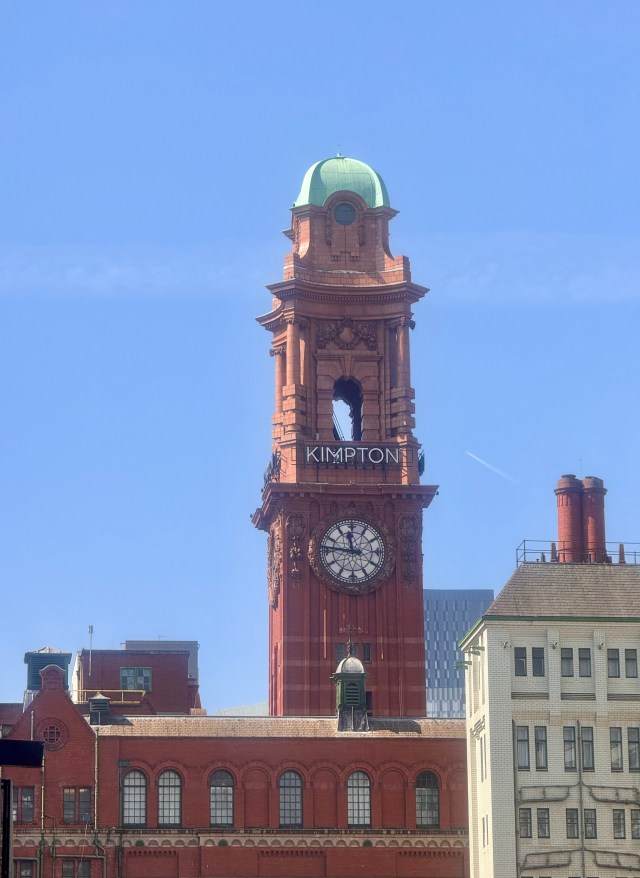
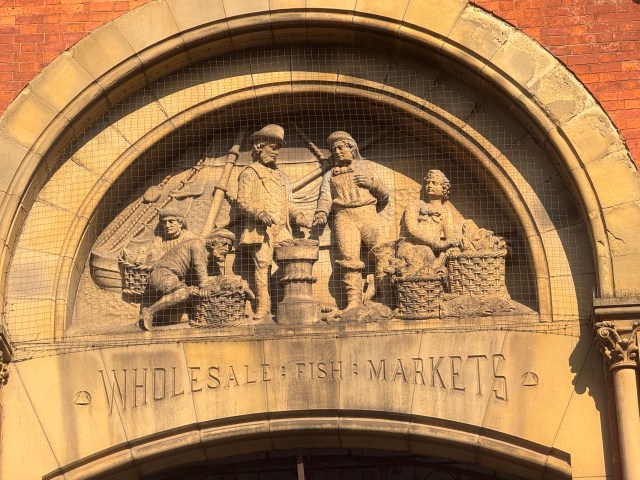
To display my new status, I build beautiful Victorian Gothic red-brick building after building. Besides the Royal Exchange, look at my Town Hall. Or, the Ryland Library. The City Hall. You can even see some of my warehouses which still exist. To flaunt their appearance, the front of the buildings look like an extravagant Victorian hotel or bank; the sides and back of the buildings are simply plain brick. I’m not going to go completely overboard! Even the Wholesale Fish Market has stone friezes depicting the life of the simple fisherman!
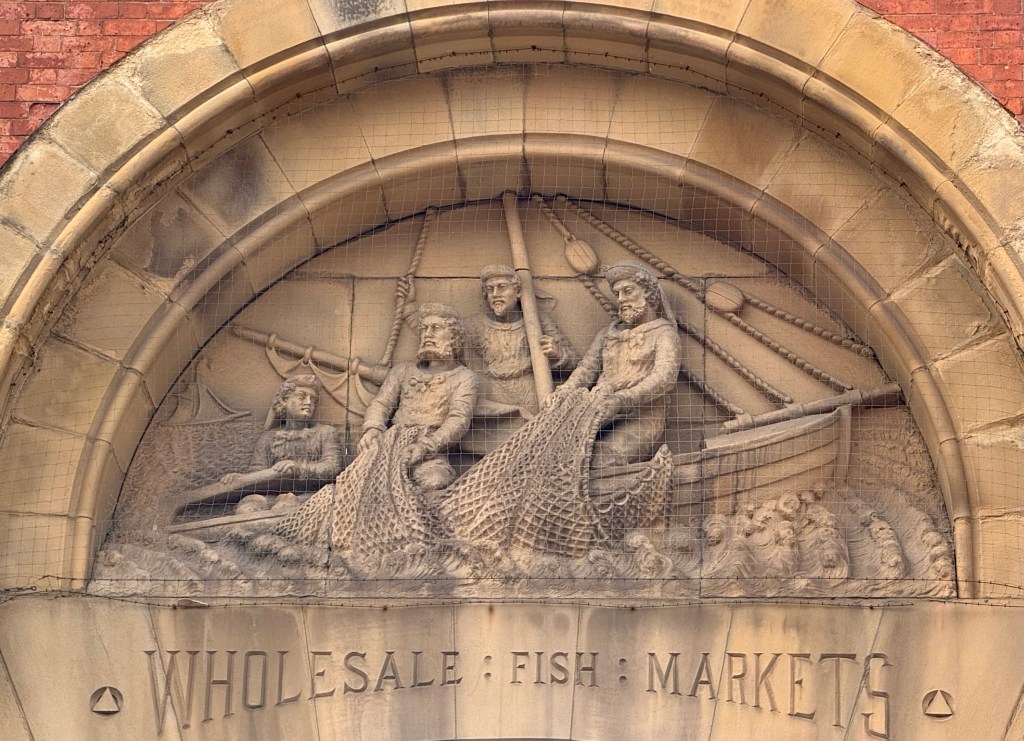
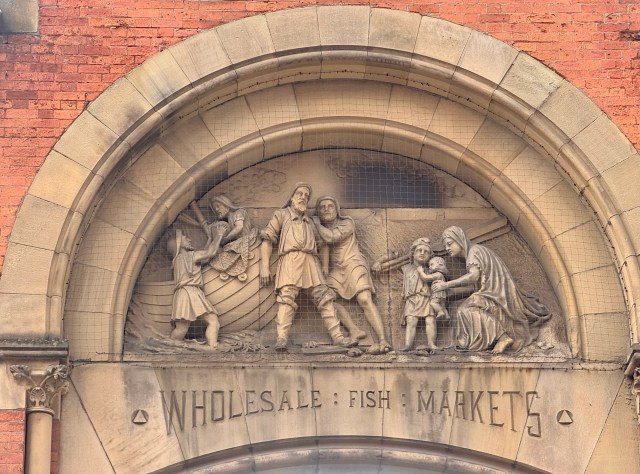
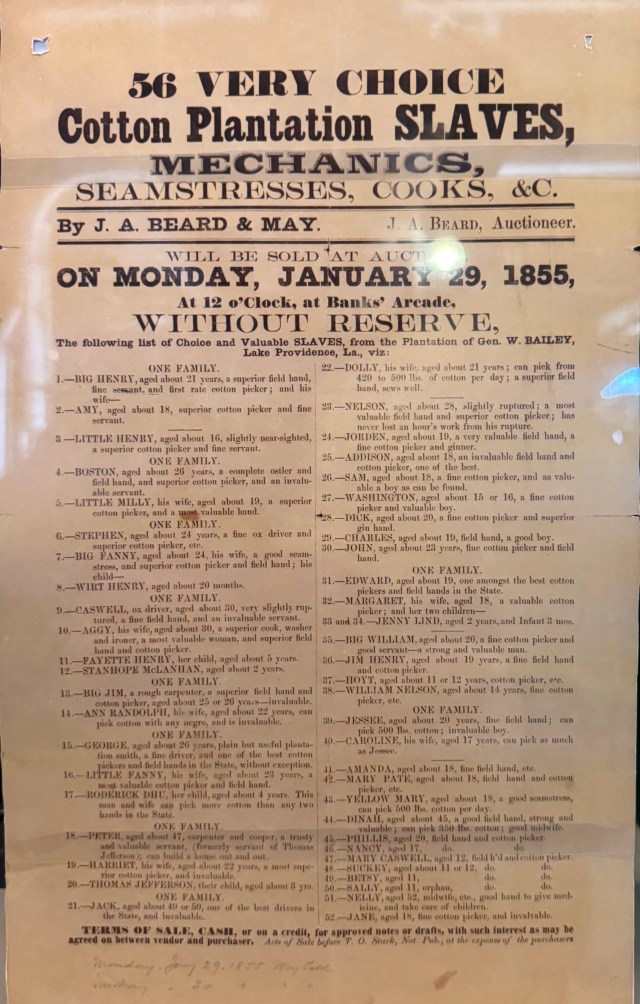
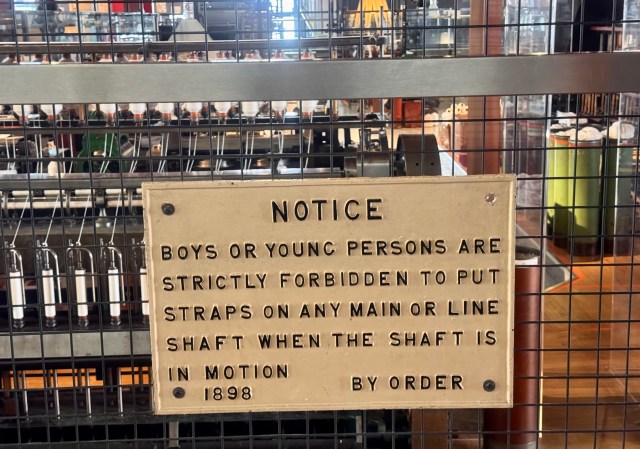
Indirectly and directly violence is part of my history. My wealthy cotton mill owners make their wealth from an industry which depends upon slavery. The construction and operation of mills depends upon workers who barely survived. It is no accident that Friedrich Engels and Karl Marx study me. Indirect violence made me.
I see my share of direct violence. In 1819, people want expanded voting rights. The Peterloo Massacre results when troops kill 18 unarmed marchers. Beginning in the mid 1800’s, I have gangs and more gangs. Organized violence! I even become known as “Gunchester” in the 1970’s. In 1996, the Irish Republican Army detonates a lorry filled with explosives. Cleaned out multiple city blocks of my downtown. Fortunately, nobody is killed because of the advance warning.
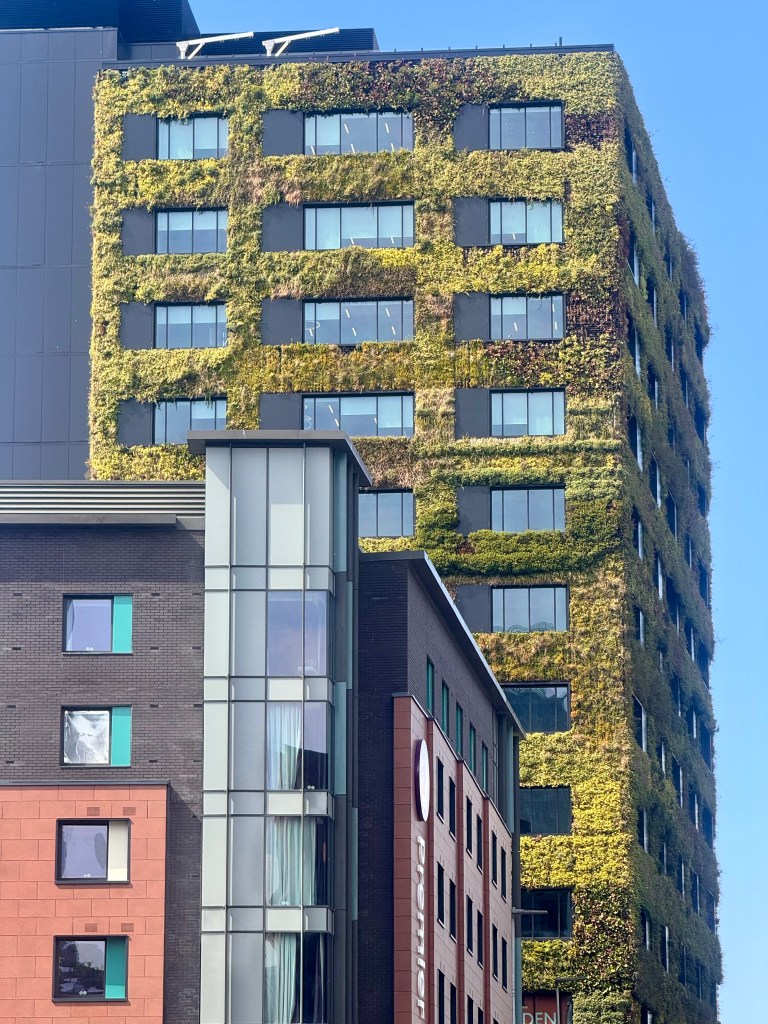
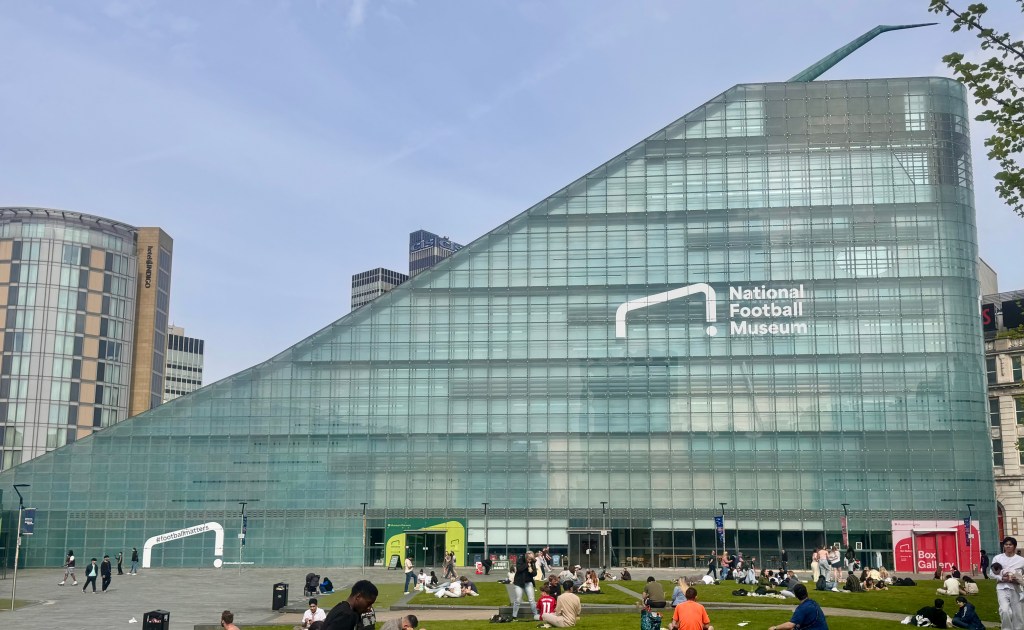
I could roll over and died. Not me. My citizens make a decision to reinvest. The historic center is rebuilt. Old, historic buildings are restored. New modern office buildings. Better public transportation. A real center for street art, concerts, sporting events. A center for Culture!
I’m alive again. Not all cities bounce back from post-industrial depression. I and my people have. Maybe a future which doesn’t mistreat people and the environment like my earlier industrial days as Cottonopolis.