
“Do you have J.B. Priestley’s English Journeys?”
“Give me a moment. We’ve had the book in the past. Let me look.”
“You do, wonderful! I’ll take it!”
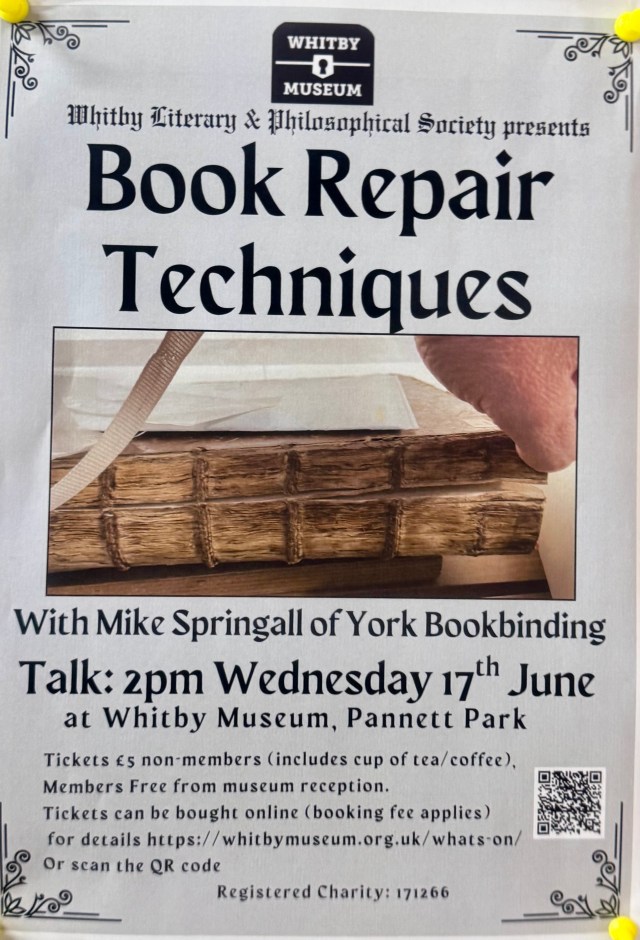
I confess. I love books. As a bookbinder, my paternal grandfather probably loved books. Thinking back, I regret that we didn’t keep some of my grandfather’s bookbinding tools. Binding and repairing books may be a lost art now. My father changed careers slightly. He sold fine paper to printers. I remember some Saturdays loading up a station wagon with boxes of fine paper in order to help a printer meet a Monday deadline. After his retirement, I remember visiting my parents and seeing the stack of books which he had checked out from downtown Springfield’s public library. He loved books also.
I love old poorly-lit, multi-shelved, dusty bookshops. You know the kind where you pull a book from a shelf, and something happens. A letter from the original owner falls to the floor; a postcard from some beach resort; a bookmarker from 1957 still marking a page. Something that reminds you and me that this has been somebody else’s book.
Or other memories. When purchasing some books at the legendary, but now-closed, Allenson’s in Naperville, Illinois, I remember asking the checkout person, “Whose old books are those?” “Oh, in our last buying trip to Europe, we purchased some books that Yale Professor Brevard Childs asked us to find.” While I never took a class from Brevard Childs, he was a walking library himself, knowing long-forgotten scholars from previous centuries.
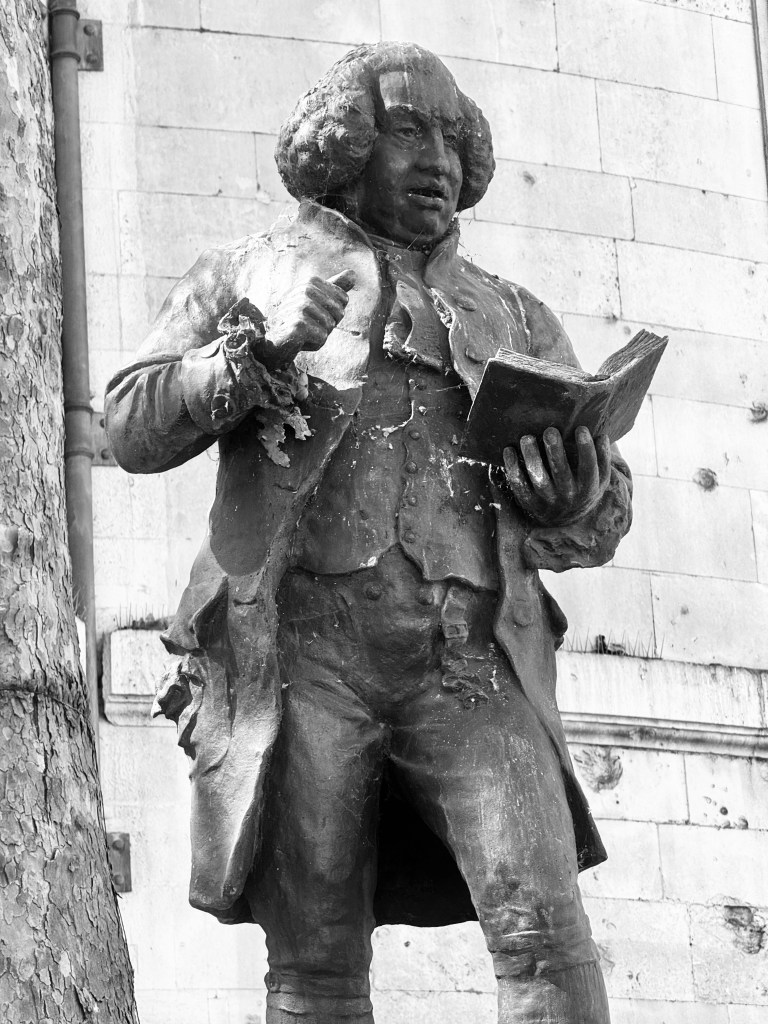
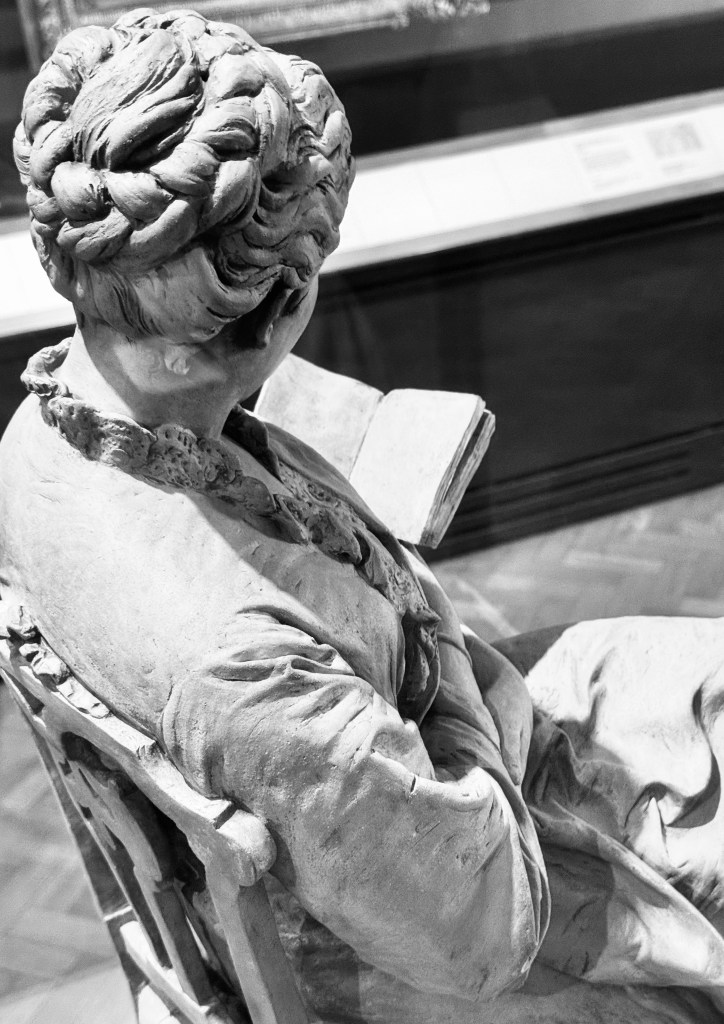
I love that England has sculptures with a figure holding a book!
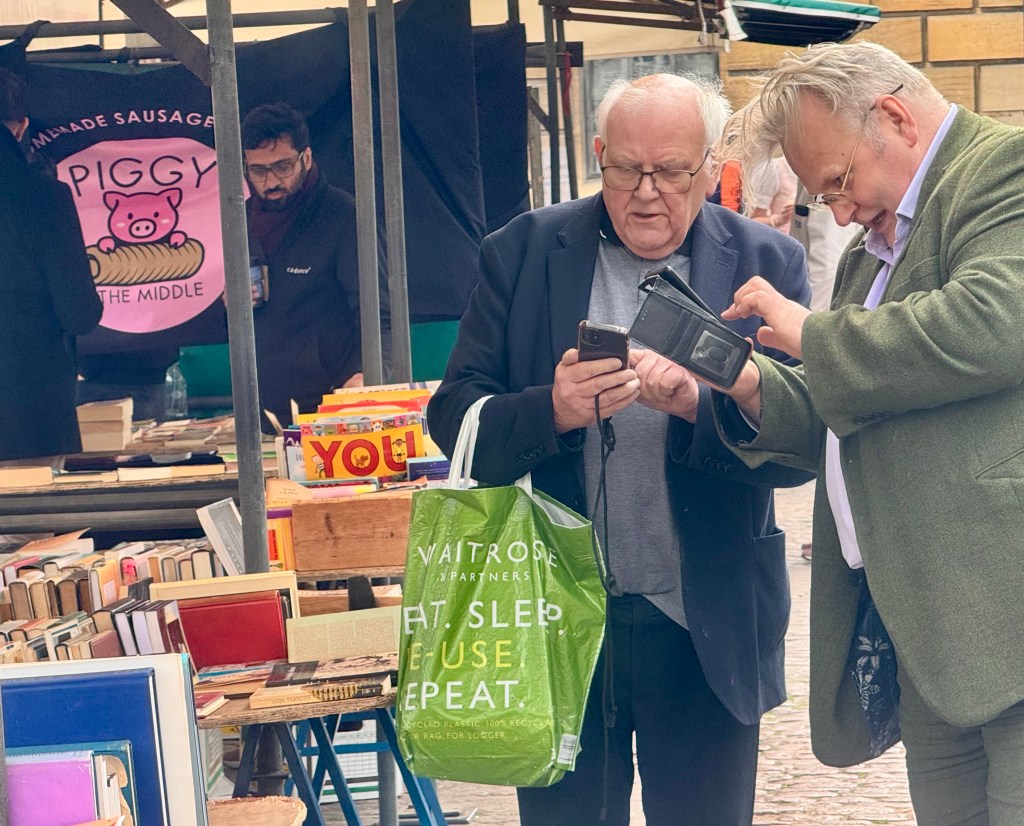
I remember roaming bookshops in England. The Oxford Oxfam shop by the railroad station. Blackwell’s in the center of town. During a visit to Cambridge on this trip, I read a plague celebrating the location of Cambridge University Press. I can’t think of another place in the world that I’ve seen a plaque for a publisher! Nameless to me now, I remember the bookstores near the British Library and the British Museum. Wonderful old shops. Besides books, I purchased three maps over the years. One depicting India in 1835; another map of India from the 1800’s; and a final map of China from the 1800’s.
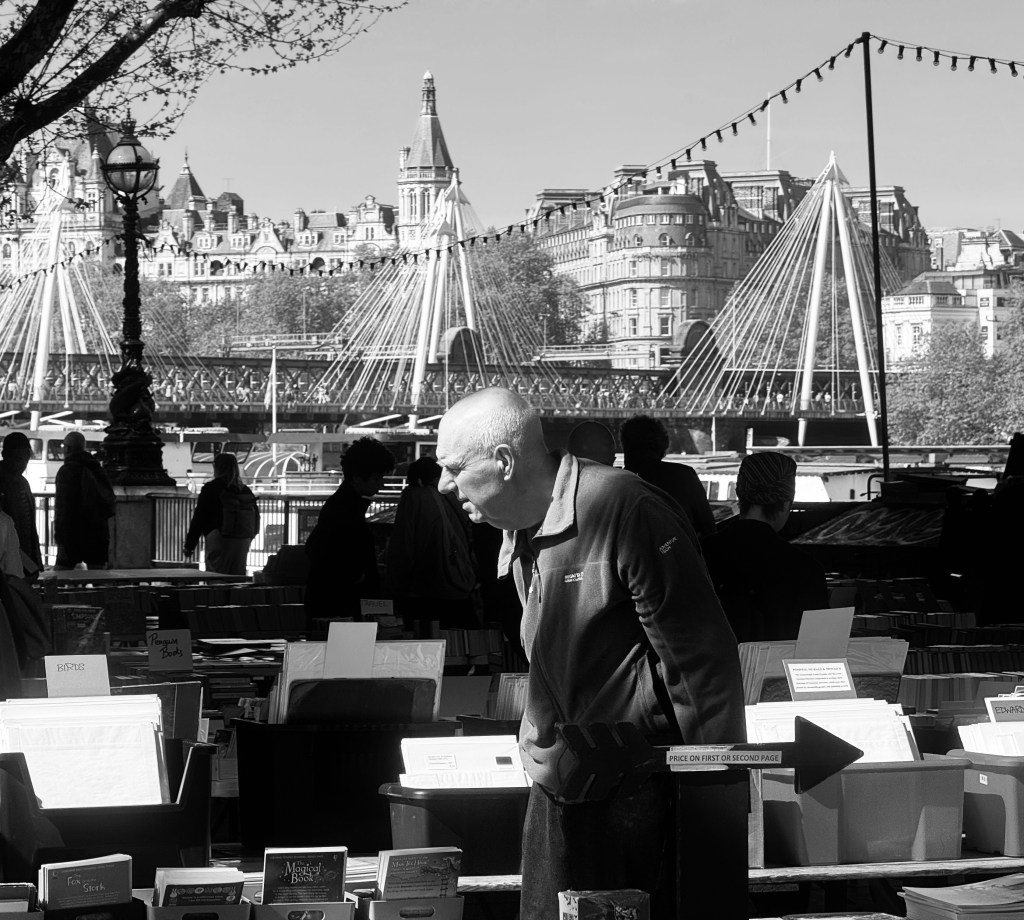
On this recent trip, I search tables filled with books on the south bank of the Thames. I stroll through several old London bookstores. I step into a Grasmere bookstore Sam Read. What a name! I scan the shelves in Lincoln’s Tombland bookstore. What another name for a bookstore!
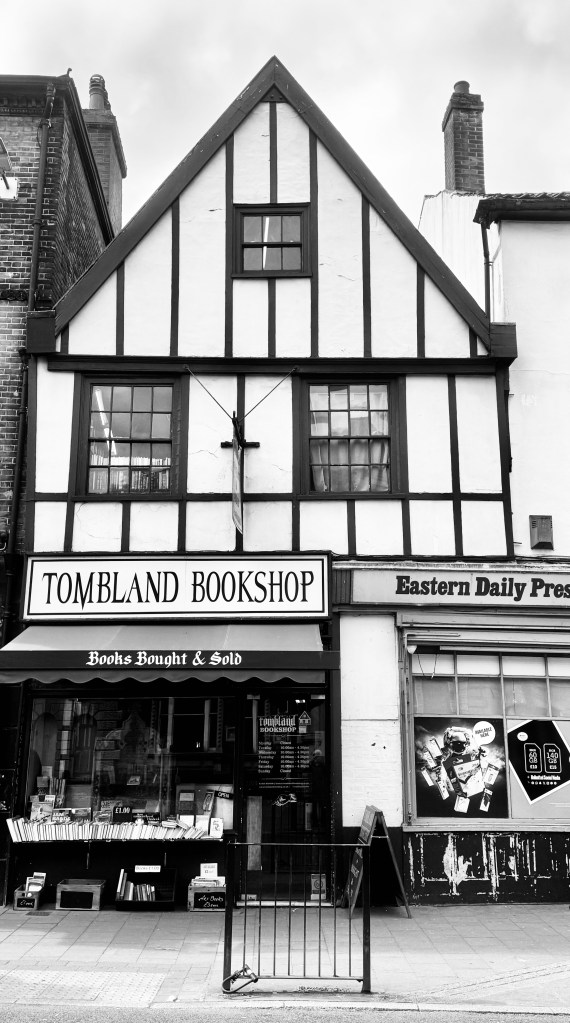
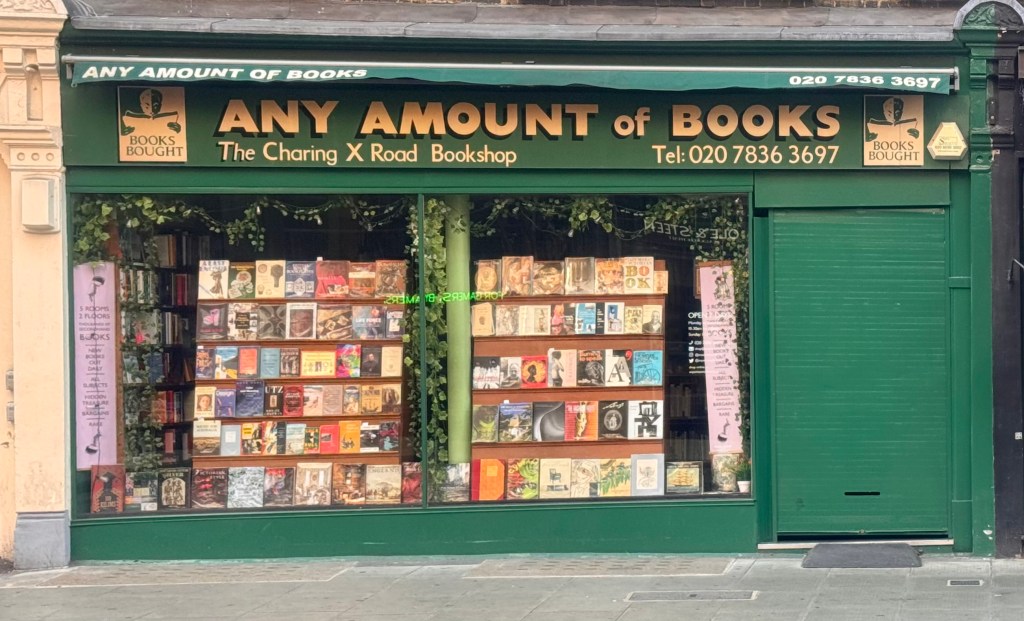
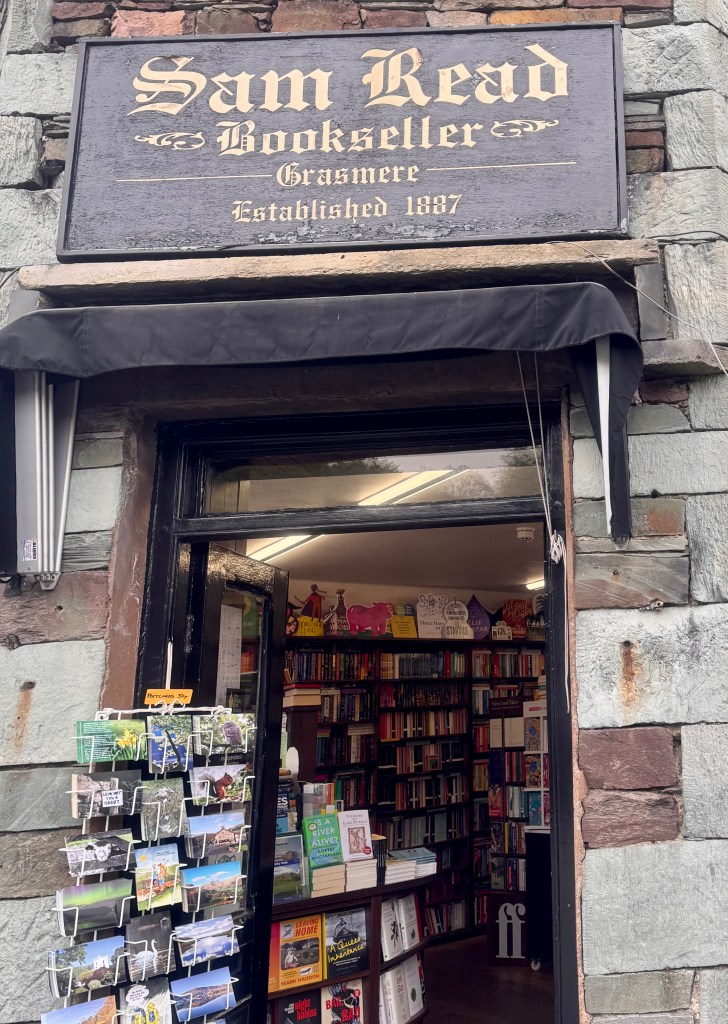
Who doesn’t enjoy roaming through the collections at the British Library? There’s an early copy of Beowulf! Or peering into the library at the Victoria and Albert Museum? Walking through centuries and centuries of books.
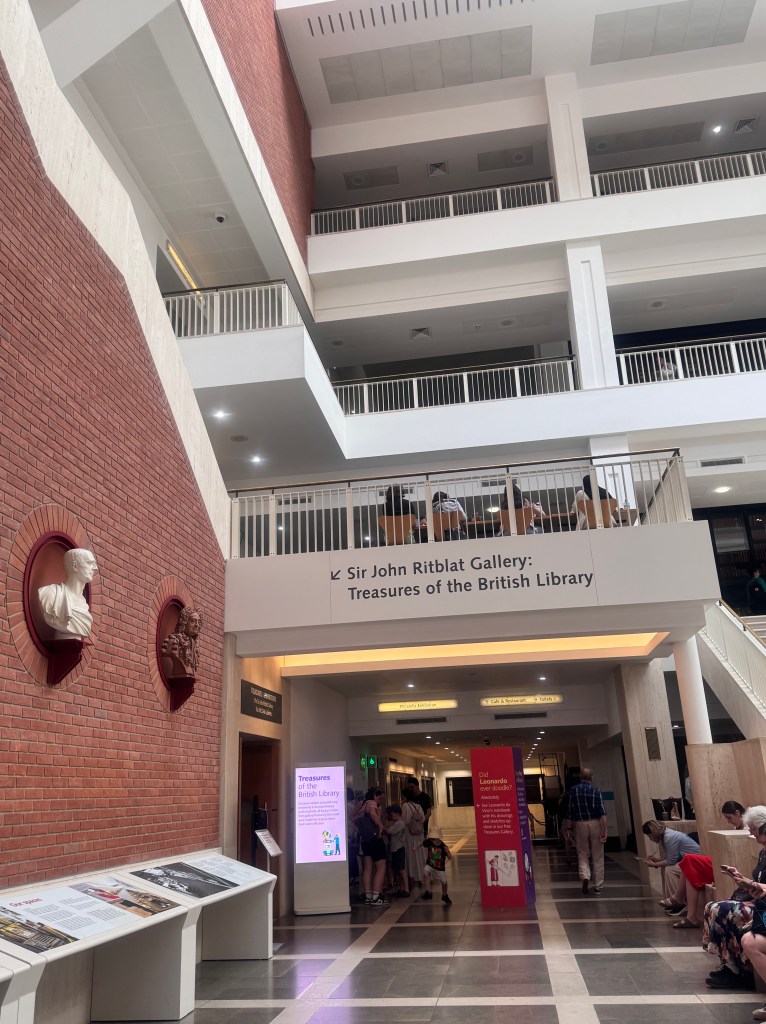
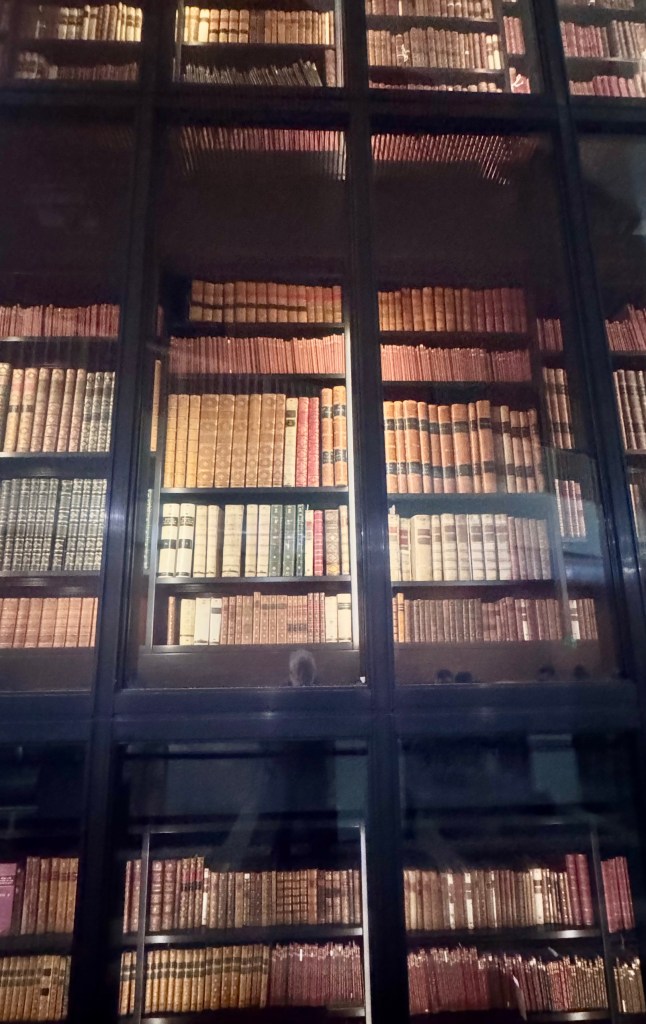
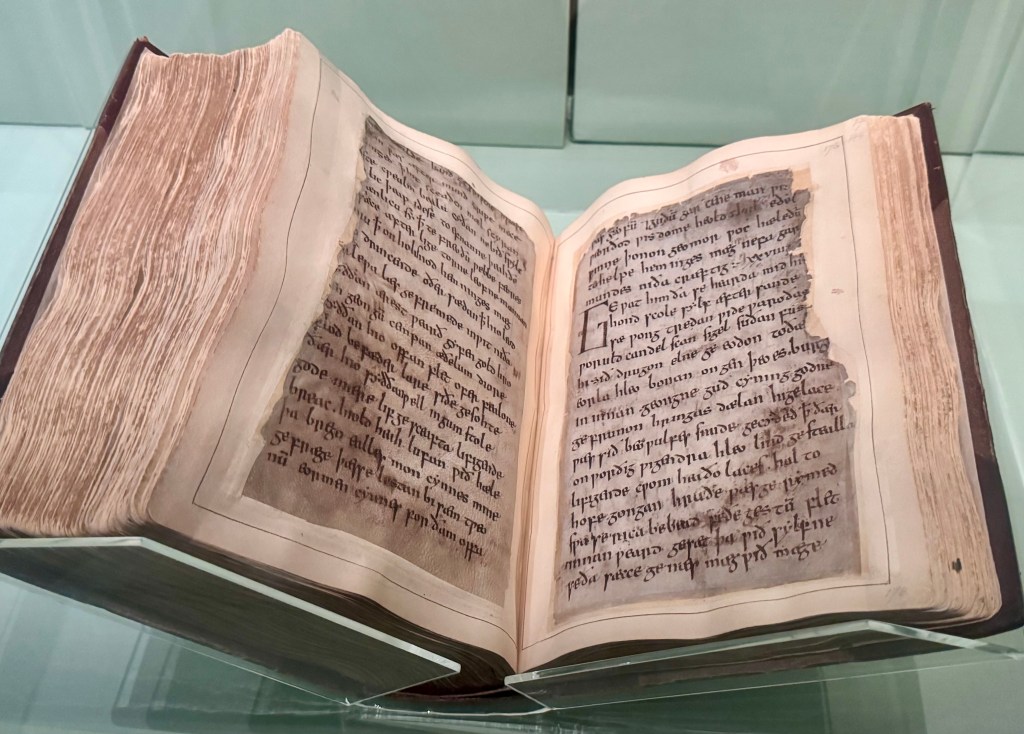
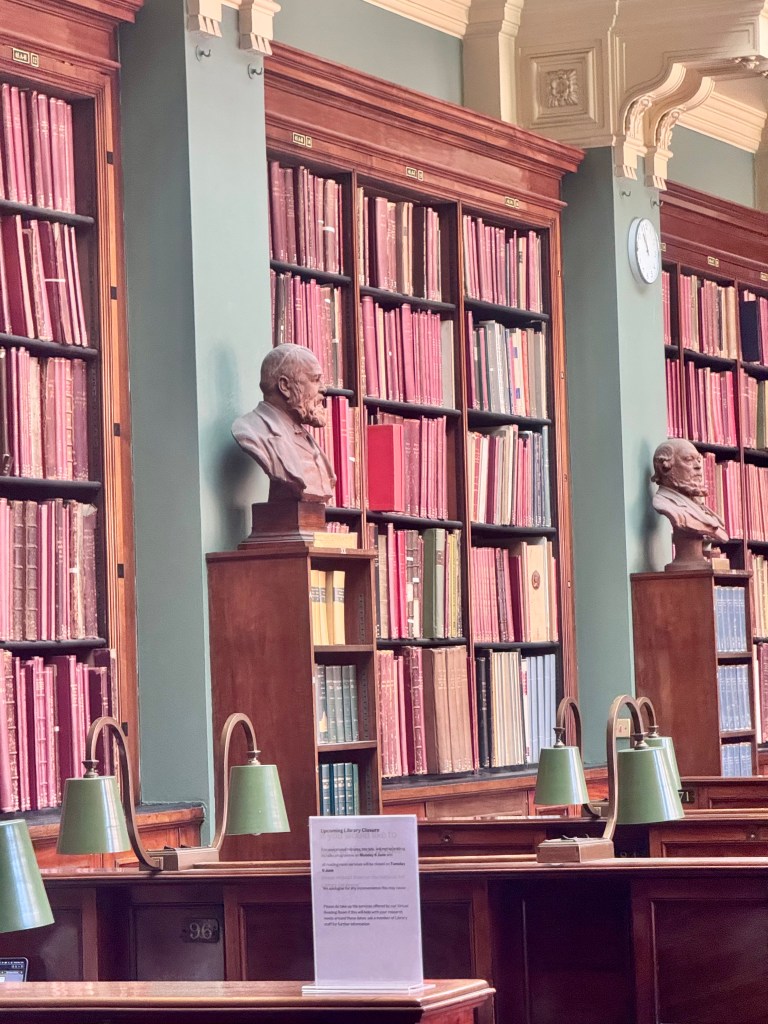
Books can communicate; books can preserve words; books can occasion a sharing among friends and strangers; books can instill a love for words. I not only still have several of my childhood Hardy Boy mysteries that our sons read. I still see books that have preserved the words of Plato, Augustine, Luther, Calvin, Tillich and Barth. I can re-read not only the books of our guy’s book club, but remember their initial reaction to the words and ideas of those books.
I’ve changed. Like others, I use Amazon to send me books. Books simply picked from a list of sellers on my iPad and MacBook screens. Like others, I read an online book on my iPad. I’ve reached a shelf-space limit, not because I love reading a book electronically.
Some writers ask if we’ve entered a post-literate culture. That question is too heavy for an online blog. Rose Horowitch in “The End of Reading is Here” and James Marrott in “The New Dark Ages” tackle that question. Certainly, the explosion of Ai makes all sorts of futures possible. Some to the detriment of reading books!
I wonder, what will be missed in the future? Tangible, weighty books require handling. When my online students read my material online, I wonder if they have any connection with the pages I’ve written. They certainly don’t have any tactile connection. Certainly, the ability to read and understand doesn’t change if one is reading a work online or by holding a book. However, is there a more intimate connection with the authors, with their words, which somehow shapes one’s motivation for reading, for asking and searching for more? I wonder!

