
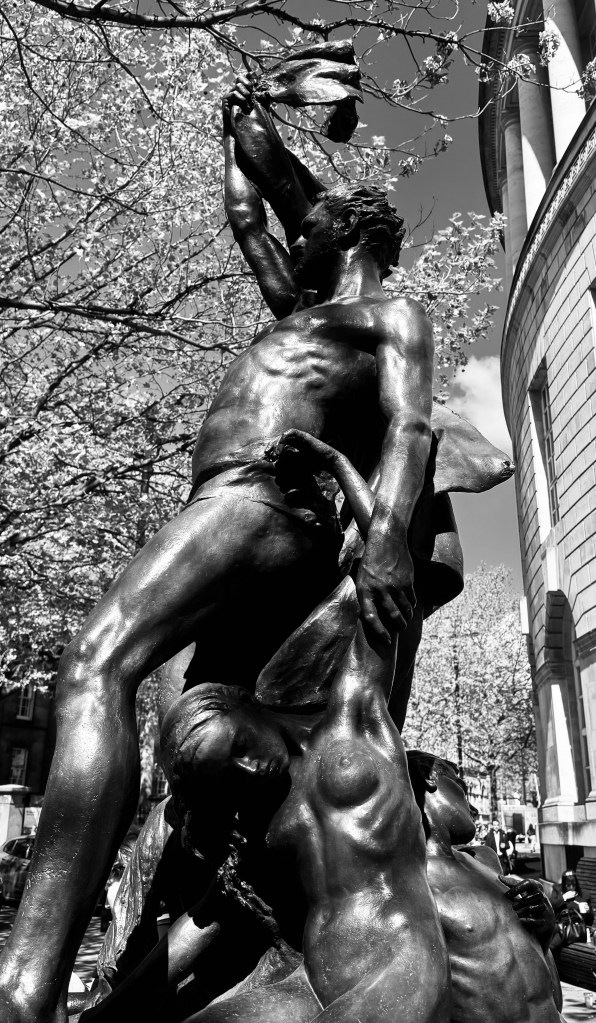
When I began long-distance walks, I slowly realized that I see more of a village, town, or city than I usually did. Walking allows me to walk down streets that a car trip wouldn’t suggest; walking allows me to take short cuts across small parks where locals gather and talk. One of the results of walking is that I notice art. I certainly notice street art. I also notice more publicly approved, publicly commissioned sculptures.
More than any other artistic creation, sculptures are the most public. I love going into the Tate Museum or National Gallery. Yet, paintings, photographic exhibitions, ceramics must be kept inside. The museum has opening and closing hours. I’m limited in viewing those pieces.
Public art differs. Cities across the world have sculptures. Their theme may vary from great leaders to geometric designs. Their purpose may vary from glorifying a commonly recognized person to simply being an expression of beauty. They are almost always viewable.
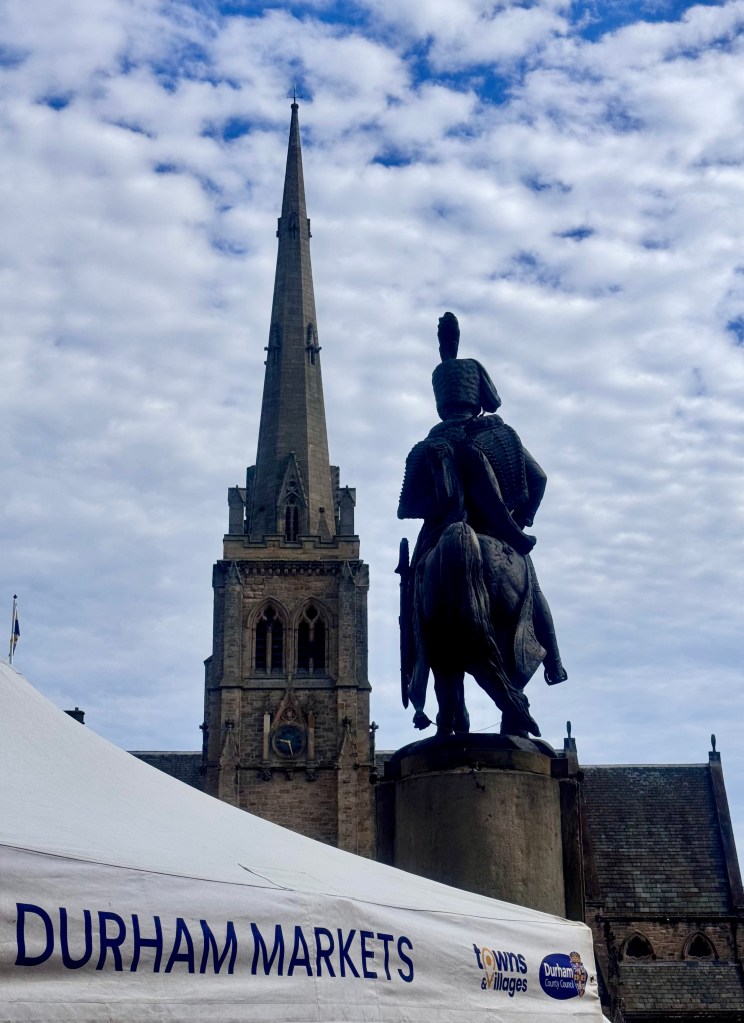
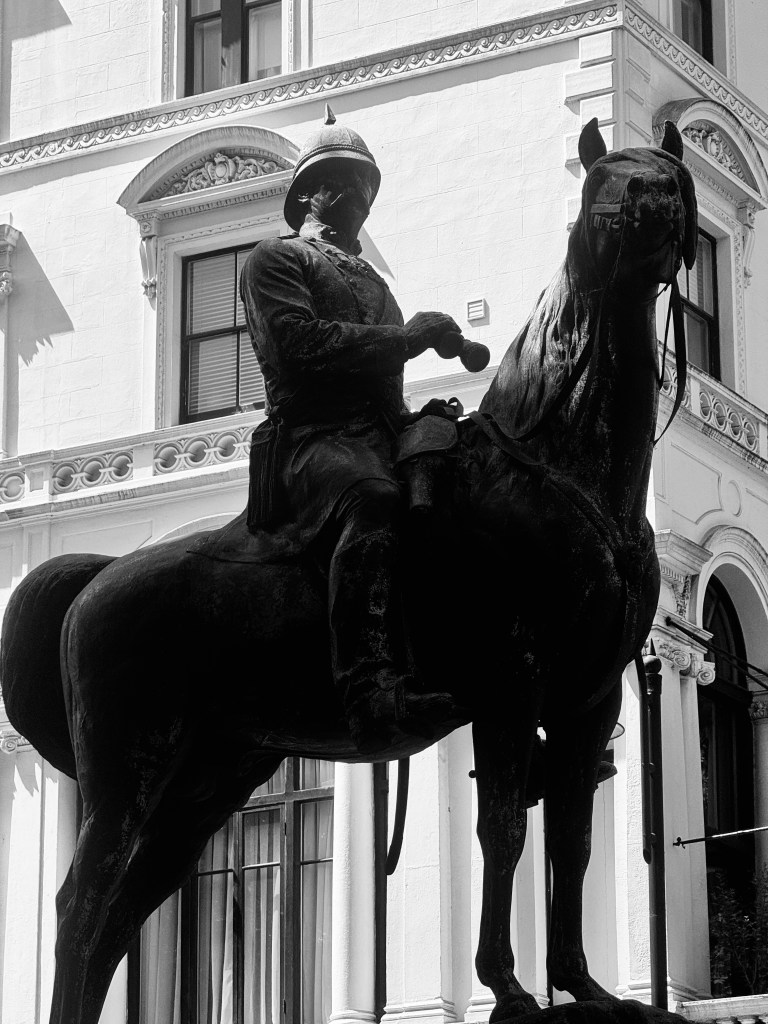
There are the typical “Great Man” statues. In Manchester, William Gladstone gestures as he lectures the crowd. On a Durham square, an equestrian statue of 3rd Marquess of Londonderry, or “the man on the hoss” by locals, looks into the distance. In London, General Kitchner sits upon his horse before he dies in Khartoum. Outside York Minster, a sculpture of Constantine. Really, in York? Little did I know that in York he is crowned emperor upon the death of his father.
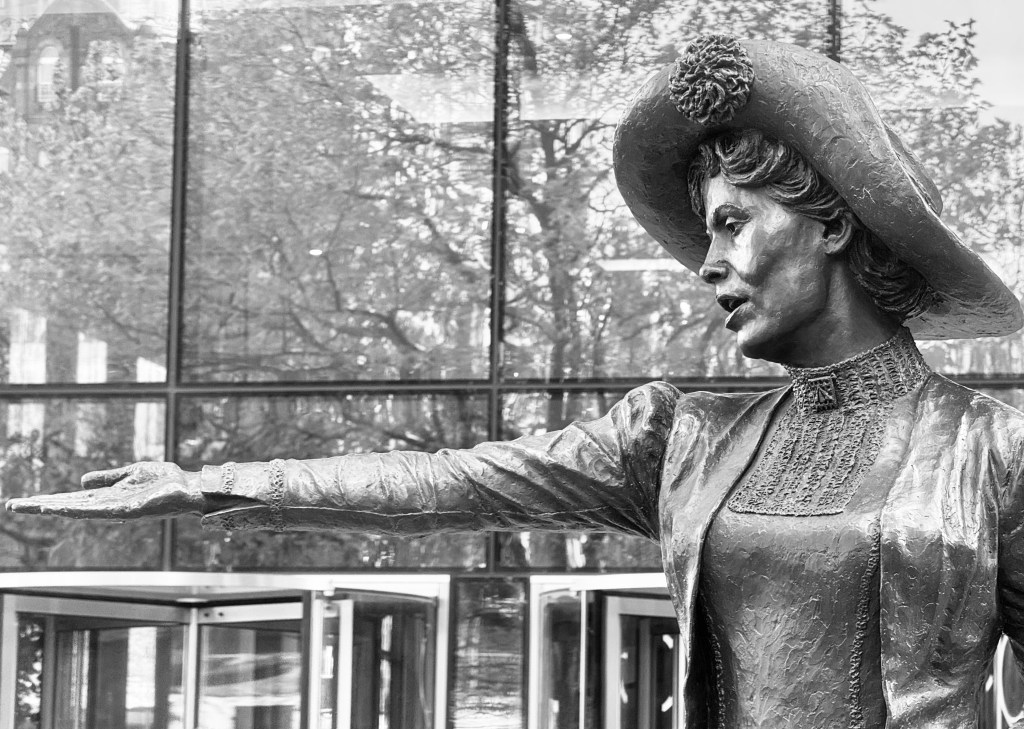
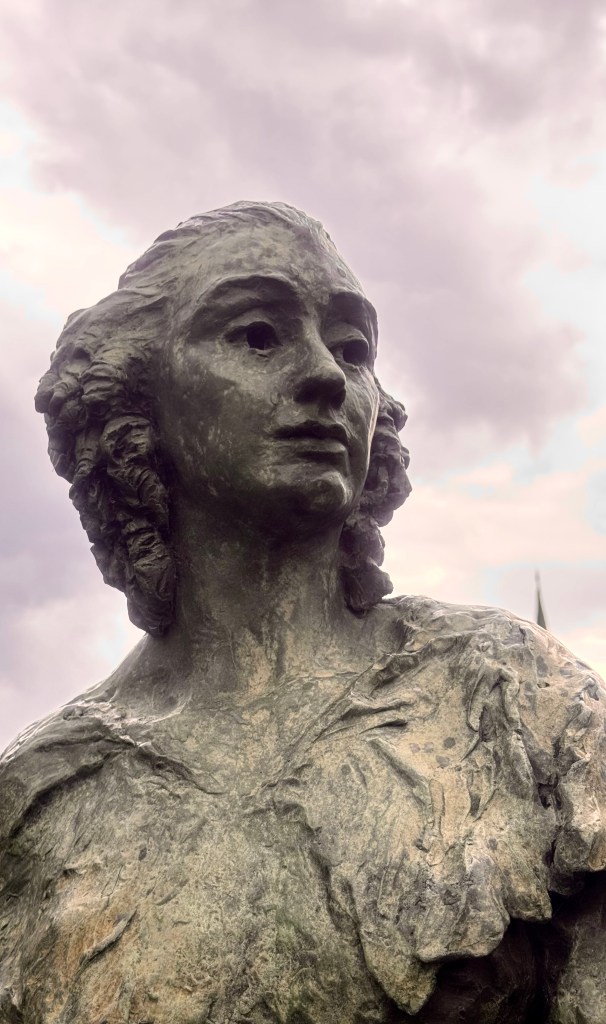
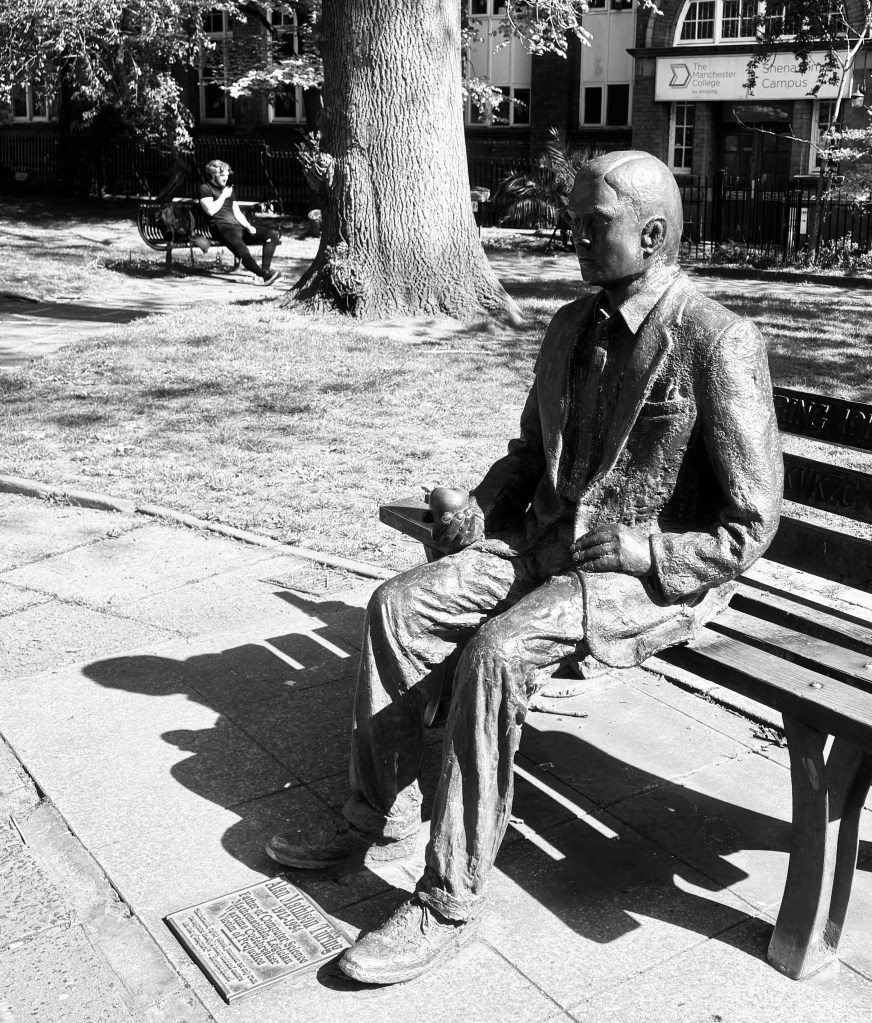
In several towns and cities, there is an effort to move beyond the “Great Man” sculpture. In Manchester, a statue of the suffragette E. Pankhurst stands along with the “convicted” gay computer genius Alan Turing. In Kirkby Stephens, a statue of Lady Anne Clifford. A woman who had to fight to reclaim the land rightfully hers.
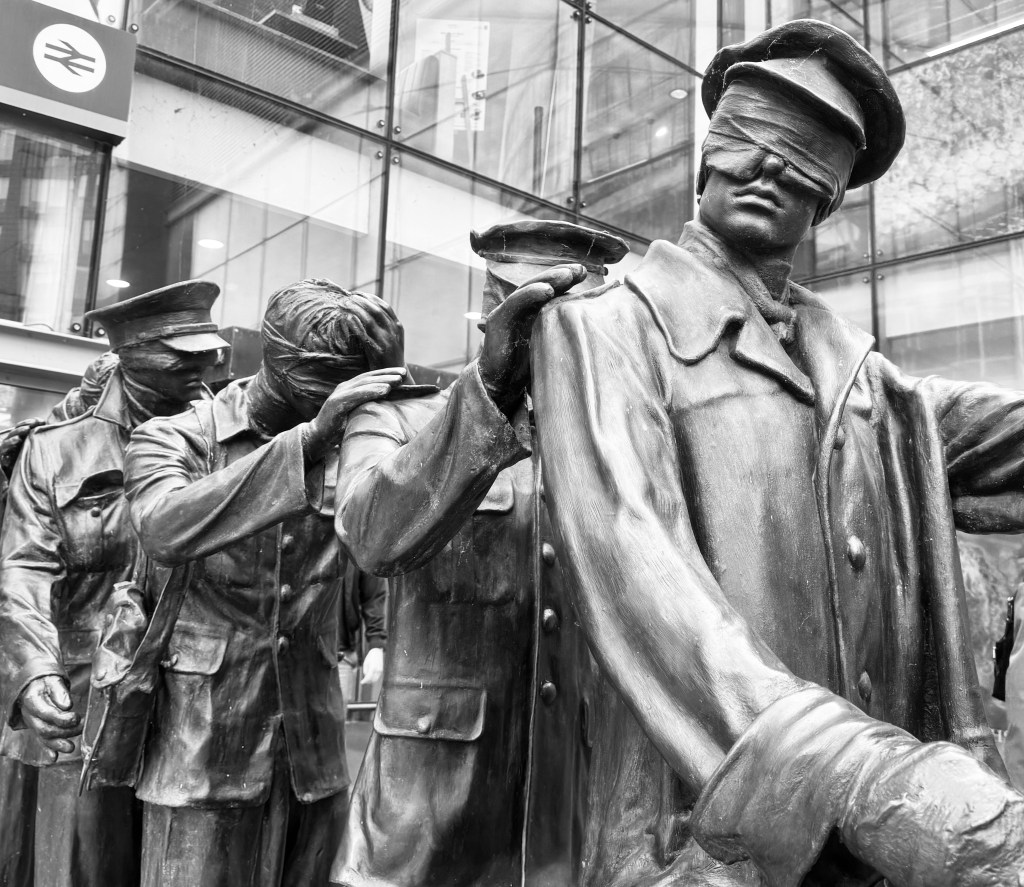
There are other sculptures for those individuals easily forgotten. Outside Manchester’s Piccadilly Station is a statue to World War I soldiers. OK, I expect such a statue or memorial in almost every town. But wait! These soldiers are blind and have their right arm on the shoulder of the person in front of them. A statue that personalizes the effect of the “war to end all wars.” The piece is entitled “The Victory of the Blind.”
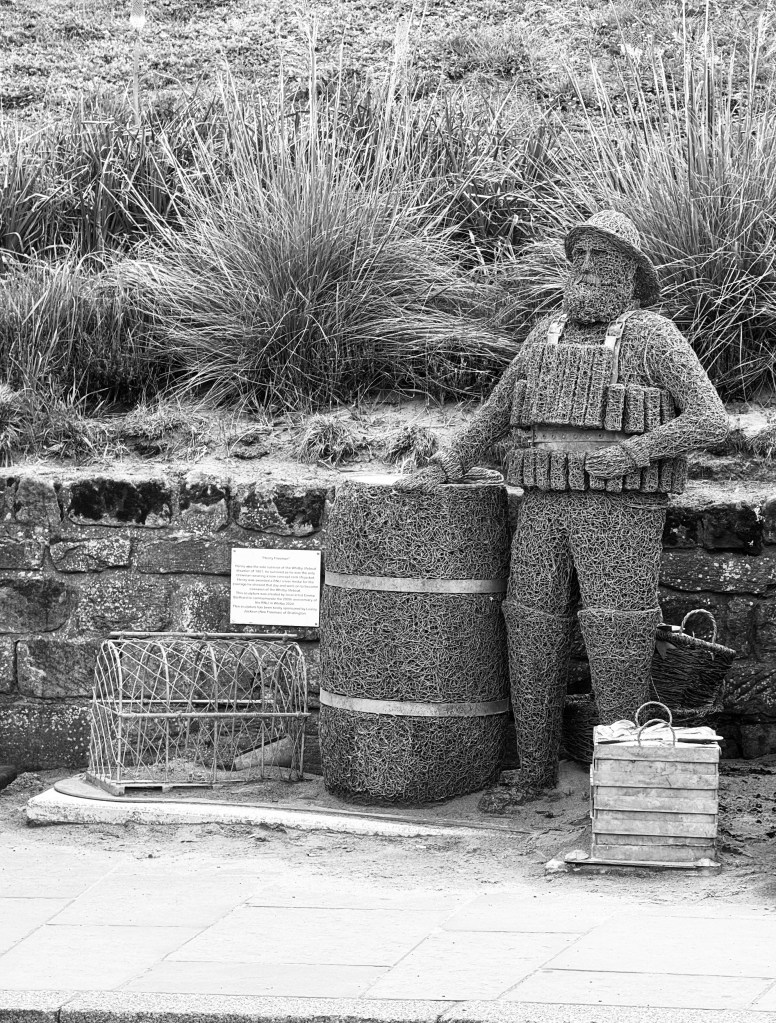
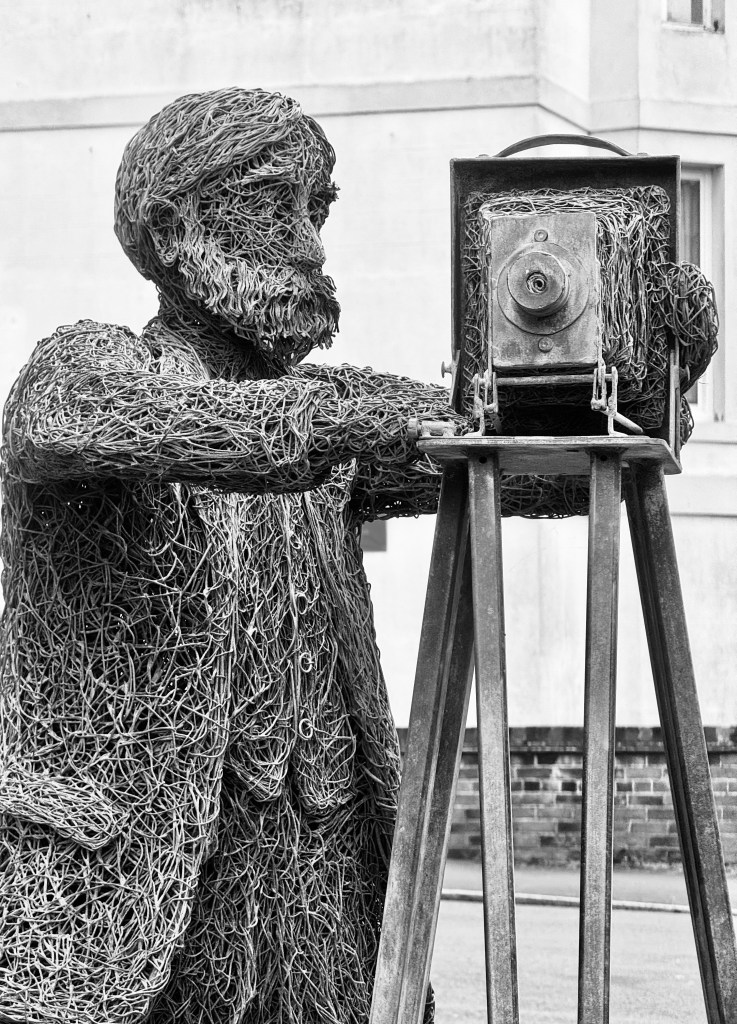
I do enjoy Whitby’s more striking pieces representative of local people in general. A local photographer. A local fisherman.
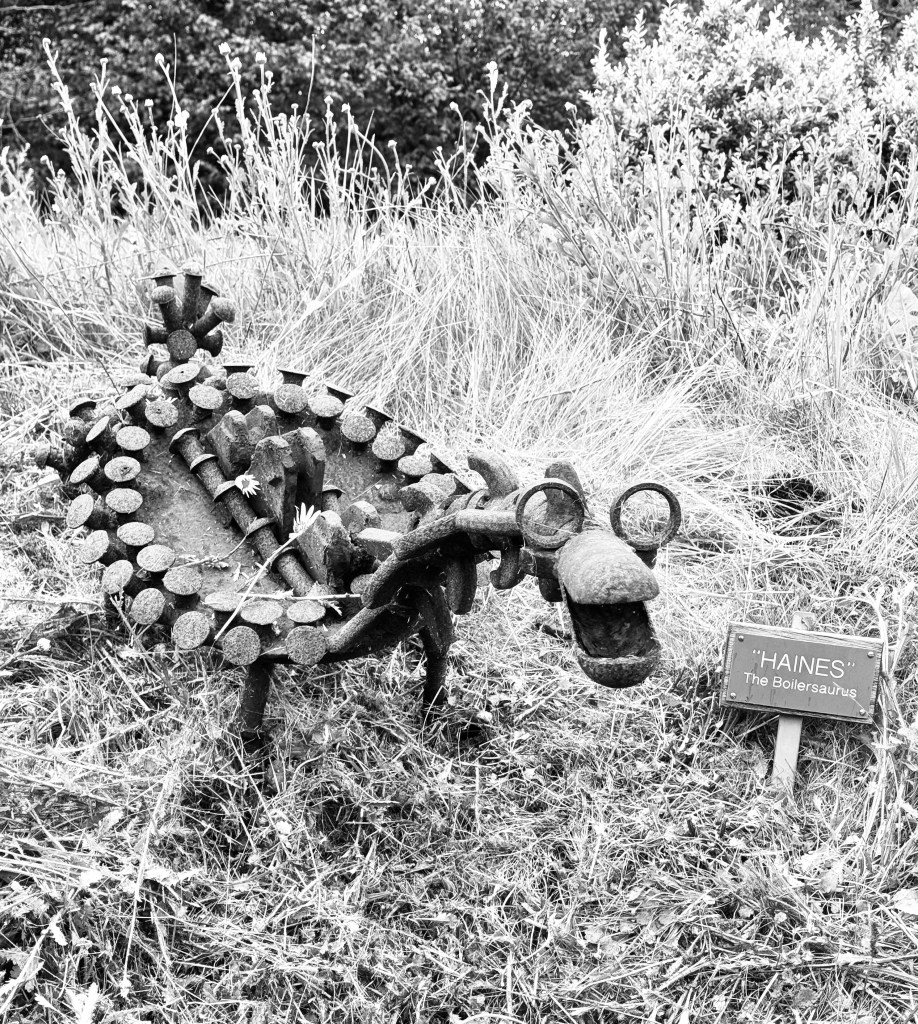
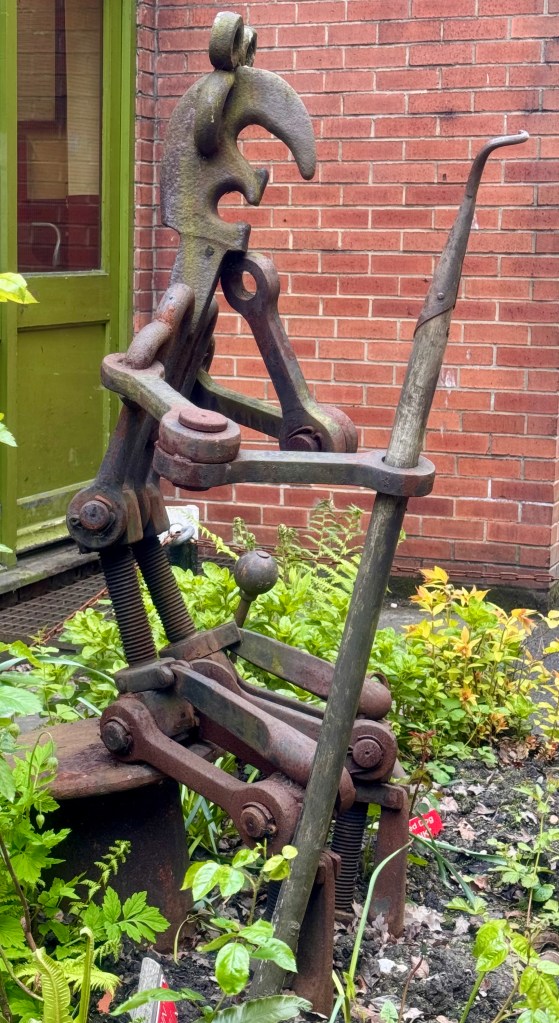
There is also the more whimsical folk art. A fox in the Lake District. In Grosmont, watch out for the Boilersaurus and the Brakeman. Figures made from train parts outside a Grosmont Railway Barn.
So many ways to help others see.

